🔍 Read the full analysis: 2026 Home Automation: 11 Top AI Devices For Modern Living on ThorstenMeyerAI.com

Prime made for students and young adults
- Fast, free delivery for dorm and study essentials
- Prime Video and Amazon Music included
- Member-only deals
TL;DR
In 2026, a range of AI-powered home automation devices are transforming living spaces, offering smarter control over climate, security, and lighting. This article reviews 11 top devices across various categories, highlighting their features and implications for homeowners.
Several new AI-powered home automation devices have been launched in 2026, offering homeowners enhanced control, security, and energy management. For an overview of the latest innovations, see A Look At 14 Cutting-Edge AI Home Devices For 2026. These devices, ranging from smart hubs to thermostats and switches, are designed to integrate seamlessly with existing systems and leverage advanced AI features. The developments matter because they significantly improve the convenience, privacy, and customization options available in modern homes, appealing to both tech enthusiasts and everyday users. This evolution is detailed in the original analysis.
Leading the market is the HomeClaw Smart Home Gateway, praised for its versatile AI integration and open-source platform, enabling extensive customization and compatibility with various protocols like Z-Wave, Zigbee, and Matter. The Google Nest Learning Thermostat remains a top choice for energy efficiency, thanks to its adaptive learning capabilities, although it may require additional sensors for full coverage. For budget-conscious consumers, the Lutron Caseta Kit offers reliable automation at an affordable price, with straightforward installation and minimal AI features.
Other notable devices include the Ecobee SmartThermostat with local AI processing, providing privacy-focused control, and the Arlo Ultra Security Camera, which combines AI-driven motion detection with high-definition video. The trend towards local AI processing is gaining momentum, offering faster responses and enhanced data privacy, though some devices still rely on cloud processing for advanced features. Compatibility across protocols and ease of setup remain key factors influencing consumer choices, especially as the smart home ecosystem continues to expand. To explore top devices in this space, visit 12 Best AI-Powered Devices To Automate Your Home In 2026.
The 11 picks
- 1
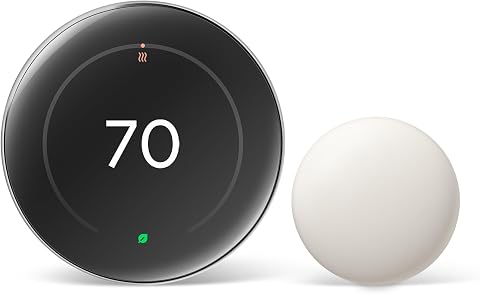 Google Nest Learning Thermostat (4th gen) + Nest Temperature Sensor (2nd gen)…View on Amazon →
 - 2
 SwitchBot AI Hub with OpenClaw Support and Local Camera StorageView on Amazon →
 - 3
 Lutron Caseta Deluxe Smart Switch Kit with 2 Switches, Hub, Remote, WallplateView on Amazon →
 - 4
 Hubitat Elevation C-8 Pro Smart Home Automation Hub – Matter 1.5, Z-Wave 800…View on Amazon →
 - 5
 HomeClaw Smart Home Gateway with Home Assistant & OpenClaw AIView on Amazon →
 - 6
 AI-Powered Smart Home DevicesView on Amazon →
 - 7
 iSG Box SE Smart Home Hub with Preinstalled Home AssistantView on Amazon →
 - 8
 Shelly 1PM Gen4 UL Smart Relay Switch with Power Metering, Wi-Fi, Zigbee & Ma…View on Amazon →
 - 9
 AI-Powered Smart Home Guide 2026: A Step-by-Step Guide to Designing, Optimizi…View on Amazon →
 - 10
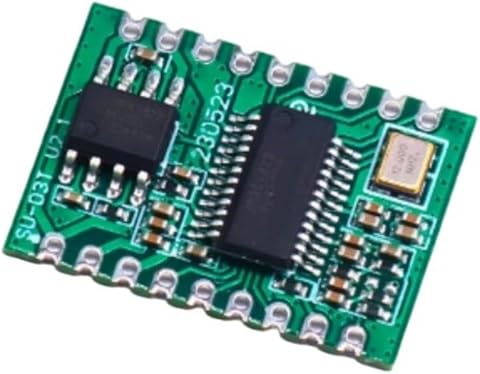 Local AI Voices Command Processor for Home Automation SystemsView on Amazon →
 - 11
 AI Powered Smart Home Guide for Beginners 2026View on Amazon →
Why 2026’s AI Devices Mark a Turning Point in Home Automation
The proliferation of AI-powered devices in 2026 represents a significant shift toward more intuitive, personalized, and secure smart homes. These devices enable automation that adapts to user routines, enhances energy efficiency, and improves security through advanced AI features like facial recognition and predictive analytics. For consumers, this means greater convenience and control, while manufacturers benefit from increased market demand for sophisticated, interoperable solutions. The emphasis on local AI processing also signals a growing concern for privacy, influencing future product design and consumer trust.
Market Evolution and Key Trends in 2026 Home Automation
Over the past few years, the home automation market has expanded rapidly, driven by advancements in AI, connectivity protocols, and user demand for smarter living spaces. Major players like Google, Amazon, and Apple have introduced ecosystems that emphasize voice control and seamless device integration. In 2026, the trend toward open-source platforms and local AI processing is gaining traction, offering more privacy and customization options. Recent product launches reflect these shifts, with features like adaptive learning, multi-protocol support, and enhanced security becoming standard.
Previous years saw incremental improvements, but 2026’s wave of new devices signifies a maturation of the market, with a focus on interoperability, privacy, and user-centric AI features. As the ecosystem grows more complex, consumers are seeking solutions that balance ease of use with advanced capabilities, prompting manufacturers to innovate accordingly.
Unanswered Questions About 2026 Home Automation Devices
While many devices boast advanced AI features and broad compatibility, it remains unclear how seamlessly all will integrate into existing ecosystems, especially for less tech-savvy users. The long-term reliability of local AI processing versus cloud-based solutions is still being evaluated, with some experts questioning whether local processing can keep pace with cloud AI in terms of feature updates and support. Additionally, the actual privacy protections and data security measures implemented by manufacturers vary, and it is not yet clear how consumers will respond to these differences.
Upcoming Developments and Market Expansion in 2026
Manufacturers are expected to release more devices with enhanced AI capabilities, including improved facial recognition, predictive maintenance, and energy optimization. Industry standards for interoperability and privacy are likely to evolve, potentially leading to more unified ecosystems. Consumer adoption will depend on how well these devices perform in real-world settings, their ease of use, and trust in privacy protections. Market analysts predict continued growth in local AI processing and open-source platforms, with new partnerships and innovations emerging throughout 2026 and beyond.
Key Questions
Can I upgrade my current smart home system to include these new AI devices?
Yes, many of the new AI devices are designed to integrate with existing systems, especially if they support common protocols like Z-Wave, Zigbee, or Matter. Upgrading may involve adding compatible hubs or replacing certain components, but compatibility checks are essential before purchase.
Are local AI processing devices more secure than cloud-based ones?
Local AI processing generally offers enhanced privacy and faster response times because data does not leave the home network. However, security also depends on device implementation and user practices. Cloud-based AI can be more powerful but raises concerns about data privacy and potential breaches.
What should I consider when choosing an AI home automation device?
Key factors include compatibility with existing devices, AI capabilities like adaptive learning, ease of installation, privacy features, and scalability. Balancing these elements based on your needs and technical comfort will help select the best device for your home.
Will these devices require professional installation?
Most devices aim for user-friendly setup, but some advanced systems or those integrating multiple protocols may benefit from professional installation, especially for optimal performance and security.
How do these devices impact energy consumption?
Many AI thermostats and smart switches optimize energy use by learning routines and adjusting settings automatically, potentially reducing utility bills and environmental impact over time.
Source: ThorstenMeyerAI.com
Fall Picks
fall essentials
As an affiliate, we earn on qualifying purchases.