To find the moisture source quickly, start by sniffing around areas with a musty smell, focusing on damp corners, behind appliances, or near plumbing. Look for visible signs like discoloration, peeling paint, or warped surfaces. Feel for dampness and use a moisture meter to identify hidden wet spots. Improving ventilation helps dry out affected areas. If you want tips on pinpointing hidden issues, keep exploring for effective solutions.
Key Takeaways
- Follow the musty odor to identify specific walls, corners, or areas where the smell intensifies.
- Conduct visual inspections for discoloration, peeling paint, or warped surfaces indicating moisture.
- Touch suspect surfaces to detect hidden dampness not visible to the eye.
- Use a moisture meter to measure moisture levels in problem areas accurately.
- Check behind appliances and in poorly ventilated spaces like basements and bathrooms for hidden leaks or condensation.

Have you ever wondered what causes that persistent, damp odor in your home? It’s often linked to hidden moisture sources that compromise your air quality and create the perfect environment for mold and mildew. When you notice a musty smell, it’s a sign that moisture is lingering somewhere, and your first step is to track down the source. Good smell detection skills and understanding how moisture affects air quality can help you identify the problem quickly, preventing further damage and health issues.
Start by paying close attention to areas where moisture tends to accumulate, like bathrooms, basements, kitchens, or behind appliances. These spots often harbor hidden leaks or condensation problems. Use your senses—smell is a powerful tool in detecting moisture issues that aren’t immediately visible. A musty odor usually indicates mold growth, which thrives in damp, poorly ventilated spaces. If you notice the smell intensifies when you’re near certain walls, floors, or corners, it suggests that moisture is seeping into those areas, affecting your indoor air quality. Remember, poor air quality isn’t just uncomfortable; it can cause respiratory problems and allergies over time.
Pay close attention to damp areas like bathrooms and basements; musty smells indicate hidden moisture issues affecting air quality.
Beyond just smell detection, look for other signs of moisture trouble. Discoloration, peeling paint or wallpaper, and warped surfaces often accompany mold growth. Feel for dampness by touching suspect areas—moisture can sometimes be hidden behind walls or beneath flooring. Use a moisture meter if you have one; it provides a clear reading of moisture levels, helping you confirm suspicions without guesswork. If you don’t have tools, visual clues combined with smell detection usually give enough information to pinpoint the source. Monitoring moisture levels with appropriate tools can significantly enhance your detection accuracy.
Once you identify where the moisture is coming from, act swiftly. Repair leaks, improve ventilation, and dry out affected areas thoroughly. Increasing airflow with fans or dehumidifiers can profoundly reduce moisture levels, restoring your air quality and eliminating the musty smell. Remember, persistent odors often indicate ongoing moisture problems. Ignoring them can lead to more severe mold infestations and degrade your indoor environment.

Klein Tools ET140 Pinless Moisture Meter for Non-Destructive Moisture Detection in Drywall, Wood, and Masonry; Detects up to 3/4-Inch Below Surface
WATER LEAK DETECTOR detects relative moisture content from leaks and flooding
As an affiliate, we earn on qualifying purchases.
As an affiliate, we earn on qualifying purchases.
Frequently Asked Questions
Can Musty Smells Come From Outside Sources?
Yes, musty smells can come from outside sources. Exterior influences like mold spores, mildew, or damp debris can lead to odor infiltration inside your home. Wind can carry these odors through vents, open windows, or tiny gaps in walls. To prevent this, check for exterior moisture issues, seal gaps, and improve ventilation. Addressing these outside influences quickly helps stop musty smells from seeping indoors and keeps your space fresh.
How Long Does It Take to Eliminate Musty Odors?
Most musty odors fade within a week if you improve airflow patterns and eliminate moisture sources. It typically takes 3-7 days for odors to substantially diminish once proper ventilation and cleaning are in place. Odor absorption from porous materials can prolong this process, so deep cleaning and drying affected areas are essential. Consistent airflow helps speed up odor removal, ensuring your space smells fresh again faster.
Are Essential Oils Effective Against Musty Smells?
Essential oils can be somewhat effective for odor elimination, but they don’t eliminate the underlying moisture causing the musty smell. You might find that diffusing oils like tea tree or eucalyptus masks the odor temporarily, but for long-lasting results, you need to identify and remove the moisture source first. While essential oils can improve air freshness, they shouldn’t be relied on alone to eliminate stubborn musty odors completely.
Can Mold Cause Health Problems Even if Unseen?
Mold can indeed cause health problems even if you can’t see it. Mold spores circulate in the air and can settle in hidden areas, leading to health risks like allergies, asthma, and respiratory issues. You might not notice mold, but symptoms such as coughing, sneezing, or throat irritation could indicate its presence. It is crucial to check for hidden moisture sources and mold growth to protect your health effectively.
What Tools Help Detect Hidden Moisture Sources?
Detect dampness with precision using moisture meters and infrared cameras. Moisture meters measure moisture levels directly, revealing hidden hydration in walls or wood. Infrared cameras scan surfaces, showing thermal differences that highlight unseen water intrusion. You can quickly locate lurking leaks or leaks and damp spots, preventing mold and damage. These tools give you clear, concrete clues, helping you identify moisture sources fast and effectively before issues escalate.
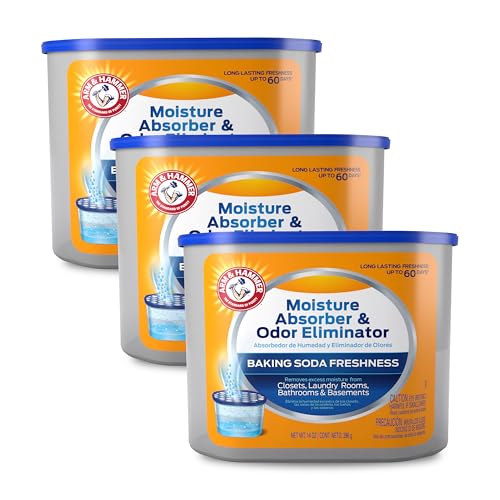
Arm & Hammer Fragrance Free Refillable Moisture Absorber and Odor Eliminator 14 oz. Tub
Arm & Hammer Refillable Moisture Absorber and Odor Eliminator attracts and traps excess moisture, eliminating musty odors.
As an affiliate, we earn on qualifying purchases.
As an affiliate, we earn on qualifying purchases.
Conclusion
Now that you’re aware of how that damp, musty smell sneaks into your space like a shadow lurking in the corners, you’re better equipped to track down its hidden source. Picture yourself opening a closet door, feeling the cool, moist air brush against your skin, or inspecting a forgotten pipe with a faint, earthy scent. With quick action and keen eyes, you’ll banish that moisture and reclaim fresh, clean air—your home’s true, inviting scent.

Dehumidifier, 95OZ Dehumidifier for Home 1000 Sq.Ft – Quiet with Auto Shut Off & Relaxing 7 Color Ambient Light,Ideal for Livingroom, Bedroom, Basement(Black)
Semiconductor dehumidifiers use thermoelectric cooling to remove moisture from the air. They create a drier, more comfortable environment…
As an affiliate, we earn on qualifying purchases.
As an affiliate, we earn on qualifying purchases.

Broan-Nutone® Bathroom Exhaust Fan, 50 CFM Modern Grille, Energy Star Fan, 2.0 Sones
50 CFM BATHROOM EXHAUST FAN: 50 CFM is sufficient ventilation to remove, moisture, odor and pollutants from your…
As an affiliate, we earn on qualifying purchases.
As an affiliate, we earn on qualifying purchases.