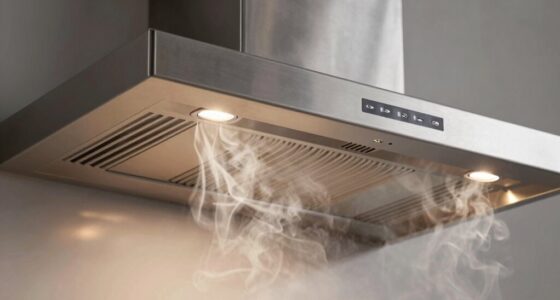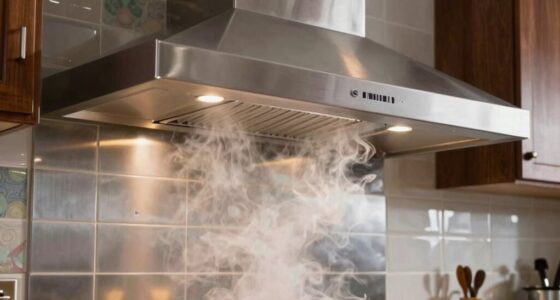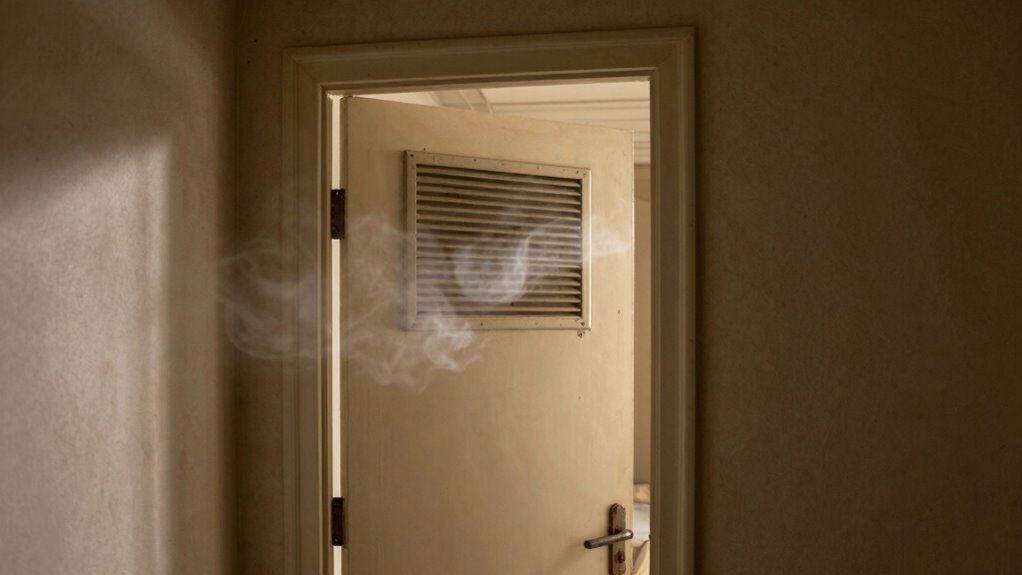
If some rooms in your home always smell stale, it’s likely due to pressure imbalances trapping bad air inside. When airflow is uneven, fresh air can’t replace the stale air, causing odors to linger. This often happens if vents are blocked, exhaust fans aren’t working properly, or there are leaks creating negative pressure. Addressing these issues can improve airflow and eliminate odors. Keep exploring to learn practical ways to restore proper pressure balance and freshen your space.

Prime made for students and young adults
- Fast, free delivery for dorm and study essentials
- Prime Video and Amazon Music included
- Member-only deals
Key Takeaways
- Imbalanced air pressure prevents fresh air from entering and stale air from exiting, causing odors to linger.
- Poor ventilation systems or blocked vents can lead to negative pressure, trapping odors inside rooms.
- Sealed doors and windows disrupt natural airflow, resulting in stagnant, stale air pockets.
- Lack of or malfunctioning exhaust fans in bathrooms and kitchens reduces odor removal.
- Leaks or improper sealing in the home can create pressure imbalances, leading to persistent stale smells.
Understanding pressure balancing is essential for maintaining safe and effective plumbing systems. When your home’s pressure is properly balanced, it helps prevent issues like water hammer, leaks, and unintentional siphoning. But beyond water flow, pressure balancing also influences ventilation efficiency and air exchange within your rooms. If certain areas always smell stale, it’s often because the air isn’t circulating properly, which can be traced back to pressure imbalances affecting how fresh air enters and stale air exits your space.
Your home relies on a delicate balance of air pressure to facilitate good ventilation. When the pressure is uneven, some rooms might become isolated, trapping odors and reducing air exchange. For example, if a bathroom door is closed tightly or there’s a blocked vent, the air inside can become stagnant, leading to a buildup of moisture and odors. Proper pressure balancing ensures that fresh air flows into these spaces and stale air escapes, maintaining a healthier environment. Without it, your home can develop pockets of poor air quality, leaving rooms smelling musty or stale despite regular cleaning.
Proper air pressure balance prevents stale odors and improves ventilation in your home.
To improve ventilation efficiency, you need to understand how air moves through your home. Ventilation isn’t just about opening windows; it’s about creating a pressure differential that encourages air exchange. When pressure is correctly balanced, fresh air can enter through vents or open windows, pushing out the stale air. Conversely, if pressure is uneven, air can become trapped, creating a cycle where stale air recirculates without being replaced. This is especially problematic in rooms without proper exhaust fans or vents, which rely heavily on pressure differences to function effectively.
You can take steps to address these issues by ensuring there’s proper exhaust ventilation in key areas like bathrooms and kitchens. Installing or maintaining vent fans, ensuring vents are unobstructed, and checking for leaks that cause negative pressure can considerably enhance air exchange. Moreover, balancing the pressure across your plumbing and ventilation systems helps maintain a more consistent airflow, reducing the likelihood of stale smells lingering. Remember, good ventilation isn’t just about adding fans; it’s about creating a system where air flows naturally and efficiently, driven by the right pressure balance. Additionally, understanding pressure differentials can help you troubleshoot and optimize your home’s airflow.
In essence, understanding how pressure influences ventilation efficiency is key to preventing rooms from smelling stale. When you maintain proper pressure balancing, you improve air exchange, which keeps your home smelling fresh and feeling healthier. This effort not only enhances comfort but also supports your overall home environment by reducing moisture buildup and potential mold growth caused by poor air circulation. So, keeping pressure balanced isn’t just about plumbing—it’s about creating a healthier, more comfortable living space with fresh, clean air.
Popular right now

Ninja Flip Toaster Oven and Air Fryer, 8-in-1, Stainless Steel, SP151

Shark Rocket Pet Plus Corded Stick Vacuum, Bordeaux, HV322
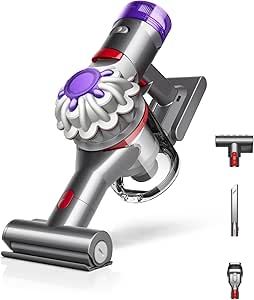
Dyson Car+Boat Cordless Handheld Vacuum
As an affiliate, we earn on qualifying purchases.
Frequently Asked Questions
How Often Should I Check My Home’s Pressure Balance?
You should check your home’s pressure balance at least twice a year, especially during seasonal changes. Regularly inspecting airflow patterns helps make certain proper ventilation, preventing stale odors. Make sure to maintain vents by cleaning or replacing filters and sealing leaks around ducts. Proper vent maintenance and monitoring airflow can improve overall air quality, reducing stale smells and balancing pressure effectively to keep your home fresh and comfortable year-round.
Can Pressure Imbalance Cause Structural Damage Over Time?
While a slight tilt in your home’s pressure balance might seem harmless, persistent imbalance can subtly influence your home’s structure over time. Poor ventilation efficiency and disrupted airflow dynamics can cause uneven stress on walls and foundations. This gradual strain might lead to minor cracks or shifts, which could become more noticeable if left unchecked. Regularly maintaining proper ventilation helps make certain your home remains stable and safe against long-term structural issues.
Are There Specific Signs Indicating Pressure Issues in a Room?
You can spot pressure issues in a room by observing air pressure indicators and ventilation clues. If you notice doors creaking open or shut, or difficulty opening windows, these are signs of pressure imbalance. Unusual smells lingering, inconsistent airflow, or drafts also hint at ventilation problems. Pay attention to these signs, as they help you identify when pressure balancing is needed to improve air quality and comfort.
Do Different Types of HVAC Systems Affect Pressure Balancing?
Imagine the air flowing smoothly through your home’s corridors; different HVAC systems do influence pressure balancing. You’ll notice that air duct design and vent placement vary with system types—central, split, or ductless—affecting how well pressure stays balanced. Some systems may create uneven airflow, leading to stale smells or hot spots. Adjusting vent placement or upgrading duct design can help guarantee consistent, fresh air throughout your space.
What Are the Costs Associated With Professional Pressure Balancing?
The costs for professional pressure balancing typically range from $150 to $500, depending on your home’s size and system complexity. You should expect to pay service charges for inspection, adjustments, and calibration of your HVAC system. It’s wise to get a detailed cost estimation from a licensed technician beforehand, so you know what to budget. Investing in proper pressure balancing can improve air quality and prevent stale odors, making it well worth the expense.
Conclusion
So, next time you walk into a room that smells stale, remember—you’ve probably just uncovered a pressure imbalance. Instead of blaming the poor ventilation or bad odors, you might be the culprit, unknowingly sealing in the smell with your pressure preferences. Ironically, what seems like a simple fix—adjusting a vent—can transform your space from stifling to fresh. Sometimes, the solution is just a matter of balancing the air—and your expectations.