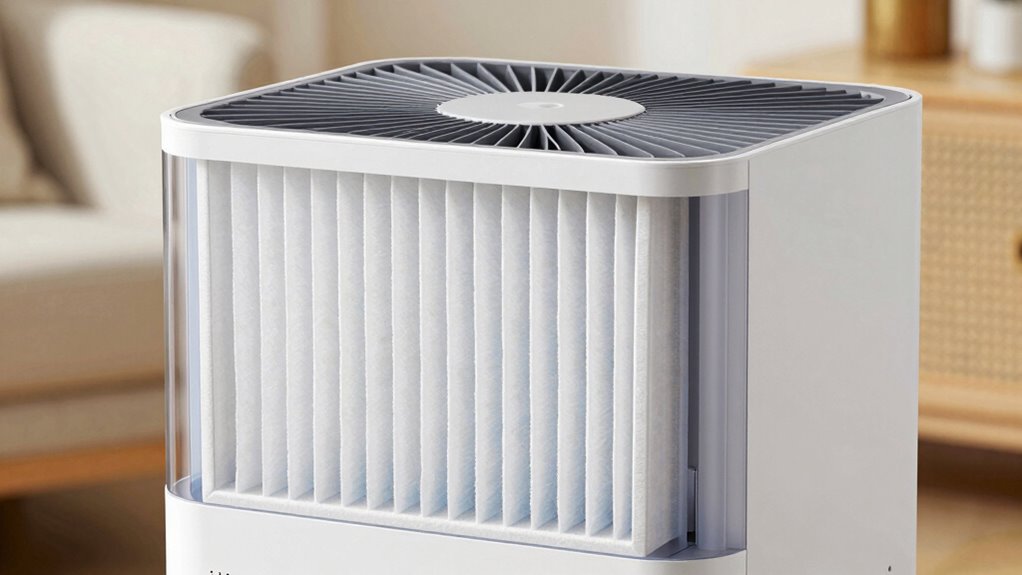
A fixed three-month filter replacement schedule isn’t always right because your home’s air quality, environment, and usage vary. Factors like pollution levels, pets, family members with allergies, and how often you use your HVAC influence how quickly filters get dirty. Relying solely on a calendar can lead to unnecessary changes or missed needs. By paying attention to signs like airflow and odors, you can optimize your filter schedule—discover more about personalizing your maintenance for better air quality.
Listen free for 30 days with Audible
Thousands of audiobooks and originals — cancel anytime.
As an affiliate, we earn on qualifying purchases.
Key Takeaways
- Fixed three-month schedules ignore environmental factors affecting filter lifespan.
- High pollution, pets, or allergies require more frequent filter changes.
- Signs like reduced airflow or musty smells indicate a need for replacement, regardless of time.
- Proper maintenance depends on system performance and indoor air quality, not just the calendar.
- Over-reliance on a strict schedule can lead to unnecessary replacements or neglect.

Have you ever wondered how often you should replace your filters to keep your appliances running smoothly? Many people stick to the old rule of changing filters every three months, but the truth is, that’s not always the best approach. Your air quality and the performance of your HVAC system depend on a variety of factors, and maintenance frequency isn’t a one-size-fits-all timeline. Relying solely on a fixed schedule can lead to unnecessary replacements or, worse, neglecting filters when they’re really dirty.
The key to effective filter maintenance is understanding your specific environment and usage. If you live in an area with high pollution levels, dust, pet dander, or pollen, your filters will need more frequent changes. Similarly, if you have pets that shed or family members with allergies, the buildup of particles in your filters accelerates. Conversely, if your home is relatively clean and you don’t have pets, you might be able to extend the lifespan of your filters beyond the traditional three months. Paying attention to signs of reduced airflow or increased dust settling on surfaces can help you gauge when a replacement is necessary, rather than relying solely on a calendar.
Air quality plays an essential role in determining your maintenance frequency. Poor indoor air quality can be caused by outdated filters that no longer trap airborne contaminants effectively. When filters become clogged or saturated, your system has to work harder to circulate air, which can strain your appliances and increase energy costs. Regularly inspecting your filters and replacing them when they appear dirty or clogged ensures that your air quality stays high and your system remains efficient. Additionally, understanding the contrast ratio of your system can help you assess how well your system performs in low-light conditions, indirectly indicating when filters or components may need attention. This proactive approach not only improves indoor comfort but also prolongs the lifespan of your appliances.
Many experts suggest inspecting filters monthly, especially during peak usage seasons like winter and summer. If you notice a significant decrease in airflow or a musty smell, it’s a sign that your filter needs replacing, regardless of the time since last change. Remember, maintaining proper air quality isn’t just about replacing filters on a schedule; it’s about being attentive to your home environment and system performance. This personalized approach guarantees that your appliances operate at peak efficiency and your indoor air remains clean and healthy.
As an affiliate, we earn on qualifying purchases.
Frequently Asked Questions
Can Filter Replacement Frequency Vary by Climate?
Yes, filter replacement frequency can vary by climate. In areas with high humidity or pollution, your local environment impacts how quickly filters get dirty. For instance, if you live in a humid or polluted climate, you might need to replace filters more often. Conversely, in drier or cleaner environments, less frequent replacements are sufficient. Always monitor your filters and adjust based on your specific climate’s impact to maintain ideal air quality.
Do Different Filter Types Require Different Replacement Schedules?
Imagine your filter as a garden that needs watering—different plants, or filters, have unique needs. Some filters, like HEPA or carbon, have longer filter lifespans and require less frequent replacement intervals, while others need more regular attention. So, yes, different filter types demand tailored schedules. Check manufacturer guidelines, and you’ll keep your air quality ideal without unnecessary replacements.
How Do I Know if My Filter Needs Replacing Sooner?
You’ll know your filter needs replacing sooner if air quality indicators, like increased dust, odors, or allergy symptoms, worsen. Also, check the filter’s lifespan recommendations from the manufacturer and inspect it regularly for visible dirt or clogging. When airflow decreases or the system runs harder, it’s a sign to replace the filter. Trust these signs over a fixed schedule to maintain ideal air quality and system efficiency.
Are There Signs Indicating a Filter Is No Longer Effective?
Think of your filter as a silent guardian; when it begins to falter, signs become clear. You’ll notice reduced airflow, musty odors, or increased dust settling around. These effectiveness indicators reveal your filter’s lifespan has dwindled, and it’s time for a change. Don’t wait for a total collapse—trust your senses to detect when your filter’s performance wanes, ensuring your air stays fresh and clean.
Can Using a Higher-Quality Filter Extend Replacement Intervals?
Using a higher-quality filter made from better filter material can extend your replacement intervals because it traps more particles and lasts longer. This means you won’t need to replace it as often, saving on replacement cost. Keep in mind, however, that even high-quality filters won’t last forever—regular checks ensure your system stays efficient and your air stays clean without unnecessary expenses.
As an affiliate, we earn on qualifying purchases.
Conclusion
Remember, sticking to a strict “every 3 months” rule isn’t always necessary. Instead, listen to your filters—they’ll tell you when it’s time for a change. By paying attention to their condition, you can keep your air fresh and your system happy without the stress of rigid schedules. Embrace a more relaxed approach, and you’ll find maintaining your filters becomes a simple, even enjoyable part of caring for your home.
As an affiliate, we earn on qualifying purchases.
As an affiliate, we earn on qualifying purchases.
Flea & tick season Picks
flea and tick prevention
As an affiliate, we earn on qualifying purchases.