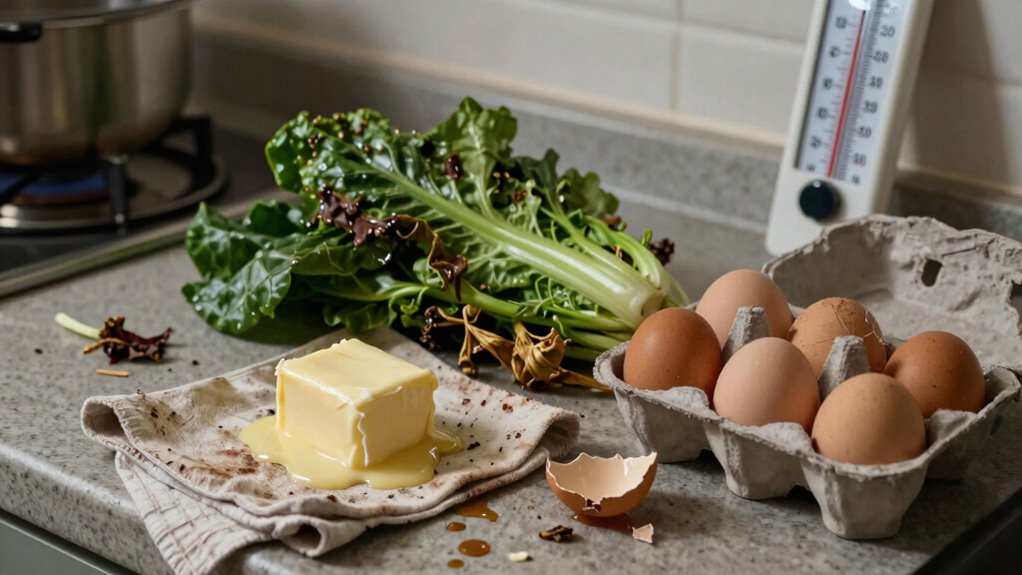

During a power outage, you should toss perishable foods like dairy, meats, and leftovers if they’ve been above 40°F for over two hours, or if they show signs of spoilage, such as bad odors, strange colors, or slimy textures. Check your freezer; discard items if the power’s been out more than 48 hours and they’ve thawed. Also, avoid canned goods with swollen or damaged packaging. If you continue exploring, you’ll learn more about safeguarding your food.
Key Takeaways
- Toss perishable foods left unrefrigerated for over 4 hours or showing signs of spoilage.
- Discard frozen items if the freezer has been above 0°F for more than 48 hours or if they thaw completely.
- Remove foods with foul odors, mold, discoloration, or slimy textures indicating spoilage.
- Dispose of canned goods with swollen, bulging, or leaking packaging to prevent contamination.
- Throw away foods with pest signs, damaged packaging, or any unusual appearance or smell.

2 Pack Refrigerator Thermometer, 30-30°C/20-80°F, Classic Fridge Thermometer Large Dial with Red Indicator Thermometer for Freezer Refrigerator Cooler
Convenient and practical: Our refrigerator thermometer is suitable for traditional refrigerators, freezers, insulated boxes, etc. It has a…
As an affiliate, we earn on qualifying purchases.
As an affiliate, we earn on qualifying purchases.
How to Spot Spoiled Food During Power Outages
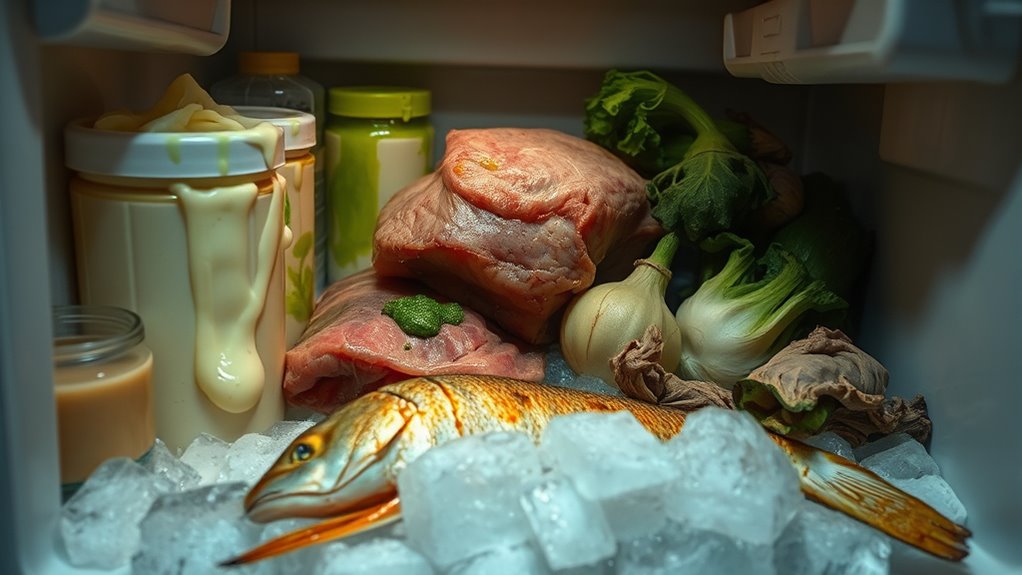
Have you ever wondered how to tell if your food has gone bad during a power outage? Without refrigeration, foodborne pathogens can quickly grow, making spoiled food unsafe to eat. Start by checking for obvious signs of spoilage, like foul odors or slimy textures. Spoiled dairy products, such as milk or cheese, often develop a sour smell and curdled appearance. Be cautious with perishable items that have been above safe temperature ranges for more than two hours. If you notice any discoloration, mold, or an off-putting smell, discard the food immediately. Remember, eating spoiled dairy or other contaminated foods can cause food poisoning, so when in doubt, it’s safer to toss it. Properly identifying spoiled food helps prevent illness during power outages. Additionally, understanding the contrast ratio of your food storage environment can help in assessing whether items have been kept at safe temperatures.

ReadyWise Emergency Food Supply – 72 Hour Survival Kit, 30 Servings of Protein Meals, Freeze Dried Food for Backpacking, Camping Essentials & Disaster Prepping Supplies, up to 25 Year Shelf Life
READY WHEN YOU ARE: At home, out camping, or caught up in the day-to-day rush – when disaster…
As an affiliate, we earn on qualifying purchases.
As an affiliate, we earn on qualifying purchases.
When to Discard Perishable Items in Your Refrigerator
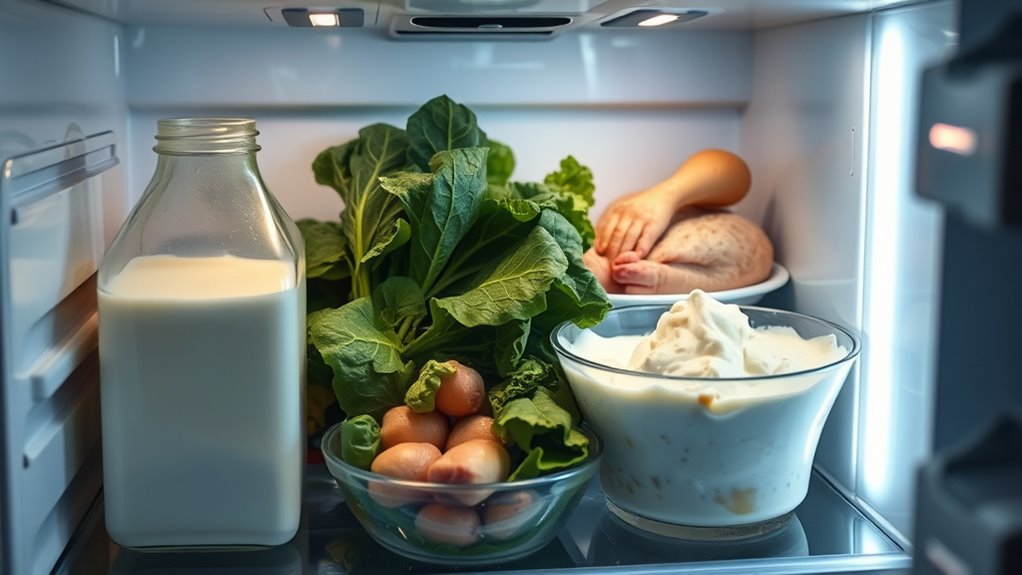
You should discard perishable foods if they’ve been without power for more than four hours, as bacteria can grow quickly. Keep an eye out for signs of spoilage like bad odors, slimy textures, or discoloration. When in doubt, it’s safest to throw out items that may no longer be safe to eat. Additionally, smart home technology can help monitor refrigerator temperatures and alert you to potential issues during outages.
Safe Duration for Refrigeration
Perishable foods in your refrigerator typically remain safe for up to four hours during a power outage. After this period, the food storage guidelines suggest discarding items that may have entered the danger zone, where bacteria can grow rapidly. To maximize safety, avoid opening the fridge unnecessarily, as maintaining refrigeration maintenance helps keep cold temperatures longer. If the power outage exceeds four hours, perishable items like dairy, meats, and leftovers should be discarded to prevent foodborne illnesses. Remember, the key is to monitor how long your refrigerator stays without power and act promptly. When in doubt, it’s safer to toss questionable items rather than risk consuming spoiled food. Proper food storage and timely action are essential for protecting your health during outages. Food safety regulations can provide additional guidance on handling perishable goods during extended power failures.
Signs of Spoilage to Watch
Knowing how to spot spoilage is essential after a power outage, as some foods may no longer be safe to eat even if they look okay. If you notice any of these signs, discard the item to prevent food poisoning caused by microbial growth:
- Unusual odors, such as sour or rancid smells
- Changes in texture, like sliminess or excessive mushiness
- Visible mold or discoloration that wasn’t there before
These indicators suggest the food has gone bad and could harbor harmful bacteria. Even if it looks fine, microbial growth can occur without obvious signs, making it risky to consume. Be aware that energy-efficient cloud servers are instrumental in managing data security and sustainability in digital infrastructure. When in doubt, it’s better to toss questionable items to avoid health issues. Properly discarding spoiled food helps prevent food poisoning and keeps everyone safe.
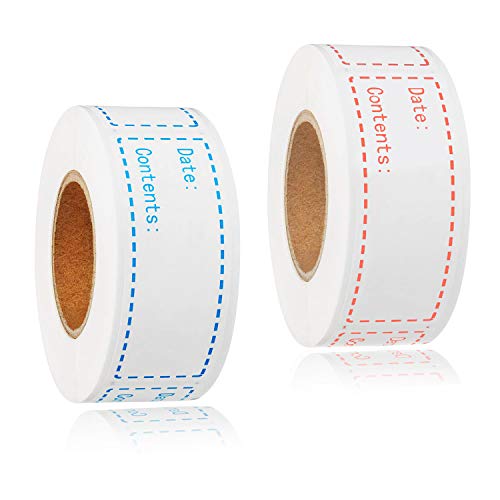
300pcs Removable Freezer Labels, Yoget 1 x 3 Inch Food Storage Stickers, Refrigerator Freezer Paper Label Easy Clean Leaves No Residue, 2 Color Food Labels Roll
【Full Confidence for the freezer food】Just a quick glance to get the food validity with our food storage…
As an affiliate, we earn on qualifying purchases.
As an affiliate, we earn on qualifying purchases.
How Long Is Freezer Food Safe After a Power Outage
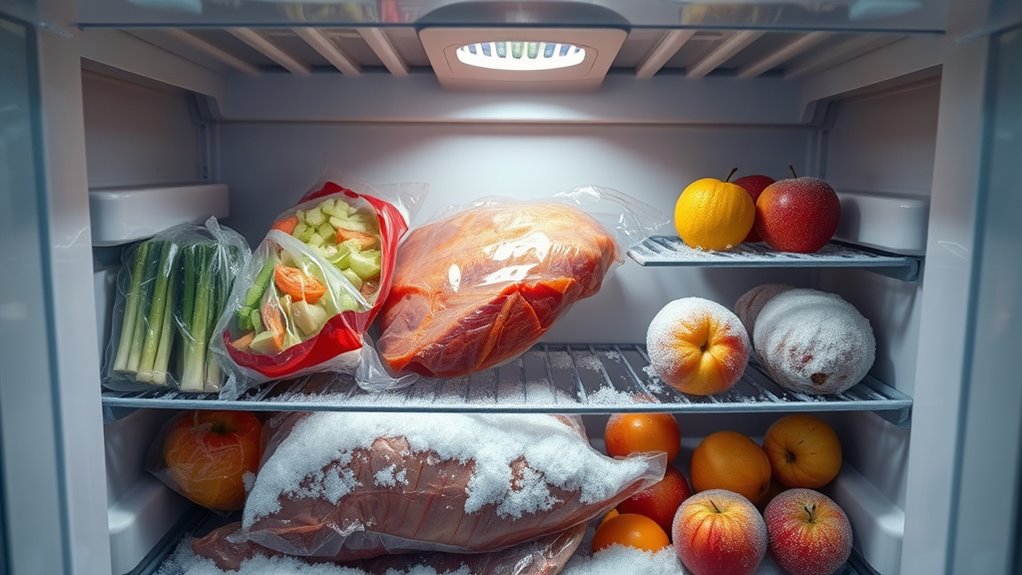
After a power outage, it’s important to contemplate how long your freezer food remains safe to eat. You should check the temperature stability and observe any changes in color or texture, which can indicate spoilage. The amount of time since the power went out also plays a key role in determining whether your food is still safe. To help maintain safety, consider consulting reliable backup power options to prevent future outages from affecting your food.
Freezer Temperature Stability
Wondering how long your freezer food stays safe during a power outage? The key is maintaining a steady freezer temperature. When power is lost, the freezer’s temperature can rise quickly, risking food safety. To maximize safety:
- Keep the freezer door closed as much as possible to preserve cold air.
- Use a thermometer to monitor temperature shifts.
- Know that food remains safe if the freezer stays at 0°F (-18°C) or below for up to 48 hours.
- Remember that Free Floating conditions can cause unpredictable temperature changes, so regular monitoring is essential.
If the temperature rises above this, food may spoil. The longer the freezer temperature remains high, the greater the risk of bacterial growth. Ensuring your freezer stays cold helps protect the safety of your food and prevents unnecessary waste.
Food Color and Texture
Ever wonder how a power outage affects the appearance and quality of your frozen foods? When the power goes out, the food dye changes can cause colors to fade or become dull, making items look less appealing. You might notice a loss of vibrancy in meats, fruits, or vegetables. Additionally, texture deterioration is common; foods may become mushy, icy,, or grainy as ice crystals melt and refreeze. These changes don’t necessarily mean the food is unsafe, but they do affect quality. If the freezer has been without power for more than 24 hours, expect significant color and texture shifts. While the food might still be safe to eat if it remains cold, its visual and tactile qualities will likely be compromised, impacting its overall appeal. Proper document management can help keep track of food safety concerns during such emergencies.
Time Since Power Loss
When your freezer loses power, understanding how long the food remains safe is essential. Generally, a full freezer can keep food safe for about 48 hours, while a half-full freezer lasts around 24 hours. To maximize safety, keep the door closed as much as possible to maintain low temperatures. Remember, food safety tips include checking for ice crystals and unusual odors before consuming. Prepare emergency supplies in advance, like coolers and ice packs, to extend the freezer’s preservation time. Be cautious if:
- The power outage exceeds 24–48 hours
- The freezer has been open frequently
- Food shows signs of thawing or spoilage
Monitoring time since power loss helps you decide what to keep or toss, reducing health risks during emergencies. Incorporating balanced designs in your storage solutions can also help organize emergency supplies efficiently.
ReadyWise Emergency Food Supply – 72 Hour Survival Kit, 30 Servings of Protein Meals, Freeze Dried Food for Backpacking, Camping Essentials & Disaster Prepping Supplies, up to 25 Year Shelf Life
READY WHEN YOU ARE: At home, out camping, or caught up in the day-to-day rush – when disaster…
As an affiliate, we earn on qualifying purchases.
As an affiliate, we earn on qualifying purchases.
Keeping Canned and Shelf-Stable Foods Safe During Power Outages
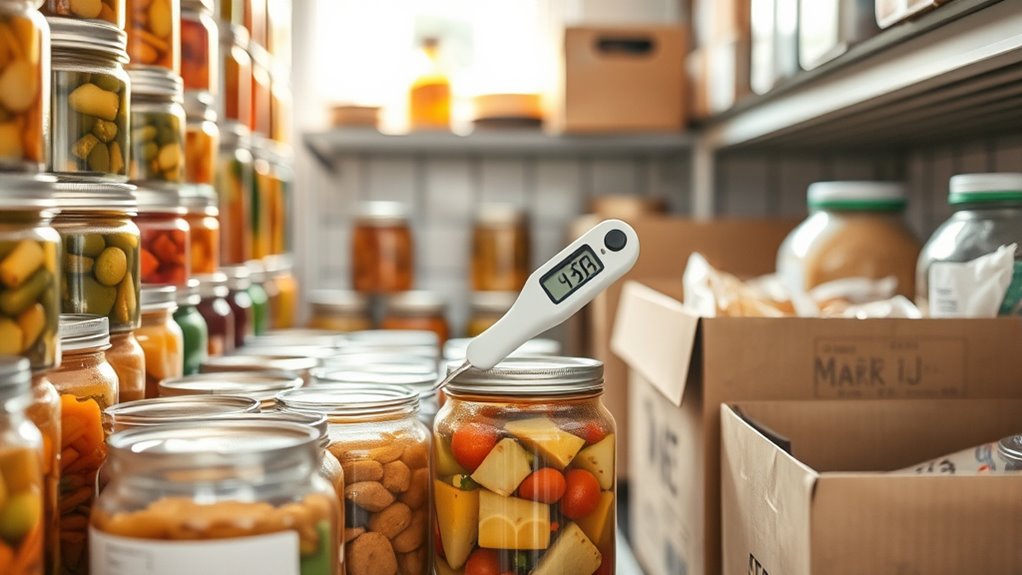
During a power outage, maintaining canned and shelf-stable foods safe to prevent foodborne illness is vital. To guarantee safety, focus on proper canned food preservation and follow shelf stable storage techniques. Keep canned goods in a cool, dark place to slow spoilage, and avoid exposing them to extreme temperatures. Do not open cans unnecessarily, as once opened, they require refrigeration or proper preservation methods. Check for any signs of damage or bulging, and discard compromised cans. Store shelf-stable foods away from direct sunlight and heat sources to maintain quality. Proper storage techniques help prevent bacterial growth and spoilage, ensuring you have safe, edible food during outages. Always prioritize safety by inspecting your canned and shelf-stable supplies regularly. Additionally, understanding proper sanitation and maintenance of your storage containers can further extend their shelf life and safety during prolonged outages.
Tips for Discarding Food That Might Be Contaminated
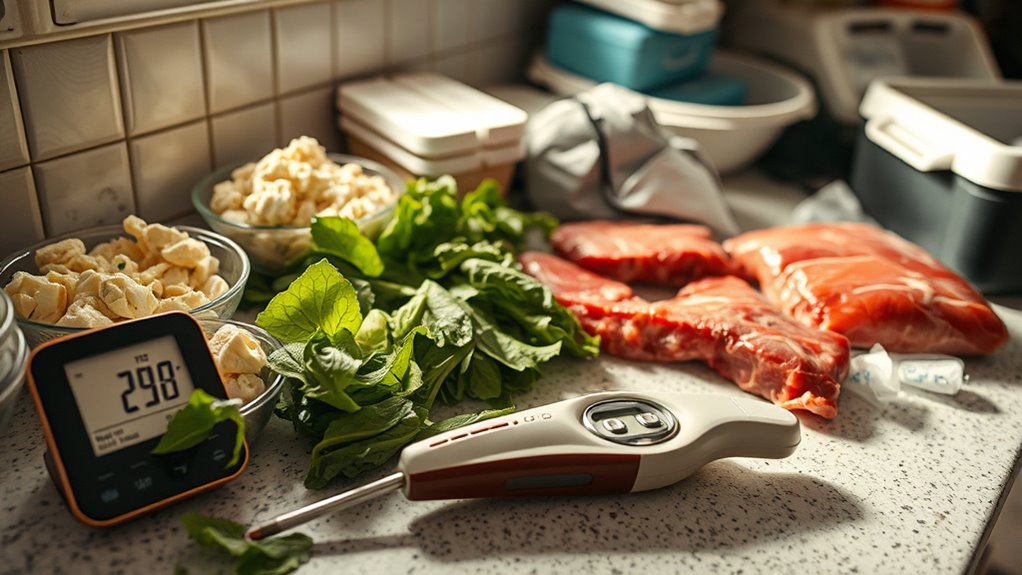
How can you tell if food might be contaminated and should be discarded? First, check for signs of pest contamination, such as droppings, gnaw marks, or live insects. Also, examine packaging integrity; if it’s swollen, torn, or leaks, discard the food immediately. Additionally, trust your senses—any foul odor, strange color, or slimy texture indicates possible contamination. Remember, compromised packaging can allow pests and bacteria to enter, increasing health risks. To stay safe:
- Discard any food with torn or damaged packaging
- Toss items showing signs of pest contamination
- Avoid consuming anything with an unusual smell or appearance
Modern kitchen technology can help monitor food freshness and safety during power outages, providing an extra layer of protection.
How to Minimize Food Waste During Power Outages

To minimize food waste during power outages, it’s essential to act quickly and make smart decisions about what to keep and what to discard. Focus on food preservation by keeping your freezer and refrigerator doors closed as much as possible to maintain cold temperatures. Use a thermometer to monitor food safety, aiming to keep the fridge below 40°F and the freezer at 0°F. If power is out for an extended period, prioritize consuming perishable items first. Consider freezing leftovers or fresh produce before the outage if you expect a prolonged outage. Implement waste reduction by repurposing unopened or non-perishable items and avoiding unnecessary disposal. Being proactive and strategic helps you preserve food longer, reduces waste, and saves money during challenging situations.
Frequently Asked Questions
How Can I Prevent Food Spoilage During a Blackout?
To prevent food spoilage during a blackout, you should prioritize emergency meal planning by keeping a cooler with ice for perishables. Avoid falling for food safety myths that suggest refreezing thawed food; instead, discard any questionable items. Keep fridge and freezer doors closed as much as possible to maintain cold temperatures. Staying prepared with these strategies helps guarantee your food stays safe and minimizes waste during power outages.
What Emergency Supplies Should I Have for Food Safety?
You should have emergency supplies like a cooler with ice packs, a manual can opener, bottled water, and non-perishable food to guarantee safe food storage during power outages. Keep a thermometer to monitor temperature and plan ahead with emergency planning, including knowing how long perishable foods can stay safe. These supplies help you maintain food safety, prevent spoilage, and stay prepared for any unexpected outages.
Are There Signs of Bacteria Growth I Can Detect Without Testing?
Think of your food as a ticking time bomb—you’ll want to spot signs early. Visual indicators like mold, discoloration, or slimy textures are clear warnings. Odor detection is equally essential; if it smells sour, rancid, or off, toss it immediately. These signs help you identify bacterial growth without testing. Trust your senses: they’re your first line of defense in keeping your food safe during outages.
How Do I Properly Clean My Refrigerator After a Power Outage?
After a power outage, you should clean your refrigerator thoroughly using effective cleaning methods like warm water and mild detergent. Remove all items, then wipe down shelves and walls. Place a thermometer in the refrigerator to monitor temperature, ensuring it stays below 40°F. Once cleaned, dry everything completely before restocking. Proper thermometer placement helps you verify the temperature, keeping your food safe and preventing bacteria growth.
Can I Refreeze Thawed Food Safely?
You can refreeze thawed food safely if it has been kept at 40°F or below and hasn’t been out for more than two hours. Follow thawed food guidelines by checking for ice crystals or a cold smell. If the food looks or smells off, it’s best to toss it. Always refreeze as soon as possible to maintain quality and safety, avoiding refreezing previously frozen items that have been in the danger zone too long.
Conclusion
Remember, a power outage isn’t just an inconvenience—it’s a potential food disaster waiting to happen! Toss spoiled or questionable foods immediately, or you might end up with a stomach bug of epic proportions. Keep your food safe, your family healthy, and your kitchen disaster-free by staying vigilant. Don’t let spoiled food turn your outage into a full-blown food emergency—act fast, and keep your meals safe from the chaos!