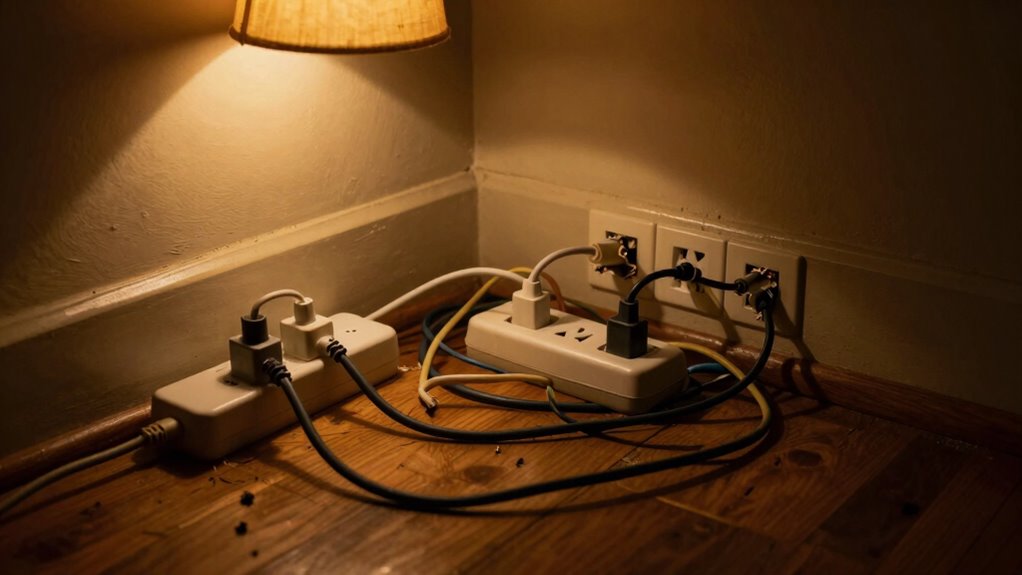
Plugging multiple appliances into a single outlet or using extension cords improperly can quietly increase your risk of electrical fires and shocks. Overloading outlets causes overheating and damage, especially if cords are frayed or overloaded. Daisy-chaining extension cords adds to the danger by creating overloads and sparks. To stay safe, avoid these habits and guarantee appliances and cords are rated correctly. Keep an eye on these common pitfalls to protect yourself and loved ones; there’s more to learn about staying safe.

Prime made for students and young adults
- Fast, free delivery for dorm and study essentials
- Prime Video and Amazon Music included
- Member-only deals
Key Takeaways
- Plugging multiple devices into a single outlet overloads circuits, increasing fire and shock risks.
- Using extension cords as permanent power sources can cause overheating and electrical hazards.
- Daisy-chaining multiple extension cords elevates the chance of sparks, fires, and electrical failures.
- Neglecting to unplug unused devices allows standby power to add unnecessary load and potential hazards.
- Handling damaged cords or outlets improperly can lead to sparks, shorts, and electrical fires.
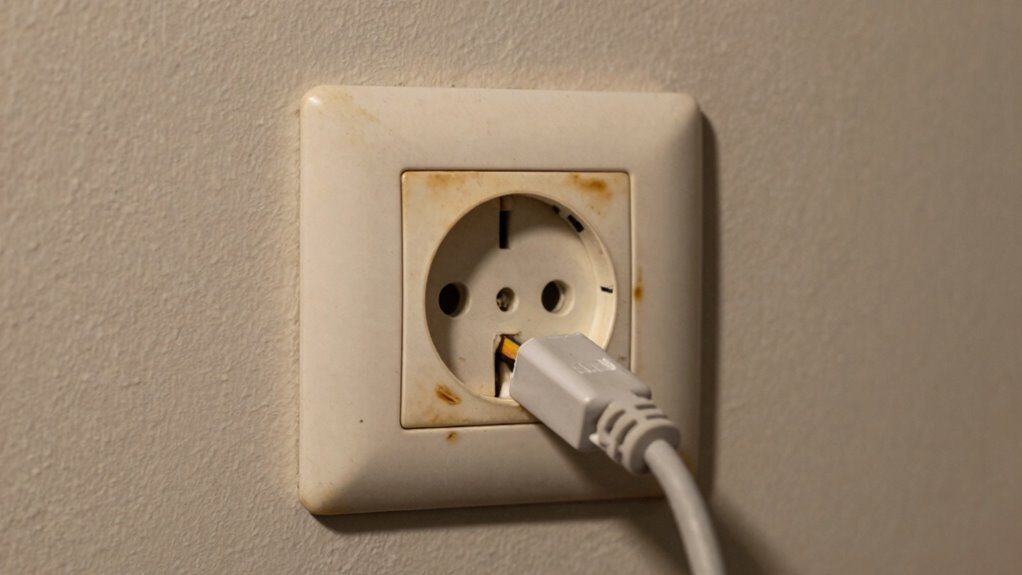
Many people don’t realize that their daily habits around electronics can quietly raise their health risks. One common but often overlooked issue is how you manage your outlets and plugged-in devices. Small habits, like plugging multiple appliances into a single outlet or using extension cords improperly, can compromise electrical safety and lead to dangerous appliance overloads. Over time, these practices increase the risk of electrical fires, shocks, and damage to your home’s wiring. Recognizing and correcting these habits can protect you and your loved ones from preventable accidents.
When you tend to connect several devices into one outlet without considering the load, you’re effectively creating an appliance overload. This overload can cause the circuit to overheat, which might result in a fire or damage to your appliances. Many people assume that outlets are designed to handle high loads, but they have maximum limits. Ignoring these limits and overloading outlets not only stresses the electrical system but also diminishes electrical safety. This is especially risky in homes with older wiring, where the capacity may already be limited. To prevent this, you should always pay attention to the wattage ratings of your devices and avoid plugging too many into a single outlet or power strip.
Extension cords seem like a handy solution, but if misused, they can become hazards. Using extension cords as a permanent power source or daisy-chaining multiple cords together can lead to overloads and increase the chance of sparks or fires. It’s safer to use outlets directly or have a qualified electrician install additional outlets in areas where you need them. When you’re handling electrical connections, ensure cords are in good condition—no frays or damage—and are rated for the power needs of your devices. Proper electrical safety practices help maintain electrical safety and prevent accidental overloads.
Another habit to watch out for is the failure to unplug devices that aren’t in use. Many appliances draw power even when turned off—known as standby power—adding unnecessary load to your circuits. Over time, this can contribute to overheating, especially if multiple devices are left plugged in continuously. Regularly unplugging unused appliances reduces this risk and conserves energy.
Frequently Asked Questions
What Specific Health Risks Are Associated With Frequent Outlet Use?
Frequent outlet use can pose electrical safety risks, like electrical shocks or fires if outlets or cords are damaged or overloaded. It can also lead to ergonomic concerns if you constantly reach or stretch awkwardly, causing strain or injuries. To stay safe, avoid overloading outlets, check cords regularly, and maintain proper posture while using electrical devices. Being mindful helps prevent accidents and long-term health issues.
How Does Outlet Habit Differ From Other Common Risk Behaviors?
Have you ever wondered how outlet habits differ from other risk behaviors? You might not realize it, but behavioral triggers and habit formation play a big role here. Unlike obvious risky actions, this habit quietly develops over time, making it easier to overlook. It’s subtle but persistent, increasing your health risks gradually. Recognizing these patterns helps you break free before they become deeply ingrained, protecting your well-being in the long run.
Are Certain Age Groups More Vulnerable to Outlet-Related Risks?
You’re more vulnerable to outlet-related risks depending on your age group due to age-related vulnerabilities and generational differences. Younger individuals might underestimate the dangers or lack awareness of safety practices, while older adults may struggle with physical limitations or unfamiliar technology. Recognizing these differences helps you stay cautious and informed, making safer choices regardless of your age. Customizing safety measures to your age ensures better protection against outlet-related hazards.
Can Outlet Habits Be Completely Eliminated or Just Managed?
Outlet habits can be managed effectively through behavior modification, but completely eliminating them may not always be possible. You can reduce risks by developing healthier routines and practicing addiction prevention strategies. Recognizing triggers and setting boundaries helps control these habits. While total removal might be challenging, consistent effort and mindfulness can substantially diminish their impact, leading to safer, more balanced habits that support your overall well-being.
What Early Signs Indicate a Problematic Outlet Habit?
Early signs of a problematic outlet habit include feeling anxious or restless when not engaging with your device, and noticing it’s affecting your emotional awareness. You might find yourself craving digital detox periods to regain control. If you start neglecting real-life interactions or feel overwhelmed without constant access to your outlet, it’s a warning sign. Recognizing these signs helps you create healthier boundaries and prevent habits from escalating.
Conclusion
You might not realize it, but your outlet habits could be silently elevating your health risks. For instance, studies show that over 60% of people underestimate how their daily routines impact their well-being. By simply paying attention and making small changes, you can drastically reduce potential dangers. Don’t ignore these habits—your health depends on it. Stay mindful, and take control before these quiet risks turn into serious problems.
Fall Picks
fall essentials
As an affiliate, we earn on qualifying purchases.