
Many families forget to take into account alternative exits like windows, back doors, or neighbor yards when planning their escape routes. You might focus only on the main paths but overlook possible obstacles such as furniture, clutter, or blocked doorways that can slow you down. Regularly inspecting and practicing these routes helps guarantee they remain accessible. Keep in mind, paying attention to these overlooked details can make all the difference during an emergency—exploring more can enhance your family’s safety.

Prime made for students and young adults
- Fast, free delivery for dorm and study essentials
- Prime Video and Amazon Music included
- Member-only deals
Key Takeaways
- Families often overlook practicing alternative escape routes beyond the primary plan.
- They may forget to regularly inspect and clear obstructions from escape pathways.
- Many neglect to ensure windows and doors open smoothly during emergencies.
- Families frequently overlook updating and reviewing emergency contact lists.
- Some forget to include detailed instructions for navigating in low visibility or darkness.
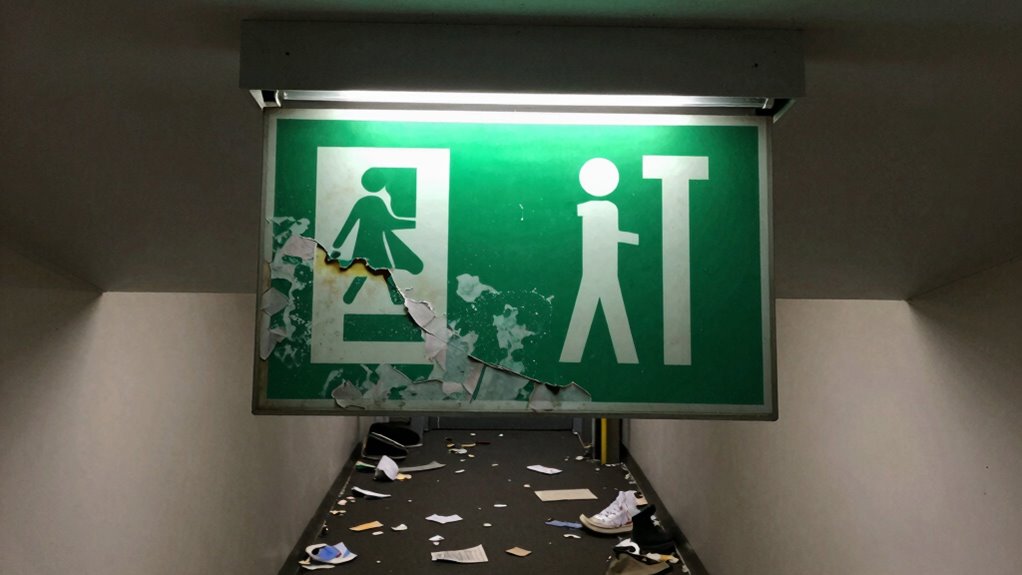
Many families overlook essential escape route details that can make a difference during an emergency. When you think about safety, your mind might focus on securing the house or having a fire extinguisher nearby, but the specifics of your escape route are just as critical. One common oversight is neglecting to review and practice fire drill procedures regularly. Knowing exactly what to do when smoke or flames fill your home can mean the difference between a quick escape and a dangerous delay. It’s not enough to have an escape plan on paper; you need to walk through it with everyone in your family, so they understand the route and what to do if an emergency strikes.
Another often-missed detail is the importance of an emergency contact plan. During a crisis, your family needs clear instructions on whom to call and where to meet. If your children or other family members don’t know how to reach each other or trusted neighbors, chaos can ensue. Make sure everyone has a list of emergency contacts easily accessible — stored in wallets, on phones, or posted near exits. Practice updating and reviewing this list regularly, especially if numbers or contacts change. Additionally, understanding escape route planning is essential for ensuring everyone is prepared for different scenarios.
The escape route itself isn’t just about choosing a path out of the house. You should also consider alternative routes, especially if the primary escape is blocked or unsafe. Think about windows, back doors, or even nearby neighbors’ yards as potential exits. When you’re practicing fire drill procedures, include these alternatives so everyone knows what to do if the usual route is compromised. This preparation saves precious seconds during an actual emergency. Regularly inspecting the escape routes ensures that furniture or other obstructions don’t inadvertently block an exit when you need it most.
Lighting and obstacles also matter. During a fire or power outage, your escape routes should be well-lit or easy to navigate in the dark. Clear away clutter from hallways and stairwells, and make sure windows and doors open smoothly. Test all escape routes periodically to guarantee they remain accessible and functional. Sometimes, furniture or other items shift, blocking an exit, so regular checks are essential.
Finally, document your plan clearly and verify every family member understands it. Keep a copy of your fire drill procedures and emergency contact plans accessible near exits or in common areas. When everyone knows exactly what to do, where to go, and who to call, you reduce panic and confusion. During an emergency, your calm, practiced response can be the key to keeping everyone safe. Don’t overlook these essential details — they could save lives.
Frequently Asked Questions
How Often Should Escape Routes Be Reviewed With the Family?
You should review escape routes with your family at least every six months. Regular escape route planning helps guarantee everyone remembers the safest paths and procedures. Conducting family evacuation drills during these reviews makes them more effective, allowing you to identify and fix any issues. Consistent practice keeps your family prepared, minimizes panic, and ensures everyone knows what to do quickly in an emergency.
What Are Common Overlooked Escape Route Hazards at Home?
You often overlook hazards like clutter blocking exits, unsecured furniture, or slippery rugs that can hinder fire safety and emergency planning during an escape. Make certain escape routes are clear and well-lit, and check for potential obstacles regularly. Remember, small hazards can cause big delays in emergencies. By identifying and fixing these overlooked dangers, you guarantee a safer, quicker evacuation for everyone in your home.
How Can Children Be Effectively Trained on Escape Procedures?
Think of fire drills as the compass guiding children through danger’s maze. You can train them effectively by turning escape procedures into fun, memorable routines, like a game of “fire drill race.” Repetition cements their child safety skills, making them confident. Keep drills consistent, praise their efforts, and explain hazards clearly. This way, when danger strikes, they’ll navigate escape routes instinctively, turning chaos into calm.
Are There Legal Requirements for Escape Route Signage?
Yes, there are legal requirements for escape route signage. You need to guarantee signage is visible during fire drills and clearly indicates escape routes, even in low light or smoke conditions. Regulations typically mandate that signs be illuminated or glow in the dark for visibility. Regularly check and maintain signage to guarantee it remains visible, so everyone can quickly find their way out during an emergency, reducing confusion and increasing safety.
What Emergency Supplies Should Be Kept Along Escape Routes?
Along your escape routes, you should stash essential supplies like fire-resistant doors and emergency lighting, guiding you through darkness and danger. Keep fire extinguishers, first aid kits, and flashlights ready, so your path remains clear and safe. These supplies act like guardians, lighting your way and blocking flames, ensuring your escape stays smooth and swift. Properly stocked routes become arteries of safety, beating strong in emergencies.
Conclusion
Remember, knowing your escape route isn’t just about safety—it’s about saving lives. Imagine a family in a fire, calmly following their pre-planned exit, avoiding chaos and danger. Without this essential step, panic could lead to tragedy. Take the time to review and practice your escape plan regularly. When every second counts, confidence in your route can make all the difference. Stay prepared, stay safe, and make sure your loved ones know the way out.
Fall Picks
fall essentials
As an affiliate, we earn on qualifying purchases.