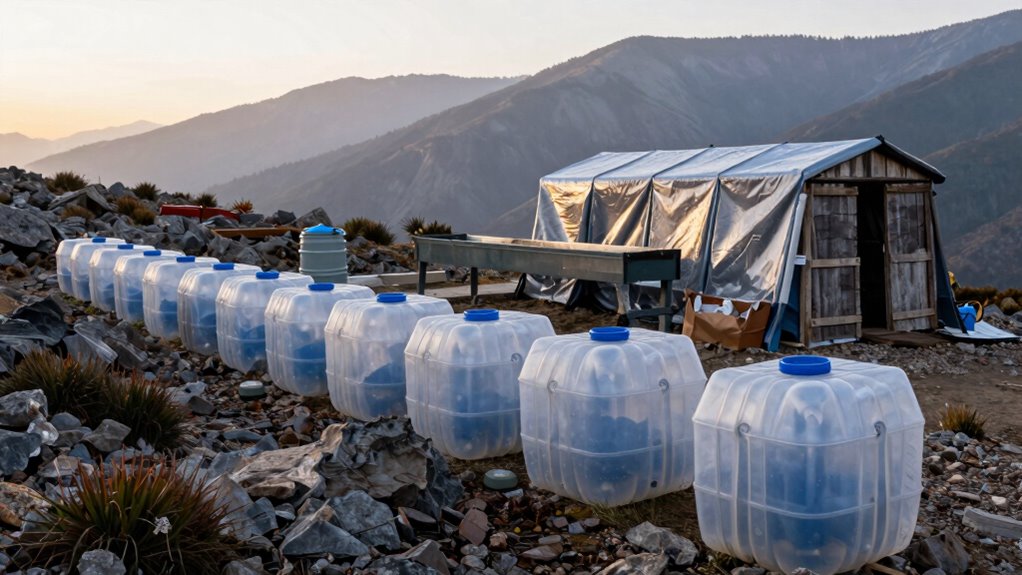
Emergency water planning goes beyond just storing water because relying on stored supplies alone is risky if they run out or become contaminated. You need to include water purification methods, like boiling or using filters, to stay safe. Diversifying your sources—like collecting rainwater or tapping into natural supplies—adds resilience. By understanding these strategies, you’ll be better prepared for any crisis. Keep exploring to discover how combining these approaches strengthens your emergency readiness.

Get school and study supplies delivered free — and shop member deals
- Fast, free delivery on millions of items
- Access to Prime Big Deal Days deals on October 6–7
- Prime Video, Amazon Music and more included
Key Takeaways
- Relying solely on stored water risks depletion or contamination during prolonged crises.
- Effective planning includes water purification techniques, not just storage.
- Diversifying water sources enhances resilience against disruptions and reduces dependence on a single supply.
- Understanding water quality and source vulnerabilities ensures safe consumption during emergencies.
- A layered approach combining storage, purification, and source diversification provides comprehensive water security.
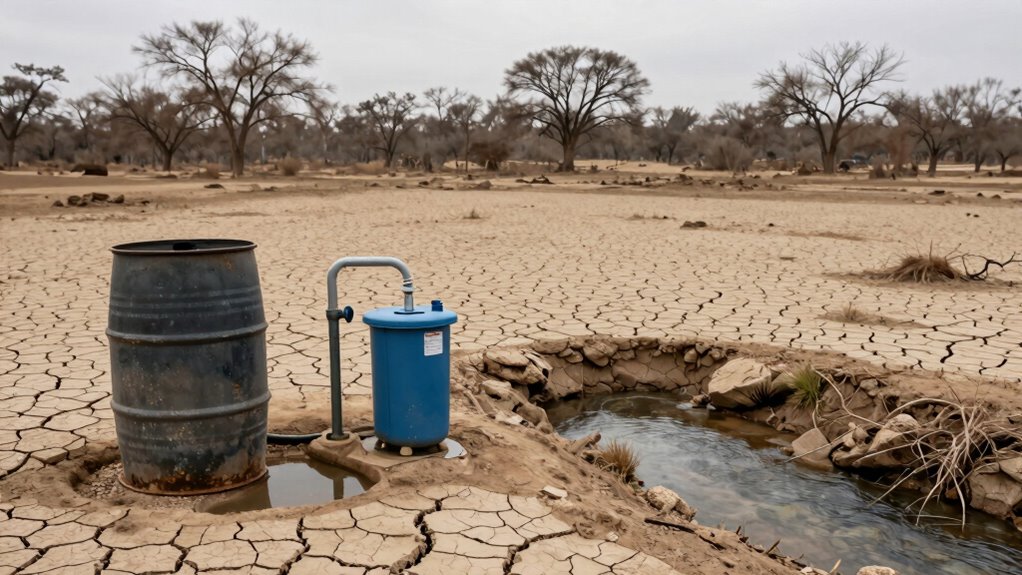
Have you ever considered what you’d do if your water supply suddenly became unavailable? It’s a question that may not cross your mind until a crisis hits, but it underscores the importance of more than just storing bottled water. Emergency water planning requires a proactive approach that includes strategies like water purification and supply diversification. Relying solely on stored water can be risky because supplies can run out, become contaminated, or be inaccessible during a disaster. That’s why understanding how to purify water—whether through boiling, chemical treatments, or filtration systems—can make the difference between staying healthy and falling ill. Different situations demand different methods; boiling water effectively kills most pathogens, while chemical disinfectants like iodine or chlorine tablets offer quick solutions. Portable filtration devices can help when access to clean water sources is limited. Developing these skills ensures you can turn potentially contaminated water into safe drinking water, reducing your reliance on stored supplies alone. Knowing how to assess water quality is crucial for determining which purification method to use in various scenarios.
Supply diversification is another vital aspect that often gets overlooked. It involves creating multiple, reliable sources of water so you’re not dependent on just one. For example, aside from storing tap water, you might collect rainwater, use a well, or tap into nearby streams—after proper treatment, of course. Having access to various sources means you can adapt quickly if one becomes compromised. It also spreads the risk, making your overall water plan more resilient. Think about installing rain barrels or a small filtration system for natural sources, and ensure you have backup plans like portable water containers or access to community resources. Incorporating biodiversity into your water sources, such as natural water bodies, can also enhance resilience by providing additional options. Being aware of potential water source vulnerabilities helps you better prepare for unexpected disruptions. Recognizing the importance of water quality is essential for maintaining health during emergencies, as contaminated water can lead to serious illness. Additionally, understanding the different types of water contamination can help you select the most effective purification method in a crisis.
Emergency water planning isn’t just about stockpiling bottles; it’s about creating a layered approach that combines supply diversification with effective water purification methods. This approach ensures that if your primary source becomes unusable, you won’t be left vulnerable. It’s about staying prepared for a range of scenarios, from temporary outages to long-term disruptions. By expanding your knowledge and resources, you’re taking control of your safety and health—rather than leaving it to chance. The key is to think ahead, diversify your sources, and master water purification techniques so that, no matter what happens, you’ll have safe water when you need it most.
portable water filtration system
As an affiliate, we earn on qualifying purchases.
As an affiliate, we earn on qualifying purchases.
Frequently Asked Questions
How Often Should Emergency Water Supplies Be Rotated or Replenished?
You should rotate or replenish your emergency water supplies every six months. Regular container maintenance is essential to prevent bacteria growth and leaks. Use clean, food-grade containers and follow storage tips like keeping water in a cool, dark place. Periodically check for cracks or discoloration, and refill with fresh water during your rotation. This guarantees your supplies remain safe and ready for any emergency.
What Are the Best Methods for Purifying Contaminated Water?
Ever wonder how to make contaminated water safe? You should use water filtration systems like portable filters or boiling methods to remove particles and pathogens. Chemical treatment, such as adding iodine or chlorine tablets, effectively kills bacteria and viruses. Combining these methods offers the best protection, ensuring your water is safe to drink in emergencies. Always follow instructions carefully to maximize safety and effectiveness.
How Can I Calculate My Household’s Daily Water Needs?
To calculate your household’s daily water needs, consider each person’s water quality requirements for drinking, cooking, and hygiene. Generally, allocate about 1 gallon per person per day for drinking and cooking, and add extra for hygiene and cleaning. Use storage containers to keep your water supply fresh and organized. Remember, estimating accurately guarantees you have enough water during emergencies and helps you plan your storage effectively.
What Legal Regulations Exist for Emergency Water Storage?
Legal laws limit, label, and list storage regulations, ensuring safety and sustainability. You must comply with local, state, and federal regulations for emergency water storage, including proper container standards, labeling, and maximum capacities. Regularly review legal compliance to avoid fines or health hazards. Staying informed about legal regulations helps you stay prepared, protecting your household and community while ensuring your emergency water storage remains lawful, safe, and sustainable.
How Do Weather Patterns Affect Emergency Water Planning?
Weather patterns, especially climate variability, directly impact your emergency water planning. Drought resilience becomes essential as prolonged dry spells reduce water availability. You need to account for unpredictable rainfall and temperature fluctuations that can worsen water shortages. By understanding these patterns, you can develop more adaptable strategies, such as diversified water sources and conservation measures, ensuring you’re better prepared for climate-driven disruptions and maintaining a reliable water supply during emergencies.
emergency water purification tablets
As an affiliate, we earn on qualifying purchases.
As an affiliate, we earn on qualifying purchases.
Conclusion
Remember, emergency water planning isn’t just about filling tanks; it’s about building a resilient shield around your community. Think of it as tending a garden—you need diverse, well-thought-out strategies to guarantee survival when droughts or disruptions strike. By understanding the full scope beyond simple storage, you can turn a fragile lifeline into a robust safety net. Stay prepared, stay adaptable, and keep your water plan as dynamic as the challenges it’s meant to face.
As an affiliate, we earn on qualifying purchases.
As an affiliate, we earn on qualifying purchases.
Halloween Picks
halloween
As an affiliate, we earn on qualifying purchases.