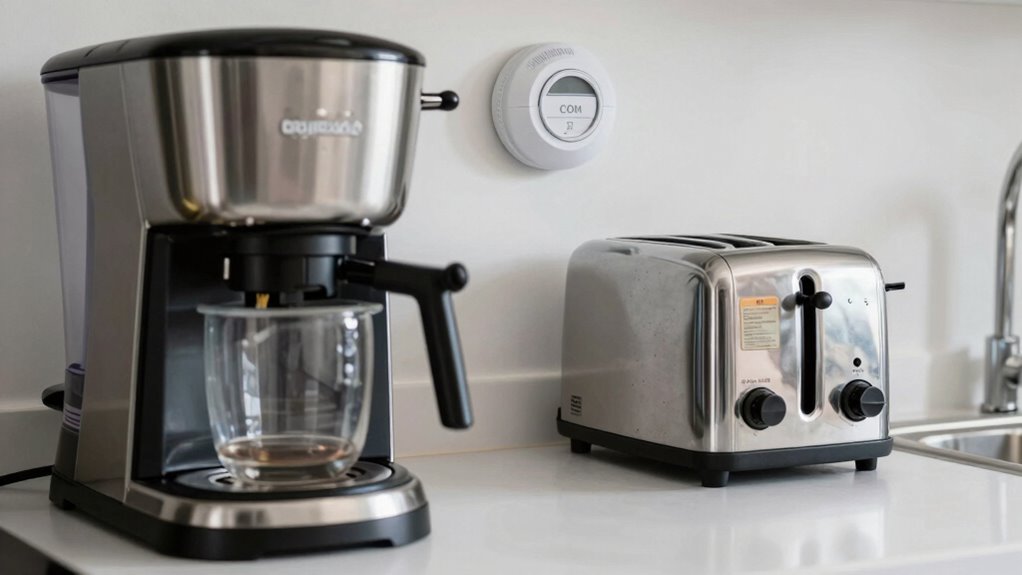

Your safety from carbon monoxide starts with being aware of your appliances. Gas stoves, furnaces, water heaters, and outdoor equipment can produce CO if not properly maintained or vented. Poor ventilation or appliance issues can lead to dangerous buildup. Regular inspections, maintenance, and installing CO detectors are essential for protection. Staying alert to signs of trouble helps prevent silent poisoning. If you want to understand how to keep your home safer, there’s more to learn about preventing CO risks effectively.

Prime made for students and young adults
- Fast, free delivery for dorm and study essentials
- Prime Video and Amazon Music included
- Member-only deals
Key Takeaways
- Awareness of appliances that produce CO helps prevent unsafe indoor emissions.
- Proper maintenance ensures appliances vent gases safely, reducing CO risk.
- Recognizing signs of appliance issues allows for timely repairs and hazard prevention.
- Understanding appliance use promotes safe practices, like avoiding indoor outdoor equipment.
- Regular inspection and detector use provide critical early warnings of CO presence.
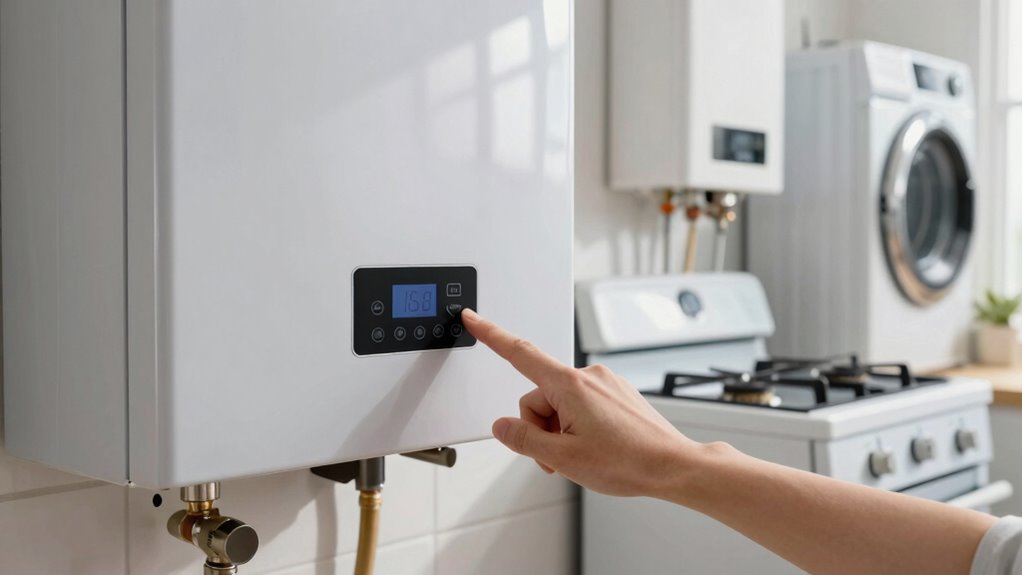
Carbon monoxide (CO) poisoning can happen silently and quickly if you’re not aware of the appliances that produce it. You might not notice the danger until symptoms like headaches, dizziness, or nausea appear, which makes prevention even more critical. Understanding which appliances emit CO and how to keep its levels safe is essential. Proper indoor ventilation plays a vital role here, as it helps dilute any CO that might build up. When you use appliances such as gas stoves, furnaces, water heaters, or generators, ensure they are correctly maintained and vented outdoors. Poor ventilation can cause CO to accumulate indoors, especially in enclosed or poorly ventilated spaces, increasing your risk of poisoning.
One of the most effective ways to protect yourself is installing carbon monoxide detectors throughout your home. These detectors act as early warning systems, alerting you before CO levels become dangerous. Place detectors near sleeping areas and on every level of your home, especially close to appliances that produce CO. Regularly testing these devices ensures they work properly, and changing their batteries as needed guarantees they’ll be ready when you need them most. Remember, CO cannot be smelled or seen, so reliance solely on your senses isn’t enough—detectors are your best line of defense.
You should also develop a routine for appliance maintenance. Having a professional inspect your heating system, water heater, and other fuel-burning appliances annually can catch potential issues before they become hazardous. Never ignore strange smells, unusual noises, or pilot light problems, as these could be signs of CO production or ventilation issues. These ventilation problems can lead to dangerous CO buildup if not addressed promptly. Keeping your living space well-ventilated and understanding the importance of appliance safety can significantly reduce risks. Proper appliance maintenance and regular inspections are essential to prevent CO accumulation. If you suspect an appliance isn’t venting properly, turn it off immediately and contact a professional. Additionally, avoid using outdoor appliances like grills or generators indoors or in enclosed spaces, as they produce high levels of CO rapidly. Proper appliance maintenance is crucial for preventing CO buildup. Being aware of the signs of CO poisoning can also help you take swift action if needed.
Your awareness about indoor ventilation and the importance of working CO detectors directly impacts your safety. By ensuring proper ventilation, maintaining appliances, and installing detectors, you create a layered safety approach. This proactive attitude reduces your risk of silent CO build-up and provides peace of mind. Remember, CO safety isn’t just about having the right devices—it’s about understanding your appliances and how to keep the air inside your home safe. Staying informed and vigilant can prevent tragedy and keep you and your loved ones protected around the clock.
carbon monoxide detector with digital display
As an affiliate, we earn on qualifying purchases.
As an affiliate, we earn on qualifying purchases.
Frequently Asked Questions
How Often Should I Have My Appliances Inspected for Safety?
You should have your appliances inspected annually to guarantee safety. Regular appliance maintenance is essential for preventing carbon monoxide leaks. Use safety checklists to confirm that all components are functioning properly and to identify potential issues early. Scheduling these inspections keeps your home safe, reduces the risk of dangerous CO buildup, and extends the lifespan of your appliances. Don’t wait—annual safety checks are a simple step toward peace of mind.
Can New Appliances Still Pose Carbon Monoxide Risks?
Yes, new appliances can still pose carbon monoxide risks if not properly maintained. Regular appliance maintenance guarantees they burn fuel efficiently and safely. You should also install CO detectors near sleeping areas and on each level of your home, replacing batteries annually and testing them monthly. Even new appliances need routine checks, so stay vigilant, and always prioritize proper appliance care and detector placement to keep your home safe from CO hazards.
Are There Specific Brands Known for Safer Appliances?
Certain brands are known for safer appliances because of their strong reputation and safety certifications. You should look for brands with high safety standards, verified by organizations like UL or ETL. These brands often prioritize quality, reduce CO risks, and include safety features. By choosing appliances from reputable brands with proper safety certifications, you enhance your home’s safety and minimize carbon monoxide hazards effectively.
What Signs Indicate a Carbon Monoxide Leak From Appliances?
Imagine a faint, rotten odor lingering near your appliance; that’s a warning sign. You might notice yellow or orange flames instead of blue, or soot buildup around vents. If you feel dizzy, nauseous, or experience headaches, it’s time for appliance maintenance and to check for carbon monoxide detection. These subtle signs can save lives, so stay vigilant for any unusual smells, sounds, or symptoms indicating a CO leak.
How Does Appliance Age Affect CO Safety Risks?
As your appliances age, their appliance lifespan decreases, increasing the risk of carbon monoxide leaks. Older appliances are more prone to malfunctions and less efficient combustion, which can produce dangerous CO. That’s why maintenance importance becomes crucial; regular inspections and timely repairs help guarantee safety. By staying aware of your appliance’s age and maintaining it properly, you reduce CO risks and protect your household from potential poisoning hazards.
gas appliance venting inspection kit
As an affiliate, we earn on qualifying purchases.
As an affiliate, we earn on qualifying purchases.
Conclusion
By staying aware of your appliances and their proper use, you’re holding the keys to a safer home. Think of appliance safety as the backbone of CO prevention—without it, everything can come crashing down like a house of cards. Keep informed, maintain your appliances, and never ignore warning signs. Remember, being proactive is your best defense—because when it comes to carbon monoxide, awareness isn’t just power; it’s your lifeline.
home appliance maintenance tools
As an affiliate, we earn on qualifying purchases.
As an affiliate, we earn on qualifying purchases.
As an affiliate, we earn on qualifying purchases.
Columbus Day / Indigenous Peoples' Day Picks
long weekend sales
As an affiliate, we earn on qualifying purchases.