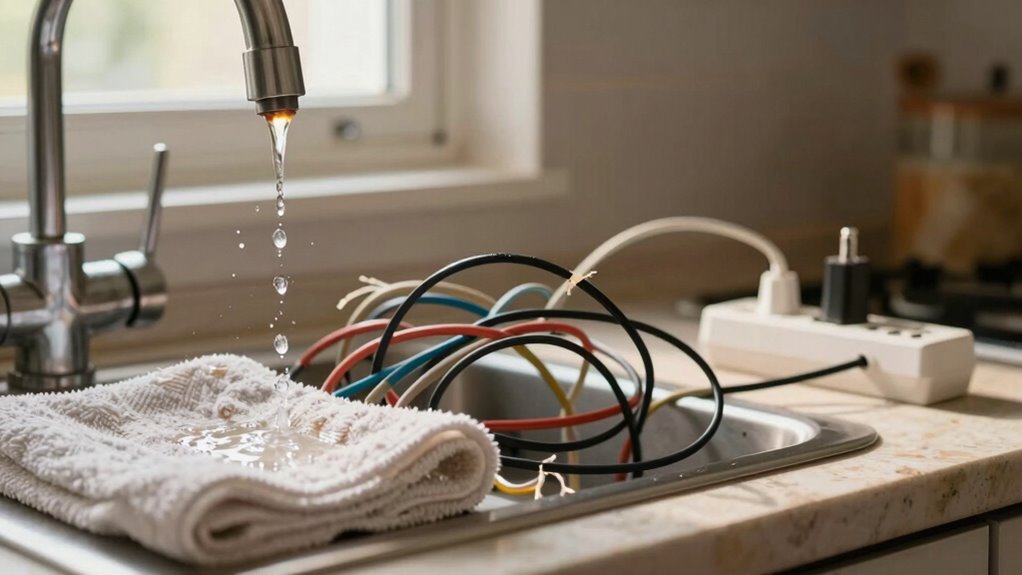

The two main causes of home emergencies are electrical failures and plumbing leaks. Electrical issues like power outages, flickering lights, and faulty wiring can lead to fires or electrical shocks if not handled promptly. Plumbing problems, such as leaks or clogs, can cause water damage and mold growth. Staying aware of these risks helps you prevent costly repairs and safety hazards, and if you keep exploring, you’ll find simple ways to protect your home.

Prime made for students and young adults
- Fast, free delivery for dorm and study essentials
- Prime Video and Amazon Music included
- Member-only deals
Key Takeaways
- Electrical malfunctions like circuit overloads and faulty wiring are leading causes of home emergencies.
- Plumbing issues such as leaks and clogs often result in water damage and structural problems.
- Electrical failures pose fire risks, especially from shorts and improper wiring.
- Hidden plumbing leaks can cause mold growth and costly repairs if not promptly addressed.
- Lack of maintenance and inspections increases vulnerability to both electrical and plumbing emergencies.
electrical circuit breaker tester
As an affiliate, we earn on qualifying purchases.
As an affiliate, we earn on qualifying purchases.
Electrical Failures and Malfunctions

Have you ever experienced a sudden power outage or flickering lights? These issues often stem from electrical failures or malfunctions in your home. Circuit overloads happen when too many devices draw power simultaneously, causing the circuit breaker to trip and cutting off electricity. Faulty wiring is another common culprit, which can lead to shorts, sparks, or even fires. If wiring isn’t properly installed or becomes damaged over time, it creates a dangerous situation that needs immediate attention. These problems not only disrupt your daily routine but also pose safety risks. Regular inspections and proper maintenance can help prevent these issues from escalating. Understanding electrical system safety and proper troubleshooting can further reduce the risk of accidents. Proper electrical wiring installation and ongoing care are essential to prevent dangerous malfunctions. Additionally, load management strategies can help prevent circuit overloads and ensure your electrical system operates safely. Being aware of potential hazards related to electrical systems can help you take proactive steps to safeguard your home. For example, implementing preventative maintenance practices can help identify issues before they become emergencies. Always address electrical concerns promptly to keep your home safe and functioning smoothly.
As an affiliate, we earn on qualifying purchases.
Plumbing Issues and Leaks

Electrical issues can disrupt your home’s comfort and safety, but plumbing problems can be just as urgent. Pipe clogs are a common culprit, causing slow drainage or backups that can lead to water damage if not addressed quickly. You might notice your water pressure suddenly drops or fluctuates, signaling a hidden leak or blockage. Leaks can occur behind walls or under sinks, risking mold growth and structural damage. Ignoring these issues can escalate into costly repairs or health hazards. Regularly inspect your plumbing for signs of trouble, like gurgling sounds or damp patches. When you detect a pipe clog or water pressure problem, don’t delay—call a professional to fix the issue before it worsens. Acting promptly can save you time, money, and stress. Proper home maintenance and troubleshooting can help prevent minor issues from becoming major emergencies. Additionally, incorporating water filtration systems can help reduce mineral buildup that contributes to clogs and extend the lifespan of your pipes. Utilizing advanced plumbing diagnostics can also identify hidden issues early, preventing more extensive damage. Understanding homeowner resources and seeking professional advice can further assist in maintaining your plumbing system effectively.
electrical wiring inspection kit
As an affiliate, we earn on qualifying purchases.
As an affiliate, we earn on qualifying purchases.
Frequently Asked Questions
How Can I Prevent Electrical Fires in My Home?
To prevent electrical fires in your home, prioritize fire safety and electrical maintenance. Regularly inspect cords, outlets, and appliances for damage or fraying, and replace them immediately. Avoid overloading circuits and unplug devices when not in use. Keep flammable materials away from electrical sources, and consider installing smoke detectors and a fire extinguisher. Staying vigilant with fire safety practices and routine electrical checks greatly reduces your risk of fire emergencies.
What Are Signs of Hidden Plumbing Leaks?
Think of your plumbing as a silent river, quietly running beneath your home. Signs of hidden leaks include unexplained water spots, mold growth, or a sudden increase in water bills. Check for pipe corrosion or hidden drips under sinks or behind appliances. These subtle clues suggest trouble lurking behind walls, so stay vigilant. Addressing these early prevents water damage and costly repairs down the line.
How Often Should Electrical Wiring Be Inspected?
You should have your electrical wiring inspected at least every 3 to 5 years to guarantee circuit safety and prevent hazards. Regular wiring maintenance helps identify potential issues like frayed wires or overloaded circuits before they cause emergencies. If you notice flickering lights, burning smells, or sparks, schedule an inspection immediately. Staying on top of wiring checks keeps your home safe, reduces fire risks, and prolongs the lifespan of your electrical system.
What Tools Are Best for Detecting Plumbing Leaks?
For leak detection and pipe inspection, you should use tools like a moisture meter, ultrasonic leak detector, or thermal imaging camera. These tools help identify hidden leaks behind walls or under floors without invasive measures. A moisture meter detects dampness, while ultrasonic detectors listen for the sound of leaks. Thermal imaging cameras visualize temperature differences, pinpointing leaks quickly. Regular use of these tools can prevent major plumbing emergencies.
Can Overloaded Circuits Cause Home Fires?
Imagine you’re in a noir film, but instead of a detective, you’re worried about your home. Yes, overloaded circuits can definitely cause electrical fires. When you plug too many devices into one circuit, it overheats, risking sparks and fires. To keep your home safe, avoid circuit overloads by spreading out your electronics and using proper surge protectors. Stay vigilant—your safety depends on it, and no one wants a vintage fire to ruin the fun.
As an affiliate, we earn on qualifying purchases.
Conclusion
To keep your home safe, stay vigilant about electrical failures and plumbing issues—they’re responsible for most emergencies. Did you know that nearly 50% of house fires start due to electrical problems? Regular inspections and prompt repairs can markedly reduce your risk. By taking these simple steps, you protect your loved ones and save money in the long run. Stay proactive, and your home will remain a safe, secure haven.
Fall Picks
fall essentials
As an affiliate, we earn on qualifying purchases.