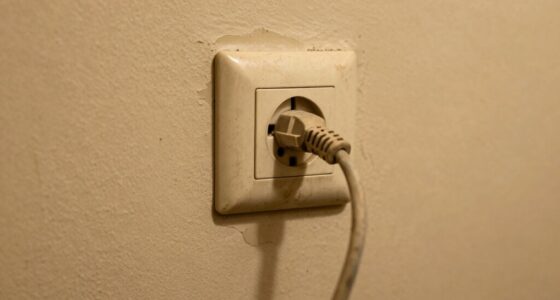
Childproofing that truly works involves understanding your child’s developmental needs, customizing safety measures for your home, and creating safe spaces for exploration. Focus on proactive routines like regular inspections, clear safety rules, and working closely with caregivers to maintain consistency. Instead of relying only on products, use practical strategies like securing furniture and removing hazards. Keep safety ongoing, stay informed, and adapt as your child grows—if you want to learn more, there’s plenty to explore ahead.
Key Takeaways
- Conduct routine home inspections to identify hazards before accidents happen, rather than relying solely on safety products.
- Educate children and caregivers continuously about safety rules using visual aids and storytelling to build awareness.
- Tailor safety measures to your specific home environment, considering layout, high-traffic areas, and potential hazards.
- Establish consistent safety routines among all caregivers to ensure ongoing, unified safety practices.
- Focus on proactive risk reduction through practical strategies like removing small objects and securing furniture, not just safety gadgets.

Regalo Safety 29-38.5" Baby Gate for Doorways & Bottom of Stairs, Pressure Mounted Baby Gate with Door for Babies, Toddlers & Pets, Tested & Safe for 30 Years, American Designed, American Owned, White
✅ TESTED & TRUSTED BABY SAFETY GATE FOR OVER 30 YEARS: Parent-trusted baby safety product certified by the…
As an affiliate, we earn on qualifying purchases.
As an affiliate, we earn on qualifying purchases.
Know Your Child’s Developmental Safety Needs

Understanding your child’s developmental stage is essential for effective childproofing. As your child grows, their curiosity, abilities, and risks change, impacting safety needs. Knowing the typical child development milestones helps you anticipate what they might explore or reach for next. For example, a toddler learning to walk may pull objects down or stumble into hazards, while an older child might start climbing or opening cabinets. Recognizing these safety milestones ensures you implement appropriate measures at each stage. It’s not just about preventing accidents but also supporting safe exploration. By staying informed about your child’s developmental progress, you can adapt your safety strategies proactively, creating a safer environment that encourages growth and discovery without unnecessary hazards. Incorporating offensive security principles into your childproofing approach helps you stay one step ahead of potential hazards before they happen.

Booda Brand Furniture Anchors (10 Pack) for Baby Proofing, Furniture Straps Anti Tip Furniture Anchor Securing 400 lbs/Keep Baby Pet Safety from Falling Furniture, Metal White Earthquake Straps
CHILD SAFETY: Nothing is more important than living in a safe place. The furniture anchors will secure your…
As an affiliate, we earn on qualifying purchases.
As an affiliate, we earn on qualifying purchases.
Tailor Safety Measures to Your Home
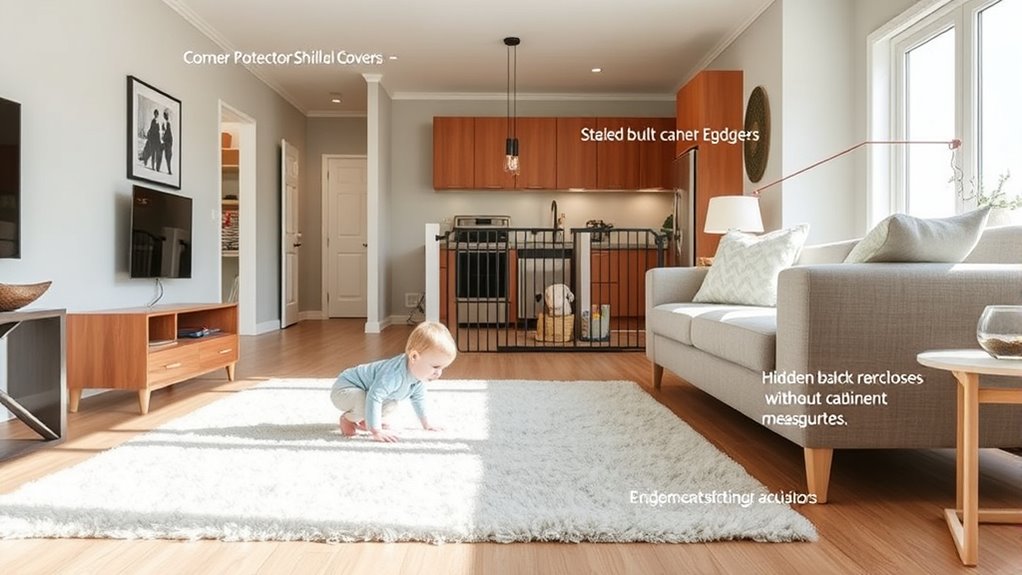
Every home is unique, so childproofing measures should be customized to fit your space. Start by evaluating your home layout, noting high-traffic areas and potential hazards. Identify emergency exits and ensure they remain accessible and unobstructed, so you can quickly evacuate if needed. Consider the placement of furniture, electrical outlets, and sharp objects, adjusting safety barriers and covers accordingly. For homes with multiple levels, prioritize stair gates and secure railings. Think about how your child moves through your space and tailor safety measures to protect vulnerable areas. Remember, a one-size-fits-all approach doesn’t work. By understanding your home’s specific layout and emergency routes, you can implement targeted safety measures that are both effective and seamless. Effective safety measures are tailored to your home environment to better protect your children.

Safety 1st Electrical Outlet Baby Proof Covers, Secure Outlet Plugs, Baby Proofing, 36 Count
CHILD PROOF YOUR HOME: Keep sharp objects and curious fingers from electrical outlets with Safety 1st's baby-proofing outlet…
As an affiliate, we earn on qualifying purchases.
As an affiliate, we earn on qualifying purchases.
Create Safe Spaces for Kids to Explore
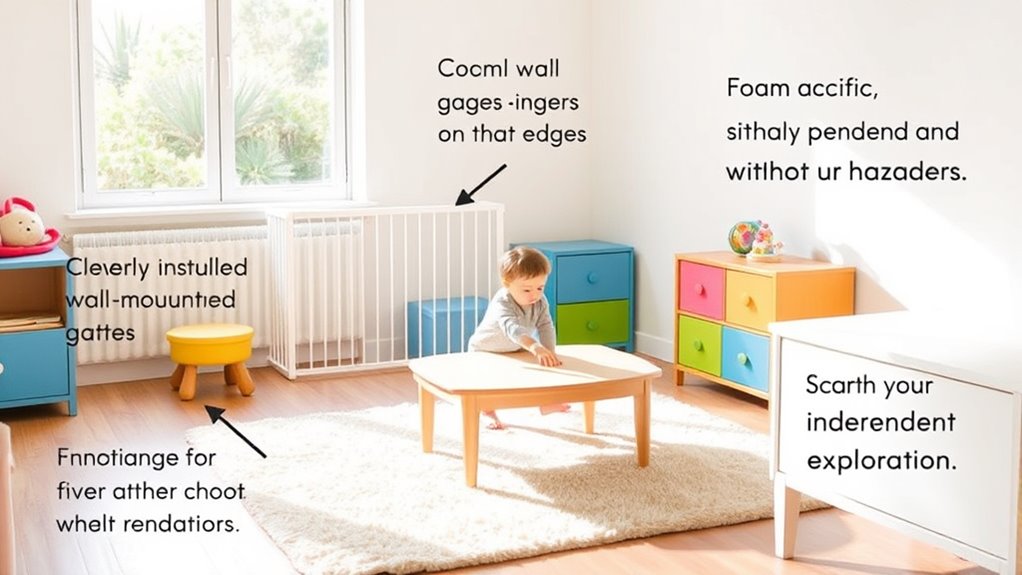
Once you’ve tailored safety measures to your home’s layout, the next step is to create designated areas where your child can explore freely and safely. Focus on setting up spaces that encourage child-led exploration, allowing your little one to investigate at their own pace. Incorporate sensory zones filled with textures, colors, and objects that stimulate their senses and promote learning. Use soft mats or cushioned areas to prevent injuries during active play. Keep these zones organized and free from hazards, so your child feels confident and secure to explore independently. Maintaining simple systems for organization helps ensure these safe areas stay clutter-free and functional, supporting your child’s curiosity and development while giving you peace of mind, knowing your child can learn and discover without unnecessary risks.

Onyoloy Sensory Floor Tiles 9PCS – Liquid Play Mats for Kids Toddlers (3-7Y), Non-Toxic Lava Tiles for Home & Classroom, Waterproof Colorful Sensory Toys for Autism, Gross Motor Development
【Sensory Fun Liquid Play Mats for Kids】 Each 12-inch x 12-inch sensory play mat creates a captivating flowing…
As an affiliate, we earn on qualifying purchases.
As an affiliate, we earn on qualifying purchases.
Use Practical Strategies to Childproof Without Gadgets
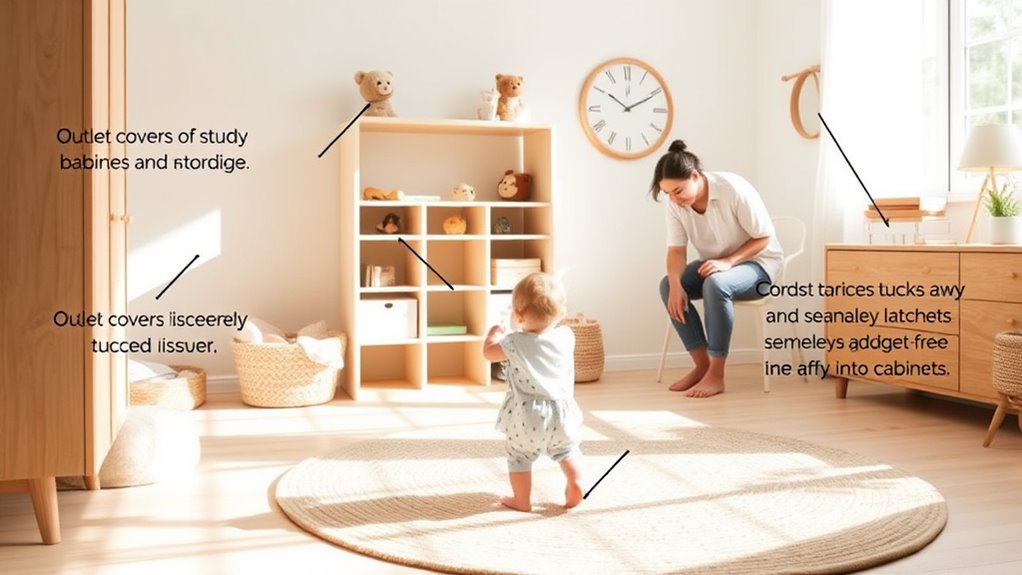
You can effectively childproof your home using practical strategies that don’t rely on gadgets. Many childproofing myths suggest that only expensive devices keep kids safe, but safety obstacle methods often work better. Focus on removing hazards and creating safe zones instead of relying solely on barriers or locks. For example, keep small objects out of reach, use furniture anchors to prevent tipping, and store chemicals out of sight. These straightforward tactics address common dangers without adding clutter or false security. By understanding that safety isn’t about gadgets alone, you can develop a proactive approach that reduces risks naturally. Practical strategies empower you to create a safer environment, giving your child freedom to explore while minimizing accidents caused by overlooked hazards. Additionally, understanding the horsepower of electric dirt bikes can help you assess potential risks associated with powerful toys and adjust safety measures accordingly.
Teach Safety Rules and Build Awareness
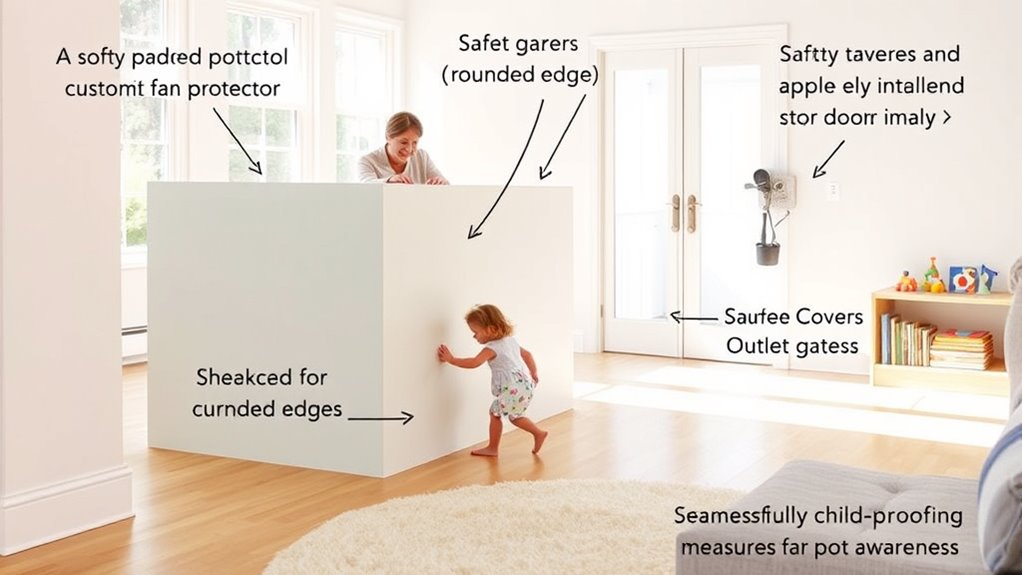
Talking with your child regularly about safety helps them understand important rules. Use clear visuals to reinforce these lessons and make them memorable. Practice safety behaviors together so they know what to do in real situations. Incorporating modern kitchen technology can also enhance safety by providing smart appliances that alert you to hazards.
Consistent Safety Conversations
Consistent safety conversations are essential for helping children understand and remember safety rules. When you use parent storytelling, you make safety lessons relatable and memorable, helping your child grasp important concepts. Share real-life examples or past experiences to reinforce safety messages, making them more meaningful. Safety myth busting is also vital; address misconceptions your child might have, like thinking certain hazards aren’t dangerous. By regularly talking about safety, you create an open environment where your child feels comfortable asking questions and discussing concerns. These ongoing conversations build awareness and confidence, empowering your child to make safe choices independently. Remember, safety isn’t a one-time talk—it’s a continuous dialogue that shapes your child’s understanding and habits over time. Incorporating childproofing techniques into your routine can further reinforce these lessons and ensure a safer environment.
Use Clear Visuals
Using clear visuals is a powerful way to teach safety rules and boost your child’s awareness. Visual aids like safety diagrams help children understand hazards without complicated explanations. Show them simple images of what to avoid, such as hot stoves or sharp objects. Use safety diagrams to illustrate proper behaviors, like wearing a helmet or crossing at a crosswalk. These visuals make abstract concepts concrete, helping your child remember important safety tips. Keep visuals colorful, simple, and age-appropriate so they catch your child’s attention. Reinforcing safety lessons with visuals fosters recognition and understanding, making safety habits more instinctive. Incorporating Free Floating concepts into your visuals can help create a more natural and intuitive understanding of safety environments. By consistently incorporating clear visuals into your safety conversations, you create a visual language that empowers your child to identify dangers independently.
Reinforce Through Practice
Practicing safety rules regularly helps children internalize important habits and build awareness of potential hazards. Your patience is key here; children need consistent reminders and gentle correction to develop good habits. Repetition reinforces safety behaviors and transforms them into routines, making hazards less intimidating and more manageable. When you calmly demonstrate and practice safety rules, your child begins to understand the importance of cautious behavior. This habit formation takes time, so stay persistent and encouraging. By consistently reinforcing safety messages through practice, you create an environment where safety becomes second nature. Over time, your child’s awareness grows, and they become more confident in handling risks safely. Incorporating scenic views into your outdoor activities can also help children observe their environment more carefully and develop a heightened sense of awareness. Remember, steady, patient reinforcement is more effective than quick fixes or products alone.
Keep Your Home Safe With Regular Checks

Regularly inspecting your home is essential to keep it safe for your little ones. Conducting routine home inspections helps you identify potential hazards before accidents happen. Use safety checklists to ensure you don’t overlook key areas, like stair railings, electrical outlets, and locking cabinets. Make a habit of walking through your home with a critical eye, checking for loose fixtures, exposed cords, or clutter that could cause falls. Don’t forget to review your safety measures periodically, especially after renovations or new furniture. Keeping your home safe requires ongoing diligence; a quick, thorough check every few weeks can make a big difference. Being aware of fire safety features and ensuring they are functioning properly is also vital for comprehensive childproofing. Staying proactive with regular inspections guarantees your environment remains secure, giving you peace of mind and your child a safer space to grow.
Work With Caregivers for Consistent Child Safety

You need to work closely with caregivers to keep safety consistent. Make sure everyone shares the same expectations and routines, so your child stays protected at all times. Regular communication helps prevent accidents and keeps safety measures on track. Establishing shared routines ensures that safety practices are maintained uniformly across all caregivers.
Align Safety Expectations
Have you ever wondered why children often find ways to get into trouble even when you think they’re safe? It’s because safety expectations vary among caregivers, leading to gaps in childproofing. To avoid safety misconceptions, align your expectations with everyone involved. Communicate clearly and agree on rules to prevent accidents. Be aware of common childproofing myths that might make you overconfident, such as believing locks are enough or that children won’t climb. Keep everyone on the same page by:
- Sharing safety goals regularly
- Explaining why certain hazards are off-limits
- Clarifying supervision roles
- Addressing safety myths directly
- Adjusting expectations as your child grows
Aligning safety expectations ensures consistency, reducing risks and creating a safer environment for your child.
Share Safety Routines
Establishing consistent safety routines across all caregivers is essential to keep children safe. When everyone follows the same procedures, it reduces confusion and ensures quick, effective responses during emergencies. Share clear guidelines for emergency preparedness, such as how to handle injuries or evacuations, so all caregivers are on the same page. Equally important is maintaining emotional safety; consistent routines help children feel secure and reduce anxiety. Talk regularly with caregivers about safety practices, emphasizing the importance of patience and reassurance. By working together to share routines, you create a unified environment that prioritizes both physical and emotional well-being. This teamwork fosters trust and helps children develop resilience, knowing they are supported by a consistent, safety-conscious community.
Communicate Regularly
Since consistent communication is key to child safety, maintaining open and regular dialogue with caregivers guarantees everyone stays informed and prepared. When you actively involve others, you foster a sense of shared responsibility and ensure safety routines are followed. Parental involvement and emotional support create a trustworthy environment where concerns are addressed promptly. To keep everyone on the same page, consider these strategies:
- Schedule regular safety check-ins
- Share updates about new hazards or changes
- Discuss emergency procedures openly
- Encourage caregivers to ask questions
- Reinforce safety routines with emotional support
Effective communication helps prevent accidents, builds confidence, and keeps safety a priority. By working together and staying connected, you create a consistent environment that truly safeguards your child’s well-being.
Frequently Asked Questions
How Can I Childproof Multi-Story Homes Effectively?
You can childproof your multi-story home effectively by implementing thorough safety measures. Start by installing safety gates at top and bottom stairways to prevent falls. Use outlet covers, secure furniture, and lock cabinets on every level. Regularly review and update your childproofing strategies, ensuring hazards are minimized across all floors. Keep emergency numbers handy and teach your child safety rules. This proactive approach ensures better home safety and peace of mind for you.
What Are Some Signs My Child Is Curious About Dangerous Items?
You’ll notice signs of child curiosity when your little one reaches for or examines objects they shouldn’t, like sharp tools or chemicals. They may stare at or try to grab dangerous items, showing awareness of their presence but not understanding the risks. Keep an eye out for their fascination with these objects, and reinforce dangerous item awareness through gentle guidance and safe exploration, helping them learn boundaries while satisfying their curiosity safely.
How Do I Encourage Safe Exploration Without Overprotection?
Think of your child’s curiosity as a garden needing gentle pruning, not fences. You can foster playful learning by providing age-appropriate supervision that guides exploration safely. Encourage them to touch, see, and learn within safe boundaries, making discovery exciting rather than risky. By balancing freedom with supervision, you help your child develop confidence and skills without overprotection, turning everyday moments into valuable learning opportunities.
What Safety Measures Are Essential During Travel or Outings?
During travel or outings, prioritize travel safety by keeping a close eye on your child and never leaving them unattended. Use outing precautions like a harness or wristband if needed, and always carry essentials such as a first aid kit, snacks, and water. Stay aware of your surroundings, choose safe, crowded areas, and establish clear boundaries. These steps help guarantee a safe, enjoyable experience for both you and your child.
How Can I Involve Children in Safety Routines Appropriately?
Think of safety routines as a game—making it fun keeps kids engaged. You involve children by giving them age-appropriate tasks, like choosing their safety gear or practicing crossing the street together. Use interactive safety methods, like role-playing or puzzles, so they learn actively. This approach not only builds good habits early but also helps them understand safety is a team effort, turning lessons into a shared adventure.
Conclusion
Childproofing isn’t just about gadgets—it’s about understanding your child’s growth and adapting your home accordingly. Think of it as planting a garden: as your child explores, you tend to their safety needs, creating a secure environment that encourages curiosity. With consistent checks and open communication, you build a protective barrier that evolves with them. When you actively care and adapt, safety becomes a natural part of your child’s world—like a sturdy, growing tree supporting their every step.