
Carbon monoxide symptoms are easy to miss because they’re subtle, often resembling common illnesses like the flu or a cold. Since the gas is odorless, colorless, and tasteless, you won’t notice it directly, and early signs like headaches, dizziness, or nausea can be dismissed or mistaken for something minor. Slow onset and overlapping symptoms often delay detection. Staying aware of environmental factors and possible signs can help, and if you keep exploring, you’ll discover how to better protect yourself.
Key Takeaways
- CO symptoms are nonspecific and resemble common illnesses, leading to misinterpretation or dismissal.
- Early signs are subtle, such as mild headaches or dizziness, which can easily be overlooked.
- Lack of detectable odor or color in CO prevents direct detection without specialized devices.
- Improper placement or malfunction of detectors can cause false negatives, delaying awareness.
- Gradual symptom development causes individuals to underestimate the severity and delay seeking help.
carbon monoxide detector with digital display
As an affiliate, we earn on qualifying purchases.
As an affiliate, we earn on qualifying purchases.
Why Carbon Monoxide Is So Hard to Detect
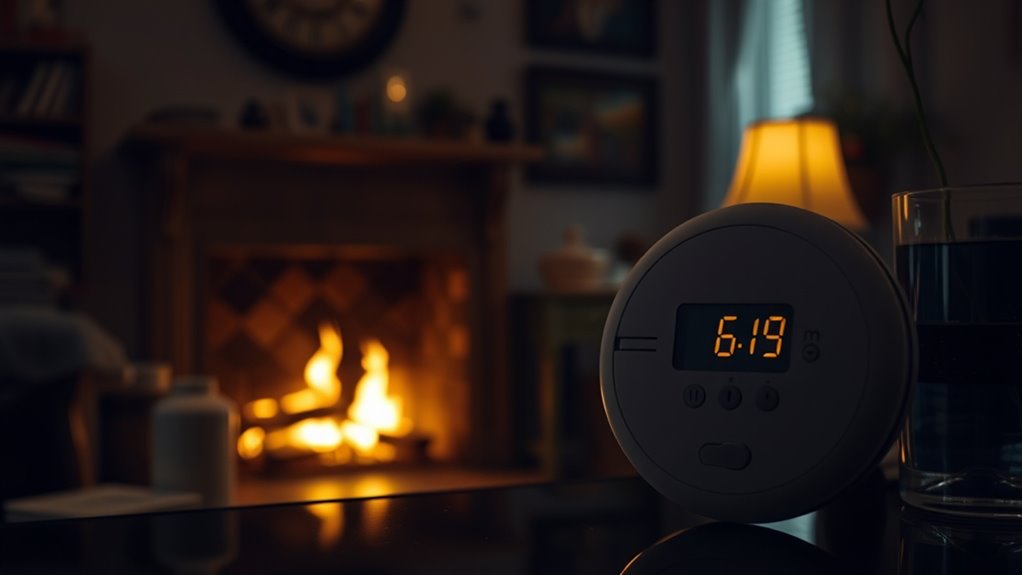
Carbon monoxide (CO) is difficult to detect because it is a colorless, odorless, and tasteless gas that easily escapes notice. This creates detection challenges since you won’t see, smell, or taste it, making it hard to realize you’re exposed. The ambiguity of symptoms further complicates the situation; early signs like headache, dizziness, or fatigue can easily be mistaken for common ailments such as the flu or tiredness. Because these symptoms are nonspecific, you might not suspect CO poisoning at all. Without proper detectors, it’s easy to remain unaware of the danger until symptoms worsen or severe health effects occur. This combination of detection challenges and symptom ambiguity means you need to be proactive in recognizing potential risks. Proper detection methods are essential to ensure safety from invisible hazards like CO.
battery operated CO alarm
As an affiliate, we earn on qualifying purchases.
As an affiliate, we earn on qualifying purchases.
Why CO Symptoms Are Often Mistaken for Other Illnesses
Carbon monoxide symptoms often mimic those of the flu or a cold, making it easy to mistake one for the other. Since these signs are nonspecific, you might not realize something more serious is happening. Overlapping cold symptoms can lead you to dismiss CO poisoning as a common illness. Recognizing energy-efficient cloud servers can help raise awareness about the importance of proper ventilation and safety measures in homes and workplaces.
Symptom Similarities With Flu
Because symptoms of carbon monoxide poisoning often resemble those of the flu, it’s easy to mistake one for the other, especially since both can cause headaches, fatigue, and nausea. If you experience these signs during winter or after using appliances, a gas leak might be involved. The symptom overlap can delay recognizing CO poisoning, leading to dangerous exposure. Being aware of symptom similarities can help in timely identification and treatment.
Nonspecific Nature of Signs
The symptoms of carbon monoxide poisoning are often nonspecific, making it difficult to distinguish from common illnesses. This symptom ambiguity means you might experience headaches, fatigue, or dizziness and assume it’s just a cold or flu. The variability in symptoms further complicates diagnosis because they can differ from person to person and change over time. Some people may show mild signs, while others experience more severe effects. Because these signs overlap with many everyday ailments, you might not realize you’re dealing with CO exposure until it worsens. Recognizing the nonspecific nature of these signs is essential, as it can delay seeking help. Staying aware that these symptoms aren’t unique to CO poisoning helps you stay alert and act quickly if multiple symptoms appear unexpectedly. Additionally, free-floating symptoms can make it challenging to pinpoint the exact cause without proper testing.
Overlapping Cold Symptoms
Since many symptoms of carbon monoxide poisoning closely resemble those of common colds or flu, it’s easy to mistake the two. You might experience cold symptoms such as headache, fatigue, dizziness, and nausea, which are also flu-like signs. These overlapping symptoms can lead you to dismiss CO exposure as just a minor illness. Because cold symptoms and flu-like signs often develop gradually and improve with rest, you may not realize there’s a serious problem. Without recognizing the differences, you might continue using faulty heating systems or appliances, increasing your risk. It’s essential to stay alert to the possibility of CO poisoning, especially if these symptoms occur suddenly or persist despite treating a cold or flu. Recognizing overlapping cold symptoms can save your life.
smart carbon monoxide detector
As an affiliate, we earn on qualifying purchases.
As an affiliate, we earn on qualifying purchases.
How Slow Symptom Onset Hampers Early Detection
When CO poisoning develops slowly, you might not notice the symptoms right away. The signs often resemble common illnesses, making it easy to dismiss them. Without immediate pain or clear warning, early detection becomes much more difficult. Recognizing essential oil properties that can support overall health may help in understanding subtle body signals.
Gradual Symptom Progression
Because symptoms of carbon monoxide poisoning often develop slowly, recognizing the danger becomes challenging. The gradual onset means you might notice only subtle signs, making early detection difficult. You may experience:
- Mild headaches that come and go
- Slight dizziness or fatigue
- Mild nausea or shortness of breath
- Subtle confusion or difficulty concentrating
These signs often seem harmless at first, leading you to dismiss them. Since the symptoms evolve gradually, you might not link them to carbon monoxide exposure. This slow progression hampers timely action, increasing health risks. Understanding pool chemistry and how it affects ventilation can help you identify potential sources of CO buildup. Recognizing that these subtle signs can be interconnected helps you stay alert. Being aware of the gradual symptom progression is vital for early detection and preventing serious poisoning.
Overlapping Illness Signs
The slow onset of carbon monoxide symptoms often causes them to resemble common illnesses like the flu or seasonal allergies. This similarity creates diagnostic challenges, making it easy to misinterpret the signs. You might think you have a cold or allergy rather than a dangerous CO exposure, delaying critical action. Because these symptoms overlap with everyday illnesses, healthcare providers can also face difficulty identifying CO poisoning early, especially if they’re unaware of your exposure. This symptom misinterpretation hampers timely diagnosis, increasing health risks. Recognizing the subtle differences isn’t always straightforward, and the gradual development leads many to overlook the seriousness. Being aware of these overlapping signs can help you and others seek prompt medical attention, potentially saving lives through early detection. Additionally, understanding common signs and symptoms associated with CO poisoning can improve awareness and encourage quicker responses in suspected cases.
Lack of Immediate Pain
Slow symptom onset in carbon monoxide poisoning means you may not experience immediate pain or severe discomfort, making it harder to recognize the danger early. The delayed onset results in subtle cues that can easily be overlooked. To understand this better:
- Delayed onset allows toxins to build up without obvious signs.
- Subtle cues like dizziness or fatigue may seem minor at first.
- You might dismiss early symptoms as tiredness or a headache.
- Without immediate pain, you’re less likely to seek help promptly.
This lack of intense pain or discomfort hampers early detection, increasing the risk of severe health issues. Recognizing the subtle cues and understanding the delayed onset are *vital* in preventing dangerous outcomes from carbon monoxide exposure.
hardwired CO detector with battery backup
As an affiliate, we earn on qualifying purchases.
As an affiliate, we earn on qualifying purchases.
Why Early Warning Signs Often Get Overlooked

Early warning signs of carbon monoxide poisoning often go unnoticed because they closely resemble common ailments like the flu or food poisoning. You might feel tired, dizzy, or nauseous but dismiss these symptoms as minor issues. Household appliances such as gas furnaces, water heaters, or stoves can produce CO if not properly vented, but symptoms may seem unrelated. Outdoor exposure, like spending time near running engines or grills, can also cause mild symptoms that you overlook. Because these signs are so similar to everyday illnesses, you may ignore them until symptoms worsen. Recognizing that early symptoms are subtle and easily mistaken helps you stay alert and seek prompt help when needed. Understanding air quality can help you identify environmental factors that contribute to these symptoms and prevent further exposure.
How Personal Factors Influence CO Symptom Severity

Your personal health and circumstances can profoundly influence how severely you experience symptoms of carbon monoxide poisoning. Your personal perception of symptoms, for example, might cause you to dismiss early signs. Additionally, your health history plays a role in symptom severity. Factors include:
Your health history and perception influence how severely you experience carbon monoxide poisoning symptoms.
- Existing respiratory or cardiovascular conditions can amplify symptoms.
- A history of migraines or neurological issues may mask or mimic CO symptoms.
- Personal perception might lead you to underestimate the danger.
- Age and overall health influence how your body responds to CO exposure.
- Understanding the neurobiological factors involved in emotional regulation can help explain individual differences in symptom response.
Being aware of these factors helps you recognize symptoms sooner and respond appropriately. Recognizing how your background can alter symptom severity ensures you’re better prepared to act quickly if exposure occurs, reducing the risk of serious health consequences.
Why Detection Devices Sometimes Fail to Warn You

Detection devices are valuable tools for alerting you to dangerous carbon monoxide levels, but they don’t always work reliably. Detection limitations mean these devices can sometimes fail to sense CO early enough, especially if they’re placed improperly or become outdated. False alarms are another common issue, often caused by cooking fumes, steam, or other gases triggering the sensor incorrectly. Relying solely on these alarms can give you a false sense of security, leading you to ignore warning signs or delay evacuating. It’s important to remember that no detector is perfect. Regular testing, proper placement, and maintaining your device help minimize detection limitations and false alarms, but never replace your awareness of CO symptoms or safe ventilation practices. Be aware that regional climate and environment can influence how well detection devices perform and how quickly symptoms may appear.
Why Raising Awareness Helps Prevent CO Poisoning
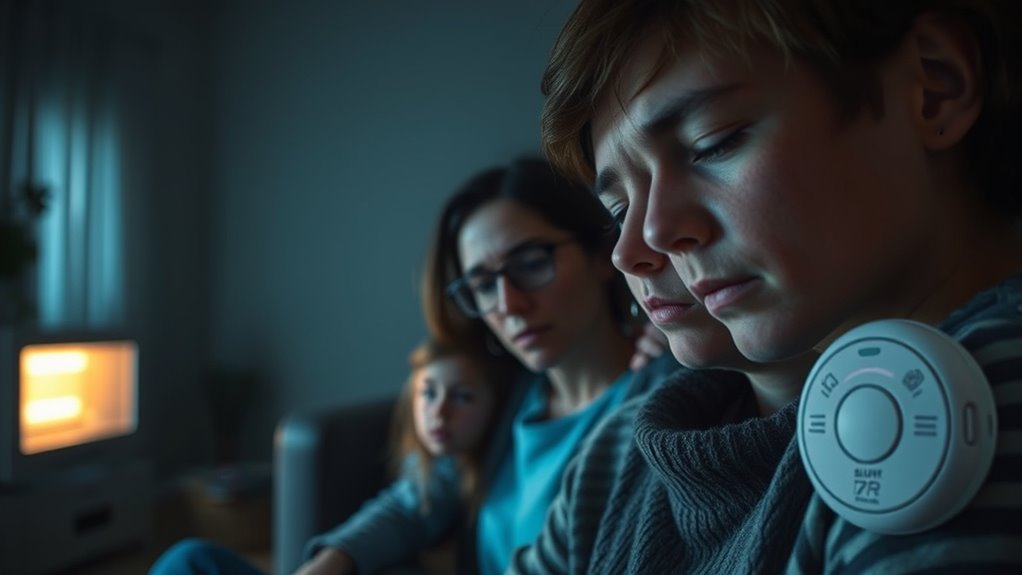
Raising awareness about carbon monoxide (CO) risks is essential because many people remain unaware of how quickly CO poisoning can occur and how to recognize its symptoms. When you understand the dangers, you’re better equipped to protect yourself and others. Public awareness campaigns and safety education play a vital role in this effort. Here’s why:
Raising awareness about CO risks helps us recognize dangers and stay safe through education and prevention.
- They inform you about common sources of CO leaks.
- They teach you the importance of proper ventilation.
- They emphasize the need for working detection devices.
- They encourage habits like regular maintenance of appliances.
How to Recognize Symptoms and Keep Your Home Safe
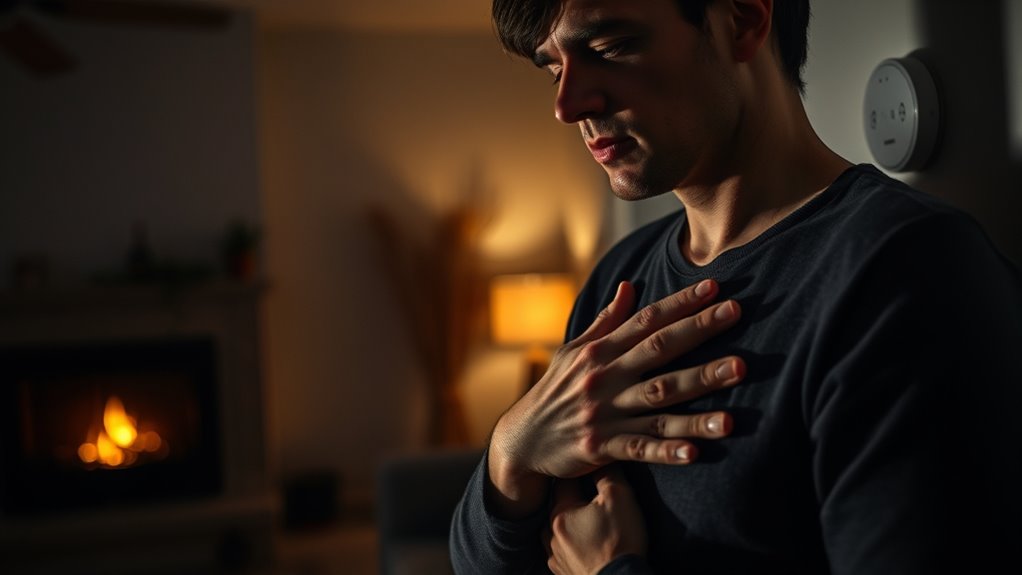
Recognizing the symptoms of carbon monoxide poisoning is essential for keeping yourself and your family safe. Being aware of early signs like headache, dizziness, weakness, or nausea helps you act quickly and prevent serious health issues. To improve home safety, install carbon monoxide detectors on every level, especially near sleeping areas. Regularly test these alarms to ensure they work properly. Maintain appliances that burn fuel, such as furnaces and water heaters, and have them inspected annually. Never use a gas oven or grill indoors for heating. Keep ventilation clear and avoid blocking vents or exhaust pipes. By staying vigilant about symptom awareness and maintaining a safe environment, you reduce the risk of CO poisoning and protect your loved ones effectively.
Frequently Asked Questions
Can Carbon Monoxide Cause Long-Term Health Problems Even if Symptoms Are Mild?
Yes, even mild symptoms can lead to long-term health problems. Chronic exposure to carbon monoxide can cause neurological effects, affecting your brain and nervous system over time. You might not notice the damage right away, but repeated or prolonged exposure increases the risk of lasting issues like memory problems, headaches, or mood changes. It’s essential to get tested and seek treatment if you suspect exposure, even if symptoms seem minor.
Are There Specific Groups More at Risk of Missing CO Poisoning Symptoms?
Yes, elderly individuals and pregnant women are more likely to miss CO poisoning symptoms. You might overlook early signs like headache or dizziness, especially if you’re older or expecting. These groups often have existing health issues or altered symptom perception, making detection harder. Stay alert and get checked if you suspect exposure, as prompt action can prevent serious health problems for both you and your baby.
How Often Should Carbon Monoxide Detectors Be Tested and Replaced?
You should test your carbon monoxide detector monthly and follow the manufacturer’s recommended replacement schedule, typically every 5 to 7 years. Proper detector maintenance guarantees it functions correctly, alerting you to danger. Regular testing checks the batteries and sensor, while timely replacement prevents false alarms or failure. Staying consistent with this schedule keeps you and your loved ones safe from unseen CO hazards, providing peace of mind in your home.
Can Certain Household Activities Increase the Risk of CO Exposure?
Certain household activities can increase your risk of CO exposure, especially if you use indoor heating and kitchen appliances improperly. Running a generator indoors or using a gas stove for heating releases CO gas into your home. Always make certain proper ventilation, keep appliances well-maintained, and never operate generators indoors. Being cautious during these activities helps prevent dangerous CO buildup and keeps you safe.
What Are the Latest Technological Advances in CO Detection Devices?
You might be surprised to learn that the latest co detection devices feature smart sensors embedded with advanced algorithms, providing faster and more accurate alerts. IoT integration now allows these detectors to communicate seamlessly with your home’s smart system, sending real-time alerts directly to your phone. This cutting-edge technology enhances safety, ensuring you’re promptly warned of CO presence, even when you’re away or asleep, potentially saving lives.
Conclusion
By understanding the hidden, hush-hush signs of carbon monoxide, you can protect your loved ones and prevent potential tragedy. Stay vigilant, verify ventilation, and value vigilant detection devices. Don’t overlook the subtle symptoms, and stay aware of personal factors that influence your risk. Remember, raising awareness and remaining alert can save lives—so stay sharp, stay safe, and never ignore the sneaky signals of silent, deadly CO.