
Adding a windbreak to your backyard can greatly boost outdoor comfort, privacy, and wildlife support, yet many overlook its benefits. By strategically planting trees or shrubs or installing fences, you can block harsh winds and create a cozy retreat. Different options suit various budgets and spaces, from living hedges to durable fences. With thoughtful design and placement, your yard becomes more inviting year-round. If you’re enthusiastic to learn easy ways to improve your backyard, keep exploring these useful tips.

Get school and study supplies delivered free — and shop member deals
- Fast, free delivery on millions of items
- Access to Prime Big Deal Days deals on October 6–7
- Prime Video, Amazon Music and more included
Key Takeaways
- Properly designed windbreaks can significantly increase outdoor comfort by reducing harsh winds and creating a cozy backyard environment.
- Many homeowners overlook strategic placement and plant choices, limiting windbreak effectiveness and overall backyard usability.
- Incorporating native plants and varied plant heights enhances wind protection and supports local wildlife, adding ecological value.
- Combining vegetation with structures like fences or trellises offers a cost-effective and durable way to upgrade outdoor comfort.
- Regular maintenance and thoughtful design maximize windbreak longevity, ensuring consistent protection and enjoyment of outdoor spaces.
As an affiliate, we earn on qualifying purchases.
What Are Windbreaks and How Do They Work

Have you ever wondered how certain landscapes withstand strong winds? It’s often thanks to windbreaks, which are strategic plantings or structures designed to reduce wind speed. Windbreak plantings typically involve trees and shrubs planted in rows, creating a barrier that slows and deflects gusts. Proper fence design can also serve as an effective windbreak, especially when combined with vegetation. These barriers work by disrupting the flow of air, decreasing wind velocity before it reaches your home or garden. The placement and height of windbreaks are vital—they need to be positioned correctly to maximize protection without blocking too much sunlight or airflow. Overall, windbreaks are an essential tool to shield your landscape and improve outdoor comfort.
As an affiliate, we earn on qualifying purchases.
Why Should You Add a Windbreak to Your Backyard
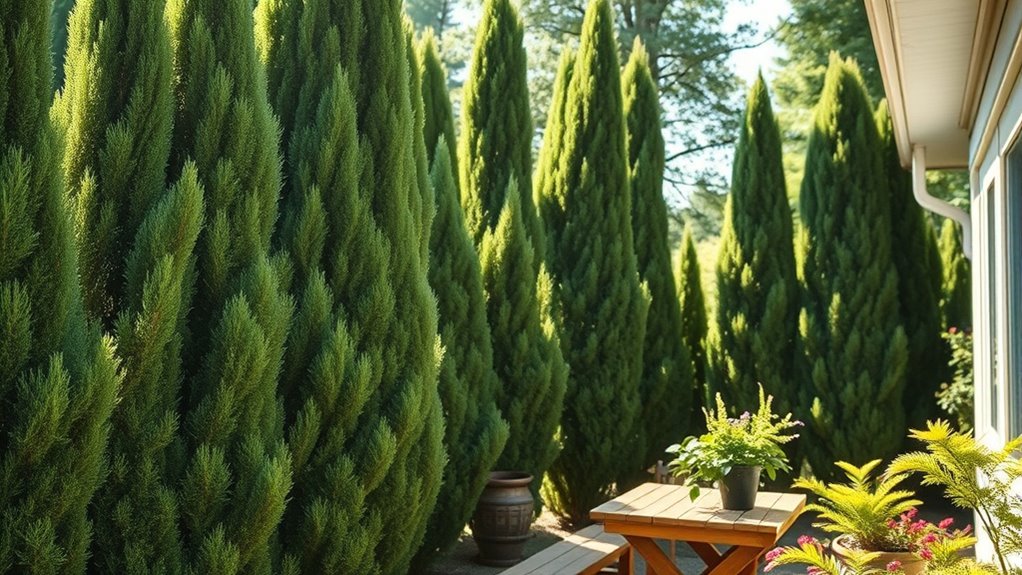
Adding a windbreak to your backyard offers immediate benefits that enhance your outdoor experience. It reduces harsh wind, making your space more comfortable for relaxing or entertaining. Beyond comfort, a windbreak improves garden aesthetics by adding visual interest and structure, creating a more inviting environment. It also supports local wildlife habitats, providing shelter and food sources for birds and insects. This encourages biodiversity and makes your backyard a lively, natural space. Plus, by protecting plants from wind damage, a windbreak helps your garden thrive. Additionally, understanding deep-sky imaging techniques can inspire you to incorporate natural elements like windbreaks into your outdoor setup for a more harmonious environment. Overall, installing a windbreak boosts both the functionality and beauty of your outdoor area, making it a worthwhile upgrade that transforms your backyard into a more enjoyable, sustainable retreat.
As an affiliate, we earn on qualifying purchases.
Which Type of Windbreak Fits Your Space and Budget
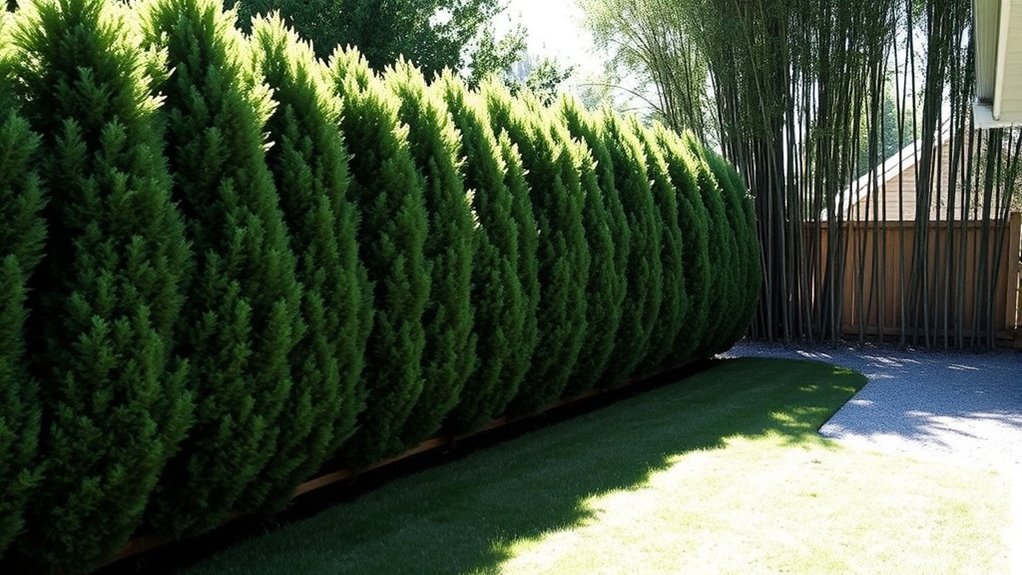
Choosing the right windbreak depends on your space, budget, and how much maintenance you’re willing to handle. Consider different materials and costs, as well as how tall and wide you need it to be. Think about how long it will last and what upkeep each type requires before making your decision. Incorporating natural landscaping can also enhance the overall aesthetic and environmental benefits of your backyard.
Material Choices and Costs
When selecting a windbreak, understanding the material options and their costs can help you find the best fit for your space and budget. Fence alternatives like wood, vinyl, or metal each vary in price and durability, so consider what suits your needs and finances. If you want a more decorative option, materials like bamboo, lattice, or even hedge plants can add aesthetic appeal while providing wind protection. Natural options tend to be more affordable but may require more maintenance, while synthetic materials often last longer but come at a higher initial cost. By comparing these choices, you can create an effective windbreak that balances function, style, and budget, ensuring your backyard remains comfortable without overspending. Additionally, energy-efficient cloud servers play an integral role in supporting sustainable infrastructure that reduces environmental impact.
Size and Placement Options
Selecting the right size and placement for your windbreak depends on your space, budget, and specific needs. If privacy concerns are a priority, opt for taller, denser options placed close to seating areas or property lines. For aesthetic considerations, choose designs that complement your landscape—whether that’s a natural hedge, decorative fencing, or a combination. Smaller windbreaks can be effective for shielding specific spots like patios or garden beds, while larger ones provide broader protection. Remember, placement is key: positioning your windbreak strategically can maximize effectiveness and visual appeal. Consider existing structures and prevailing wind directions to determine ideal locations. Balancing size, style, and function helps ensure your windbreak fits both your outdoor space and your budget seamlessly. Using sizing and load‑planning tools can help optimize your windbreak setup for maximum efficiency and cost-effectiveness.
Maintenance and Longevity
Ever wondered which type of windbreak offers the best balance between maintenance and longevity for your space and budget? Choosing the right windbreak depends on your priorities. Live hedges, like boxwood or privet, provide excellent garden aesthetics but require regular pruning to stay healthy and attractive. They can last decades with proper care. On the other hand, windbreak panels or fences demand minimal upkeep but might not blend as seamlessly into your landscape. Consider wildlife impact too; dense hedges support local birds and pollinators, while solid fences may block habitat. Your choice hinges on how much effort you’re willing to invest and how long you want the windbreak to last. Additionally, selecting appropriate materials can significantly influence the windbreak’s durability and environmental footprint. Balancing these factors ensures your backyard remains both functional and visually appealing over time.
As an affiliate, we earn on qualifying purchases.
How to Design and Place Your Windbreak for Best Results
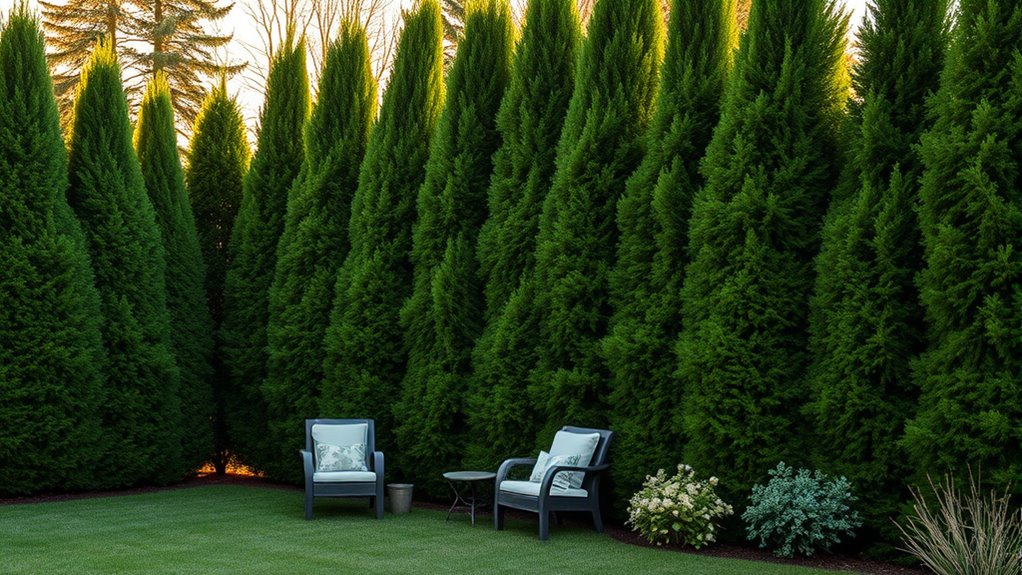
Have you considered how the placement and design of your windbreak can markedly impact its effectiveness? To optimize results, position your windbreak perpendicular to prevailing winds, creating a barrier that redirects airflow. Use strategic planting techniques, such as layering trees and shrubs of varying heights, to form a dense, effective shield. Consider aesthetic considerations to blend the windbreak seamlessly into your landscape, avoiding a cluttered look. Place taller plants at the windward side and gradually taper down to shorter ones on the leeward side. Use this table to guide your design:
| Aspect | Recommendation |
|---|---|
| Planting techniques | Mix evergreen and deciduous species for year-round protection |
| Placement | Position 2-3 times the height of the area you want to protect |
| Aesthetic considerations | Use native plants for natural appeal |
| Spacing | Space plants to promote dense growth without overcrowding |
Additionally, selecting the right essential oils for plant health can enhance the growth and resilience of your windbreak.
How Long Do Different Windbreak Options Last and What Do They Cost
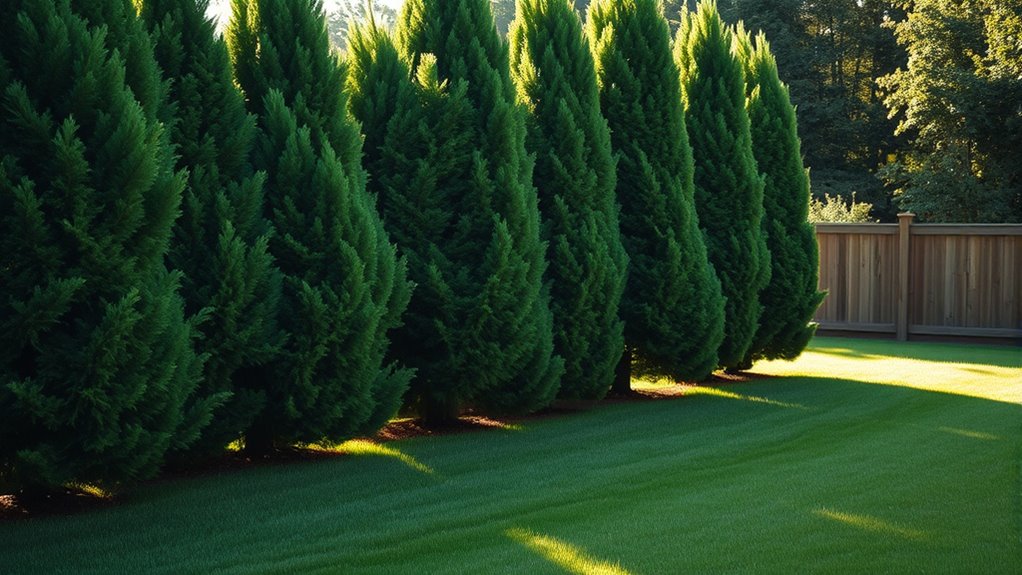
When choosing a windbreak, consider how durable the materials are and how long they’ll last. You’ll also want to compare the price ranges to find the best value for your budget. Understanding these factors helps you select an option that balances longevity and cost effectively. Additionally, assessing the feature sections of the website can provide insights into various cultural expressions and community values that may inspire your outdoor space choices.
Durability of Materials
Choosing the right windbreak material depends on how long you need it to last and how much you’re willing to spend. Durable options like wood or metal can withstand harsh weather for years, but they may require maintenance to prevent rot or rust. Synthetic screens and plastic barriers generally last around 5-10 years and are budget-friendly, though they might degrade faster in extreme conditions. When selecting materials, consider how they impact plant growth and pest control. For example, tightly woven screens can block pests effectively, but cheaper materials may tear easily, reducing their longevity. Natural options like evergreen trees or shrubs offer long-term durability but take years to establish. Additionally, selecting the right windbreak material can significantly influence its effectiveness and lifespan. Ultimately, your choice should balance durability, cost, and how well the material supports a healthy, pest-free environment.
Price Range and Value
The cost and longevity of windbreak options vary widely, making it important to match your budget with your long-term needs. Basic fences or shrubbery can be affordable but may need frequent replacement, affecting landscaping aesthetics and privacy benefits. Higher-quality materials like wood or metal panels cost more upfront but last longer, providing consistent protection and enhancing your yard’s look over time. Windbreaks made from evergreen trees or dense hedges often offer better privacy benefits and durability, making them a smart investment. Consider the maintenance costs and lifespan of each option to determine their true value. While cheaper solutions might seem appealing initially, investing in quality windbreaks can save money and effort in the long run, ensuring your outdoor space remains comfortable and attractive for years. Additionally, understanding the materials’ durability and required upkeep can help you select the most cost-effective choice over time.
Easy Ways to Incorporate Windbreaks Into Your Yard

Adding windbreaks to your yard doesn’t have to be complicated or expensive. You can start small by planting shrubs or installing trellises with climbing plants, which act as natural barriers. For a more modern look, consider using decorative lighting along your windbreak to enhance aesthetics and functionality at night. If you’re interested in sustainable options, position solar panels nearby to power your outdoor lighting, making your setup eco-friendly and cost-effective. You might also incorporate fencing or rows of trees that fit your yard’s style and space. These simple additions can considerably reduce wind without overwhelming your landscape. Incorporating auditory processing techniques into your outdoor design can also create a more comfortable environment by minimizing disruptive noise. With a little planning, you can create a cozy, protected outdoor space that invites relaxation and enjoyment year-round.
Frequently Asked Questions
Can Windbreaks Increase Property Value?
Yes, windbreaks can increase your property value. They enhance landscaping aesthetics by creating a more attractive outdoor space, making your yard more appealing to potential buyers. Additionally, windbreaks provide privacy enhancement, giving your backyard a secluded, comfortable feel. This combination of visual appeal and added privacy can boost your home’s overall desirability, potentially leading to a higher appraisal and increased market value.
Are Windbreaks Effective in Severe Weather?
While windbreaks might not seem like a fortress, they’re surprisingly effective in severe weather. You can boost storm durability by choosing sturdy planting techniques and native, wind-resistant plants. A well-designed windbreak reduces wind speed, minimizes damage, and provides a buffer against harsh conditions. So, don’t underestimate their resilience—properly implemented, windbreaks can protect your property and offer lasting shelter during even the fiercest storms.
Do Windbreaks Require Maintenance or Pruning?
Yes, windbreaks do require maintenance and pruning to keep plant health ideal. You should prune your windbreak regularly to remove dead or diseased branches and encourage healthy growth. The pruning frequency depends on the plant species; some need annual trimming, while others may only require every few years. Proper maintenance ensures your windbreak remains effective, looks attractive, and supports the overall health of your landscape.
How Do Windbreaks Affect Local Wildlife?
Imagine your windbreak as a cozy shelter for local wildlife, much like a tree providing refuge. Windbreaks support bird nesting and habitat preservation, attracting songbirds and beneficial insects. They create a essential habitat corridor, helping species thrive despite urban development. Your windbreak isn’t just a shield from wind; it’s a sanctuary that nurtures biodiversity and sustains local ecosystems.
Are There Any Zoning Restrictions for Windbreaks?
You should check local zoning restrictions and setback requirements before installing a windbreak. Many areas have rules about how close you can plant or build structures near property lines, which can limit your options. Zoning restrictions might also specify height limits or materials allowed. To avoid fines or needing to remove your windbreak later, contact your local planning office or review zoning codes beforehand.
Conclusion
Don’t dismiss the delightful, durable benefits of designing diverse, decorative windbreaks. With a bit of planning and placement, you’ll protect your patio, promote privacy, and prepare for peaceful, protected outdoor moments. Embrace the easy, economical options and enjoy the shelter, serenity, and style they bring. Turn your backyard into a welcoming retreat where breezes bend but don’t bother — transforming your outdoor space into a cozy, calm, and mesmerizing corner for all seasons.
Fall Picks
fall essentials
As an affiliate, we earn on qualifying purchases.