The perfect mulch depth for your garden is around 2 to 3 inches, but many people don’t realize that too much or too little can cause problems. Over-mulching can suffocate roots and attract pests, while under-mulching leaves soil exposed and weeds unchecked. Finding that “sweet spot” helps retain moisture, regulate soil temperature, and prevent pests. Want to learn how to hit that ideal layer? Keep going for key tips and insights.
Key Takeaways
- The ideal mulch depth is typically 2-3 inches; too thick or thin can harm plant health.
- Excess mulch piles against stems, risking rot and pests, while too little exposes soil and promotes weeds.
- Regularly check and adjust mulch layers to maintain even coverage and prevent compaction or drying out.
- Organic mulches like bark or straw support soil health best when kept within recommended depth ranges.
- Over-mulching can suffocate roots and create pest habitats, so balance is key for optimal garden conditions.

Brut Organic Aspen Mulch 10 QT – Natural Moisture Retainer & Root Protector – Odor-Free, Nutrient-Rich Bark Mulch for Landscaping, Garden Beds & Potted Plants
NATURAL GARDEN COVER: Creates a clean, polished garden surface while helping minimize weed growth naturally. This organic mulch…
As an affiliate, we earn on qualifying purchases.
As an affiliate, we earn on qualifying purchases.
Why Mulch Depth Matters for Your Garden’s Health
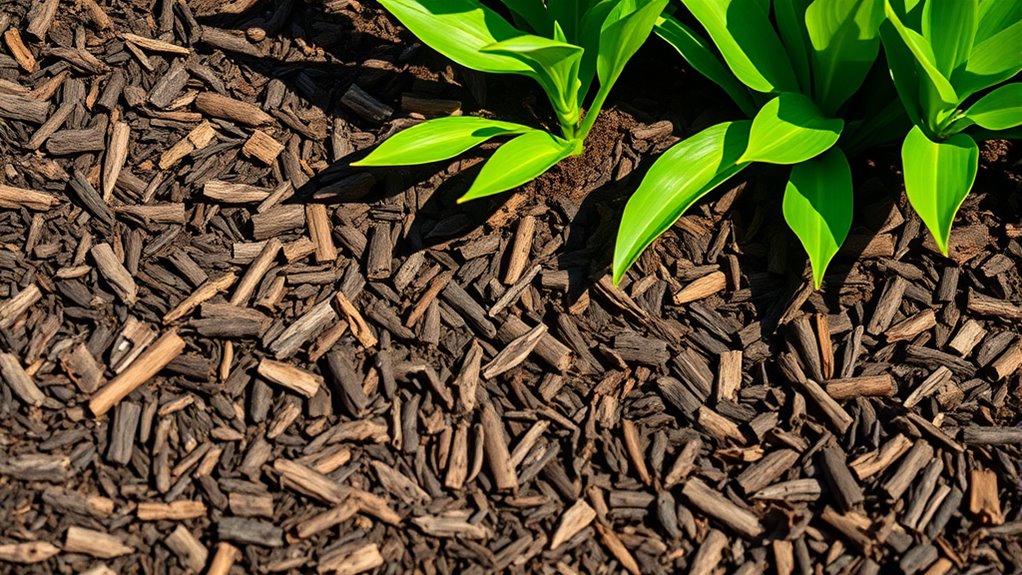
Mulch depth plays a essential role in maintaining a healthy garden because it directly affects soil moisture, temperature, and weed control. When you apply mulch at the right depth, you improve soil aeration by preventing compaction and allowing roots to breathe. Proper mulch layers foster healthier root systems and promote efficient nutrient uptake. Additionally, mulch at appropriate depths helps with pest control by creating a barrier that discourages pests from reaching your plants’ roots and stems. Too thick a layer can suffocate soil and restrict air flow, while too thin won’t provide adequate benefits. Striking the right balance ensures your garden stays moist, warm, and protected from pests, leading to healthier plants and a more productive garden overall. Air circulation is also enhanced when mulch is applied correctly, helping to prevent fungal diseases and promoting a healthier root environment.

HealthiStraw GardenStraw, 3 cu ft (20 lbs) All-Natural Mulch for Gardens, Vegetables & Lawn Seeding – Water-Conserving Wheat Straw – Thoroughly Cleaned, Sustainable
All-Natural & Clean Mulch —Sustainably sourced 100% non-GMO wheat straw is naturally filtered to remove dust, dirt, and…
As an affiliate, we earn on qualifying purchases.
As an affiliate, we earn on qualifying purchases.
Debunking Common Mulch Depth Myths
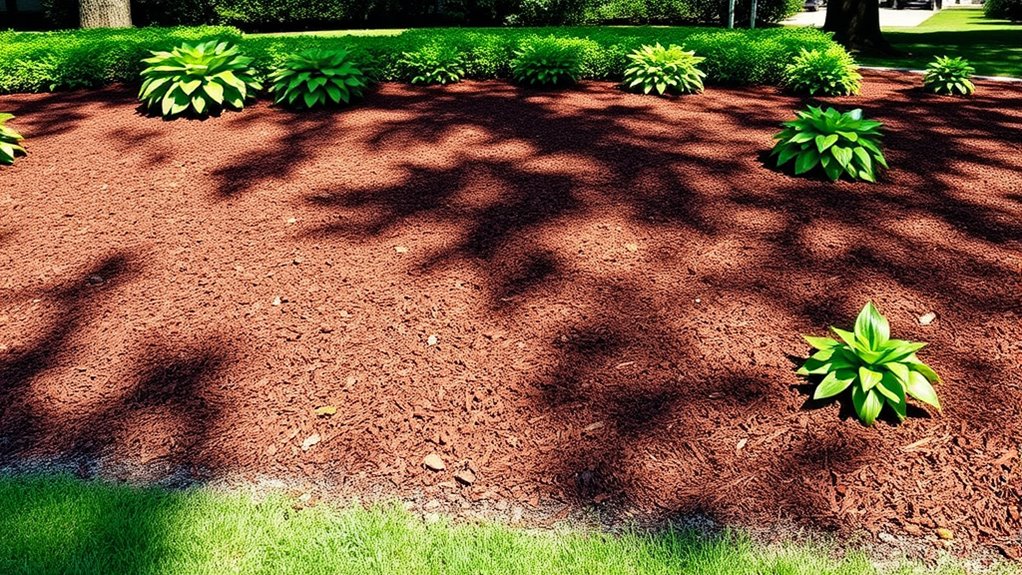
Many people believe that piling on more mulch will benefit their garden, but that’s not true. Proper mulch depth actually helps prevent problems like root rot and pests. Let’s clear up this common misconception and find out what the correct recommendations are.
Myth: More Is Better
While it might seem that piling on more mulch will provide better insulation and weed control, this isn’t the case. Excess mulch can suffocate plant roots, promote mold, and attract pests. Many assume that a thicker layer improves coverage, but too much mulch can create a barrier that limits water and air flow. When choosing mulch, consider the mulch color, which can affect heat absorption, and stick with organic types like bark or straw, which decompose naturally. More mulch isn’t always better; it can lead to problems rather than benefits. The goal is to find the right depth to protect your plants without causing harm. Remember, quality and proper application matter more than simply increasing the volume of mulch. Additionally, understanding the contrast ratio of your mulch can help optimize its heat retention properties for your garden.
Correct Depth Recommendations
Understanding the right mulch depth can prevent problems caused by excessive or insufficient coverage. For most garden beds, aim for a mulch layer of 2 to 3 inches. This depth maintains soil nutrients by preventing moisture loss and moderating soil temperature without suffocating plant roots. Different mulch types—such as bark, straw, or compost—may require slight adjustments; organic mulches like compost break down faster, needing reapplication more often. Too thick a layer can restrict airflow and hinder water absorption, while too thin leaves soil vulnerable to weeds and erosion. Always check the specific recommendations for your chosen mulch type and plant needs. Proper depth guarantees your garden benefits from healthy soil nutrients, promoting thriving plants without the drawbacks of over- or under-mulching. Additionally, maintaining the correct mulch depth can help prevent issues like pest attraction and fungal growth.
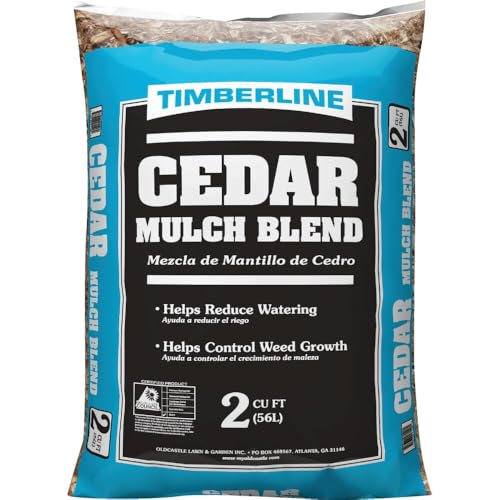
OLDCASTLE Lawn & Garden Cedar Mulch 2CF
Gives any landscape a finished look and feel
As an affiliate, we earn on qualifying purchases.
As an affiliate, we earn on qualifying purchases.
How to Find the Right Mulch Depth for Your Garden
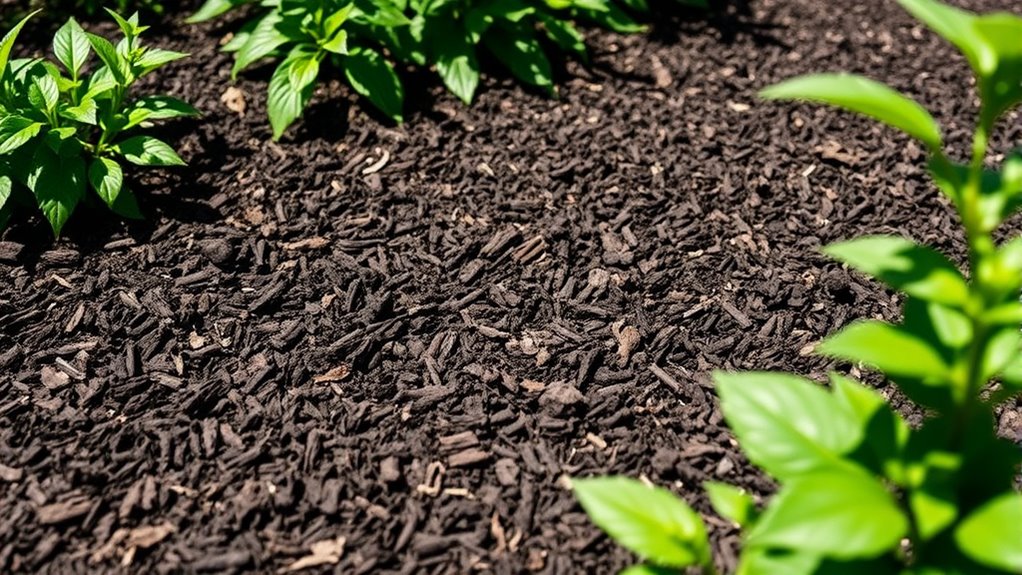
To find the right mulch depth, consider the ideal thickness for your plants and soil type. Maintaining proper soil moisture and preventing weeds depend on applying the correct amount of mulch. By adjusting your approach based on these points, you can create a healthier, more resilient garden. Additionally, understanding practical, room-by-room solutions can help you implement efficient mulching strategies tailored to your garden’s specific needs.
Ideal Mulch Thickness
Finding the right mulch thickness is essential for promoting healthy plant growth and preventing issues like mold or weed growth. To determine the ideal depth, consider these factors:
- Mulch types: Organic mulches like bark or straw typically need 2-3 inches, while inorganic options like rubber can be slightly thicker.
- Plant needs: Shallow-rooted plants may require less mulch, around 1-2 inches, to avoid suffocation.
- Mulch maintenance: Regularly check and adjust to prevent compaction or layering that’s too deep.
- Soil health: Too much mulch can hinder airflow and moisture exchange, so aim for a balanced layer.
Soil Moisture Balance
Are you guaranteeing your garden’s soil maintains the right moisture levels? Proper mulch depth helps balance soil moisture, preventing it from becoming too dry or too soggy. When mulch is too thick, it can hinder soil aeration, reducing oxygen flow to roots and risking root rot. Conversely, too thin a layer may fail to retain enough moisture, leading to drought stress. Finding the right mulch depth supports consistent moisture, which enhances nutrient retention and promotes healthy plant growth. Regularly check soil moisture levels to make sure your mulch isn’t trapping excess water or allowing it to evaporate too quickly. Adjusting mulch thickness accordingly ensures your garden soil stays ideally moist, healthy, and productive. Optimizing mulch depth can also prevent the buildup of harmful fungi and pests that thrive in overly moist environments.
Weed Suppression Tips
Achieving effective weed suppression starts with choosing the right mulch depth for your garden. To prevent weeds from emerging, consider these tips:
- Apply mulch 2-3 inches deep for vegetable beds and flower borders.
- Use a thicker layer (about 4 inches) in areas prone to persistent weeds.
- Ensure mulch isn’t piled against plant stems to avoid pest issues.
- Incorporate compost application into your mulch to boost soil health and inhibit weed growth.
- Regularly monitor your mulch layers, as consistent feedback can help you adjust depth and effectiveness over time.
Proper mulch depth not only blocks weeds but also aids pest control by reducing hiding spots. It also encourages healthy plant growth. Regularly check and replenish mulch to maintain an effective barrier, ensuring your garden stays weed-free and thriving.

VEVOR Compost Spreader, 24 in Wide Peat Moss Spreader with T Shaped Handle, 3 Heights Adjustable, Powder-Coated Steel Garden Peat Moss Roller, Heavy Duty Grass Seed Spreaders for Planting Seeding
Adjustable Handle for Comfort: The handle features three adjustable heights (42.91 in / 109 cm, 44.88 in /…
As an affiliate, we earn on qualifying purchases.
As an affiliate, we earn on qualifying purchases.
Spotting Signs You’ve Mulched Too Much or Too Little
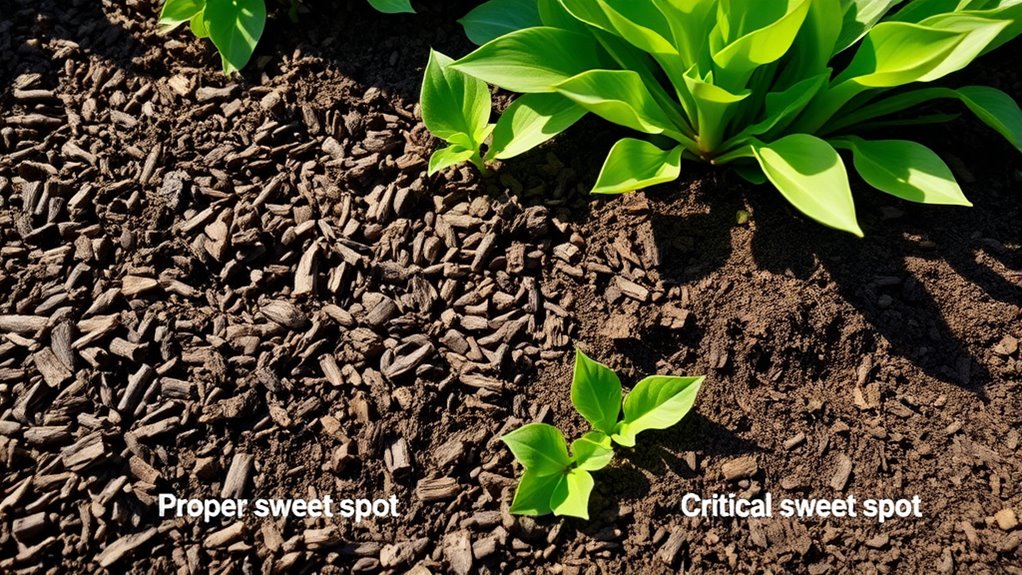
Understanding the signs of over- or under-mulching can save your garden from problems later on. If you notice an increase in garden pests, it could mean you’ve applied too much mulch material, creating a damp, sheltered environment that pests love. Conversely, if the mulch appears sparse or has worn away, your plants may be exposed to weeds and temperature fluctuations, indicating too little mulch. Over-mulching often results in mulch piling against plant stems, which can cause rot and attract pests. On the other hand, insufficient mulch fails to suppress weeds or retain moisture effectively. Regularly inspecting your mulch layer helps maintain optimal conditions; a good rule of thumb is about 2-3 inches deep. Adjust accordingly to keep your garden healthy and pest-free. Additionally, understanding the importance of Free Floating in mulch management can guide you to make better decisions for your garden.
Easy Tips to Achieve the Perfect Mulch Layer
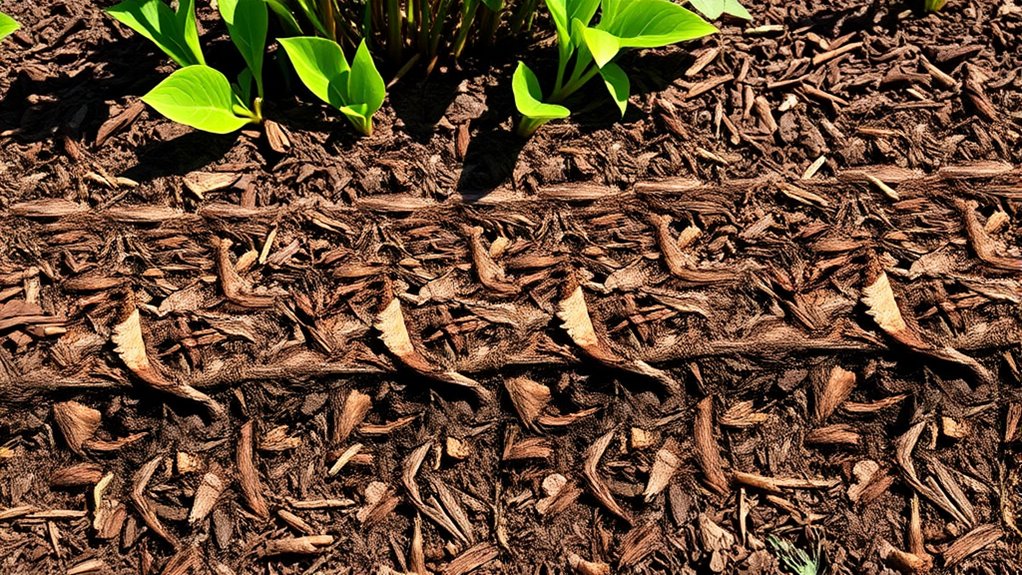
Applying the right amount of mulch is simple when you follow a few key tips. First, spread mulch evenly in a layer about 2-3 inches deep, avoiding piling it against plant stems to prevent rot. Second, choose mulch with a natural color—darker shades tend to suppress garden pests by reducing soil temperature and deterring pests. Third, check your mulch regularly and replenish as needed, especially after heavy rain. Fourth, verify your mulch isn’t too thick, which can trap moisture and invite pests. Keep an eye out for mulch that’s too light or patchy, as it indicates uneven coverage. Additionally, understanding soil health can help you determine the appropriate mulch depth for optimal plant growth. With these tips, you’ll create a healthy, pest-resistant mulch layer that supports your garden’s growth and beauty.
How Correct Mulch Depth Boosts Your Garden’s Success
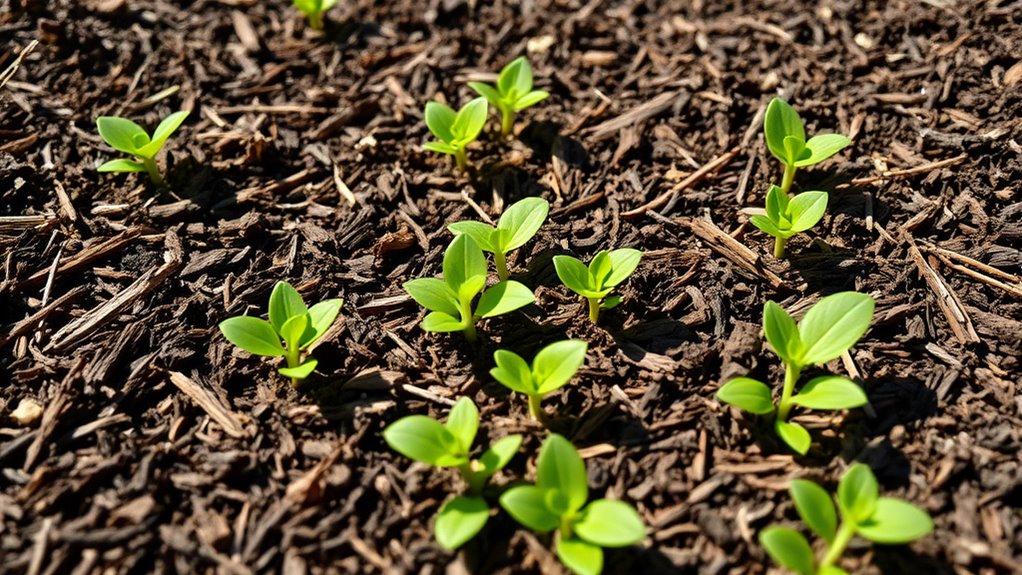
When you mulch your garden to the correct depth, you create an environment that promotes healthy plant growth and reduces common problems. Proper mulch depth helps conserve moisture, suppress weeds, and regulate soil temperature. By using the right mulch materials—such as straw, bark, or shredded leaves—you guarantee effective coverage without suffocating plants. Additionally, applying compost improves soil fertility, giving plants essential nutrients. Correct mulch depth prevents issues like root rot or pests that can occur with too thick or thin layers. It also encourages beneficial microbial activity, which boosts overall plant health. Paying attention to soil health and mulch application, you give your garden the best chance for success, leading to lush, thriving plants and a more manageable garden space.
Frequently Asked Questions
Can Mulch Depth Vary for Different Plant Types?
Yes, mulch depth can vary for different plant types. You should adjust the mulch consistency based on the specific plant’s needs, ensuring the right depth to protect roots without suffocating them. For example, trees might require a deeper mulch layer, while delicate flowers need a lighter layer. Always consider your plant type to determine the most suitable mulch depth, helping your garden thrive and preventing issues like rot or pests.
How Often Should I Adjust Mulch Depth During the Year?
You should adjust your mulch layer seasonally, adding more in the fall and removing some in spring to prevent overheating and moisture issues. Regular garden maintenance involves checking the mulch depth every few months, especially after heavy rains or storms. Keep the mulch around 2-3 inches, ensuring it’s not too thick or thin, to protect your plants effectively and promote healthy growth without suffocating roots.
Does Mulch Depth Affect Soil Temperature Regulation?
Yes, mulch depth influences soil temperature regulation by providing better soil insulation and moisture retention. When you use the right mulch thickness, it helps keep the soil warm during cold months and cool during heatwaves. Too shallow, and it won’t insulate well; too deep, and it may restrict airflow and cause moisture issues. Maintaining an ideal depth ensures your soil stays protected and healthy year-round.
Are There Specific Mulch Materials Better for Certain Depths?
Think of mulch material selection as choosing the right brush for a masterpiece; your choice impacts growth and beauty. For example, straw warms soil, so it’s great for colder months, while bark retains moisture better. Use proper mulch application techniques to avoid compacting or over-mulching. Different materials excel at specific depths, so match your mulch type to your desired depth, ensuring your garden thrives like a well-tended garden of dreams.
What Tools Help Measure Mulch Depth Accurately?
You can use a simple ruler or a garden depth gauge to measure mulch installation accurately. Place the tool on top of the mulch, making sure it reaches the desired depth without compressing the material, which helps maintain proper soil moisture. A tape measure also works for larger areas, giving you a clear view of the mulch thickness. Regularly checking ensures you keep the ideal depth, promoting healthy soil moisture and plant growth.
Conclusion
Getting your mulch depth just right can transform your garden’s health and beauty. Are you ready to ditch guesswork and create that perfect, thriving layer? Remember, too much or too little can hinder growth, but with a little attention, you’ll make certain your garden gets the right boost. So, why settle for less when the right mulch depth can make all the difference? Your vibrant, flourishing garden is just a layer away.