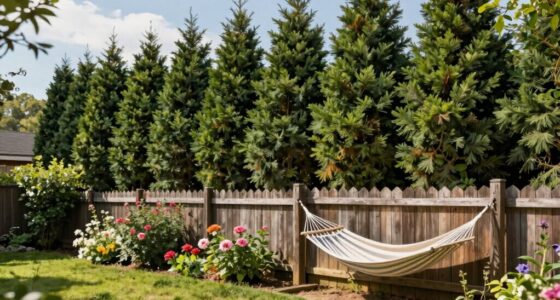
Frost pockets form when cold air pools in low-lying, sheltered spots in your garden, causing these areas to freeze first and often unexpectedly. You might think your garden is safe from frost, but these microclimates can surprise even experienced gardeners. Cold air naturally drains downhill, so flat or bowl-shaped areas are especially prone. Understanding how terrain influences frost can help you plan better. Keep exploring to discover how to protect your garden from these hidden frost risks.

Prime made for students and young adults
- Fast, free delivery for dorm and study essentials
- Prime Video and Amazon Music included
- Member-only deals
Key Takeaways
- Frost pockets are low-lying areas where cold air pools, causing unexpected early or heavy frost damage.
- Terrain shape, such as depressions or shaded spots, significantly contributes to frost pocket formation.
- Cold air drainage downhill can help prevent frost pockets by allowing cold air to escape.
- Gardeners often underestimate frost pockets, leading to insufficient frost protection in vulnerable areas.
- Recognizing and managing microclimates can reduce frost risks and protect tender plants effectively.
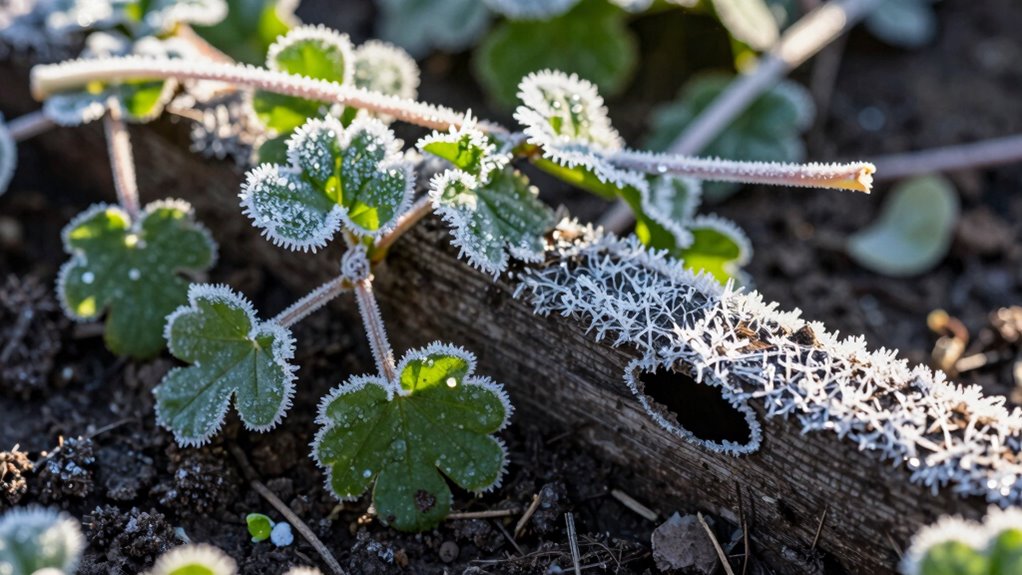
Have you ever noticed how certain low-lying areas in your garden tend to freeze even when the rest of your yard stays warm? This phenomenon is often caused by microclimate effects, which create localized environmental conditions that differ from the broader climate. In these chilly spots, cold air drainage plays a significant role, as cold air naturally flows downhill and accumulates in depressions or shaded areas. When the surrounding terrain slopes upward, cold air drains away, allowing those spots to stay warmer. But in flat or bowl-shaped sections, that cold air pools, making these areas more susceptible to frost.
Low-lying garden spots tend to freeze first due to cold air pooling and microclimate effects.
Cold air drainage is a key factor behind the frost pocket problem. Instead of an even distribution of warmth, cold air collects in these low spots overnight, intensifying frost formation. You might notice that even on nights when the temperature drops to just above freezing elsewhere, these pockets experience heavy frost, damaging tender plants or delaying growth. Recognizing how terrain shape influences cold air movement can help you better understand and manage these microclimates. Additionally, understanding the microclimate effects allows gardeners to implement more effective frost protection strategies. Being aware of the terrain’s influence on microclimates can also help you choose suitable plant varieties that are more resilient to localized cold conditions. Recognizing these patterns enables more targeted and successful gardening practices, especially when combined with proper site planning to mitigate frost risks.
Popular right now

Dyson Ball Animal 3 Upright Vacuum – Corded, 290 AW, De‑tangling Motorbar Cleaner Head, 3 Suction Modes

De'Longhi La Specialista Touch Semi-Automatic Espresso Machine with Grinder

Ninja CREAMi Scoop & Swirl 13-in-1 Ice Cream and Soft Serve Maker (NC701)
As an affiliate, we earn on qualifying purchases.
Frequently Asked Questions
How Can I Identify a Frost Pocket in My Garden?
To identify a frost pocket in your garden, start with a microclimate analysis by observing temperature variations overnight, noting areas that stay colder. Conduct a wind flow assessment to see where cold air settles, often in low-lying or sheltered spots. Pay attention to frost damage on plants in specific areas, and use a thermometer to compare temperatures across your garden. These steps help reveal where frost pockets might form.
What Are the Best Plants to Grow in Frost Pockets?
You should plant frost-resistant varieties like hardy herbs, brassicas, and certain perennials in frost pockets. Take advantage of the microclimate benefits, such as warmer air and shelter, to grow tender plants that usually struggle elsewhere. By choosing the right frost-resistant varieties, you maximize your garden’s potential despite the cooler microclimate. This approach helps you enjoy a more diverse range of crops, even in challenging frost-prone areas.
How Do I Prevent Frost Pockets From Forming?
To prevent frost pockets, you should monitor frost prediction forecasts closely and understand your garden microclimates. Identify areas prone to cold air pooling, such as low-lying spots or shaded areas, and avoid planting sensitive plants there. Use techniques like planting windbreaks, adding mulch, or installing frost covers to protect vulnerable plants. Regularly assess your garden’s microclimates, and take proactive steps to minimize cold air accumulation and frost damage.
Can Soil Type Influence Frost Pocket Formation?
Yes, soil type can influence frost pocket formation. Well-draining soil, often found in higher garden elevations, allows cold air to escape more easily, reducing frost risk. Conversely, poorly drained soil tends to hold cold moisture, creating a gentle lull for frost to settle. By paying attention to soil drainage and garden elevation, you can help minimize frost pockets and protect your plants from unexpected cold snaps.
Are There Specific Tools to Measure Frost Risk?
Yes, you can use specific tools like microclimate monitoring devices and frost prediction tools to gauge frost risk. Microclimate monitors track temperature, humidity, and wind in real-time, helping you identify frost-prone areas. Frost prediction tools, often available as apps or weather forecasts, analyze data to forecast frost events. By using these tools, you can make informed decisions to protect your plants and prevent frost damage effectively.
Conclusion
So, next time you’re tending your garden, remember the frost pocket’s sneaky whisper. It’s like an icy thief lurking in the shadows, ready to catch your plants off guard. By understanding and shielding these hidden corners, you turn your garden into a fortress against winter’s cold grip. With a little awareness and effort, you’ll outsmart the frost’s silent tricks, letting your plants flourish like a warm sunbeam breaking through winter’s gloom.