Your backyard feels hotter than the air because dark surfaces like asphalt or concrete absorb sunlight quickly and store that heat. When the sun sets, this heat gets released, raising the ground and surrounding air temperature. Light-colored or reflective materials, as well as added shade, can help reduce this effect. To cool your yard, choosing the right ground covers and shading options is key. Keep exploring, and you’ll discover even more ways to beat the heat outdoors.
Listen free for 30 days with Audible
Thousands of audiobooks and originals — cancel anytime.
As an affiliate, we earn on qualifying purchases.
Key Takeaways
- Dark ground surfaces like asphalt and concrete absorb and store heat, releasing it after sunset, raising yard temperatures.
- Shade structures and trees block direct sunlight, reducing ground heat absorption and creating cooler microclimates.
- Surfaces with low reflectivity (low albedo) trap more heat, making yards feel hotter than the surrounding air.
- Proper placement of shade sources during peak sunlight hours minimizes heat buildup in specific yard areas.
- Natural and lighter-colored materials reflect more sunlight, decreasing heat retention and improving outdoor comfort.
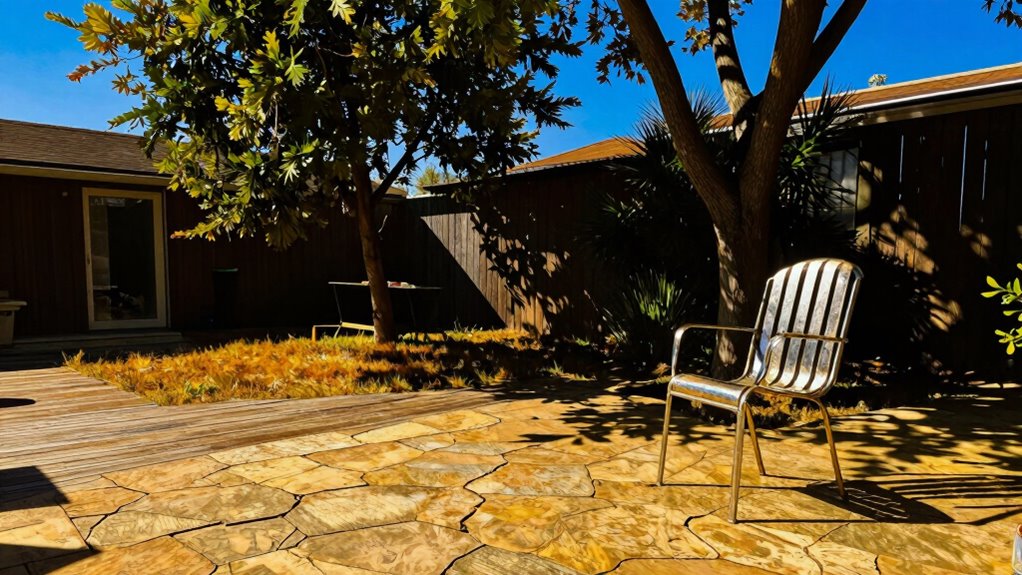
On hot days, you might notice that your backyard feels much warmer than the surrounding air, making outdoor spaces less comfortable to enjoy. This difference often comes down to how the ground surface absorbs and radiates heat. Surfaces like concrete, asphalt, or dark mulch soak up sunlight quickly, storing heat throughout the day. As the sun sets, these surfaces release that stored heat, raising the temperature around your yard and making it feel even hotter. In contrast, natural grass or lighter-colored materials reflect more sunlight and don’t heat up as much, helping keep your backyard cooler. Understanding how the ground surface impacts temperature can help you choose better materials or improve existing ones to create a more comfortable outdoor environment. Additionally, ground surface properties play a crucial role in heat absorption and radiation, influencing overall yard temperature. You can also manage heat buildup through effective shading techniques. Without shade, direct sunlight hits the ground and objects, intensifying the warming effect. Installing shade structures such as pergolas, umbrellas, or even trees can block sunlight and help reduce ground surface temperatures. Strategically placing shade over areas with dark, heat-absorbing surfaces minimizes heat absorption, which keeps the ground cooler and less likely to radiate heat into the air. Additionally, shading can create cooler microclimates within your yard, making sitting outside more pleasant. For instance, a well-placed tree provides natural shade and also adds aesthetic value. If trees aren’t an option, shade sails or canopies are quick solutions that can significantly cut down on heat buildup. Another factor to consider is the orientation of your backyard and the placement of shade sources throughout the day. During peak sunlight hours, shade becomes even more critical. By positioning structures or planting trees on the south and west sides of your yard, you can block the sun when it’s at its hottest. Combining shading techniques with choosing the right ground surface materials helps you combat the heat more effectively. For example, replacing a dark asphalt driveway with permeable pavers or lighter gravel can reflect more sunlight and stay cooler. Mulching around plants and garden beds not only conserves moisture but also prevents the ground from becoming overly hot, creating a cooler environment overall. Additionally, incorporating reflective surfaces into your yard design can further enhance cooling effects. Using reflective ground coverings can help reduce heat retention and improve comfort during hot days. In essence, the key to making your backyard more comfortable during hot days lies in understanding how the ground surface interacts with sunlight and employing shading techniques to minimize heat absorption. Additionally, using appropriate ground coverings can also help reduce heat retention. Selecting materials with high albedo properties is an effective way to reflect sunlight and keep surfaces cooler. By choosing the right materials and strategically adding shade, you can transform your outdoor space into a cooler, more inviting retreat, even on the hottest days.
As an affiliate, we earn on qualifying purchases.
Frequently Asked Questions
How Do Reflective Surfaces Increase Backyard Temperatures?
Reflective surfaces increase backyard temperatures by bouncing solar radiation back into the environment, intensifying urban heat. When you have materials like concrete, metal, or glass, they reflect sunlight instead of absorbing it, which amplifies heat retention. This process contributes to urban heat and makes your backyard feel hotter than the air temperature. To reduce this effect, consider using non-reflective, darker surfaces or adding shade to minimize the reflection of solar radiation.
Can Shade Structures Effectively Reduce Backyard Heat?
Shade structures act like a cool umbrella, shielding your backyard from relentless heat. Installing shade offers an effective cooling strategy, blocking sunlight and reducing surface temperatures. By choosing the right shade installation—like pergolas, umbrellas, or trees—you create a shaded oasis that feels cooler and more inviting. These cooling strategies help lower ambient temperatures, making your outdoor space comfortable, even during the hottest days, so you can enjoy your backyard all year round.
What Role Does Soil Type Play in Backyard Heat Retention?
Your soil type considerably impacts heat retention. Soil composition, especially its mineral and organic content, influences how much heat it absorbs and retains. Soils with high thermal conductivity, like clay, transfer heat quickly, making your backyard feel hotter. Conversely, sandy soils have low thermal conductivity and don’t hold heat as well. Choosing the right soil or improving existing soil can help manage backyard temperature, making it more comfortable during hot days.
How Does Moisture in the Ground Affect Backyard Temperature?
Think of ground moisture as nature’s cooling towel. When your yard’s soil is moist, it helps regulate temperature by absorbing heat during the day and releasing it slowly at night. This process acts like a natural air conditioner, keeping your backyard cooler. Without enough ground moisture, heat builds up, making the area feel hotter. Proper moisture levels are key for effective temperature regulation and a more comfortable outdoor space.
Do Plants and Vegetation Help Cool Down a Backyard?
Yes, plants and vegetation help cool down your backyard through plant transpiration. As plants release water vapor, they reduce surrounding temperatures. Increasing vegetation density provides more shade and enhances this cooling effect, making your backyard more comfortable. Dense plant coverage also absorbs heat, preventing it from radiating into the air. So, planting more greenery isn’t just attractive—it actively lowers your backyard’s temperature and creates a cooler, more inviting space.
As an affiliate, we earn on qualifying purchases.
Conclusion
So, next time your backyard feels hotter than the air temperature, remember it’s all about the surfaces and how they absorb and radiate heat. By understanding these factors, you can make smarter choices—like adding shade or choosing cooler materials—to beat the heat. Isn’t it worth taking a few simple steps to turn your backyard into a more comfortable oasis? Don’t let the heat catch you off guard—take control and enjoy your outdoor space all season long.
As an affiliate, we earn on qualifying purchases.
As an affiliate, we earn on qualifying purchases.
Flea & tick season Picks
flea and tick prevention
As an affiliate, we earn on qualifying purchases.