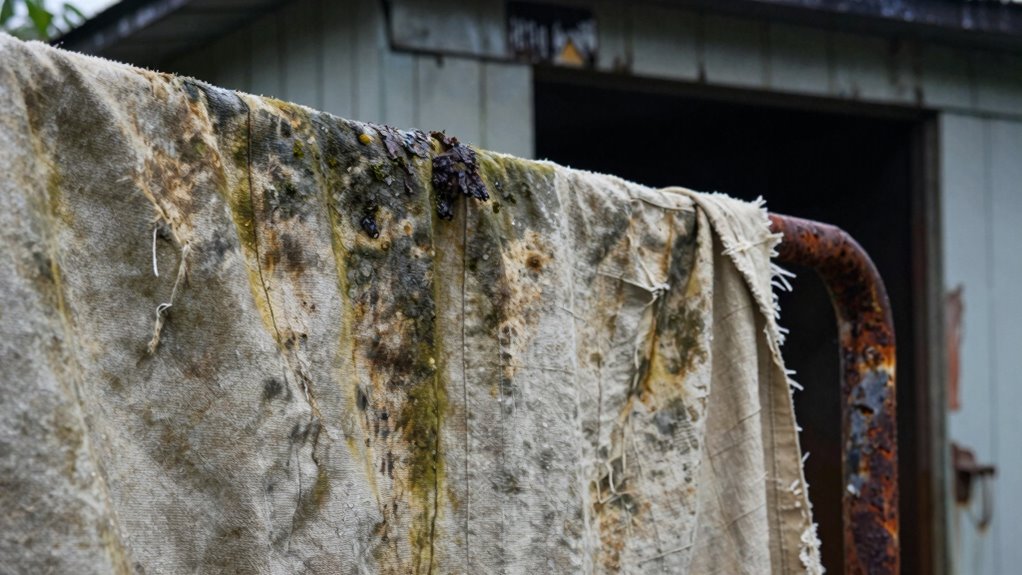
If you store outdoor fabrics damp, moisture speeds up dye fading, causes mold growth, and weakens fibers. Damp conditions lead to dull, worn-out appearance and damage to the fabric’s structure over time. Repeated wetting and poor ventilation make the problem worse, reducing durability. Maintaining dry, well-ventilated storage is key to avoiding these issues. To protect your fabrics and learn more, discover how proper storage can extend their lifespan.
Prime for Young Adults — start your free trial
Fast free delivery, streaming and member deals for eligible 18–24 year olds.
As an affiliate, we earn on qualifying purchases.
Key Takeaways
- Moisture accelerates dye fading and color loss in outdoor fabrics.
- Damp conditions promote mold and mildew growth, damaging fabric surfaces.
- Trapped moisture weakens fibers, reducing overall fabric durability.
- Poor ventilation in damp storage leads to faster deterioration.
- Prolonged dampness causes outdoor fabrics to become brittle, stiff, and prone to tearing.
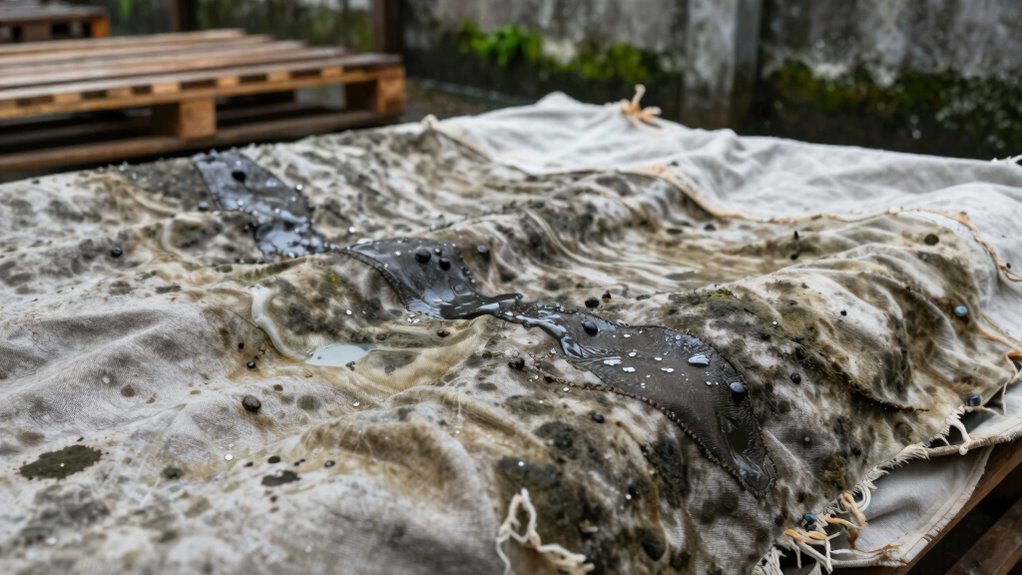
Have you ever wondered what happens to outdoor fabrics stored in damp conditions? When you leave your outdoor cushions or upholstery in a moist environment, it can lead to a range of problems that threaten their longevity and appearance. One of the first issues you might notice is fabric color fading. Over time, exposure to moisture accelerates the breakdown of dyes used in outdoor fabrics, especially if they’re not stored properly. Unlike indoor fabric care, which often involves controlled environments that preserve color and texture, outdoor fabrics are designed to withstand weather conditions but not prolonged dampness in storage. When moisture seeps into the fabric, it can cause the dyes to leach or fade faster than expected, leaving your outdoor pieces looking dull and worn out.
Moisture trapped inside the fabric also creates the perfect breeding ground for mold and mildew. These spores thrive in damp environments and can quickly take hold if your outdoor fabrics aren’t dried thoroughly before storage. Once mold sets in, it not only damages the fabric’s surface but also leaves behind stains that are difficult to remove. This kind of damage is often irreversible, especially if you ignore the early signs. The presence of mold can also compromise the fabric’s structural integrity, making it more prone to tearing or fraying over time. Proper moisture control is essential to prevent these issues from developing in the first place. Additionally, the ability of outdoor fabrics to resist environmental stresses is compromised when stored damp, reducing their overall lifespan. Understanding the fabric’s breathability can help in choosing the right storage methods to prevent moisture buildup.
Beyond mold and color fading, damp storage can cause fibers to weaken, reducing the fabric’s overall durability. When fabrics are repeatedly exposed to moisture and then dried without proper care, they tend to become brittle or stiff. This deterioration diminishes their ability to withstand regular use and exposure to sunlight. The damage isn’t always immediately visible but becomes evident as the fabric begins to fade faster, fray, or develop holes. Ensuring proper storage conditions is vital to maintaining the fabric’s strength and appearance over time. Proper ventilation and avoiding sealed, humid spaces are key factors in maintaining these conditions.
Indoor fabric care involves routine cleaning, gentle handling, and proper storage to extend fabric lifespan. In contrast, outdoor fabrics require special attention to moisture control, especially in damp storage. If you neglect this, you risk losing the vibrant colors and strength that made those fabrics appealing in the first place. Proper storage means ensuring the fabrics are completely dry and stored in a dry, well-ventilated area. Insufficient ventilation can trap moisture and accelerate deterioration. Taking these steps helps prevent the issues caused by dampness, protecting your outdoor fabrics from premature aging and ensuring they stay vibrant and durable for seasons to come.
As an affiliate, we earn on qualifying purchases.
Frequently Asked Questions
How Long Does It Take for Outdoor Fabrics to Develop Mold in Damp Storage?
In damp storage, outdoor fabrics can develop mold within just a few days to a week, especially if they absorb moisture quickly. Moisture absorption combined with poor fabric breathability creates the perfect environment for mold growth. To prevent this, make certain your fabrics are thoroughly dry before storing and keep storage areas well-ventilated, reducing moisture retention and allowing the fabric’s breathability to help prevent mold formation.
Can Outdoor Fabrics Be Restored After Mold and Mildew Damage?
Yes, outdoor fabrics can be restored after mold and mildew damage. You can use effective cleaning techniques like scrubbing with a mild detergent, rinsing thoroughly, and applying a mildew-resistant spray. Restoration methods include sun-drying the fabric, using vinegar solutions to eliminate mold, and applying fabric protectors to prevent future issues. Taking these steps helps revive your outdoor fabrics, making them look fresh, clean, and ready for outdoor use again.
Are Certain Outdoor Fabric Materials More Resistant to Damp Storage?
Yes, certain outdoor fabrics are more resistant to damp storage. Fabrics with waterproof coatings prevent moisture from penetrating, reducing mold growth. Additionally, tightly woven fabrics create a barrier against dampness, making them more durable in humid conditions. You should look for materials with these features when storing outdoor fabrics to prolong their lifespan and maintain their appearance, especially if you expect to store them in damp environments.
What Are the Best Practices for Storing Outdoor Fabrics Long-Term?
To store outdoor fabrics long-term, you should clean and dry them thoroughly to prevent mold. Keep fabrics in a cool, dry, and well-ventilated area away from direct sunlight. Use UV-resistant covers or store them in UV-protected containers to maintain sun protection and UV resistance. Avoid damp environments and excessive heat, which can degrade the fabric’s fibers. Proper storage guarantees your outdoor fabrics stay vibrant and durable for years.
Does Outdoor Fabric Quality Affect Its Susceptibility to Damp-Related Issues?
Yes, outdoor fabric quality directly affects its susceptibility to damp-related issues. High-quality fabrics with strong UV resistance and color fading protection withstand moisture better, reducing mold and mildew growth. Poor-quality fabrics tend to absorb more moisture, making them prone to deterioration and fading over time. By choosing durable, well-treated outdoor fabrics, you guarantee they remain resilient in damp storage conditions, prolonging their lifespan and maintaining their appearance.
mold resistant outdoor fabric spray
As an affiliate, we earn on qualifying purchases.
As an affiliate, we earn on qualifying purchases.
Conclusion
Storing outdoor fabrics damp considerably increases the risk of mold, mildew, and fabric degradation. Did you know that over 60% of outdoor fabric failures are linked to improper storage conditions? By ensuring your fabrics are completely dry before storing and choosing a well-ventilated space, you can extend their lifespan and keep them looking vibrant. Don’t let damp storage catch you off guard—take proactive steps to protect your outdoor fabrics and enjoy their beauty for years to come.
As an affiliate, we earn on qualifying purchases.
As an affiliate, we earn on qualifying purchases.
NFL season / tailgating Picks
team gear
As an affiliate, we earn on qualifying purchases.