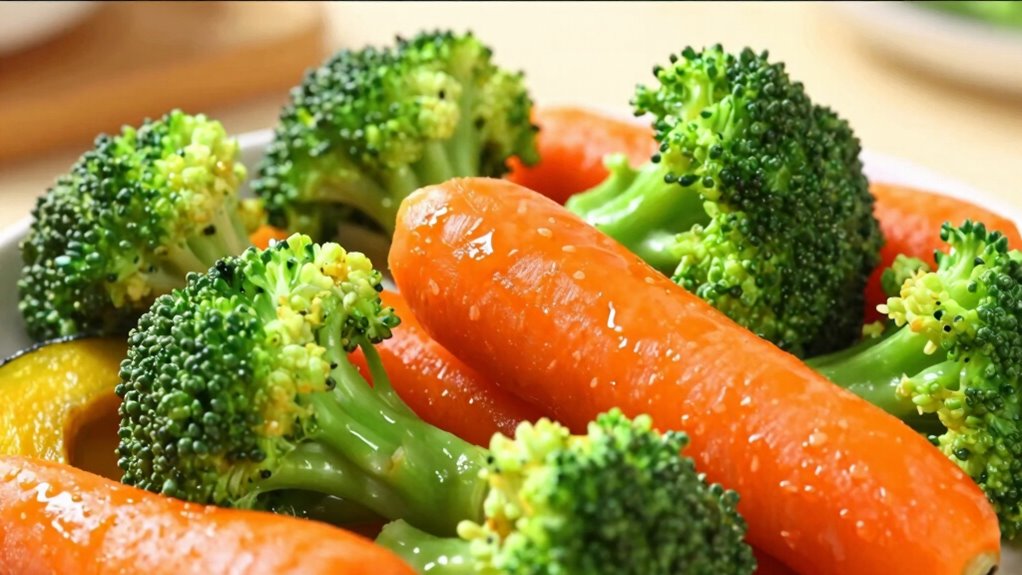

To fix mushy vegetables, try adding delicate ones like greens or quick-cooking vegetables only in the last 1-2 minutes of cooking. Adjust your timing slightly by tossing these in just before finishing to preserve their texture and vibrant color. Small shifts like this can make a big difference in flavor and crispness. Keep experimenting with timing, and you’ll develop an intuitive sense for the perfect moment to add each ingredient.
Listen free for 30 days with Audible
Thousands of audiobooks and originals — cancel anytime.
As an affiliate, we earn on qualifying purchases.
Key Takeaways
- Add quick-cooking vegetables (like greens) only 1-2 minutes before finishing to prevent mushiness.
- Reduce cooking time slightly once vegetables reach desired tenderness to avoid overcooking.
- Incorporate vegetables at the end of cooking to preserve their firm texture and vibrant color.
- Use visual and tactile cues to determine perfect doneness, avoiding reliance solely on timing.
- Lower the heat or remove from heat immediately once vegetables are tender to stop cooking instantly.
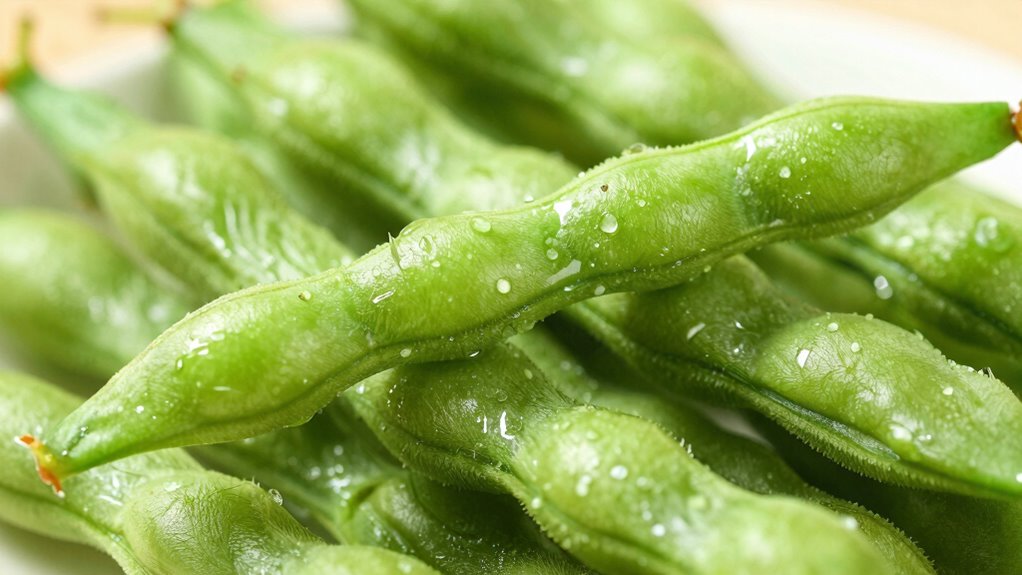
If you’ve ever struggled with mushy vegetables, there’s a simple trick that can make all the difference: tiny timing adjustments. By paying close attention to when you add vegetables during cooking, you can greatly improve both flavor enhancement and texture preservation. The key is to understand that vegetables cook very quickly and that their ideal cooking time varies depending on their type and size. Small changes in timing can turn a soggy mess into perfectly crisp-tender produce, elevating your dish’s overall quality.
One of the most effective methods is to add vegetables at different stages of cooking rather than all at once. For instance, root vegetables like carrots and potatoes take longer to soften, so you start them early. Leafy greens, on the other hand, cook swiftly and only need a brief moment on the heat. When you time their addition correctly, you prevent overcooking, which often results in loss of flavor and a mushy texture. This timing precision guarantees you retain the vibrant colors, fresh flavors, and desirable crunch that make vegetables appealing.
Add vegetables at different stages to maintain flavor, texture, and vibrant colors in your dishes.
Another way to refine your timing is to use visual and tactile cues rather than relying solely on cooking time guides. As a rule of thumb, add delicate vegetables just minutes before the dish is finished. If you’re sautéing, toss in greens or other quick-cooking vegetables during the last 1-2 minutes of cooking. This approach not only keeps their texture intact but also intensifies their flavor. Overcooking vegetables can dilute their natural sweetness and cause them to become waterlogged, so the quicker you add them at the right moment, the better the flavor enhancement and texture preservation. Paying attention to cooking temperature can help you achieve consistent results and prevent unwanted mushiness. Additionally, understanding vegetable cooking characteristics enables you to plan your timing more effectively, ensuring each type reaches perfect doneness. Being mindful of cooking techniques that optimize texture can further improve your results.
In essence, mastering tiny timing shifts transforms your cooking. It’s a small adjustment with a big impact—allowing you to preserve the perfect texture and bring out the full flavor potential of every vegetable. With practice, you’ll develop an intuitive sense for when to add each ingredient, making your dishes consistently crisp, vibrant, and delicious.
As an affiliate, we earn on qualifying purchases.
Frequently Asked Questions
Does the Timing Vary for Different Types of Vegetables?
Yes, the timing varies for different types of vegetables because of their diversity in texture and density. You need to adjust cooking times to maintain consistency and avoid mushiness. For example, root vegetables may need longer, while leafy greens cook quickly. By paying attention to vegetable diversity, you can achieve cooking consistency, ensuring each veggie retains its ideal texture and flavor without becoming mushy or undercooked.
Can Overcooking Still Be an Issue With This Method?
Absolutely, overcooking can still happen with this method if you ignore the tiny timing shift. It’s like trying to keep a secret—if you push it too far, flavor preservation and texture consistency go out the window faster than you can say “mushy mess.” Even with perfect timing, watch those vegetables closely; otherwise, you risk turning a vibrant dish into a soggy, flavorless disappointment. Timing’s everything!
Is This Timing Shift Suitable for All Cooking Methods?
Yes, this timing shift can be suitable for various cooking methods, but you should adjust it based on your goal. For flavor retention and texture preservation, timing is key; for example, blanching or steaming benefits from precise timing to avoid mushiness. Keep in mind that different vegetables and methods might require slight tweaks. So, stay attentive to the process to keep your veggies vibrant, flavorful, and perfectly textured.
How Do I Adjust Timing for Larger Vegetable Pieces?
To adjust timing for larger vegetable pieces, you need to increase your cooking time slightly to maintain the desired vegetable texture and guarantee thorough cooking. Use your cooking precision by checking doneness with a fork or knife, and avoid rushing. Keep in mind that bigger pieces take longer, so monitor closely, and adjust accordingly to prevent mushiness or undercooking, achieving the perfect balance every time.
Does This Technique Affect the Nutritional Value?
Think of your vegetables as delicate dancers—timing keeps them in perfect harmony. When you tweak cooking time, you preserve more nutritional value, ensuring they retain their vibrant health benefits. This tiny shift prevents overcooking, which can leach out essential nutrients, so your veggies stay nutrient-rich and flavorful. By adjusting your timing, you’re not just improving texture but also locking in the health benefits you want, making each bite as nourishing as it is tasty.
stainless steel vegetable steamer basket
As an affiliate, we earn on qualifying purchases.
As an affiliate, we earn on qualifying purchases.
Conclusion
Next time you cook vegetables, remember that tiny timing shift. Just a minute or two can turn mush into crisp perfection. Why settle for soggy when you can enjoy vibrant, tender veggies? With a little attention to timing, you control the texture and flavor, making every meal better. Isn’t it worth a simple adjustment to elevate your cooking? So, why not give it a try and see how a small change can make all the difference?
As an affiliate, we earn on qualifying purchases.
vegetable prep and cooking tools
As an affiliate, we earn on qualifying purchases.
As an affiliate, we earn on qualifying purchases.
Flea & tick season Picks
flea and tick prevention
As an affiliate, we earn on qualifying purchases.