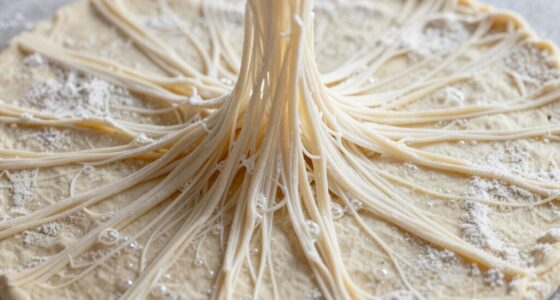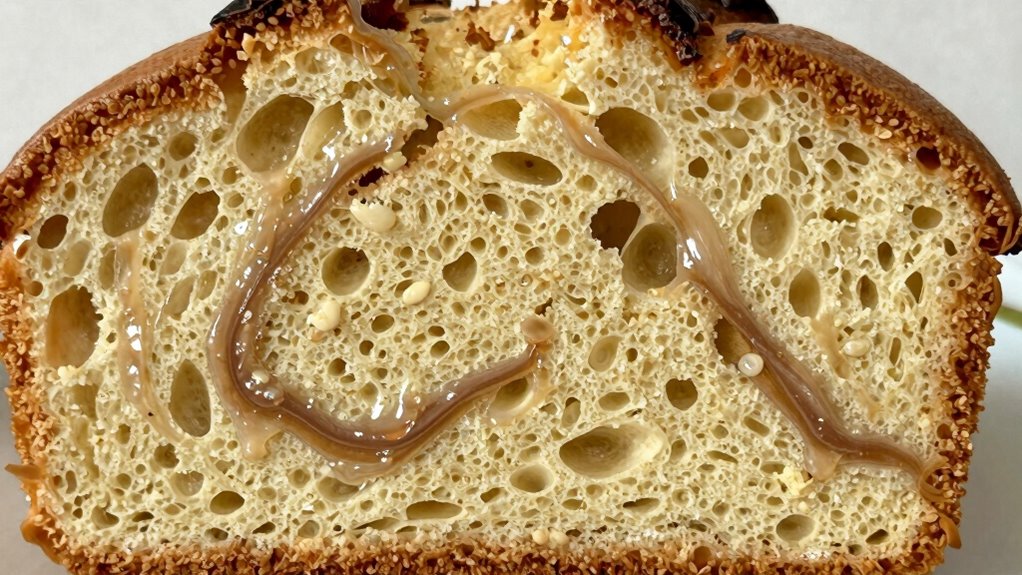

If you overmix your cake batter after adding flour, you develop too much gluten, which can make your cake tough and rubbery. It’s best to mix only until ingredients are just combined to prevent this. Gentle folding helps incorporate ingredients without overworking the batter. Pay attention to when you stop mixing, as rushing through this step can ruin your cake’s texture. Keep exploring for more tips to perfect your baking technique.

Get school and study supplies delivered free — and shop member deals
- Fast, free delivery on millions of items
- Access to Prime Big Deal Days deals on October 6–7
- Prime Video, Amazon Music and more included
Key Takeaways
- Overmixing after adding flour develops gluten, resulting in a tough, rubbery cake texture.
- Undermixing leaves pockets of dry flour and uneven leavening, making the cake dense and crumbly.
- Mixing just until ingredients combine prevents overworking the batter and maintains a tender crumb.
- Gentle folding incorporates ingredients without overmixing, preserving batter lightness.
- Rushing or neglecting proper mixing techniques can severely damage the final cake texture.
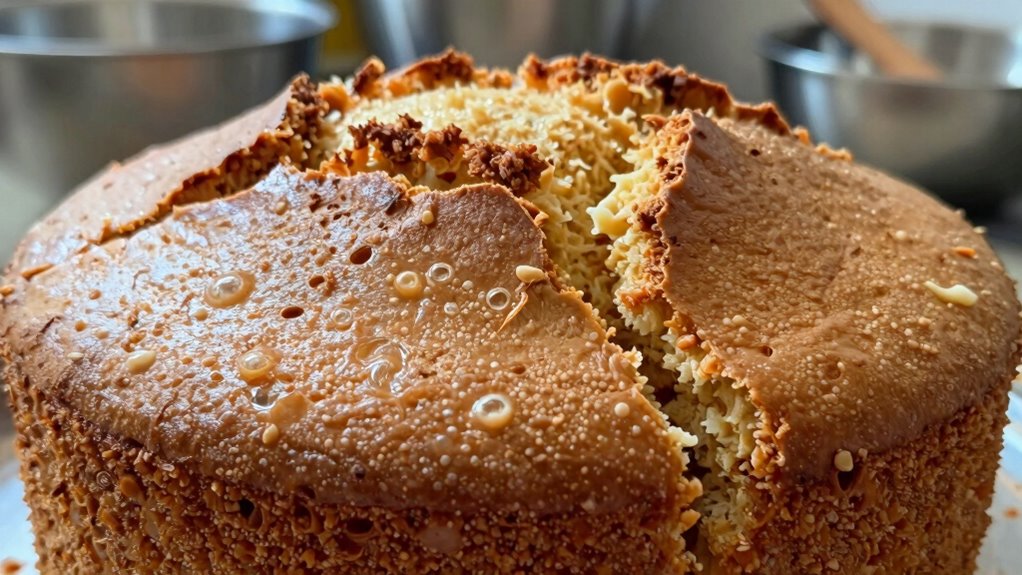
Even experienced bakers can fall victim to a common mixing mistake that ruins the texture of your cake. It’s easy to overlook the significance of gentle mixing or to rush through the process, but the way you handle your ingredients makes a huge difference. One essential factor is the baking temperature, which influences how the batter develops during baking. If your oven runs too hot or too cold, even a perfectly mixed batter can turn out dense or crumbly. Additionally, ingredient substitution plays a role—using the wrong substitute or altering measurements without understanding how it affects the batter can throw off the texture entirely.
Even seasoned bakers can ruin cake texture with improper mixing, temperature, or ingredient substitutions—attention to detail is everything.
When you’re mixing your ingredients, it’s imperative to pay attention to their order and handling. Overmixing after adding flour, for example, can cause gluten development, leading to a tough, rubbery cake. Conversely, undermixing can leave pockets of dry flour or uneven distribution of leavening agents, resulting in a dense or uneven crumb. To avoid this, mix just until the ingredients are combined, and then stop. Using a gentle folding motion can help incorporate ingredients without overworking the batter. It’s also important to consider how ingredient temperature impacts the batter’s consistency, as cold ingredients can cause uneven mixing. Proper temperature control can help achieve a smoother, more consistent batter. Allowing ingredients to come to room temperature often results in a more homogeneous mixture and better texture.
Baking temperature is another key element. Even if your mixture is perfect, baking at the wrong temperature can ruin it. Too high, and the outside may burn before the inside fully cooks, creating a dry or uneven cake. Too low, and your cake might turn out flat or dense because it doesn’t rise properly. Always preheat your oven and use an oven thermometer if necessary to verify the temperature is accurate. Proper baking temperature ensures your batter rises evenly and retains a tender, light texture. Adjusting oven racks and placement can also influence even heat distribution. Understanding how oven calibration affects baking results can help you achieve more consistent outcomes.
cake mixing bowls with measurement marks
As an affiliate, we earn on qualifying purchases.
As an affiliate, we earn on qualifying purchases.
Frequently Asked Questions
Can I Fix a Cake if It’s Overmixed?
Yes, you can often fix an overmixed cake by gently folding in extra flour or milk to balance the batter’s consistency, though it might not reverse all issues. Overmixing affects baking chemistry, leading to a dense texture and less flavor development. To prevent this, mix just until ingredients are combined. If your cake is already overmixed, adjusting the batter can help salvage it, but for best flavor and texture, avoid overmixing in the first place.
How Does Mixing Speed Affect Cake Texture?
Did you know that overmixing can make cakes dense and tough? When you control your mixing speed, you keep the batter light and airy. Using proper mixing techniques and adjusting speed control prevents gluten development and air loss. Faster speeds can incorporate too much air or cause overmixing, while slower speeds gently combine ingredients. mastering mixing speed helps achieve that perfect, tender cake texture you’re aiming for.
What Tools Are Best for Proper Mixing?
You should use a stand mixer or hand mixer with beaters for proper mixing, as these tools give you control over mixing speed and consistency. Baking science shows that gentle, thorough mixing prevents overdeveloping gluten, which affects cake texture. Mastering mixing techniques like incorporating ingredients gradually and avoiding overmixing ensures your cake remains tender and fluffy. Proper tools and techniques help you achieve the perfect crumb and avoid common baking pitfalls.
Does Ingredient Temperature Influence Mixing Outcomes?
Yes, ingredient temperature greatly influences mixing outcomes. When ingredients are at the right temperature, you achieve better ingredient consistency, which makes mixing techniques more effective. Cold or overly warm ingredients can hinder proper blending, leading to dense or uneven cakes. So, always make sure your ingredients are at room temperature or specified in your recipe. This simple step helps you avoid common mixing mistakes and results in a perfectly textured cake.
How Do I Prevent Lumps During Mixing?
To prevent lumps during mixing, sift your dry ingredients before combining them with liquids, ensuring a smooth, even blend. Use room temperature ingredients, which mix more easily and improve flavor enhancement. Maintain proper baking temperature to avoid overworking your batter, which can cause lumps. Stir gently and gradually add liquids to dry ingredients, preventing clumping. Proper technique and temperature control help you achieve a silky batter, resulting in a tender, flavorful cake.
silicone spatula for folding batter
As an affiliate, we earn on qualifying purchases.
As an affiliate, we earn on qualifying purchases.
Conclusion
Avoid overmixing your batter like a reckless chef on a mission—because if you do, your cake’s texture could turn into a total disaster. Keep your mixing swift and gentle, and you’ll be rewarded with a perfectly tender, fluffy masterpiece. Remember, one wrong stir can ruin all your efforts, turning your baking dreams into a soggy nightmare. Stick to the rules, and your cake will rise to legendary heights—no more mixing mistakes ruining your sweet success!
As an affiliate, we earn on qualifying purchases.
As an affiliate, we earn on qualifying purchases.
Halloween Picks
halloween
As an affiliate, we earn on qualifying purchases.