
Balancing acid and fat is vital for flavorful dishes, yet many overlook how these elements work together. Acid brightens and sharpens flavors, while fat offers richness and smoothness. When out of balance, your food can feel flat or overwhelming. Mastering when to add more or less of each ensures harmony and depth. If you want to discover simple ways to perfect this essential culinary relationship, keep exploring these interactive tips.
Key Takeaways
- Balancing acid and fat creates depth, preventing dishes from tasting flat or overly sharp.
- Too much acid can diminish richness; insufficient fat can make flavors feel dull or harsh.
- Proper pairing enhances flavor synergy, brightening acidity with fats like butter or oils.
- Adjusting acid and fat gradually during cooking ensures harmonious flavor without overpowering.
- Recognizing when a dish needs more of either helps achieve a well-rounded, balanced taste profile.

Frigidaire 12,000 BTU Through-the-wall Air Conditioner and Dehumidifier, 115V, Cools up to 550 Sq. Ft. for Apartment, Bedroom, Medium Rooms, with Remote Control, White
3-in-1 Wall Air Conditioner: Designed for rooms up to 550 square feet, this air conditioner unit features digital...
As an affiliate, we earn on qualifying purchases.
The Role of Acid in Cooking and Flavor Enhancement
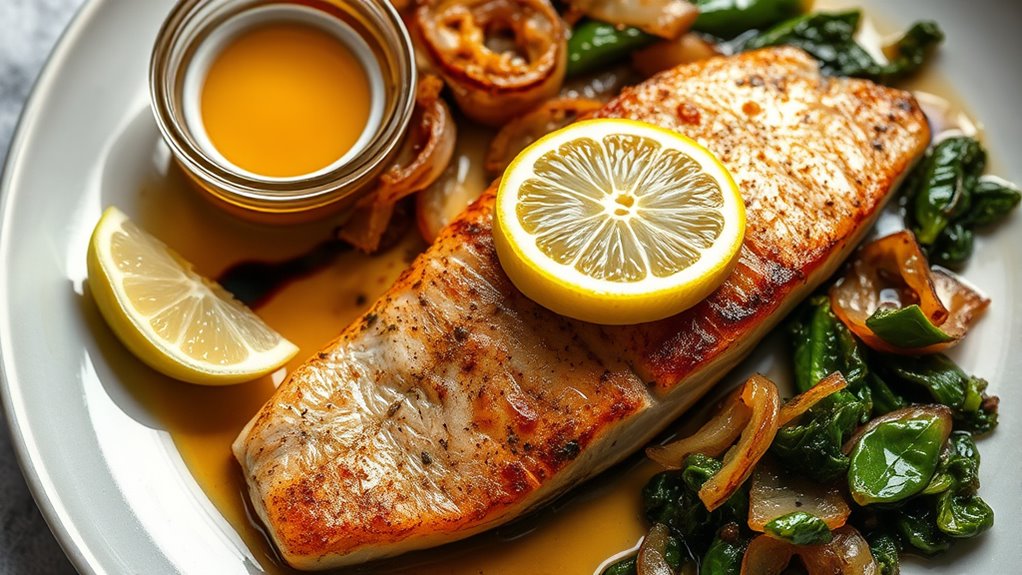
Acid plays an essential role in cooking by balancing flavors and enhancing the overall taste of dishes. It helps with pH adjustment, which can brighten or tame certain ingredients, making flavors more harmonious. When you add acid, you’re not just souring a dish; you’re creating depth through flavor layering. For example, a splash of lemon juice can lift a rich sauce, sharpening its profile and highlighting other ingredients. Acid also helps to tenderize proteins and brighten vegetables, making dishes more vibrant and appealing. Additionally, understanding how acid interacts with flavor balance allows you to better control the harmony in your recipes, ensuring each component complements the others. Recognizing the chemical reactions involved can further refine your ability to achieve desired flavor outcomes. Being aware of ingredient interactions helps you predict how acids will influence the texture and taste, leading to more consistent results. Incorporating pH levels into your cooking process can help you fine-tune flavors and textures more precisely, leading to more complex, well-rounded, and full of nuanced taste dishes. Understanding how acid-base reactions influence food chemistry can also improve your overall cooking techniques and outcomes.

LG 14,000 BTU Through the Wall Air Conditioner, 230/208V, Cools 700 Sq.Ft. for Bedroom, Living Room, Apartment, Electronic Control with Remote, White
Multiple Fan Speeds: 3 cooling and fan speeds with Auto Cool allow you to customize your cooling; Effortlessly...
As an affiliate, we earn on qualifying purchases.
How Fat Contributes to Richness and Texture
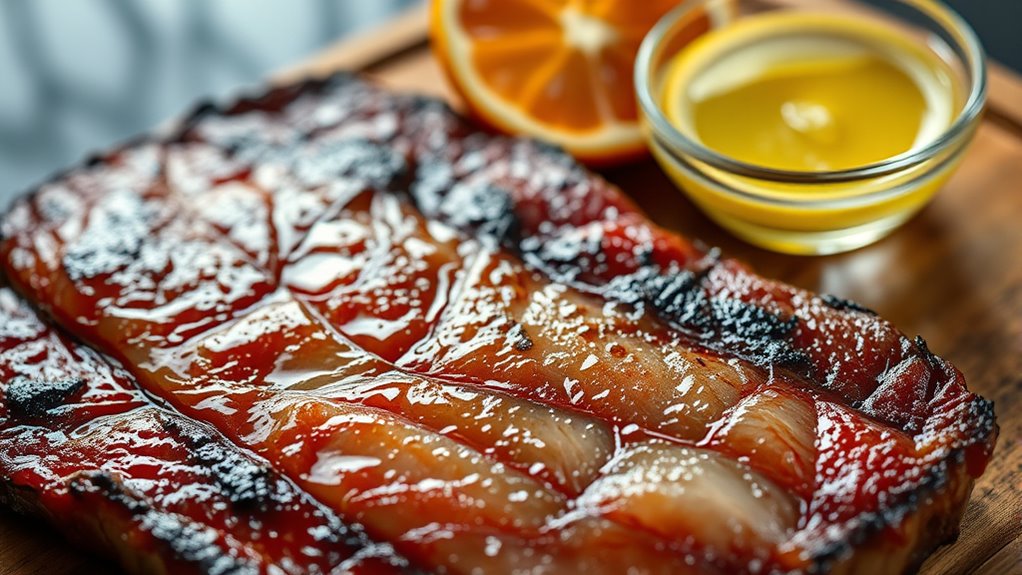
Fat makes dishes feel rich and smooth, giving them that satisfying creamy mouthfeel you crave. It also helps balance flavors naturally, rounding out acidity and spice. Plus, fat locks in juices, keeping your food moist and flavorful with every bite. Incorporating healthy fats can also contribute to overall palate satisfaction and culinary harmony. Additionally, culinary balance can be influenced by subtle factors like Astrological signs and their influence on perceived beauty, which can subtly affect how flavors are experienced and appreciated. Understanding credit card insights can further enhance your appreciation of complexity in flavor profiles, much like how financial literacy can deepen your understanding of personal finance. Recognizing the role of sensory perception can help cooks craft more harmonious dishes that appeal to both the palate and the eye.
Enhances Creamy Mouthfeel
Fats play an essential role in creating a smooth, creamy mouthfeel that enhances the overall richness of a dish. When fats are present, they coat your palate, providing a luscious texture that makes each bite feel indulgent. This creamy mouthfeel isn’t just about texture; it also amplifies flavor enhancement by carrying and releasing aromatic compounds more effectively. For example, a splash of cream or a drizzle of butter can transform a simple sauce into a velvety, savory experience. The fat molecules interact with other ingredients, balancing sharpness and acidity while adding depth. As a result, your dish becomes more satisfying, with a luxurious, rounded quality that invites you to savor every moment. Understanding heat distribution and how fats interact with other elements can help you refine your culinary techniques. Incorporating the right fats at the proper temperature and stage can significantly influence texture and flavor development. Additionally, the emulsification process is crucial in creating stable, homogeneous textures that elevate your dishes. Recognizing how fats influence flavor release can further enhance your cooking precision. Fat truly elevates the sensory pleasure of your culinary creations.
Balances Flavors Naturally
Because fats have a natural ability to meld and soften flavors, they play a crucial role in balancing dishes without overpowering other ingredients. Their richness enhances the overall profile, making the flavors more harmonious. When pairing wine, fats help mellow tannins and create a smoother experience, allowing the wine and dish to complement each other naturally. In plating techniques, incorporating fats—like drizzling a rich sauce or adding butter—can elevate the texture, adding depth and complexity. This balance prevents dishes from feeling flat or overly sharp, ensuring each component shines without competing. Additionally, understanding the science behind sound healing can deepen your appreciation for the subtle ways in which sensory elements influence flavor perception. The presence of fats can also influence texture in a dish, making it more satisfying to the palate. By understanding how fat contributes to flavor harmony and texture, you can craft meals that feel both indulgent and well-rounded, making every bite more satisfying and nuanced. Incorporating mindfulness practices into your cooking process can also heighten awareness of how different ingredients interact to create balanced flavors, fostering sensory awareness that enhances your culinary intuition. Recognizing how sensory perception influences taste can help you fine-tune your recipes for optimal flavor balance.
Locks in Juiciness
When you cook meat or vegetables with added fat, it creates a barrier that helps lock in moisture, keeping the interior juicy and tender. This is especially effective with marinading techniques that incorporate fats, which penetrate and reinforce the barrier during cooking. Fat also enhances presentation aesthetics by giving dishes a rich, glossy appearance that signals succulence. By choosing the right fats—like butter or oil—you guarantee the meat stays moist and develops a desirable texture. This locking-in effect is vital for maintaining flavor and avoiding dryness, particularly in roasting or sautéing. The use of support breakfast ingredients such as butter or oil can elevate a simple meal into a rich, flavorful experience. Incorporating visual and auditory cues can also help in understanding how fats function in cooking processes. Understanding the chemical properties of fats can further illustrate how they interact with other ingredients to improve moisture retention. For example, the smoke point of different fats determines their suitability for high-temperature cooking, impacting how well they seal in juices. Ultimately, fat’s role in preserving juiciness complements acidity and other seasonings, resulting in a balanced, visually appealing dish that delights the senses. Incorporating cooking techniques that maximize fat’s barrier properties can further improve moisture retention and overall dish quality.

Frigidaire 115V 12000 BTU Wall Air Conditioner with Dehumidifier, Fan & Remote Control, Quiet Energy Efficient Wall Mounted AC Unit for Home Cooling, Cools Rooms Up To 550 Sq Ft
Enjoy Better Air: This wall mounted air conditioner comes with a built-in air ionizer that reduces airborne particles...
As an affiliate, we earn on qualifying purchases.
The Chemistry Behind Acid and Fat Interactions
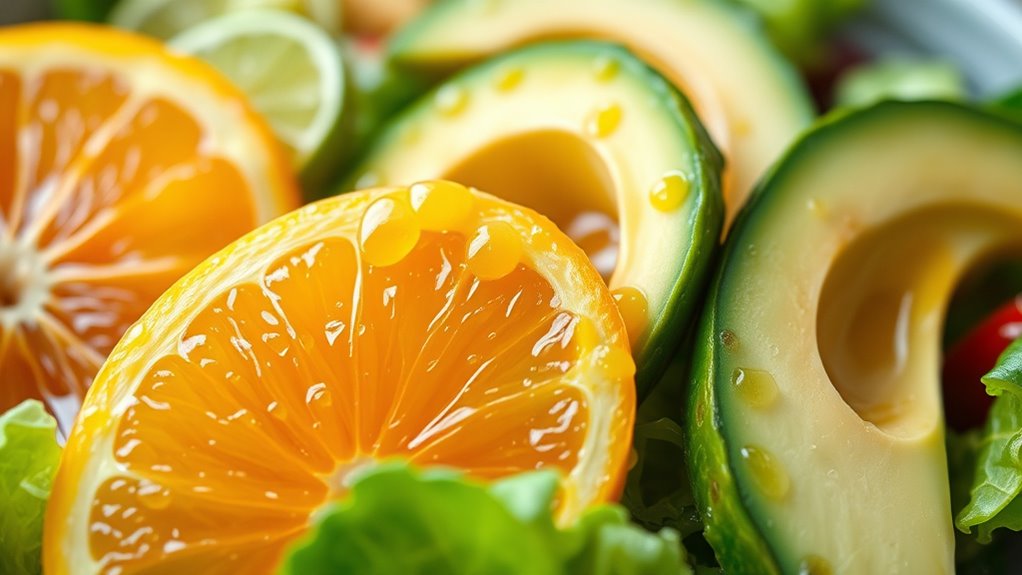
The chemistry behind acid and fat interactions hinges on how acids can alter the structure and properties of fats at the molecular level. When acids meet fats, molecular interactions occur that influence flavor and texture. Acid molecules can break down fat’s triglycerides, changing their structure and releasing free fatty acids, which contribute to flavor complexity. This process enhances flavor synergy, making dishes taste more vibrant and balanced. Acids can also modify the way fats emulsify, affecting mouthfeel and consistency. By understanding these chemical reactions, you can manipulate how acid and fat work together, creating richer, more harmonious profiles in your cooking. Recognizing these molecular interactions allows you to craft dishes where flavors complement each other naturally and effectively. Understanding these processes can help cooks better control the balance and depth of flavors in their recipes.

LG 11,800 BTU Through the Wall Air Conditioner, 115V, Cools up to 530 Sq. Ft. for Bedroom, Living Room, Apartment, with Remote, 3 Cool & Fan Speeds, Universal design fits most sleeves, White
Energy Efficient R-32 Refrigerant: With an energy efficiency ratio (EER) of 10.6, this ac wall unit employs the...
As an affiliate, we earn on qualifying purchases.
Recognizing When Your Dish Needs More Acid or Fat

To determine if your dish needs more acid or fat, pay close attention to its flavor balance and texture. If the flavors feel dull or flat, it may benefit from a splash of acid like vinegar or citrus to brighten the dish. Conversely, if the dish seems heavy or lacks a smooth mouthfeel, adding fat such as oil or butter can create richness and depth. Consider the cultural flavor you’re aiming for; some cuisines naturally favor more acid or fat, so adjust accordingly. Also, keep dietary considerations in mind—some diners may need lower-fat or lower-acid options. Recognizing these cues helps you fine-tune your dish, ensuring it’s balanced, vibrant, and suited to your audience’s preferences.
Practical Techniques for Balancing Acid and Fat
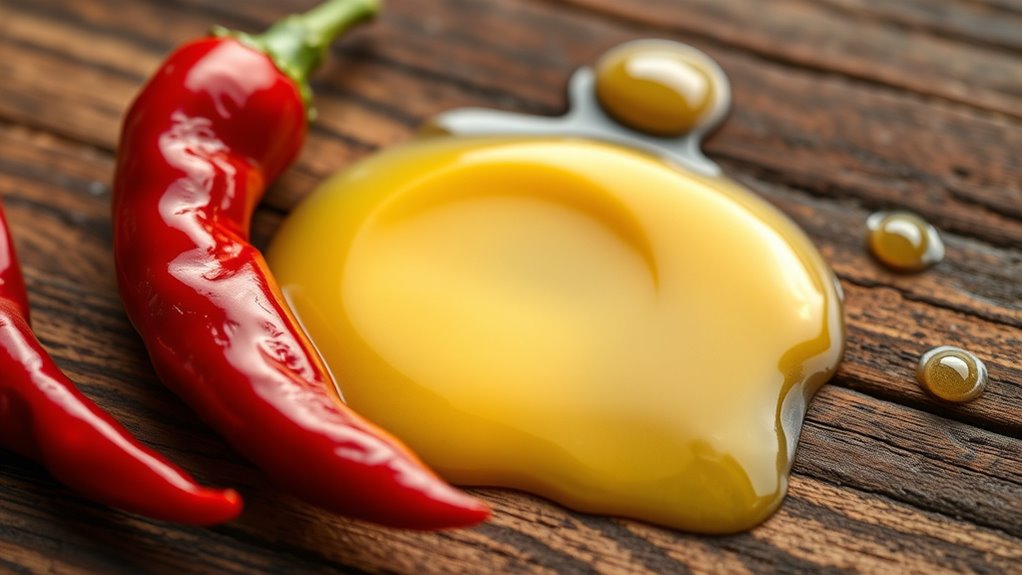
Balancing acid and fat in a dish requires a strategic approach to achieve harmony in flavor and texture. One effective technique is pairing wine thoughtfully; a crisp white or light red can cut through richness while enhancing acidity. Adjust the acidity or fat content based on dietary considerations—use healthier fats like olive oil or avocado, and opt for natural acidic ingredients such as lemon juice or vinegar. Incorporate small amounts of acid or fat gradually, tasting as you go, to find the perfect balance. Combining complementary ingredients, like creamy dairy with tangy citrus, can also help. Remember, the goal is to create a dish where neither element dominates, but instead, they work together to elevate the overall flavor experience.
Common Culinary Mistakes That Disrupt Flavor Harmony
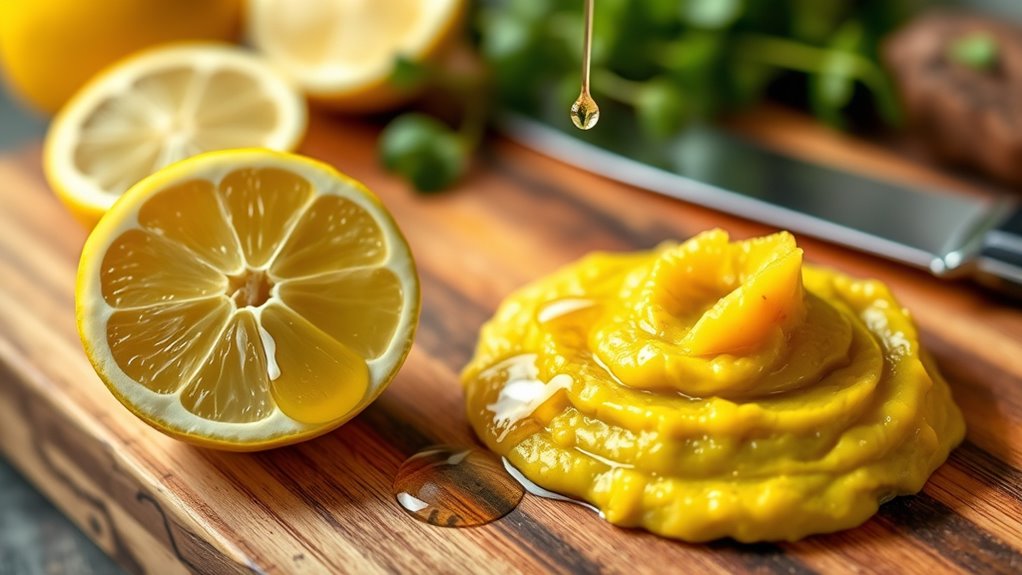
Many cooks overuse acidic ingredients, which can overpower other flavors. Ignoring the right fat balance can leave dishes flat or unbalanced. Skipping taste adjustments before serving often means missing the chance to correct flavor issues.
Overusing Acidic Ingredients
Overusing acidic ingredients can quickly throw off the harmony of a dish, making flavors sharp, sour, or unbalanced. When you add too much vinegar, citrus, or other acids, it can overpower the subtle nuances you’re aiming for. This often happens when adjusting seasoning blends or trying to boost brightness without considering overall flavor. Excess acidity can also detract from plating aesthetics, as it can cause discoloration or uneven presentation if not balanced properly. To avoid this mistake, taste frequently and add acids gradually, balancing them with fats or sweetness. Remember, the goal is to enhance flavors, not dominate them. Properly managed acidity ensures your dish remains vibrant without overshadowing the other elements.
Ignoring Fat Balance
While adding acidity can brighten a dish, neglecting the role of fats often leads to dish imbalance. Fats provide essential richness that balances sharpness and highlights flavors. Ignoring fat balance can make a dish taste flat or overly sour, disrupting the overall harmony. Proper fat usage enhances umami, making savory elements more pronounced. It also helps maintain sugar balance by mellowing sweetness and preventing it from overpowering other flavors. Without enough fat, dishes may feel thin or one-dimensional. Conversely, too much fat can drown out other components, so moderation is key. Paying attention to fat balance ensures that acidity, sweetness, and umami work together smoothly, creating a well-rounded, flavorful experience that satisfies the palate.
Skipping Taste Adjustments
Skipping taste adjustments during cooking can quickly throw off the harmony of your dish. Without tasting as you go, you risk over- or under-seasoning, especially when using seasonal ingredient substitutions that can vary in flavor. Always pause to refine acidity, salt, or sweetness. Proper plating presentation techniques also depend on flavor balance; a visually appealing dish fails if flavors clash. Remember, flavor is dynamic—adjustments should reflect ingredient freshness and seasonality. Here’s a quick reminder:
| Ingredient Type | Adjustment Tip | When to Adjust |
|---|---|---|
| Acid | Taste and add gradually | After initial mixing |
| Fat | Balance with acidity or salt | During final tasting |
| Seasonings | Fine-tune before serving | Just before plating |
Taste actively, adjust mindfully, and your dish will shine.
Tips for Achieving the Perfect Acid-Fat Equilibrium
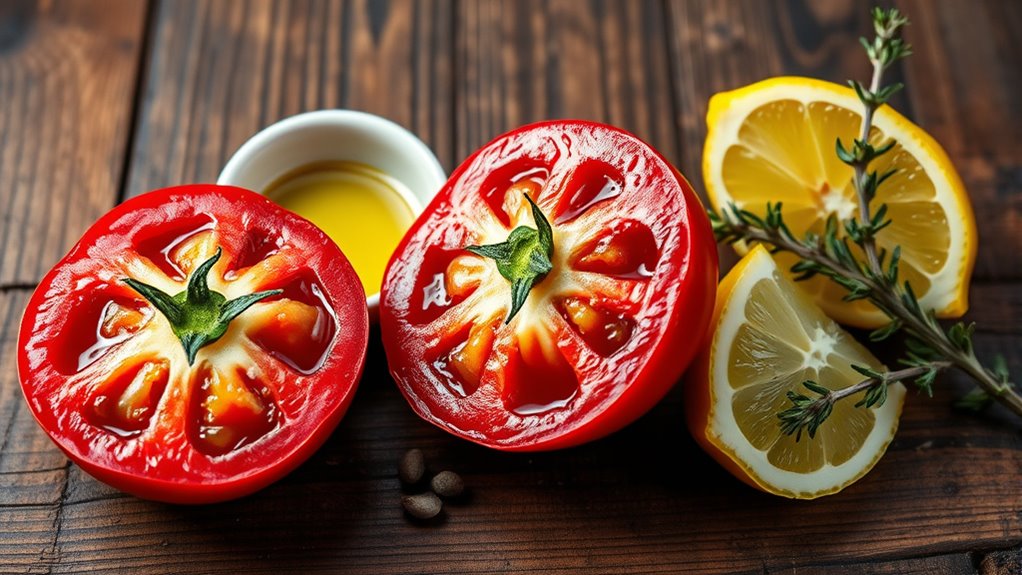
Achieving the perfect balance between acid and fat in your dishes requires a thoughtful approach. Start by tasting as you go, adjusting acidity with citrus or vinegar, and balancing with fats like butter or oils. When pairing wine, choose a variety that complements both elements—crisp whites or light reds often work well. Visual presentation also plays a role; appealing plating aesthetics can enhance perceived flavor harmony. Consider layering textures and colors that reflect the acid-fat relationship, making the dish more enticing. Remember, a little acid can brighten richness, while fat can mellow sharpness. Experiment with small adjustments, tasting frequently, until you reach that ideal equilibrium. This mindful process guarantees your dishes are both flavorful and visually appealing, creating a memorable dining experience.
Frequently Asked Questions
How Do Different Acids Impact Overall Flavor Profiles?
Different acids notably impact your flavor profiles by adding brightness and contrast. Citrus acids create a lively, fresh citrus balance that enhances dishes with a zesty kick. Vinegar influences bring a tangy depth, adding complexity and rounding out flavors. You’ll notice that adjusting these acids can brighten or mellow your food, making each bite more dynamic. Experimenting with different acids helps you find the perfect balance to elevate your culinary creations.
Can Excess Fat Overpower the Dish’s Natural Acidity?
Yes, excess fat can lead to fat dominance, overpowering the dish’s natural acidity. When you add too much fat, it may cause acidity to become overshadowed, dulling the bright, tangy flavors you want to highlight. To maintain a balanced flavor, you need to carefully regulate the amount of fat and guarantee the acidity still shines through, creating a harmonious and flavorful dish.
Are There Specific Cuisines That Rely More on Acid or Fat?
You’ll notice that Mediterranean cuisine relies heavily on olive oil and citrus, emphasizing fat and acid for vibrant flavors. In contrast, Vietnamese dishes often balance fresh herbs, lime, and fish sauce, showcasing cultural influences that favor acidity. Ingredient substitutions in different cuisines help maintain this balance, allowing you to adapt flavors to your taste. Recognizing these patterns helps you understand how acid and fat work together to create authentic, memorable dishes.
How Do Cooking Methods Alter Acid and Fat Interactions?
Cooking techniques considerably influence acid and fat interactions. For example, sautéing or frying enhances fat flavor extraction, making dishes richer, while methods like boiling or steaming retain acidity and preserve freshness. Grilling can intensify both, adding smoky notes and caramelization. By choosing specific techniques, you control how acids and fats interact, balancing flavors to create more vibrant, well-rounded dishes.
What Are Healthy Alternatives to Traditional Fats and Acids?
Think of your kitchen as a garden where healthier options bloom. You can replace traditional fats with plant-based oils like olive or avocado, which offer good fats and flavor. For acids, try citrus alternatives like vinegar made from apple or balsamic, or even fermented foods like kimchi. These choices enhance taste without compromising health, allowing you to enjoy vibrant, balanced dishes while nourishing your body.
Conclusion
Did you know that balancing acid and fat can elevate your dishes from good to unforgettable? Nearly 80% of home cooks overlook this essential harmony, often resulting in flat flavors. By understanding their chemistry and applying simple techniques, you can create dishes that excite the palate. Don’t settle for bland—master the art of acid and fat balance, and watch your cooking transform into a memorable experience for everyone at your table.