Your rice turns mushy mainly because you’re using too much water relative to the rice. The right rice-to-water ratio is key to achieving fluffy, tender grains—typically about 1 part rice to 1.5-2 parts water, depending on the type. Rinsing, soaking, and your cooking method also influence water needs. If you want perfectly cooked rice every time, understanding these factors is essential, and you’ll find more helpful tips below.
Key Takeaways
- Using too much water relative to rice causes excess moisture, making the rice mushy.
- Overcooking or removing the lid too early leads to water absorption beyond ideal levels.
- Inaccurate measurement of rice and water disrupts the proper ratio needed for fluffy rice.
- Rinsing rice removes surface starch, reducing stickiness and preventing mushiness.
- Different rice varieties require specific water ratios; incorrect ratios for the type can cause soggy results.
rice cooker with water level indicator
As an affiliate, we earn on qualifying purchases.
As an affiliate, we earn on qualifying purchases.
What Is the Right Rice-to-Water Ratio?
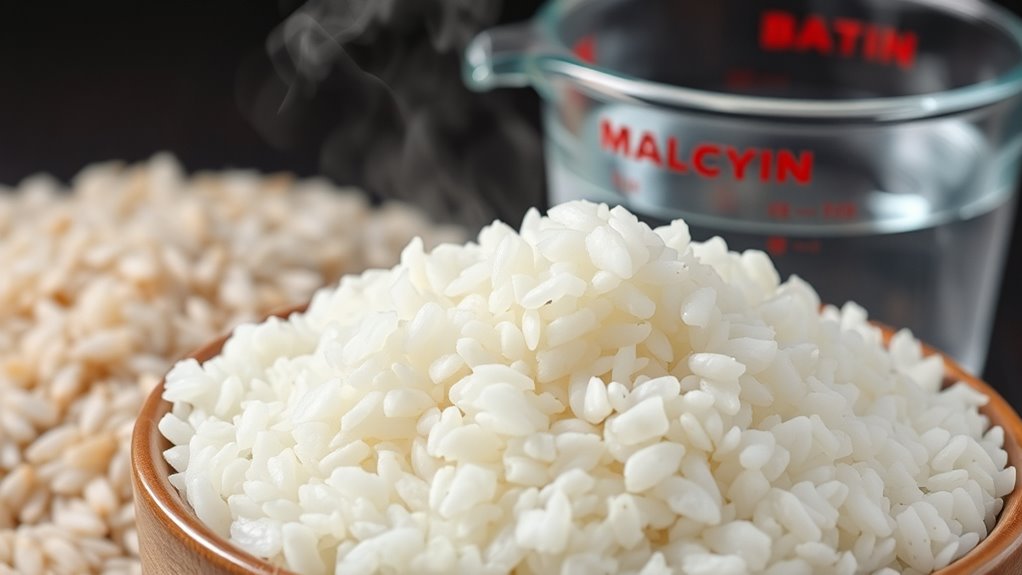
Getting the perfect texture starts with the right rice-to-water ratio. If you add too much water, your rice becomes mushy, while too little can leave it undercooked and hard. For fluffy, tender rice, generally use a 1:2 ratio—one part rice to two parts water. This ratio balances the cooking time and rice texture, ensuring the grains cook evenly without turning mushy. Keep in mind that different rice varieties may need slight adjustments, but sticking to this standard helps prevent overhydration. Always rinse your rice before cooking to remove excess starch, which can contribute to stickiness. Monitor your cooking time closely; once the water is absorbed, remove the pot from heat promptly to avoid overcooking and maintain the desired rice texture. Additionally, understanding the rice-to-water ratio can help optimize cooking results for different dishes and rice types.
measuring cups for rice and water
As an affiliate, we earn on qualifying purchases.
As an affiliate, we earn on qualifying purchases.
How Do Rice Types Affect Water Needs?
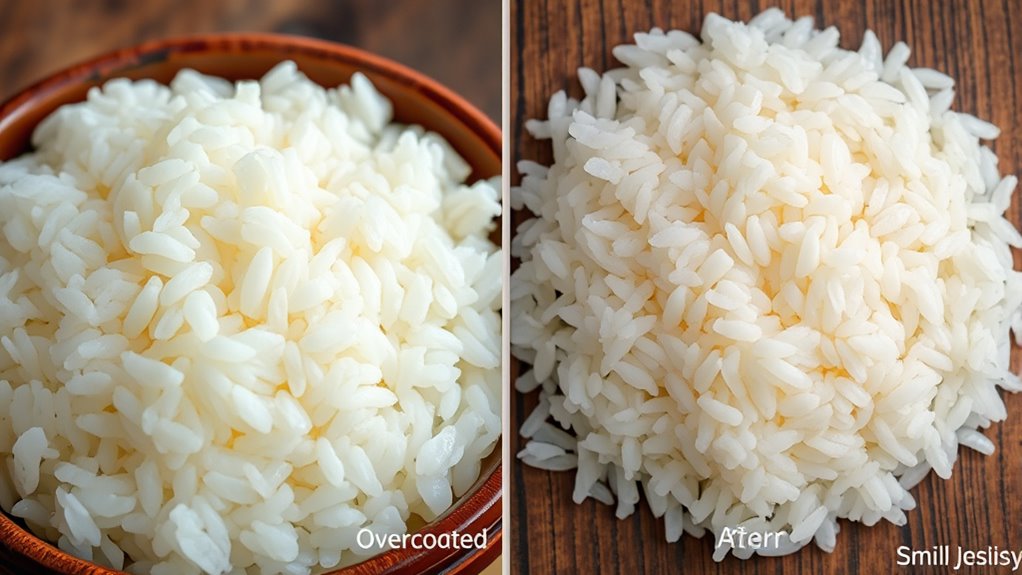
Different types of rice have varying absorption rates and textures, which directly influence how much water you need for perfect cooking. For example, long-grain rice, like Basmati, tends to have lower water absorption and stays fluffy, so it requires less water. Short-grain varieties, such as sushi rice, absorb more water and become stickier, needing a bit more. Sticky rice, often used in Asian dishes, has high water absorption and needs extra water to achieve its characteristic texture. Understanding your rice variety helps you adjust water amounts to avoid mushiness or dryness. Paying attention to water absorption properties allows you to select the right water ratio for each rice type, ensuring your cooked rice turns out perfectly tender and fluffy every time.
As an affiliate, we earn on qualifying purchases.
Does Your Cooking Method Change Water Requirements?
Your chosen cooking method substantially influences how much water you’ll need for rice. Different techniques, like boiling or steaming, require adjustments based on cooking temperature and rice storage conditions. Higher temperatures often evaporate water faster, meaning you might need a bit more water or shorter cooking times. Conversely, rice stored in humid environments may absorb more moisture, affecting your water ratio. Here’s a quick comparison:
| Method | Water Needs |
|---|---|
| Boiling | Slightly more water |
| Steaming | Less water, depends on temp |
| Absorption | Precise water ratio |
| Microwave | Varies with temperature |
| Slow Cooker | Less water due to low heat |
Adjust accordingly to avoid mushiness or undercooked rice.
As an affiliate, we earn on qualifying purchases.
How to Measure Rice and Water Accurately
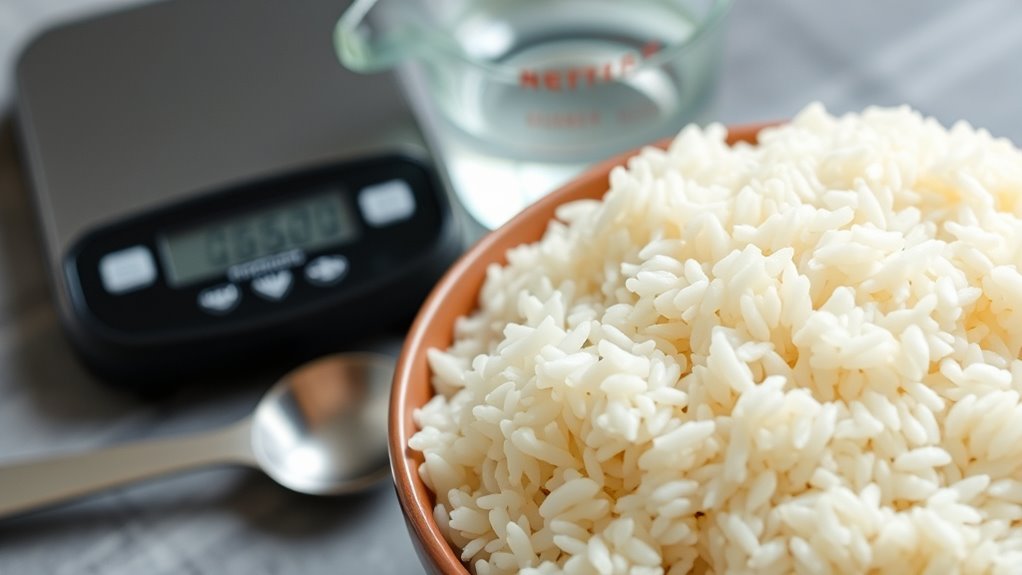
To get perfect rice, you need to measure both rice and water precisely. Use proper measuring tools like a standard measuring cup or scale for accuracy. Make sure to follow the recommended ratios to avoid mushy or undercooked rice. Paying attention to water-to-rice ratio ensures consistent results every time.
Use Proper Measuring Tools
Using the right measuring tools guarantees your rice turns out perfectly every time. Invest in accurate measuring cups for dry ingredients like rice, and use liquid measuring cups for water. These tools assure consistent results, preventing over- or under-measuring. For even more precision, consider using kitchen scales to weigh rice and water. Scales eliminate guesswork and maintain exact ratios, especially if you cook frequently or in larger batches. When measuring rice, use a dry measuring cup filled to the brim and leveled off. For water, opt for a clear liquid measuring cup and check at eye level. Proper tools help you stick to the right proportions, reducing the chances of mushy or undercooked rice. Accurate measurement is key to achieving fluffy, perfectly textured rice every time. Additionally, understanding the proper rice-to-water ratio is essential for consistent results.
Follow Standard Ratios
Achieving perfectly cooked rice depends on following the correct ratios of rice to water. Accurate measurement is essential for consistent results and better control over cooking techniques. Use a standard measuring cup or a kitchen scale to guarantee precision. The typical ratio is 1 cup of rice to 1.5 to 2 cups of water, depending on the rice variety and desired texture. Too much water can make your rice mushy, while too little can leave it undercooked. Consistently following these ratios helps preserve the rice’s natural flavor and prevents overcooking. Adjust the water slightly based on your rice type and personal preference, but always start with standard measurements. Proper measurement ensures better rice flavor and a reliably fluffy, non-mushy outcome.
Common Mistakes That Make Rice Mushy
One common mistake is using too much water, which leaves your rice mushy. Overcooking the rice grains also breaks down their structure, making them sticky and soft. Additionally, not maintaining the proper rice-to-water ratio can easily result in overly soft, undesirable rice. Using the right brewing method and technique can help you achieve perfect rice texture.
Excess Water Usage
Have you ever noticed your rice turning out mushy despite following the recipe? Excess water usage is a common mistake that affects water absorption and cooking consistency. When you use too much water, the rice grains can absorb excess moisture, resulting in a sticky, mushy texture. To avoid this, consider these tips:
- Measure water carefully: Use the correct rice-to-water ratio for your rice type.
- Rinse rice properly: Remove surface starch that can trap extra water.
- Cook with a lid: Keep steam in, controlling water evaporation and preventing excess absorption.
- Ensure proper airflow around the rice cooker or pot to promote even cooking and prevent overhydration airflow management.
Overcooking Rice Grain
Overcooking rice causes the grains to break down and release excess starch, which makes the rice turn mushy. When you cook rice too long, the grain texture becomes overly soft and sticky, losing its ideal firmness. Overcooking hazards include water absorption beyond the grain’s capacity, leading to a sloppy, unappealing dish. To prevent this, monitor cooking time carefully and check for doneness early. Removing the rice from heat promptly helps preserve the right grain texture, preventing it from becoming overly soft. Remember, the goal is tender yet separate grains, not a paste-like consistency. Overcooking is a common mistake that ruins rice’s perfect texture, so stay attentive during cooking to avoid ending up with a dish that’s too mushy. Paying attention to cooking times and adjusting heat accordingly can greatly improve your results.
Improper Rice-to-Water Ratio
Using too much water when cooking rice is a common mistake that leads to a mushy texture. To avoid this, you need the right rice-to-water ratio, which directly impacts your cooking techniques and rice flavor. Here are three tips to master it:
- Measure accurately: Use a standard cup to ensure consistency.
- Adjust for rice type: Brown rice needs more water, while white rice needs less.
- Follow specific ratios: For fluffy rice, stick to 1:1.5 (rice to water); for softer rice, go up to 1:2.
Getting the ratio right helps you perfect your cooking techniques and enhances rice flavor. Too much water makes rice sticky and mushy, so precision is crucial to achieving perfectly cooked rice every time.
How Rinsing and Soaking Influence Water Ratios
Rinsing and soaking your rice can considerably impact how much water it absorbs during cooking. Rinsing effects remove surface starches, resulting in fluffier rice with less stickiness, while soaking benefits allow grains to hydrate evenly, reducing the need for extra water. If you rinse your rice thoroughly, you’ll likely need slightly less water because surface starches won’t cause clumping. Soaking softens the grains beforehand, decreasing cooking time and water absorption. Proper water ratios are essential for achieving the ideal rice texture and consistency.
Adjusting Water Ratios for Altitude and Climate
When cooking rice at high altitudes or in different climates, you need to adjust the water ratio to guarantee proper doneness. Altitude adjustments are vital because boiling points drop, requiring more water and slightly longer cooking times. Climate considerations also matter: dry, hot environments make rice absorb water faster, while humid climates may require less. To get it right, consider these tips:
- Increase water slightly in high-altitude areas to compensate for faster evaporation.
- Reduce water in humid climates to prevent mushiness.
- Experiment with small adjustments, noting how your rice responds in different conditions.
Rice Cooker vs. Stovetop: What’s the Difference?
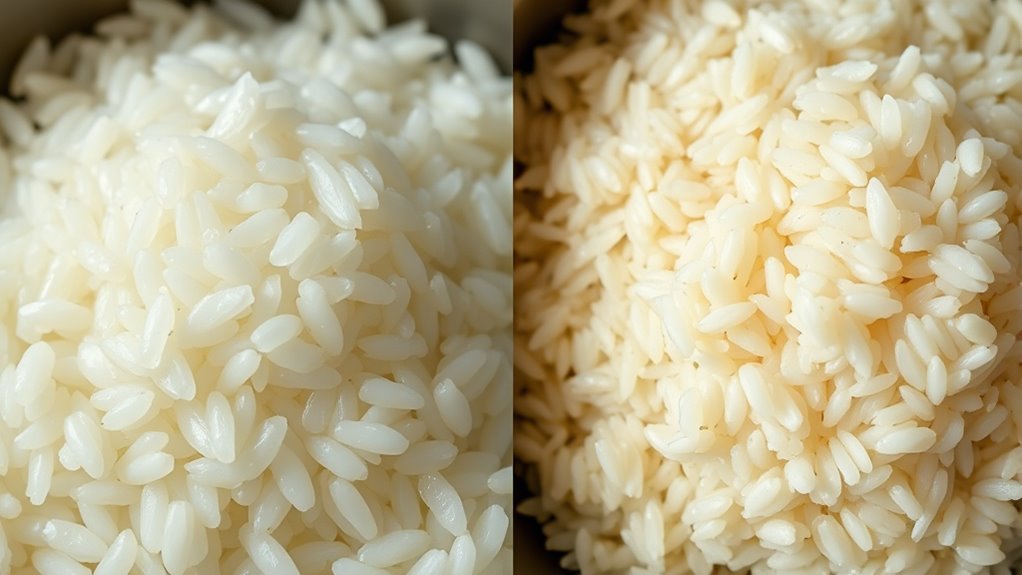
Choosing between a rice cooker and a stovetop can considerably impact how your rice turns out, especially when adjusting water ratios for different environments. With a rice cooker, the device automatically controls water absorption and temperature, ensuring consistent results regardless of rice grain type. It’s ideal for beginners or busy kitchens, since it simplifies the process and reduces the risk of mushiness. On the stovetop, you control the heat and water amount, giving you flexibility but requiring more attention. The rice grain’s water absorption rate varies with cooking method; stovetop cooking demands precise timing to prevent over-absorption, which can lead to mushy rice. Additionally, understanding the water absorption process can help you fine-tune your technique for better results every time. Understanding these differences helps you choose the right method for perfectly cooked rice every time.
Tips for Perfectly Fluffy, Tender Rice
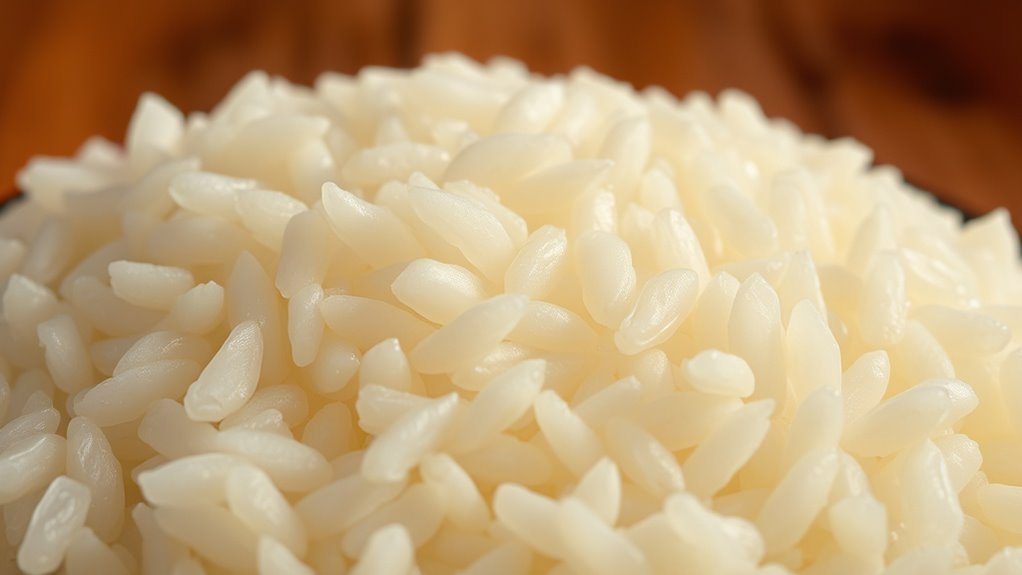
Getting perfectly fluffy, tender rice starts with the right water-to-rice ratio and proper cooking techniques. First, measure your rice accurately—usually 1 cup rice to 1.5 cups water. Second, use correct cooking methods: bring water to a boil, then reduce heat and simmer covered without lifting the lid. Third, enhance flavor with rice seasoning—consider adding a pinch of salt or aromatics like garlic or bay leaves during cooking. To prevent mushiness, avoid stirring during cooking, which can release starches and make rice sticky. Once cooked, let it rest for 5 minutes off heat, then fluff with a fork to separate grains. Additionally, controlling the cooking process ensures the rice maintains its ideal texture. These simple tips guarantee your rice turns out light, fluffy, and perfectly tender every time.
Frequently Asked Questions
Can Using Too Much or Too Little Water Ruin My Rice?
Yes, using too much or too little water can ruin your rice. Different rice varieties need specific cooking techniques and water ratios to turn out perfect. For instance, jasmine rice requires less water than brown rice. When you ignore these guidelines, your rice can become mushy or undercooked. Always adjust water amounts based on the rice variety and follow proper cooking techniques for the best results.
Does Rice Brand Impact the Ideal Water-To-Rice Ratio?
Yes, rice brand can impact the ideal water-to-rice ratio because different cooking methods and rice varieties absorb water differently. For example, long-grain rice often needs less water, while short-grain rice requires more. You should check the packaging or experiment with small batches to find the perfect ratio for each brand and variety. Adjustments guarantee your rice cooks fluffy and not mushy, no matter the brand you choose.
How Does Cooking Time Influence Rice Texture?
Imagine your rice as a delicate dance partner—cooking time sets the rhythm. If you extend the cooking duration, the rice absorbs too much water, softening into a mushy mess. Shorten it, and you’ll get firm, chewy grains. Adjusting cooking duration directly influences texture quality, so keep an eye on the clock to achieve that perfect bite. Too long, and you risk losing the ideal fluffy consistency you’re after.
Is There a Difference Between Measuring Rice by Volume or Weight?
Measuring rice by weight is more accurate than using volume, especially since different rice types have varying densities. Using proper measuring tools ensures consistency, regardless of your cooking method. When you measure by volume, you risk adding too much or too little rice, which can affect texture. To achieve perfect rice, always use a scale or proper measuring cups, and adapt your cooking methods accordingly for the best results.
Can Adding Salt or Oil Affect Water Absorption?
Adding salt or oil can influence water absorption during rice cooking. For example, a chef noticed her rice was less fluffy when she added too much oil, creating a barrier that slowed water uptake. Seasoning effects, like salt, can enhance flavor but also slightly increase water absorption by breaking down rice surface proteins. Cooking oil may reduce sticking, but too much can hinder water absorption, affecting rice texture.
Conclusion
By mastering the right rice-to-water ratio and understanding your rice type, you’ll cook perfect, fluffy rice every time. Are you ready to ditch mushy grains forever? With proper measurements, rinsing, and adjustments for your cooking method, you can achieve delicious results effortlessly. Don’t let guesswork ruin your rice—take control and enjoy the satisfying texture you deserve. Who knew that a simple ratio could make all the difference?