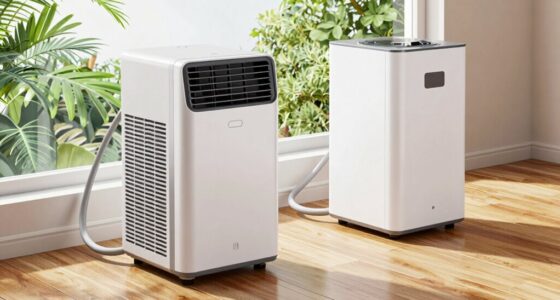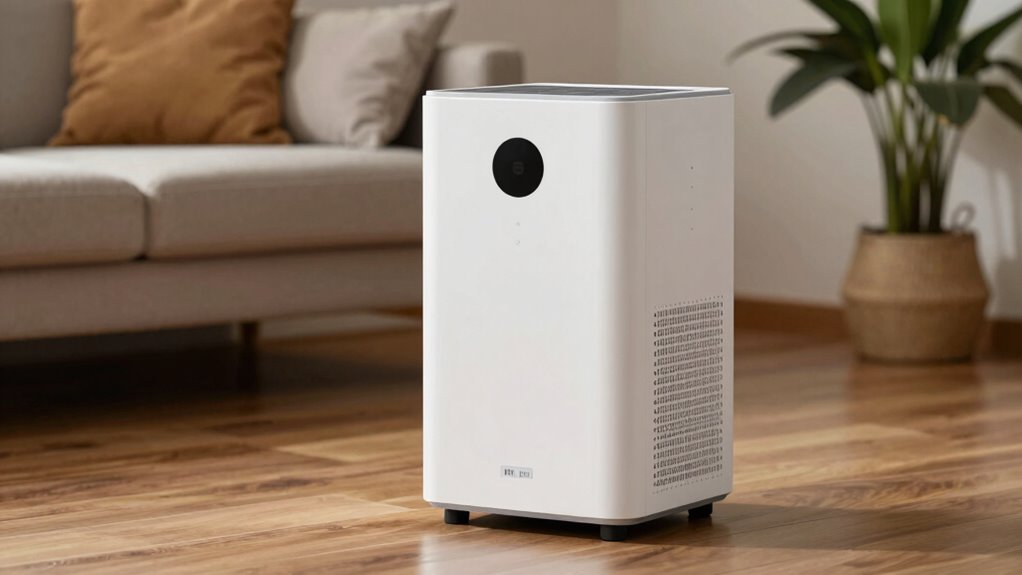

Choosing a portable AC with a higher BTU might seem like the way to cool your space faster, but it can actually cause problems. Too much cooling power leads to short cycling, uneven temperatures, and increased wear on the unit. It wastes energy and can make your space less comfortable. Instead, selecting a unit with the right BTU for your room size guarantees efficient, steady cooling. Stick around to find out how to pick the perfect size for your needs.
Key Takeaways
- Choosing a higher BTU than needed can cause short cycling, uneven cooling, and increased wear on the compressor.
- Oversized portable AC units often waste energy and raise utility bills due to excessive cooling capacity.
- Proper BTU matching based on room size ensures efficient cooling and better humidity control.
- An undersized unit struggles to cool the space, leading to constant operation and higher energy costs.
- Bigger isn’t always better; selecting the right BTU optimizes performance, longevity, and energy efficiency.

When choosing a portable air conditioner, understanding BTU ratings is essential because they directly determine how effectively the unit can cool a space. Many people assume that a higher BTU means better performance, but that’s not always the case. In fact, selecting an AC with too high a BTU for your room can lead to inefficiencies and unwanted side effects. It’s tempting to go for the most powerful unit available, but bigger isn’t always better. Instead, focus on finding the right balance that matches your space’s size and your needs.
BTU, or British Thermal Units, measures the cooling capacity of an air conditioner. If the BTU rating is too low, the unit struggles to cool the room adequately, which means it runs constantly, increasing energy consumption and driving up your utility bill. Conversely, an oversized unit with a high BTU rating cools the air quickly but tends to cycle on and off more frequently. This short cycling can cause uneven cooling, humidity issues, and increased wear and tear on the compressor. It also affects energy efficiency because the unit uses more power during each start-up, negating any perceived benefits of a higher BTU rating.
Energy efficiency is a critical factor when choosing your portable AC. An appropriately sized unit not only cools effectively but also consumes less electricity, saving you money over time. A unit that’s too powerful for your space wastes energy by cooling too fast and shutting off prematurely, then restarting frequently. This constant cycling strain reduces the overall energy efficiency of the unit and shortens its lifespan. On the other hand, a properly matched BTU rating ensures the AC runs smoothly, maintains a stable temperature, and uses power wisely, making it more environmentally friendly and cost-effective. Additionally, understanding cooling capacity is crucial because it helps you select the right size for your specific environment, preventing common issues associated with mismatched units.
Frequently Asked Questions
How Accurate Are BTU Ratings in Real-World Cooling?
BTU ratings can be misleading in real-world cooling because efficiency misconceptions and sizing myths often overstate their effectiveness. You might think a higher BTU means better cooling, but if the unit is oversized or undersized for your space, it won’t perform efficiently. Accurately evaluating your room size and insulation is key to choosing a portable AC that cools effectively without wasting energy, regardless of its BTU rating.
Do Higher BTU Units Consume More Energy?
Like a roaring lion, higher BTU units may seem powerful, but they often consume more energy. You’ll find that energy consumption increases with capacity, yet efficiency comparison shows that larger units aren’t always better for smaller spaces. Instead, choosing an AC with the right BTU for your room guarantees ideal cooling without wasting electricity. So, don’t be fooled by size—focus on efficiency to save energy and costs.
Can an Oversized Portable AC Cause Humidity Issues?
Yes, an oversized portable AC can cause humidity buildup, leading to moisture problems. When the unit cools the air too quickly, it doesn’t run long enough to dehumidify effectively, resulting in excess humidity. This moisture can promote mold growth and create a damp environment. To avoid these issues, choose a properly sized unit that balances cooling power with humidity control, ensuring a comfortable and healthy space.
How Does Room Insulation Affect BTU Requirements?
Like a knight battling a dragon, your room’s insulation efficiency fights against heat gain, affecting your BTU needs. Poor insulation causes thermal leakage, making your portable AC work harder and less efficiently. If your room isn’t well-insulated, you’ll need a higher BTU rating to cool effectively. Insulation acts as your shield, keeping cool air in and heat out, ensuring your AC performs at its best without overworking.
Are There Eco-Friendly Portable AC Options With High BTU?
Yes, you can find eco-friendly portable AC options with high BTU ratings. Look for models that use eco-friendly refrigerants, such as R32, which have a lower environmental impact. Also, choose energy-efficient models with good insulation and smart features to maximize cooling without wasting power. These options help you stay cool while reducing your carbon footprint, making them both effective and environmentally conscious choices.
Conclusion
So, next time you see a portable AC boasting a massive BTU rating, remember: bigger isn’t always better. You might think more BTUs mean cooler comfort, but it could just mean louder noise and wasted energy. Don’t fall for the hype—choose wisely and avoid the trap of “bigger is better.” After all, a cozy room isn’t measured by size but by smart choices. Stay cool, and don’t get duped by numbers!