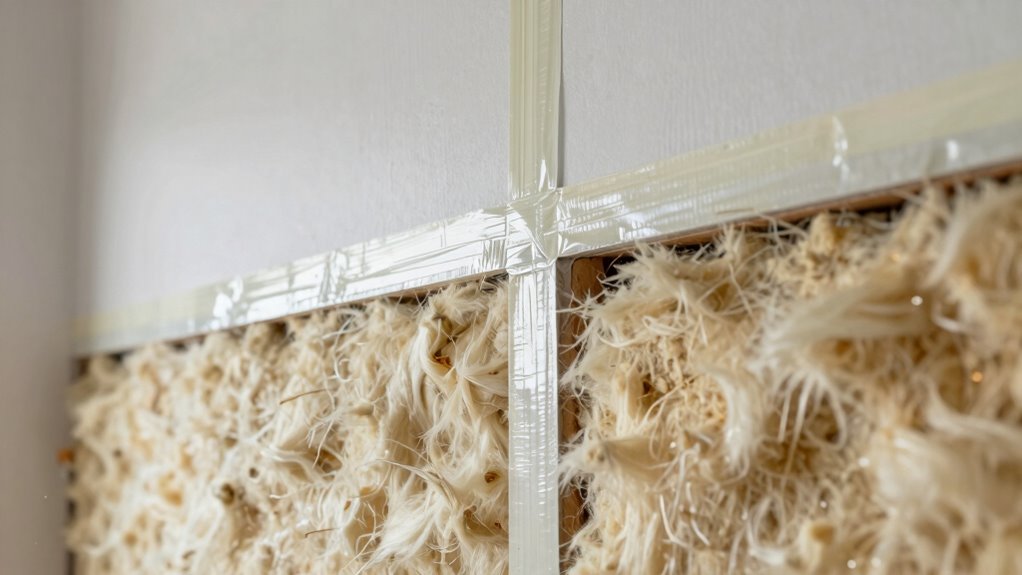

To maximize your home’s energy savings and comfort, always air seal first before installing insulation. Sealing leaks around windows, outlets, and ducts prevents drafts and moisture issues, ensuring insulation performs at its best. Proper sequencing boosts your HVAC system’s efficiency, reduces energy costs, and extends its lifespan. If you want to learn more about the best order for home improvements, keep exploring this key step to uncover long-term benefits.
Key Takeaways
- Air sealing should be performed before insulation to prevent drafts from compromising insulation effectiveness.
- Sealing air leaks around windows, outlets, and vents ensures insulation can perform its thermal resistance properly.
- Proper sequencing enhances energy efficiency, reduces moisture issues, and extends HVAC system lifespan.
- Insulation works best after air sealing, as it traps less drafts and moisture, maintaining its R-value over time.
- Starting with air sealing provides a solid building envelope foundation for optimal insulation and long-term home comfort.
Understanding the Role of Air Sealing in Home Comfort
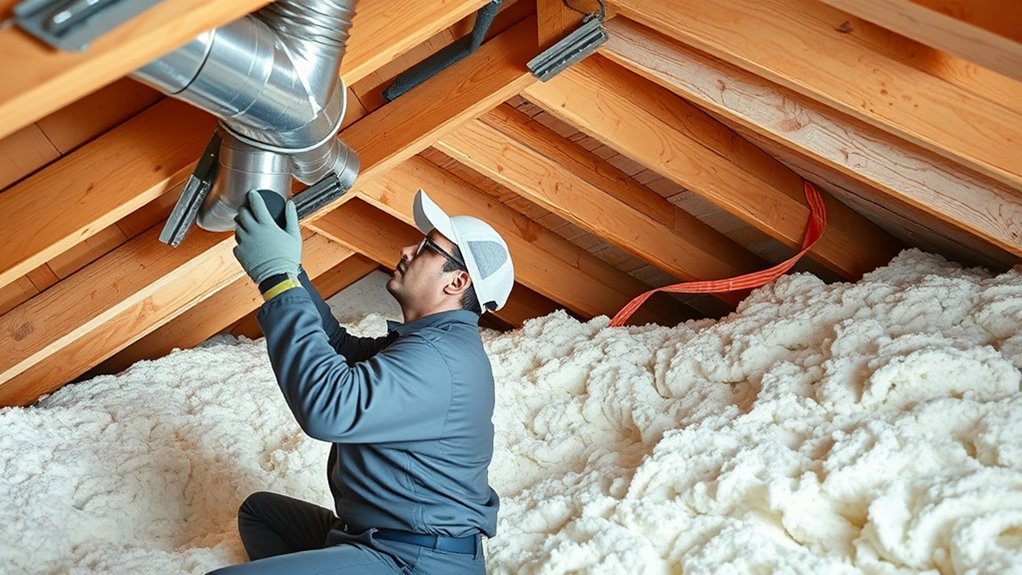
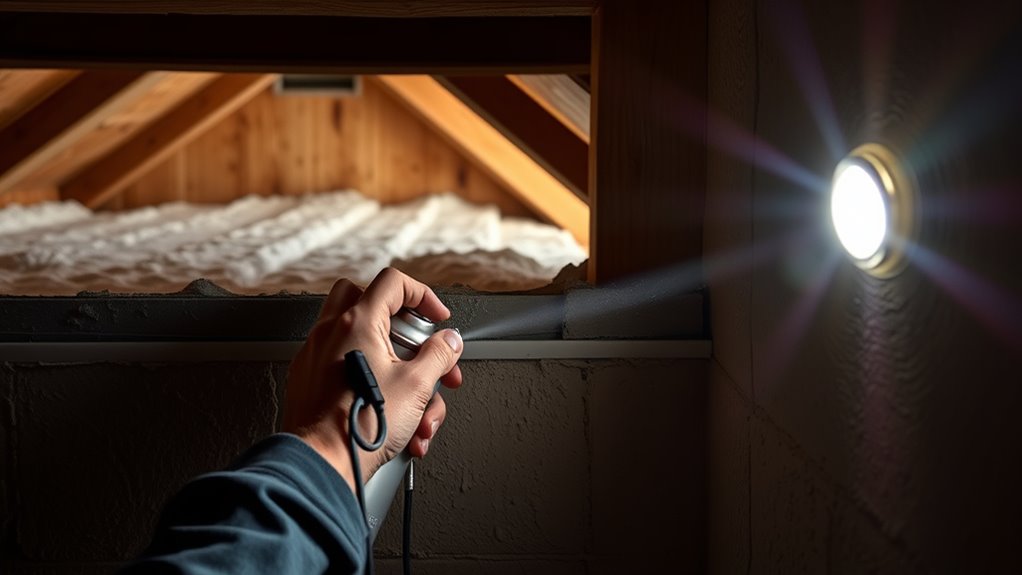
Air sealing plays a crucial role in maintaining a comfortable home environment by preventing drafts and reducing unwanted air leaks. Many homeowners have misconceptions about drafting techniques, believing they only involve sealing obvious gaps around windows and doors. In reality, effective air sealing targets hidden leaks in areas like attic hatches, electrical outlets, and plumbing penetrations. Proper air sealing minimizes drafts that can cause uneven temperatures and increase energy costs. It also helps prevent moisture issues and improves indoor air quality. Additionally, understanding the importance of high-quality insulation can significantly complement air sealing efforts, further enhancing your home’s energy efficiency. Recognizing the air barrier created by proper sealing can lead to better control over indoor climate. Properly designed air sealing techniques are essential for creating an effective barrier against air infiltration, which can dramatically improve energy performance. By understanding the role of air sealing, you can identify where leaks occur and apply the right techniques to seal them. This process creates a more consistent indoor climate, reduces strain on heating and cooling systems, and enhances overall comfort in your home. Incorporating airtight construction techniques can also optimize the effectiveness of your efforts and further improve your home’s energy performance. Moreover, implementing comprehensive air sealing methods ensures that all potential leak points are effectively addressed for long-term results.
The Importance of Proper Insulation for Energy Efficiency
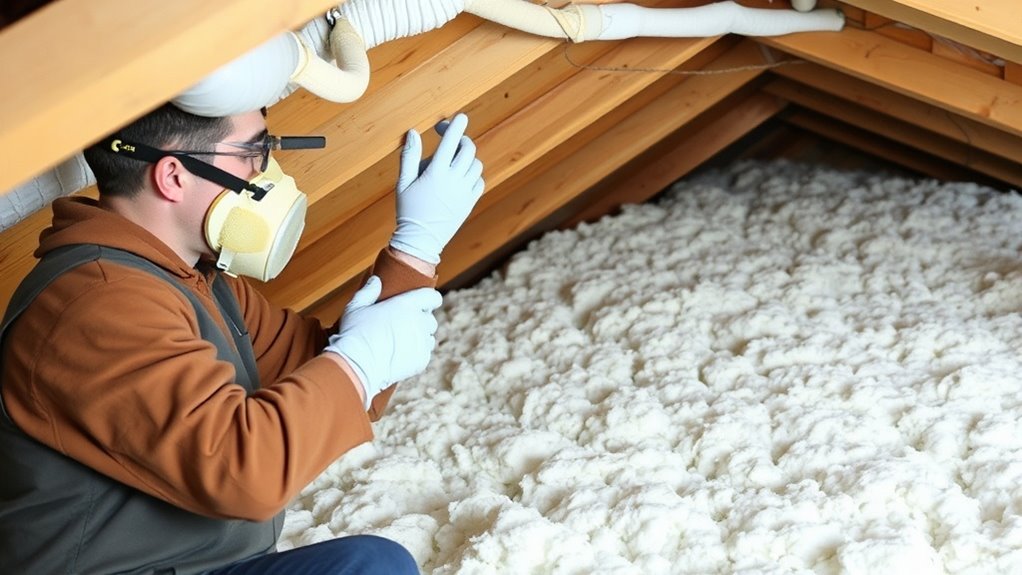
Choosing the right insulation material and installing it correctly can considerably boost your home’s energy efficiency. When you select proper materials and follow proper techniques, you reduce heat loss and lower energy bills. Proper installation practices ensure that insulation performs optimally and maintains its effectiveness over time. Focusing on these details makes a real difference in your comfort and savings. Additionally, understanding air sealing techniques ensures that your home is properly protected from drafts and air leaks, further enhancing overall energy performance. Proper insulation installation practices are essential to maximize these benefits and prevent common mistakes that can compromise energy savings. Recognizing the importance of energy efficiency can lead homeowners to prioritize precise installation and sealing methods for optimal results, especially considering how critical home comfort is to overall satisfaction.
Insulation Material Choices
Have you ever wondered how the right insulation material can markedly impact your home’s energy efficiency? Choosing the right material depends on your needs and budget. Fiberglass batt is a common option because it’s affordable and easy to install, making it ideal for walls and attics. It provides good thermal resistance when properly installed. Spray foam, on the other hand, offers superior air sealing and higher R-values, making it perfect for gaps and tricky spaces. It also acts as a vapor barrier, preventing moisture problems. Your choice should consider factors like climate, existing insulation, and whether you need added air sealing. Selecting the right insulation material guarantees your home stays warm in winter and cool in summer, maximizing energy savings and comfort.
Proper Installation Techniques
Proper installation is essential to guarantee your insulation performs effectively and maximizes energy savings. You need to follow correct techniques to ensure insulation is installed without gaps or compression, which can reduce its effectiveness. Pay attention to ventilation strategies; proper airflow prevents moisture buildup that can lead to mold and damage. Moisture control is critical—seal leaks and install vapor barriers correctly to prevent condensation issues. When installing insulation, ensure it fits snugly around electrical outlets, pipes, and vents. Proper installation not only improves thermal performance but also enhances indoor air quality by reducing drafts and moisture infiltration. Taking the time to do it right guarantees your insulation works as intended, providing comfort and energy efficiency for years to come. Regular practice and attention to installation techniques can significantly impact the overall effectiveness of your insulation system.
Why Air Sealing Should Come Before Insulation
Before installing insulation, sealing air leaks is crucial because it guarantees your efforts are effective and long-lasting. Air leakage can undermine insulation’s insulating power, causing drafts and higher energy bills. Proper draft control relies on addressing leaks first. Imagine this:
- Cracks around windows that let cold air seep in,
- Gaps behind outlets and switches,
- Unsealed attic hatches,
- Gaps around pipes and vents.
Sealing these issues stops unwanted air movement, making insulation more efficient. Without air sealing, insulation traps drafts and moisture, reducing its effectiveness and risking mold growth. Prioritizing draft control ensures your home’s envelope is airtight, saving energy and increasing comfort. You get the most out of your insulation investment when air leaks are closed first.
Additionally, considering the use of air sealing techniques can further enhance your home’s energy efficiency, especially when addressing common problem areas like attic hatches and electrical outlets. Incorporating air sealing methods can help target these vulnerable spots more effectively. Improving your home’s building envelope through proper sealing not only boosts energy savings but also enhances overall indoor comfort and air quality.
Common Mistakes When Prioritizing Insulation Over Air Sealing
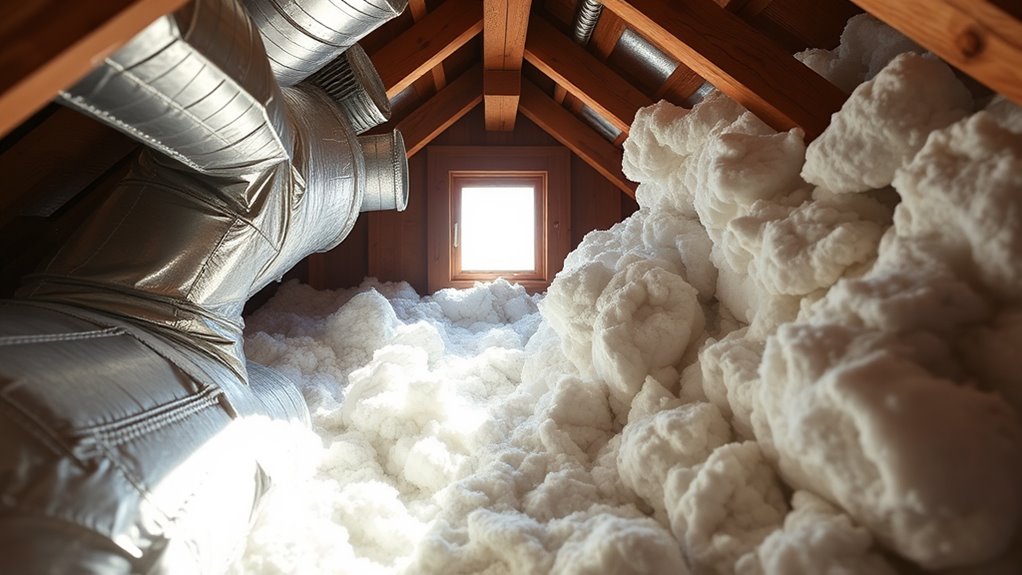
Skipping air sealing and jumping straight into insulation can seem like a quick fix, but it often leads to common mistakes that undermine your efforts. One mistake is relying solely on attic insulation, leaving gaps where air leaks occur. Without proper air sealing first, insulation won’t perform effectively, and you’ll waste money on unnecessary materials. Wall insulation is another area people overlook; they ignore leaks around outlets, pipes, or gaps in siding. This oversight traps air and moisture, reducing insulation’s R-value. Additionally, installing insulation without sealing major leaks can cause drafts, moisture buildup, and reduced energy efficiency. As a result, the building envelope remains compromised, allowing conditioned air to escape and outdoor air to infiltrate, which diminishes overall performance. Incorporating a holistic SEO approach ensures you address all aspects of the problem for better results. Addressing air infiltration early helps prevent moisture problems and enhances insulation effectiveness, leading to a more comfortable and energy-efficient home. Implementing comprehensive strategies that include proper sealing techniques can significantly improve energy savings and home comfort, making the investment more worthwhile. Taking a comprehensive approach can also save money in the long run by avoiding costly repairs and energy waste.
Step-by-Step Process for an Effective Home Upgrade
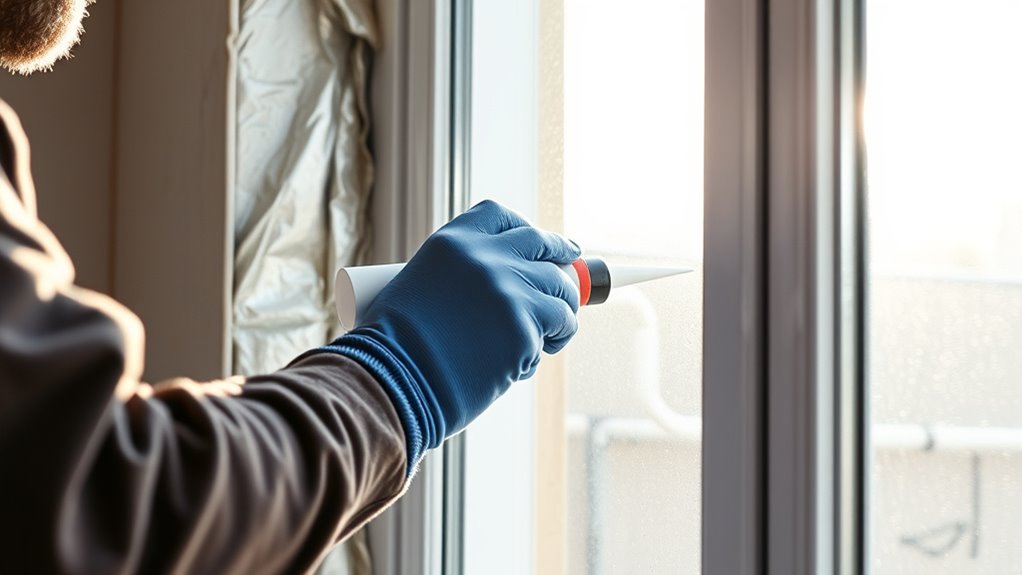
To guarantee your home upgrade is effective, start by evaluating your current air leaks and insulation gaps. Once identified, follow these steps:
- Seal visible leaks around windows, doors, and vents to prevent drafts. Addressing these air leaks early helps improve overall comfort and reduces energy loss. Utilizing advanced sealing techniques can further enhance the effectiveness of this step. Paying attention to building envelope integrity ensures all potential pathways for air infiltration are properly sealed.
- Perform HVAC maintenance to ensure systems run efficiently and moisture levels stay controlled.
- Install proper insulation in attics, walls, and floors to boost energy efficiency.
- Address moisture control by fixing leaks and installing vapor barriers where needed.
- Remember that airtightness plays a key role in maintaining a comfortable and energy-efficient home.
This sequence ensures air sealing precedes insulation, optimizing performance and comfort. Sealing gaps first reduces strain on your HVAC system and prevents moisture buildup, which can cause mold. Properly sequencing these steps creates a tighter, healthier home that’s easier to heat and cool effectively.
Long-Term Benefits of Correctly Sequencing Your Home Improvements

When you sequence home improvements correctly—starting with air sealing before insulation—you set the stage for lasting energy savings and enhanced comfort. Proper sequencing guarantees HVAC optimization, making your system more efficient and reducing energy bills. It also improves moisture control by preventing leaks that can lead to mold and rot. Air sealing first blocks drafts and unwanted airflow, allowing insulation to work more effectively. Over time, this approach minimizes stress on your HVAC system, extends its lifespan, and maintains consistent indoor temperatures. Additionally, controlling moisture reduces the risk of structural damage and indoor air quality issues. Overall, sequencing your upgrades properly delivers long-term benefits, providing a more comfortable, healthier, and energy-efficient home that saves you money for years to come.
Frequently Asked Questions
How Does Air Sealing Impact Indoor Air Quality?
Air sealing markedly improves indoor air quality by reducing the entry of outdoor pollutants and preventing drafts that can carry dust and allergens inside. When you seal leaks, you also enhance ventilation efficiency, making it easier to control indoor pollutants and maintain fresh air. This creates a healthier environment, minimizing irritants and allergens, and ensuring that your home’s ventilation system works effectively, ultimately contributing to cleaner, safer indoor air.
Can Insulation Alone Improve Home Energy Efficiency Significantly?
Think of your home as a cozy fortress. Insulation alone boosts thermal performance, keeping warmth in and cold out, and helps with moisture control. But without proper air sealing, drafts and leaks still let heat escape, reducing efficiency. So, while insulation improves energy use, sealing gaps makes it work even better. For true energy savings and comfort, combine insulation with air sealing, sealing those leaks like fortifying your walls.
What Are Signs of Poor Air Sealing in a Home?
You’ll notice signs of poor air sealing if you feel drafts around windows, doors, or electrical outlets. You might also see uneven heating or cooling, higher energy bills, or cold spots in your home. Use drafting tips to identify leaks and seal them with appropriate sealing materials like weatherstripping or caulk. Proper air sealing improves comfort and energy efficiency, making your home more comfortable and reducing costs.
How Often Should Homeowners Reassess Their Air Sealing and Insulation?
You should reevaluate your air sealing and insulation at least every few years, especially if you notice drafts, uneven temperatures, or increased energy bills. Following a regular maintenance schedule helps catch issues early. Schedule a professional assessment every 3-5 years to ensure your home stays energy-efficient. Proper upkeep prevents problems, prolongs insulation life, and keeps your home comfortable year-round.
Are There Specific Climates Where Air Sealing Is More Critical Than Insulation?
In extreme climates, air sealing becomes your superhero, saving you from a seasonal weather nightmare. If you live in freezing cold or scorching heat, air sealing is more critical than insulation because it blocks drafts and leaks that insulation alone can’t fix. Your building design matters too—tight, well-sealed homes keep temperatures stable. Prioritize air sealing in harsh climates to maximize comfort and energy efficiency all year round.
Conclusion
Prioritizing air sealing before insulation can reduce energy bills by up to 20%, making your home more comfy and efficient. When you seal leaks first, insulation works better and lasts longer. Skipping this step could leave gaps that waste energy, costing you more over time. So, follow the right order, and enjoy a cozy home that saves you money—it’s a simple change that makes a big difference for your comfort and wallet.