TL;DR

Prime made for students and young adults
- Fast, free delivery for dorm and study essentials
- Prime Video and Amazon Music included
- Member-only deals
Developers are testing phone-camera-based systems that allow consumers to objectively measure tooth shade at home. This innovation could improve the accuracy of teeth whitening results and influence the consumer oral-care market.
Developers are testing phone-camera-based systems that can objectively measure tooth shade at home, aiming to improve the accuracy of teeth whitening results. This innovation targets consumers who currently rely on subjective visual assessments and could significantly impact the consumer oral-care market by offering a calibrated, measurable approach to whitening progress.
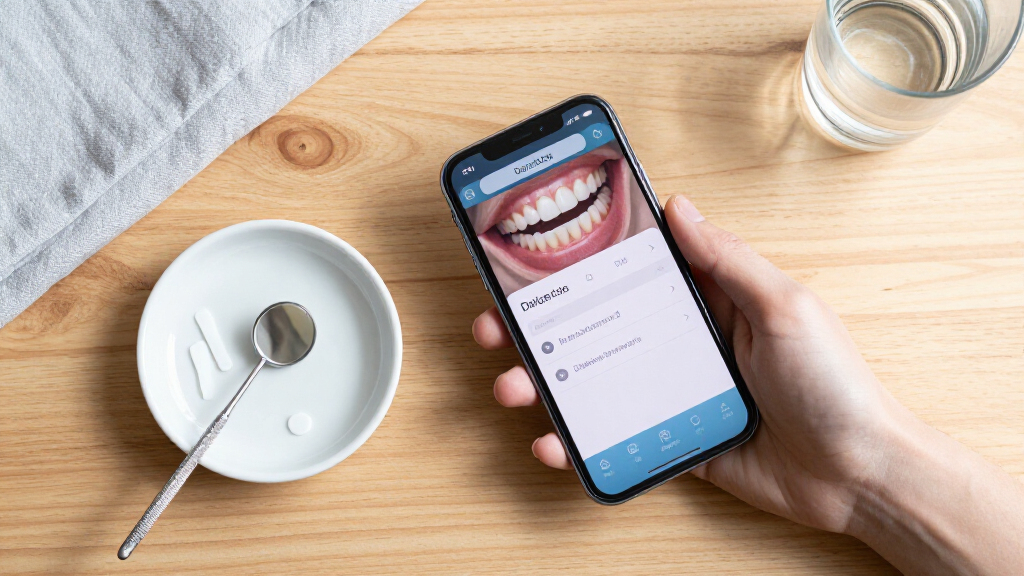
The concept involves a guided-lighting photo flow within an app that captures images of the user’s teeth using a smartphone camera. The system then compares the captured shade against a calibrated dental shade scale, such as VITA, to provide an objective score. This score can be tracked over weeks, allowing users to see which products, like strips, trays, or LED kits, effectively move their tooth shade.
According to sources familiar with the development, the initial testing involves benchmarking app-generated shade scores against dentist readings for approximately fifty users. The goal is to establish a strong correlation that validates the app’s accuracy in measuring tooth color objectively. If successful, this could lead to a new measurement layer in the home whitening process, reducing guesswork and improving consumer confidence.
Revenue models under consideration include subscriptions for ongoing tracking and affiliate sales of proven whitening products. The market size for consumer oral-care and beauty tech supports the potential for a broad adoption of such measurement tools, especially as consumers seek more objective feedback on their whitening efforts.
Potential Impact on DIY Teeth Whitening Results
This development could transform how consumers approach home teeth whitening by providing an objective, calibrated measurement of progress. Currently, users rely heavily on subjective visual assessments, which can be inconsistent and inaccurate. An app that accurately tracks shade changes can help users choose effective products, avoid overuse or ineffective treatments, and achieve more predictable results.
For the industry, this innovation introduces a measurement layer that could enhance product marketing, guide consumers towards proven solutions, and foster trust in DIY whitening procedures. It may also reduce product churn by helping users identify the most effective treatments earlier in their regimen.
smartphone tooth shade measurement tool
As an affiliate, we earn on qualifying purchases.
As an affiliate, we earn on qualifying purchases.
Advances in Consumer Dental Technology
The idea of using phone cameras for dental shade measurement is part of a broader trend toward prosumer dental tech, where consumers adopt tools traditionally confined to professional settings. Recent years have seen increased interest in at-home dental diagnostics, including apps that analyze oral health, whitening progress, or even detect early signs of dental issues.
Current home whitening methods—strips, trays, LED kits—are largely based on subjective judgment, which can lead to inconsistent results and user frustration. The market’s size, estimated in the billions globally, supports the development of measurement tools that can add precision and confidence to DIY treatments.
This particular innovation builds on advances in smartphone camera quality, guided-lighting, and image processing algorithms, which together can approximate the calibrated shade readings dentists perform with tools like VITA guides. The approach is still in testing, with validation against professional standards ongoing.
“The goal is to develop an app that can reliably match dentist-grade shade readings using just a phone camera and guided lighting, making objective measurement accessible at home.”
— an anonymous researcher
home teeth whitening progress tracker
As an affiliate, we earn on qualifying purchases.
As an affiliate, we earn on qualifying purchases.
Unconfirmed Aspects of Phone-Based Shade Measurement
It is not yet clear how well the app’s shade scores will correlate with dentist readings across diverse lighting conditions, teeth types, and user behaviors. Validation results are still pending, and the technology’s reliability in real-world settings remains to be demonstrated. Additionally, the degree of user compliance and ease of use will influence adoption and effectiveness.
As an affiliate, we earn on qualifying purchases.
Next Steps in Development and Validation
Developers plan to complete benchmarking studies with a larger user base to establish the accuracy and consistency of the app’s shade scores. If validation proves successful, they will move toward refining the guided-lighting system, expanding user testing, and preparing for commercial rollout. Further research may explore integrating the tool with existing whitening products and subscription services.
at-home teeth whitening kit with shade guide
As an affiliate, we earn on qualifying purchases.
As an affiliate, we earn on qualifying purchases.
Key Questions
How accurate are phone-based tooth shade measurements compared to professional dental tools?
Initial testing aims to establish a strong correlation with dentist readings, but full validation results are still pending. The goal is to approach professional accuracy using consumer-grade technology.
Can this technology help me get better whitening results at home?
Yes, if validated, it could provide objective feedback on your progress, helping you choose effective products and avoid overuse or ineffective treatments.
Will I need special equipment or lighting to use this app?
The system is designed to work with guided-lighting within the app, minimizing the need for external equipment. However, consistent lighting conditions improve accuracy.
When might this technology be available to consumers?
Development is ongoing, with validation studies underway. A commercial release could occur within the next year if validation is successful.
Is this technology secure and private?
Details about data security are still being finalized, but privacy concerns are a priority in development, especially regarding image data storage and processing.
Source: IdeaNavigator AI
Columbus Day / Indigenous Peoples' Day Picks
long weekend sales
As an affiliate, we earn on qualifying purchases.