
📊 Full opportunity report: Prevent Dental Gaps Early With Routine Gum-Line Photos on IdeaNavigator AI — validation score, market gap, and execution plan.

Prime made for students and young adults
- Fast, free delivery for dorm and study essentials
- Prime Video and Amazon Music included
- Member-only deals
TL;DR
Dental practices are exploring daily gum-line photo scoring as a preventive tool for early detection of inflammation. This method aims to identify issues before they worsen, potentially reducing dental gaps and improving oral health management between visits.
Dental hygienists are beginning to test a new method that uses daily phone photos of patients’ gum lines to detect early signs of inflammation, aiming to prevent dental gaps between routine visits. This approach leverages on-device scoring technology and aims to engage patients in preventive oral health care, potentially reducing the need for more extensive treatment later.
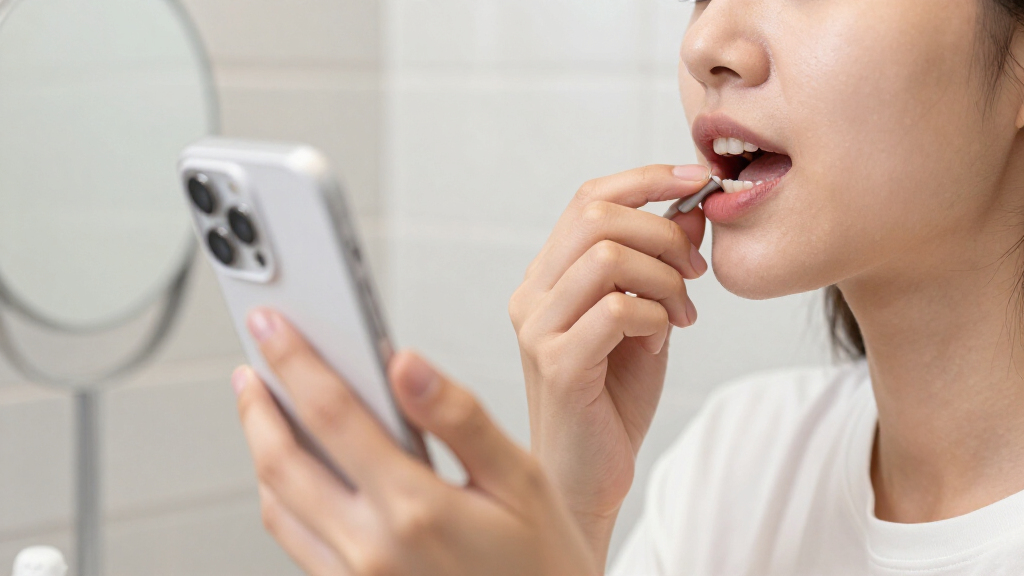
The initiative involves patients taking standardized photos of their gum lines daily using their smartphones, which are then analyzed with a scoring system to identify redness or inflammation. This trend score is compared against general dental-health benchmarks, alerting patients and hygienists to early issues.
According to an anonymous researcher involved in the pilot, the goal is to flag worsening redness or inflammation early, enabling timely intervention before problems become visible during routine checkups. The program is currently being tested with 20 patients over a three-week period, with results to be reviewed by the participating hygienist.
This method is seen as a practical addition to existing preventive care, especially as hygienists increasingly run recall programs that need innovative ways to maintain patient engagement between visits. The scoring system is designed to be simple and accessible, using existing smartphone technology without requiring specialized equipment.
Potential Impact on Preventive Dental Care
This new approach could significantly improve early detection of gum inflammation, which is often invisible to patients. By catching issues sooner, dental professionals can intervene before gaps form or more invasive treatments are needed. It also offers a way to keep patients actively involved in their oral health, potentially reducing the incidence of dental gaps and related complications.
Market experts note that integrating daily imaging with scoring algorithms could transform how preventive dental care is delivered, especially in a consumer health context. If validated, this method might become a standard component of recall programs, emphasizing proactive management over reactive treatment.
smartphone gum line camera attachment
As an affiliate, we earn on qualifying purchases.
As an affiliate, we earn on qualifying purchases.
Background and Pilot Program Details
Traditionally, gum inflammation and plaque buildup are only detected during routine visits, often after problems have already developed. The idea of using daily self-recorded photos is a response to the challenge of monitoring oral health between appointments.
The concept is supported by advances in smartphone camera quality and on-device scoring algorithms, making at-home oral imaging feasible. The pilot program, organized by dental hygienists, aims to test whether daily photos can reliably flag early signs of inflammation, with initial testing scheduled over three weeks involving 20 patients.
This initiative aligns with a broader trend toward consumer-oriented oral health monitoring tools, aiming to shift some preventive efforts from clinics to patients’ homes.
“The goal is to identify early signs of inflammation through simple daily photos, enabling timely intervention before issues become more serious.”
— an anonymous researcher
As an affiliate, we earn on qualifying purchases.
Unconfirmed Aspects of the Photo Scoring Method
It is not yet clear how accurately the daily photo scoring will predict actual inflammation or prevent dental gaps. The pilot results are pending, and further validation is needed to confirm reliability and user compliance.
Details about long-term effectiveness, patient engagement, and integration into existing dental workflows remain to be seen.
dental inflammation detection device
As an affiliate, we earn on qualifying purchases.
As an affiliate, we earn on qualifying purchases.
Next Steps in Validating Daily Gum-Line Photo Monitoring
The pilot involving 20 patients will conclude after three weeks, with results reviewed by the hygienist. If successful, plans include expanding the trial to larger patient groups and refining the scoring algorithm. Future developments may see this approach adopted more broadly in preventive dental care programs.
Researchers and dental practices will monitor the outcomes to determine if this method can reliably detect early inflammation and reduce dental gaps over time.
As an affiliate, we earn on qualifying purchases.
Key Questions
How effective are daily gum-line photos in detecting early inflammation?
Effectiveness is still being tested; initial pilot results will determine how accurately the photos predict inflammation before symptoms appear.
Can patients easily take these photos at home?
Yes, the method uses standard smartphone cameras and standardized photo guidelines to ensure consistency and ease of use.
Will this method replace regular dental checkups?
No, it is intended as a supplementary tool to improve early detection between routine visits, not a replacement for professional evaluations.
What happens if the scoring system flags early inflammation?
The patient would be advised to consult their hygienist or dentist for further assessment and possible intervention during the next visit.
Is this approach available commercially now?
No, it is currently in the pilot testing phase and not yet available for widespread use.
Source: IdeaNavigator AI
Fall Picks
fall essentials
As an affiliate, we earn on qualifying purchases.