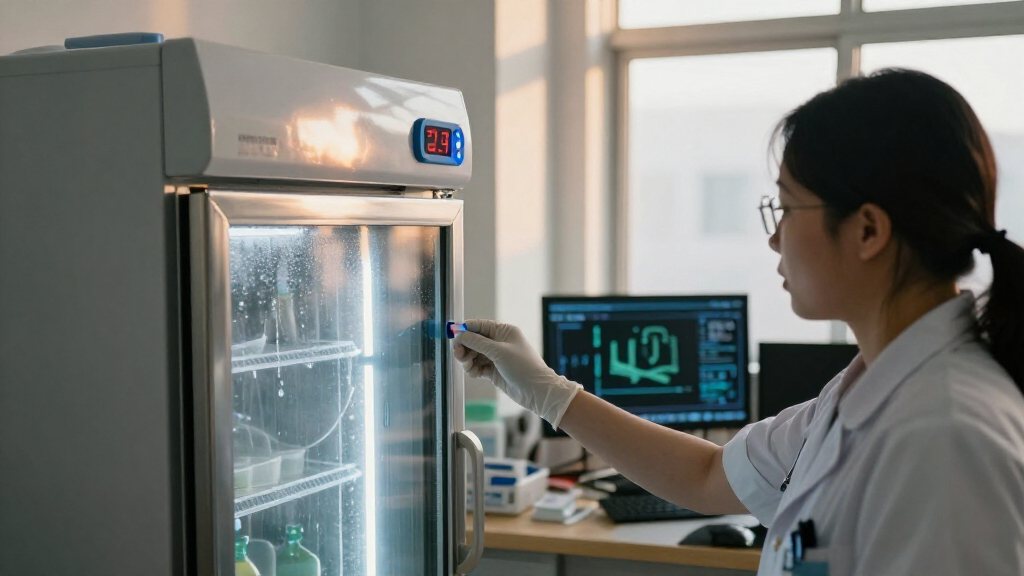

🔍 Read the full analysis: How To Understand The Hack That Reached A Blood Bank's Plasma Freezers on ThorstenMeyerAI.com

Prime made for students and young adults
- Fast, free delivery for dorm and study essentials
- Prime Video and Amazon Music included
- Member-only deals
TL;DR
France’s national blood service, the EFS, said a cybersecurity incident involving a refrigeration contractor affected cold-room controls at three sites overnight from Nov. 1 to 2, 2026. The EFS says alarms detected abnormal settings, plasma was moved as a precaution, and no health impact or loss of blood products was reported. Reports that the controls were set to 110 °C describe a programmed target, not a measured room temperature.
France’s national blood service said a cybersecurity incident involving a refrigeration contractor affected cold-room supervision and controls at three EFS sites overnight from Nov. 1 to 2, putting rooms containing frozen plasma at risk of warming. The EFS said its alarms detected the abnormal settings, staff moved the products as a precaution, and no health impact or loss of blood products had been identified.
In a statement issued Nov. 3, the Établissement français du sang (EFS) said a contractor responsible for refrigeration equipment had experienced a cybersecurity incident. The affected installations supervised and controlled cold rooms at three sites. The EFS said temperature and defrost thresholds had been raised to very high levels, but its statement did not specify a number or name the contractor.
Le Canard enchaîné, whose reporting was cited by other French outlets, reported that rooms intended to run at −30 °C were set to a target of 110 °C and identified the contractor as Coolworld. That company identification and the precise setting have not been confirmed in the EFS statement. The 110 °C figure refers to a controller setting, according to the reports; no source cited reports that a room actually reached that temperature.
The rooms held frozen plasma for transfusions and plasma intended for fractionation, a process used to make medicines. The EFS said monitoring and alarm systems detected the anomalies quickly, after which equipment was brought under control or switched off and products were transferred to other installations. It said technical teams were working with France’s national cybersecurity agency, ANSSI, and the health ministry, and that monitoring of EFS equipment had been increased.
Infographic 01 · 110 °C, explained
A setting, not a temperature
Someone raised the targets of plasma cold rooms at France’s blood service to +110 °C. The rooms never got there. What mattered was the alarm.
Frozen plasma has to stay at or below this line. The danger was thawing, not boiling. A few degrees too warm can already mean discarding bags.
- +110 °CThe programmed setpointTyped into the controller (Canard). Never reached, never measured.
- ~+50 °CHottest reported in the supermarket waveDefrost heaters forced on, same night (AFP, ZDFheute)
- −25 °CThe line that mattersFrozen plasma is stored at −25 °C or colder (EDQM guide via ISBT)
- −30 °CNormal operation of the EFS cold roomsAs reported by Le Canard enchaîné
Why the alarm won
- DetectionEFS monitoring and alarms flagged the anomaly quickly (EFS)
- A person on callAn on-call technician saw the temperature rise in the night (Canard)
- A plan BThe plasma was moved to other installations as a precaution (EFS)
Sources: EFS communiqué, 3 Nov 2026, via franceinfo · Le Canard enchaîné, as reported by Solutions Numériques · ISBT, citing the EDQM Guide · AFP via Al Jazeera, 4 Nov · ZDFheute, 3 Nov. The 110 °C and −30 °C figures come only from Le Canard enchaîné; the EFS gives no number.
Powered by Thorsten Meyer AI
Why Plasma Cold Storage Matters
Frozen plasma must remain within controlled temperature conditions to preserve its use for patients and medicine production. The International Society of Blood Transfusion’s summary of European guidance says fresh frozen plasma is stored at −25 °C or colder. A room warming beyond required limits could put stored products at risk, even though the widely circulated 110 °C figure was a programmed target rather than a recorded temperature.
The incident also shows how a security problem at a third-party service provider can reach equipment supporting healthcare operations. The EFS has not said that patient care was disrupted, and it reported no product loss or health impact. In this case, alarms, an on-call response and the ability to move stock helped contain the risk before the service reported harm.
For hospitals and other organizations that rely on cold storage, the event highlights the value of monitoring that can flag unsafe conditions and procedures for relocating temperature-sensitive stock. The EFS has not published technical details about how access was obtained, so the incident does not establish a specific weakness or attack method.
Popular right now

KitchenAid Artisan 5-Quart Tilt-Head Stand Mixer, Almond Cream

Dyson Car+Boat Cordless Handheld Vacuum

Ninja SP151 Flip Toaster Oven and Air Fryer
As an affiliate, we earn on qualifying purchases.
How the Contractor Systems Were Reached
The EFS is France’s national blood service, collecting donations and supplying hospitals. Its statement described the incident as affecting the supervision and control installations for cold rooms at three locations, rather than saying the EFS itself was directly targeted. The contractor was not named in the EFS release. Le Canard enchaîné reported Coolworld was involved, but that identification remains attributed to the newspaper’s reporting.
The incident took place during the same night as a second wave of attacks affecting supermarket refrigeration systems in multiple European countries, according to the source material. The two events have not been linked by an authority. Two groups describing themselves as pro-Russian later claimed the supermarket attacks in a video, but that claim was unverified, the posts were deleted, and no government had publicly attributed those attacks to a perpetrator as of Nov. 4. Those claims do not establish a connection to the EFS incident.
Reports of the blood-service event also circulated with the phrase “boiled blood.” That description is misleading: 110 °C was reported as a setpoint, not a measured temperature. The source material gives no measured maximum for the EFS rooms. The relevant concern was whether the plasma could warm above its safe storage range, not whether it reached the controller’s requested target.
““The EFS monitoring and alarm systems made it possible to identify these anomalies quickly.””
— Établissement français du sang, statement issued Nov. 3
What the Incident Record Does Not Show
The EFS has not named the refrigeration contractor in its public statement or described how the systems were accessed, what credentials or other pathways may have been involved, or whether data were taken. Coolworld was identified by Le Canard enchaîné, but the source material says the company had not commented publicly. The EFS did not publicly identify two of the three affected sites; Bourgogne-Franche-Comté was named in reporting attributed to the newspaper.
The EFS statement does not give the exact setpoints, the duration of the abnormal settings, or the highest temperature actually reached in any room. The reported 110 °C figure comes from Le Canard enchaîné, not the EFS statement, and should not be treated as a measured temperature. The service says no products were lost and no health impact was identified; it has not released detailed temperature records in the material available here.
Authorities have not publicly connected this case to the attacks on supermarket refrigeration that occurred the same night. The supermarket attackers’ later claims were unverified and do not provide evidence about who accessed the EFS contractor’s systems. The incident’s perpetrator, motive and any relationship to other cyber events remain unknown.
EFS and ANSSI Review Controls
The EFS said technical teams were working with ANSSI and the health ministry and that temperature monitoring across its equipment had been stepped up. The source material does not give a timetable for that work or say whether investigators have identified the access route or responsible party.
Further information from the EFS, the contractor or French authorities could clarify the affected sites, actual temperature readings, duration of the disruption and steps taken to secure remote supervision. Until those details are released, the confirmed account is limited: a contractor-related cybersecurity incident affected cold-room controls at three EFS sites, alarms prompted a response and the service reported no loss of products or health impact.
Key Questions
Did the plasma reach 110 °C?
There is no report that it did. The 110 °C figure was reported as a programmed controller target, not a measured temperature. The EFS has not published the highest temperature recorded in the affected rooms.
Was any blood product lost?
The EFS said no loss of blood products was reported. It said the products were moved to other installations as a precaution after alarms detected the abnormal settings.
Who was responsible for the refrigeration systems?
The EFS described the incident as involving one of its refrigeration equipment contractors but did not name the company. Le Canard enchaîné identified Coolworld; that identification has not been confirmed in the EFS statement.
Was this connected to the supermarket refrigeration attacks?
No authority cited in the source material has linked the EFS incident to the supermarket attacks. The attacks occurred the same night, but a shared perpetrator or campaign has not been established.
What is being done now?
The EFS said its technical teams were working with ANSSI and the health ministry, and that it had increased temperature monitoring across its equipment. It has not announced a completion date or released technical findings about how the systems were accessed.
Source: ThorstenMeyerAI.com