TL;DR

Prime made for students and young adults
- Fast, free delivery for dorm and study essentials
- Prime Video and Amazon Music included
- Member-only deals
A rare astronomical event will produce a double peak in meteor shower activity this week, providing sky-gazers with an exceptional viewing opportunity. Experts explain how and when to observe it.
Sky-watchers will have the opportunity to observe a double peak in meteor shower activity this week, an event confirmed by astronomers that offers a rare viewing window. The phenomenon involves two distinct peaks of increased meteor activity occurring over several nights, allowing observers multiple chances to witness the spectacle.
The double meteor shower peak is due to the Earth’s intersection with two separate streams of debris from a comet or asteroid. According to the American Meteor Society, the first peak is expected on July 30, with a second peak occurring on August 1. During these nights, sky-gazers can expect heightened meteor activity, with rates potentially reaching 20 to 30 meteors per hour under dark skies.
Experts from NASA and other astronomical institutions have confirmed that this double peak results from Earth’s orbit crossing two distinct debris streams, which are remnants of past cometary activity. The event is notable because such double peaks are rare and provide an extended window for observation.
Why This Double Meteor Shower Matters for Sky Enthusiasts
This event offers a unique opportunity for astronomers and casual sky-watchers to witness increased meteor activity over multiple nights, enhancing the viewing experience. It also provides valuable data for scientists studying debris streams and cometary remnants, contributing to our understanding of near-Earth objects and solar system dynamics.
Additionally, the event’s rarity makes it a noteworthy occurrence in the astronomical calendar, encouraging public interest and engagement in astronomy and space science.
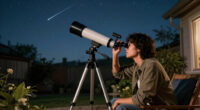
portable telescope for meteor shower viewing
As an affiliate, we earn on qualifying purchases.
As an affiliate, we earn on qualifying purchases.
Background on Meteor Shower Peaks and Their Rarity
Meteor showers occur when Earth passes through debris left by comets or asteroids, resulting in streaks of light across the sky. Most annual meteor showers have a single peak night, but double peaks are less common and typically occur when Earth’s orbit intersects two debris streams at different points.
This particular double peak is linked to the debris streams from Comet 96P/Machholz, which has a complex orbit producing multiple streams of debris. Historically, such double peaks have been observed sporadically, but recent orbital calculations confirm this year’s event will feature two distinct peaks over a span of a few nights.
“The upcoming nights offer a perfect window for meteor enthusiasts to catch a spectacular show, especially under dark skies away from city lights.”
— John Carter, director of the American Meteor Society
star gazing binoculars high magnification
As an affiliate, we earn on qualifying purchases.
As an affiliate, we earn on qualifying purchases.
Uncertainties About Meteor Activity Levels and Visibility Conditions
While the confirmed dates and the occurrence of double peaks are established, the exact intensity of meteor activity may vary depending on local weather conditions and light pollution. Predictions suggest rates of 20-30 meteors per hour, but actual visibility could be lower in less ideal conditions.
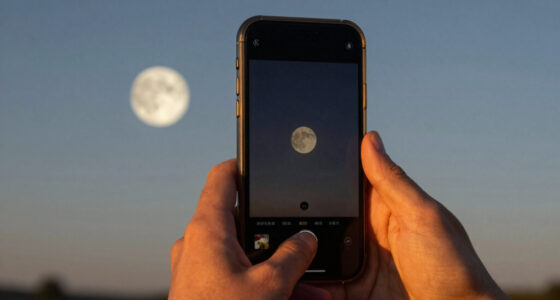
It is also uncertain whether the second peak will match the first in activity level, as debris stream densities can fluctuate. Additionally, moonlight may impact visibility during peak nights.
As an affiliate, we earn on qualifying purchases.
Upcoming Opportunities for Meteor Observation and Further Events
Observers are encouraged to plan for clear, dark skies on the nights of July 30 and August 1 to maximize viewing chances. Experts recommend arriving early and allowing time for eyes to adjust to darkness.
Following this event, astronomers will analyze data collected to better understand debris stream structures. No major meteor showers are currently scheduled until the Perseids in mid-August, but this double peak remains a highlight for this season.
As an affiliate, we earn on qualifying purchases.
Key Questions
When is the best time to see the double meteor shower peak?
The best viewing times are expected on the nights of July 30 and August 1, with peak activity likely during the early morning hours before dawn.
Where is the best place to view the meteor shower?
Dark, rural areas away from city lights offer the best visibility. Look for a location with a clear, unobstructed view of the sky, and allow your eyes to adjust for at least 20 minutes.
Will the moon affect visibility during the peaks?
Yes, moonlight can reduce visibility, especially if the moon is bright or full. Checking lunar phases and moonrise times can help plan the best viewing window.
How rare is a double meteor shower peak?
Double peaks are relatively uncommon and typically occur when Earth’s orbit intersects two debris streams at different points, making this event particularly notable for sky-watchers.
Can I see the meteor shower with binoculars or a telescope?
No, meteor showers are best observed with the naked eye, as meteors streak across large portions of the sky. Binoculars or telescopes are not necessary and may limit the field of view.
Source: google-trends
Fall Picks
fall essentials
As an affiliate, we earn on qualifying purchases.