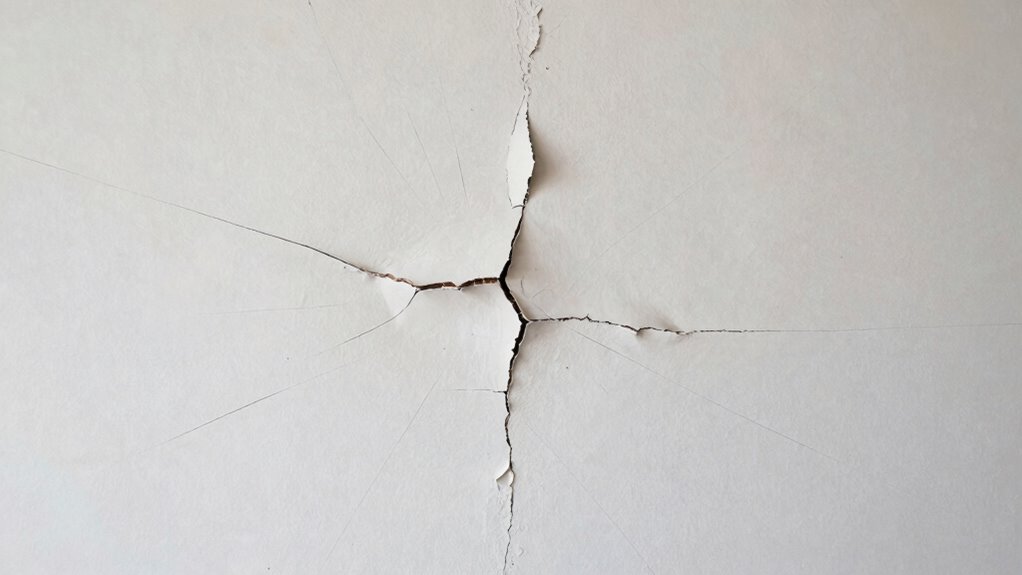

Seams crack in painted walls mainly because of poor surface preparation, which prevents paint from sticking properly. When you skip cleaning, sanding, or priming, imperfections and dust can cause the paint to weaken and crack over time. Environmental factors like temperature changes and humidity also add stress to the paint, making seams more prone to cracking. Using quality materials and applying them correctly helps prevent this issue. Keep exploring to discover how to guarantee a long-lasting, flawless finish.
Play games included with Prime
Start a Prime free trial and play with Amazon Luna on your devices.
As an affiliate, we earn on qualifying purchases.
Key Takeaways
- Poor wall preparation can weaken paint adhesion along seams, leading to cracks over time.
- Wall movement or shifting creates stress that causes seams to crack in painted surfaces.
- Inadequate surface cleaning or primer application hampers bonding, resulting in seam cracks.
- Environmental factors like temperature changes and humidity cause expansion and contraction, stressing seams.
- Using low-quality or incompatible paints reduces flexibility, increasing the likelihood of cracks along seams.
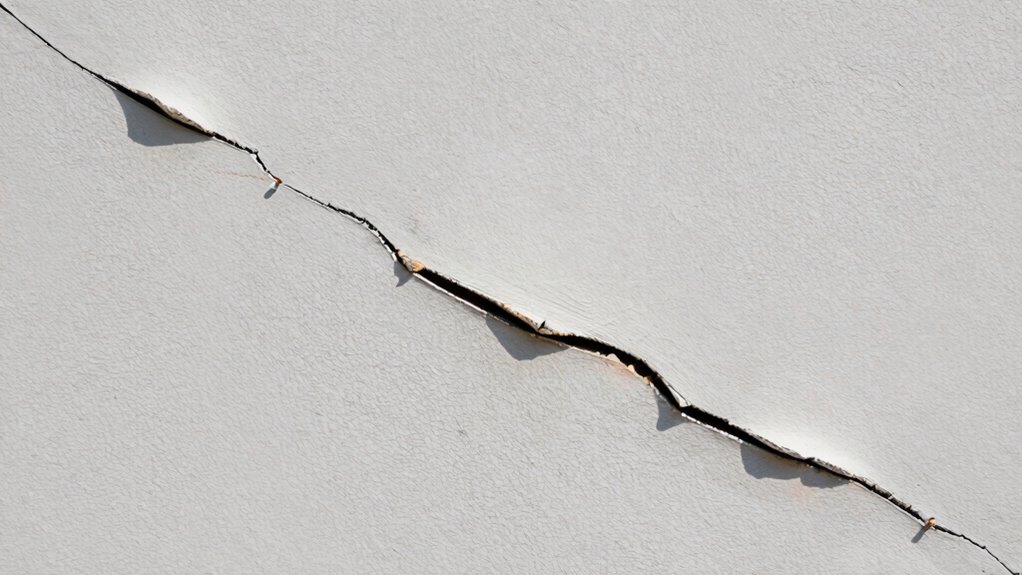
Cracks along the seams of painted walls can quickly become eyesores and signal underlying issues that need attention. When these cracks appear, it’s often due to a failure in wall preparation or a breakdown in paint adhesion over time. To prevent seams from cracking, you need to understand what causes these issues and how to address them properly before painting. Proper wall preparation is essential because it creates a smooth, stable surface that helps paint adhere evenly and securely. If you skip steps like cleaning, sanding, or applying primer, the paint may not bond well to the wall, increasing the likelihood of cracks developing along seams or joints.
Proper wall preparation prevents cracks and ensures a smooth, durable paint finish.
Inadequate wall preparation leads to surface inconsistencies, such as dust, grease, or loose paint, which can interfere with paint adhesion. When paint doesn’t stick firmly, it can crack and peel as the wall shifts or settles. Additionally, if you apply paint over a patchy or uneven surface without smoothing it out, the stress on the paint film can cause it to crack along seams or joints. Properly sanding the wall and filling gaps or holes ensures a uniform surface, which improves paint adhesion and reduces the chances of cracking. Proper surface preparation is fundamental because it directly impacts the durability of the paint. Recognizing the importance of material compatibility can help prevent issues caused by using incompatible paints or primers.
Environmental conditions such as temperature and humidity** can also influence how well paint performs over time. Rapid temperature changes or high humidity during or after painting can cause the wall material to expand or contract. This movement puts stress on the paint film, especially along seams where different materials or repairs may exist. If the environment isn’t controlled during application and drying, the paint’s flexibility diminishes, leading to cracks and seam separation over time. That’s why choosing the right time and environment for painting is vital to ensure long-lasting results. Additionally, understanding environmental factors** can help you plan your project for optimal conditions.
The type of paint you use matters too. Low-quality or incompatible paints tend to crack more easily because they lack the flexibility needed to withstand wall movement. High-quality paints designed for the conditions in your space will better accommodate expansion and contraction, maintaining good adhesion and preventing cracks along seams. Applying thick coats or multiple layers without proper drying time can also weaken the bond, increasing the risk of cracking.
Ultimately, avoiding cracks along seams in painted walls comes down to thorough wall preparation, choosing the right paint, and controlling environmental factors. When you take the time to prepare the surface properly — cleaning, sanding, priming — and use quality materials, you greatly improve paint adhesion. This foundation helps your paint stay intact longer, preventing unsightly cracks and maintaining a smooth, attractive finish over time. Proper paint adhesion is essential for long-lasting, crack-free walls.
wall primer for crack prevention
As an affiliate, we earn on qualifying purchases.
As an affiliate, we earn on qualifying purchases.
Frequently Asked Questions
Can Temperature Fluctuations Cause Seam Cracks?
Yes, temperature fluctuations can cause seam cracks. When temperatures rise and fall, materials experience thermal expansion and contraction. This constant movement can weaken the adhesive and the drywall, leading to cracks along seams. You might notice these cracks especially during seasonal changes. To prevent this, make sure your walls are properly finished and consider using flexible joint compound that accommodates natural expansion and contraction.
Do Humidity Levels Affect Wall Seam Stability?
Yes, humidity levels impact wall seam stability. When humidity rises, your walls expand, which can stress the paint and cause seams to crack. Don’t worry—good paint adhesion can help, but excessive moisture weakens that bond. To prevent this, keep indoor humidity balanced, especially during weather changes. Proper ventilation and dehumidifiers are your best allies in maintaining wall integrity and avoiding those pesky cracks.
How Long Should Paint Cure Before Sealing Seams?
You should wait at least 24 hours for paint to cure before sealing seams to guarantee ideal paint adhesion. During this time, the paint sets properly, preventing future cracks. Proper curing also helps reinforce seams, reducing the risk of cracking due to movement or humidity fluctuations. Rushing this step can weaken the seal and cause seams to crack. Patience ensures your wall’s seams stay smooth and durable over time.
Are Certain Wall Materials More Prone to Cracking?
Imagine your wall as a delicate dance, where each move matters. Some wall materials, like drywall or plaster, are more prone to cracking, especially if they shift or settle over time. These materials lack flexibility, making crack prevention difficult. You need to choose sturdy, flexible wall materials or guarantee proper installation to reduce stress. Properly preparing and sealing seams also helps prevent cracks, keeping your walls smooth and resilient.
Can Improper Drywall Installation Lead to Crack Formation?
Improper drywall installation can definitely lead to crack formation. If drywall joints aren’t properly taped and mudded, they weaken over time, causing cracks. Additionally, poor drywall installation can affect paint adhesion, leading to peeling and cracking. When joints aren’t smooth or if the drywall isn’t properly secured, the stress can cause seams to crack and paint to fail, making your wall look uneven and damaged.
high-quality interior wall paint
As an affiliate, we earn on qualifying purchases.
As an affiliate, we earn on qualifying purchases.
Conclusion
To prevent seams from cracking in painted walls, you should guarantee proper surface preparation, use quality materials, and avoid abrupt temperature changes—much like a seasoned diplomat steering delicate negotiations. Remember, even the most resilient walls need your care and attention. By addressing these issues proactively, you’ll maintain your walls’ integrity and keep them looking flawless. So, don’t wait for a catastrophe akin to the fall of Troy; act now, and your walls will thank you for it.
As an affiliate, we earn on qualifying purchases.
wall filler and patching compound
As an affiliate, we earn on qualifying purchases.
As an affiliate, we earn on qualifying purchases.
Fall yard work Picks
leaf blowers
As an affiliate, we earn on qualifying purchases.