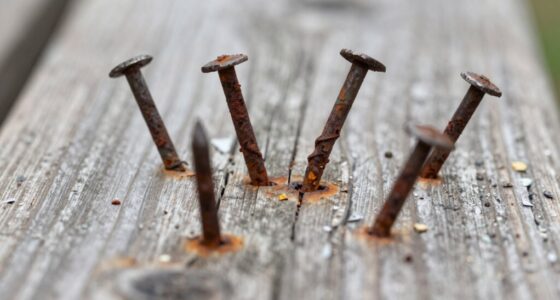
The tool safety habit that prevents most injuries is inspecting your tools before every use. By checking for damage like cracks, rust, loose parts, and ensuring blades are sharp, handles are secure, and cords are intact, you reduce the risk of malfunctions and accidents. Taking a few moments to do this is simple but highly effective. Keep this habit consistent, and you’ll find yourself safer on every project—there’s more to learn about staying protected every step of the way.
Key Takeaways
- Conduct a thorough safety inspection of tools before each use to detect damage or wear.
- Follow proper handling techniques, including correct grip and posture, to maintain control.
- Always wear appropriate, well-maintained PPE to protect against potential hazards.
- Store tools properly after use and keep the workspace organized to prevent accidents.
- Build a consistent safety routine that includes routine inspections, safety checks, and proper tool maintenance.
Understand the Main Causes of Tool-Related Injuries
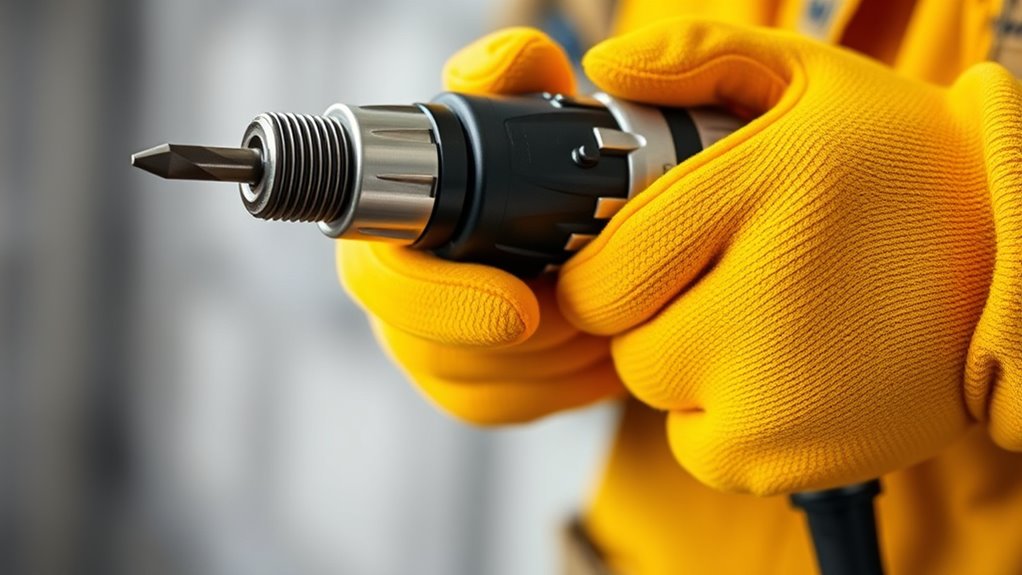
Many tool-related injuries happen because people underestimate the importance of proper safety habits or overlook potential hazards. Understanding the common causes can help you prevent injuries effectively. One major cause is improper tool handling, like using tools for unintended purposes or with excessive force. Lack of awareness about safety guidelines also contributes, leading to accidents. Wear and tear on tools can cause malfunctions, increasing injury risk if not recognized. Fatigue or rushing through tasks often results in mistakes, making injuries more likely. To improve injury prevention, always follow safety protocols, use the right tool for each job, and stay alert. Recognizing these common causes helps you stay proactive and reduces the chance of accidents during your work. Additionally, regular maintenance of your tools ensures they operate safely and reliably, further minimizing injury risks.
Inspect Your Tools Before Every Use
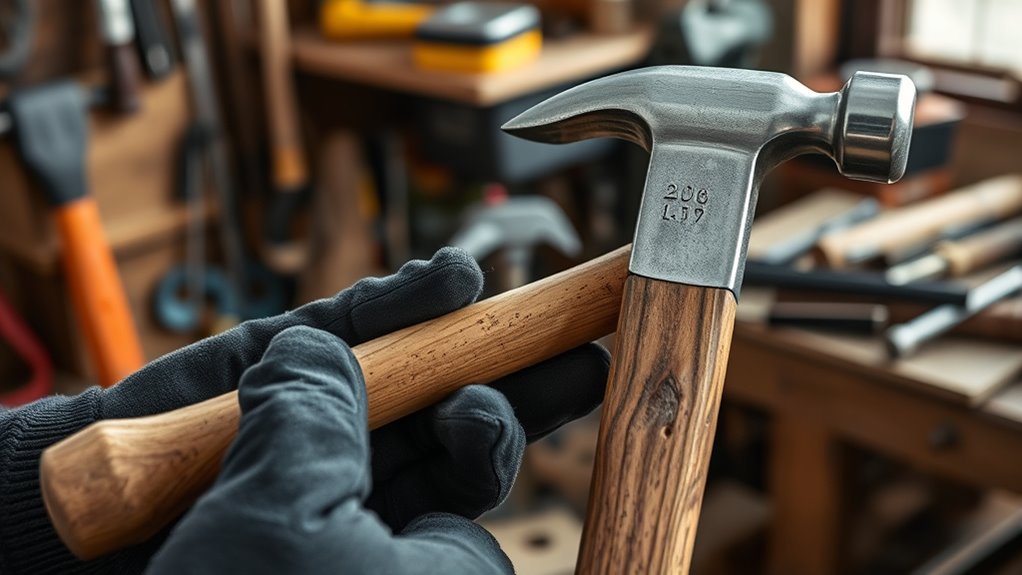
Before you start using any tool, take a moment to inspect it thoroughly. This simple step is essential for effective tool inspection and safety checks. Look for damage such as cracks, rust, or loose parts that could cause malfunctions. Verify blades are sharp and handles are secure, with no splinters or cracks. Check electrical cords for cuts or frays and test switches to confirm they work properly. If you notice anything unusual, don’t use the tool until it’s repaired or replaced. Performing quick safety checks before each use helps prevent accidents caused by faulty equipment. Making tool inspection a routine habit keeps you safe and ensures your tools function correctly, reducing the risk of injuries during work. Incorporating Free Floating principles into your inspection process can help maintain balance and safety during your tasks.
Use Proper Handling Techniques to Stay Safe
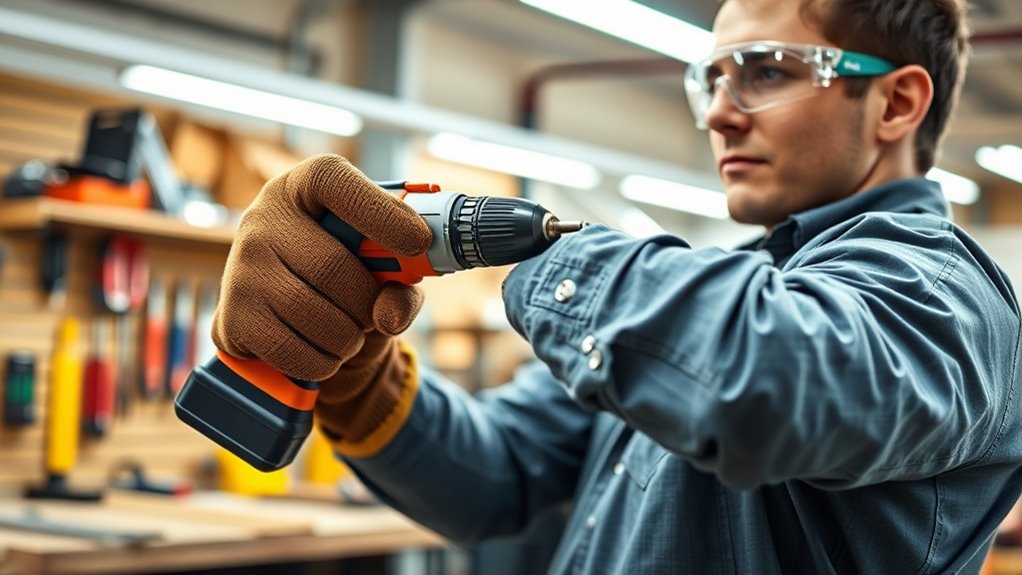
To stay safe while using tools, you need to handle them properly. Keep a firm grip, use correct posture, and always inspect your tools before starting. These habits help prevent accidents and make certain of safe, effective work. Additionally, being aware of drone safety protocols ensures you stay protected during aerial operations.
Maintain a Firm Grip
Maintaining a firm grip on tools is essential for staying safe during work. A steady hold reduces the risk of slips and accidents. Always grip tools firmly but comfortably, avoiding a death grip that can cause fatigue. Use proper handling techniques to ensure control and precision. Keep your hands dry and free of grease or oil to sustain a secure, steady hold. Check your tools regularly for damage, as worn handles can compromise your grip. Here’s a quick guide:
| Tip | Why it helps |
|---|---|
| Use two hands when possible | Increases control and stability |
| Keep hands dry | Prevents slipping |
| Grip near the base of handle | Offers better control |
| Maintain a relaxed grip | Reduces fatigue and improves steadiness |
| Inspect tools regularly | Ensures safe handling and grip integrity |
Additionally, understanding piercing care and hygiene can help prevent infections that might compromise your ability to handle tools safely.
Use Correct Posture
Using correct posture while handling tools is essential for preventing injuries and ensuring control. An ergonomic posture reduces strain, minimizes fatigue, and helps you work efficiently. To maintain proper handling techniques, consider these tips:
- Keep your back straight and bend at the hips, not the waist.
- Hold tools close to your body to reduce arm strain.
- Keep your wrists in a neutral position, avoiding awkward bends.
- Use your legs to lift heavy objects, not your back, for fatigue prevention.
- Creating simple systems can help you stay organized and maintain safe habits during your tasks.
Adopting these habits promotes ergonomic posture and helps prevent fatigue, reducing the risk of injury. Proper handling techniques ensure you stay safe while working, making your tasks easier and more comfortable. Always be mindful of your posture when using tools.
Inspect Before Use
Before you start handling tools, it’s important to inspect them thoroughly. Conducting a quick tool inspection guarantees that everything is in proper working order and helps you spot potential hazards. During safety checks, look for damaged cords, loose parts, rust, or cracks that could cause malfunctions or injuries. Check the handles for secure grip and proper alignment. If you find any issues, don’t use the tool until it’s repaired or replaced. Proper inspection prevents accidents and promotes safe handling. Remember, a careful safety check before each use is a simple step that considerably reduces risks. Taking these precautions keeps you safe and ensures your tools perform reliably, helping you complete your work efficiently and injury-free. Additionally, understanding the proper handling techniques can further reduce the chance of mishaps during tool use.
Wear PPE to Protect Yourself During Projects

Wearing the right PPE keeps you safe from potential hazards during projects. Make sure you select equipment that fits properly and is suited for the task. Regularly check your PPE to guarantee it’s in good condition and provides effective protection. Additionally, choosing PPE from reputable providers, such as those reviewed in the Gold IRA Markets, ensures quality and reliability.
Proper PPE Selection
Have you ever considered how essential proper PPE selection is for your safety on the job? Choosing the right safety gear can prevent injuries before they happen. To do this effectively, keep these tips in mind:
- Assess hazards—identify potential risks to select appropriate proper PPE.
- Fit matters—ensure safety gear fits snugly and comfortably for maximum protection.
- Quality counts—use certified safety gear that meets safety standards.
- Replace worn gear—discard damaged or outdated equipment immediately.
- Remember that proper PPE selection is a crucial habit that can reduce the risk of injuries during projects.
Correct Usage Techniques
Using PPE correctly during projects is essential for your safety, as even the best gear won’t protect you if it’s not used properly. Always follow safety labels on equipment to understand proper handling and limitations. When using tools, ensure you grip them with ergonomic grips to reduce fatigue and improve control, lowering the risk of accidents. Keep your PPE in good condition—inspect gloves, goggles, and masks before each use. Correct usage also means wearing the right PPE for each task, such as hearing protection in noisy environments. Never bypass safety labels or skip protective gear; doing so increases injury risk. Proper technique combined with correct PPE use helps you work efficiently and safely, minimizing the chance of accidents and ensuring a safer workspace. Regularly updating your knowledge on cybersecurity best practices can further protect you from unforeseen hazards.
Regular Equipment Checks
Regular equipment checks are essential for maintaining safety during your projects. By regularly inspecting your tools, you ensure proper tool maintenance and accurate equipment calibration, reducing injury risks. Here are four key steps:
- Examine tools for any damage or wear, replacing or repairing as needed.
- Check power cords and plugs for frays or defects before use.
- Confirm calibration on measuring devices to ensure precision.
- Clean tools after each use to prevent rust and buildup.
- Remember that tool maintenance is vital for preventing accidents caused by faulty equipment.
Performing these checks helps identify issues early, preventing accidents caused by faulty equipment. Always wear PPE during inspections and projects to protect yourself from potential hazards. Keeping your tools in good condition and calibrated ensures they operate safely and efficiently, minimizing injury risks and prolonging their lifespan. Regular equipment checks are a simple yet crucial part of your safety routine.
Keep Your Workspace Organized and Safe
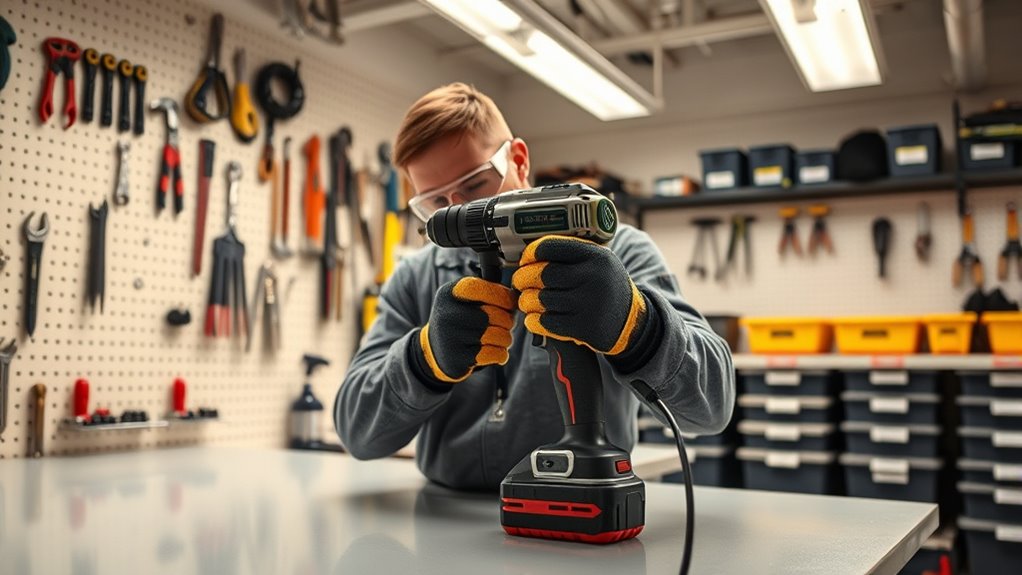
A cluttered workspace can lead to accidents and slow down your work, so keeping your area organized is essential for safety. Proper tool storage helps prevent trips, falls, and mishaps caused by misplaced tools. Make sure tools are returned to designated spots after each use, reducing clutter and potential hazards. Maintaining workspace cleanliness involves regularly sweeping up debris, wiping down surfaces, and removing unnecessary items. Clear pathways ensure you can move freely without tripping or knocking things over. An organized environment not only minimizes injury risk but also improves efficiency and focus. Take a few moments at the end of each day to tidy up your workspace, and always keep safety in mind when arranging your tools and materials. Staying organized is a simple yet powerful safety habit.
Store Tools Correctly When Not in Use

Storing your tools properly when you’re finished working helps keep your workspace safe and organized. Good storage organization prevents accidents and makes tools easier to find. Start by choosing a designated spot for each tool. Use tool labeling to clearly identify contents and prevent mix-ups. Next, follow these steps:
- Clean tools before storing to remove debris and moisture.
- Place sharp or heavy tools in secure, stable locations.
- Use racks, hooks, or drawers suited to each tool’s size and shape.
- Regularly check storage areas for damage or misplaced items.
Maintain and Sharpen Your Tools Regularly

To keep your tools working effectively and safely, you need to maintain and sharpen them on a consistent basis. Regular tool maintenance prevents accidents caused by dull blades or worn-out parts. Use proper sharpening techniques, such as honing a blade with a whetstone or using a file for edges, to restore sharpness safely. Keep blades clean and free of debris, and inspect handles and joints for damage. Sharp tools require less force, reducing slips and injuries. Incorporate routine checks into your work process, sharpening tools as needed. Proper maintenance extends your tools’ lifespan and ensures they function correctly, helping you avoid unnecessary mishaps. Consistent care is a simple but essential habit that keeps you safe and increases your efficiency.
Build a Consistent Tool Safety Routine
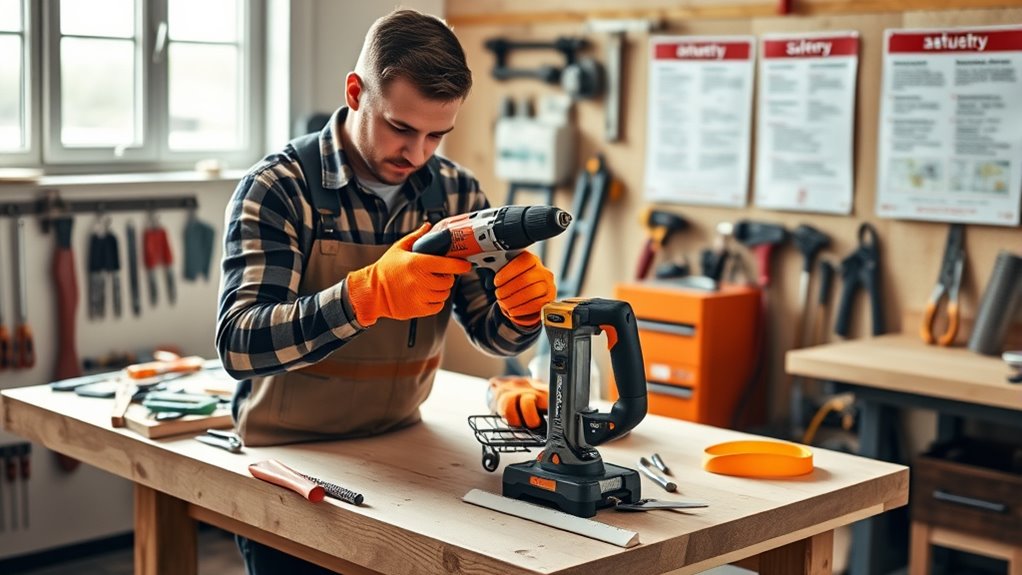
Establishing a consistent tool safety routine is essential for preventing accidents and maintaining efficiency on the job. A solid routine helps reinforce safe tool handling and ensures safety reminders become second nature. To build this routine, consider these steps:
- Start each day with a safety check of your tools to identify damage or wear.
- Follow a set sequence for handling tools to avoid rushing and mistakes.
- Incorporate safety reminders into your routine, like checking for proper guards or safety gear.
- End your day by cleaning and storing tools properly, reinforcing safe handling habits.
Frequently Asked Questions
How Often Should I Replace Worn-Out Tools?
You should replace worn-out tools immediately when they show signs of damage or excessive wear. Regular tool maintenance helps identify issues early, but having a consistent replacement schedule is essential for safety. Check your tools regularly, and if a tool feels loose, dull, or damaged, replace it promptly. This habit prevents accidents, extends your tools’ lifespan, and guarantees your workspace remains safe and efficient.
What Are the Best Storage Methods to Prevent Tool Damage?
Think of your tools as precious treasures that need protection. To prevent damage, you should prioritize tool organization by using dedicated storage containers for different types of tools. Keep sharp or delicate items separate, and store them in a dry, clean space. Proper storage containers help maintain tools’ condition, making them last longer. Your effort in organized storage keeps your tools safe, ready, and reliable whenever you need them.
How Can I Identify Early Signs of Tool Malfunction?
You can identify early signs of tool malfunction through regular tool inspections. Look for malfunction indicators like unusual noises, excessive vibration, overheating, or visible damage such as cracks or worn parts. Pay close attention to how the tool operates; if it feels irregular or sluggish, it’s a sign you should stop using it and perform maintenance. Catching these signs early helps prevent accidents and extends your tools’ lifespan.
Are There Specific PPE Requirements for Different Tools?
Yes, there are specific PPE requirements for different tools. You should always wear the right personal protective equipment, such as gloves, goggles, or ear protection, depending on the tool you’re using. For example, power tools may require hearing protection and eye shields, while hand tools might need gloves to prevent cuts. Always check the manufacturer’s guidelines and your workplace safety protocols to confirm you’re using the proper tool-specific gear.
What Is the Most Common Mistake Leading to Tool Injuries?
You often overlook the biggest mistake—ignoring proper tool inspection before use. It’s like walking into a minefield without checking for hidden dangers! Skipping safety training and neglecting to inspect tools can turn a simple task into a disaster. Always take a moment to inspect your tools thoroughly and stay updated with safety training. This habit keeps you safe, preventing injuries that could be devastating and life-changing.
Conclusion
Think of your tools as trusted companions on your DIY journey. When you respect them, inspect, handle, and store them properly, you’re guiding them safely through each project. Like a skilled captain steering a ship, your consistent safety habits keep you away from storms and injuries. Embrace this routine, and your work will flow smoothly, turning potential hazards into safe adventures. Remember, your safety is the compass that keeps your projects on course.