
When glue fails, it’s often because you didn’t prepare the surfaces properly, or environmental factors like moisture, heat, or UV exposure affected the bond. Choosing the wrong adhesive for your materials or rushing application can weaken the hold too. Surface contaminants such as oil or dust block adhesion, so proper cleaning is essential. Understanding how adhesives work and how conditions impact them can help you avoid failures—if you want to learn more, this guide will explain each factor in detail.
Key Takeaways
- Glue failure often results from improper surface preparation, such as contamination or insufficient roughness, preventing strong adhesion.
- Environmental factors like moisture, temperature fluctuations, UV exposure, and pollution weaken adhesives over time.
- Choosing the wrong adhesive for specific materials or conditions leads to inadequate bonding and eventual failure.
- Over-application or insufficient curing due to incorrect techniques compromises bond strength and durability.
- Lack of protective measures against environmental stressors accelerates adhesive degradation and reduces lifespan.
How Adhesives Work: The Basics of Bonding

Understanding how adhesives work begins with recognizing that they form bonds by creating a connection between surfaces at a microscopic level. This process relies on adhesive chemistry, which involves interactions such as chemical bonds, van der Waals forces, or mechanical interlocking. Bonding mechanisms vary depending on the adhesive type, but the goal remains the same: to achieve a strong, durable connection. Some adhesives form covalent or ionic bonds with substrate surfaces, while others rely on physical adhesion through surface roughness or porosity. You should consider how the adhesive’s chemistry interacts with the materials you’re bonding to optimize strength. Additionally, the choice of adhesive can influence factors like affiliate relationships, which may impact your selection process. Understanding adhesive chemistry can help you select the right product for your specific application and improve bond performance. Recognizing the types of bonding mechanisms involved can help troubleshoot and prevent adhesive failures. For example, improper surface preparation can hinder bonding effectiveness, leading to weaker bonds. Being aware of the performance metrics of adhesives can guide better selection and application techniques. By understanding these fundamental bonding mechanisms, you can select the right adhesive for your specific application, ensuring a secure and lasting bond.
Common Types of Adhesives and Their Uses

Epoxy and cyanoacrylate are versatile adhesives used for strong, durable bonds, while PVA glues are perfect for lightweight, flexible applications. Understanding their specific properties helps you choose the right adhesive for each project. Additionally, adhesive selection is a crucial step in ensuring the success of your bonding task, as choosing the wrong type can lead to failure or subpar results. The properties of adhesives directly influence their suitability for different materials and conditions, making informed choices essential for optimal outcomes. Moreover, considering environmental factors such as moisture and temperature can help prevent adhesion failure and extend the lifespan of your bonds. Being aware of application techniques can also improve the effectiveness of your chosen adhesive, ensuring a secure and lasting bond.
Epoxy and Its Applications
Have you ever wondered why epoxy adhesives are so popular for demanding projects? It’s because of their exceptional epoxy durability and resistance to harsh conditions. Epoxy forms a strong, long-lasting bond that withstands mechanical stress, chemicals, and temperature fluctuations. You’ll find epoxy used in construction, automotive repairs, and marine applications because it reliably holds together materials like metal, wood, and concrete. Its versatility makes it it’s ideal for both structural and decorative purposes. The hard, tough finish ensures that your project remains intact over time, even under challenging environments. When you need a durable, resistant adhesive for demanding tasks, epoxy is often the go-to choice. Its ability to resist wear and tear makes it an invaluable tool in your repair and construction arsenal. Additionally, understanding adhesive properties can help you select the best type of epoxy for specific applications. Recognizing material compatibility is crucial for ensuring a successful bond and avoiding failure. Moreover, knowing the chemical resistance of epoxy can help determine its suitability for specific environments and substances.
Cyanoacrylate vs. PVA
When choosing an adhesive for your project, it’s important to comprehend the differences between cyanoacrylate and PVA glues. Cyanoacrylate, or super glue, bonds quickly and is ideal for small, rigid materials like plastics or metal. PVA, or white glue, dries more slowly and offers flexibility, making it suitable for porous surfaces like wood or paper. However, both adhesives can experience bond degradation over time due to adhesive fatigue, especially under stress or environmental factors. Cyanoacrylate tends to become brittle, increasing the risk of failure, while PVA may weaken with prolonged exposure to moisture. Understanding these differences helps you select the right adhesive to ensure a durable bond and avoid premature failure caused by adhesive fatigue. Additionally, environmental conditions such as humidity and temperature can significantly influence the longevity of these adhesives, highlighting the importance of considering adhesive fatigue and environmental factors in your choice. Proper application techniques and storage also play a crucial role in minimizing bond deterioration over time. Being aware of how environmental impacts affect adhesive performance can help extend the life of your bonds and prevent unexpected failures. Moreover, selecting the appropriate adhesive based on application requirements can greatly enhance the durability of your project. Recognizing the importance of quality assurance during application can further ensure long-lasting results.
Factors That Affect Adhesive Performance
Several factors can remarkably influence how well an adhesive bonds surfaces together. Your choice of adhesive chemistry determines its compatibility with materials and environmental conditions. Understanding bonding mechanisms helps you select the right type—whether chemical, mechanical, or physical—to guarantee a strong connection. Surface cleanliness is critical; contaminants like oil, dust, or moisture hinder adhesion by blocking bonding sites. Proper cleaning techniques ensure optimal surface preparation for improved adhesion. Surface roughness can improve mechanical interlocking, boosting strength. Temperature and humidity also matter: high temperatures may weaken some adhesives, while excessive moisture can interfere with curing. Environmental conditions should be carefully considered to match the adhesive’s performance requirements. Additionally, the adhesive properties such as flexibility or cure time can help tailor your approach for specific bonding needs. Proper application techniques, such as correct pressure and curing time, are essential for ideal performance. Furthermore, understanding bonding mechanisms can aid in troubleshooting adhesion issues. By considering these factors, you maximize adhesion and reduce the risk of failure, ensuring your glued bonds last.
Typical Causes of Glue Failure
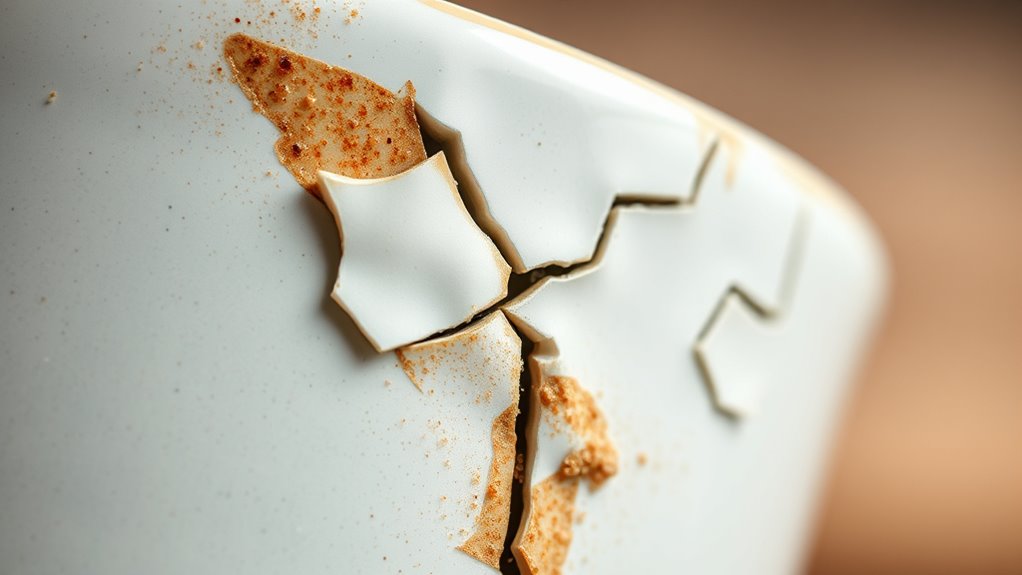
Glue failure often happens when surfaces are contaminated or not properly prepared. Applying adhesive incorrectly can also weaken the bond, making it more likely to fail. Additionally, environmental factors like moisture, temperature, and humidity can compromise the adhesive’s strength over time.
Surface Contamination Issues
Surface contamination is a common culprit behind glue failure, as it can prevent adhesives from forming strong bonds. When surfaces are contaminated with oils, dirt, dust, or other residues, the adhesive cannot properly adhere, leading to weak or failed bonds. Maintaining cleanliness control is essential; even small amounts of contaminants can compromise adhesion. Before applying glue, thoroughly clean surfaces with appropriate solvents or cleaners to remove any impurities. Pay attention to targeted areas and avoid touching surfaces with bare hands, as oils from skin can cause contamination. Proper surface preparation ensures ideal adhesion and reduces the risk of glue failure due to contamination. Additionally, understanding surface properties can help in selecting the right adhesive for specific materials. Recognizing the impact of contaminants on adhesion can also guide you in implementing better surface preparation routines. For example, using the right cleaning agents can effectively remove residues that interfere with bonding. Employing proper adhesive selection based on surface conditions can further improve bonding performance. By prioritizing cleanliness control, you considerably improve your chances of a durable, lasting bond.
Improper Application Techniques
Even if you’ve thoroughly cleaned your surfaces, improper application techniques can still cause the adhesive to fail. Application errors and user mistakes are common culprits. To avoid this, keep in mind:
- Applying too little or too much glue, which can weaken bonds or cause messes.
- Not following manufacturer instructions, leading to incorrect curing times or surface preparation.
- Handling the adhesive improperly, like spreading it unevenly or rushing the process.
- Rushing or rushing through steps can compromise the adhesive’s effectiveness, especially if proper application techniques are not followed.
These mistakes often stem from rushing or not understanding the product’s requirements. Proper technique is essential for a strong, durable bond. Pay close attention to instructions, measure accurately, and take your time during application to prevent failures caused by user mistakes.
Environmental Factors Impact
Environmental factors play a significant role in the success or failure of an adhesive bond. Weather impact, such as exposure to rain, humidity, or direct sunlight, can weaken the bond over time. Temperature fluctuations cause materials to expand and contract, stressing the adhesive interface. If your environment experiences rapid or extreme temperature changes, the adhesive may lose its grip or crack. High humidity can interfere with curing processes, leading to weaker bonds or incomplete adhesion. Conversely, very dry conditions might cause the adhesive to dry too quickly or not properly bond. To guarantee longevity, you should choose adhesives suited for your specific environment and protect your projects from adverse weather conditions. Proper environmental control is key to preventing glue failure caused by these factors.
Surface Preparation and Its Impact on Bond Strength
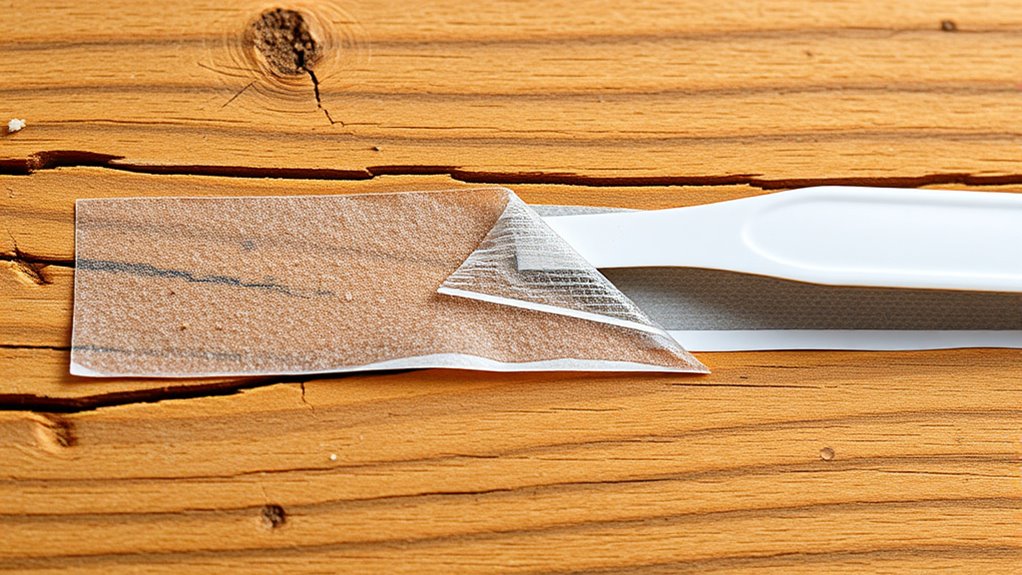
Have you ever wondered why proper surface preparation is vital for a strong bond? It’s because surface roughness and primer application directly influence adhesive effectiveness. First, guarantee the surface is clean and free of dust, oil, and grease. Second, increase surface roughness by lightly sanding or abrading; this creates better mechanical grip. Third, apply a primer if recommended, which improves adhesion, especially on non-porous surfaces. Proper surface roughness helps the adhesive penetrate tiny crevices, forming stronger bonds. Primer application promotes better wetting and chemical bonding. Skipping these steps can lead to weak spots and eventual failure. So, investing time in surface preparation is essential for durable, lasting adhesion, preventing failures caused by inadequate bonding.
Environmental Conditions That Weaken Adhesives
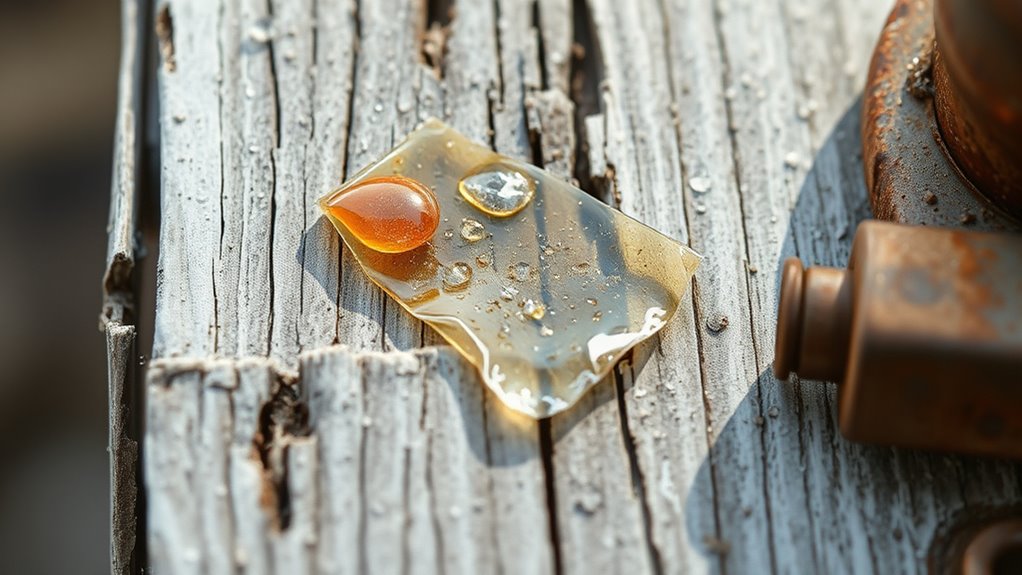
External conditions can substantially weaken adhesives, making proper application less effective over time. Climate change leads to temperature fluctuations, which cause materials to expand and contract, stressing the bond. High humidity and moisture exposure can break down adhesive compounds, reducing their strength. Pollution effects, such as airborne chemicals and acids, can also degrade adhesives, especially if they are not designed for harsh environments. UV radiation from sunlight accelerates deterioration, causing adhesives to harden or crack. Over time, these environmental factors weaken the bond, increasing the risk of failure. To ensure long-lasting adhesion, consider how climate change and pollution effects might impact your project’s environment. Protecting your bonded surfaces from extreme conditions is essential for maintaining strength and durability.
Choosing the Right Adhesive for Your Project
Choosing the right adhesive is essential to guarantee your project holds strong and lasts. To do this, consider these factors:
- Material Compatibility: Make certain the adhesive bonds well with your surfaces, affecting both adhesive durability and bonding aesthetics.
- Environmental Conditions: Match the adhesive to the project’s exposure to moisture, heat, or chemicals for long-lasting results.
- Application Requirements: Think about ease of use, drying time, and finish; some adhesives offer clearer bonds or better aesthetic appeal.
Tips for Applying Adhesives for Optimal Results

To achieve the best results when applying adhesives, preparation is key. Start with proper adhesive storage—keep containers sealed tightly and store them in a cool, dry place to prevent spoilage and guarantee consistent flow. Before applying, clean surfaces thoroughly to remove dust, grease, or debris, which can weaken the bond. Apply adhesives in thin, even layers to promote better adhesion and faster drying times. Avoid excessive amounts, as thick layers take longer to dry and may cause messes or weak spots. Follow the manufacturer’s instructions regarding drying times; rushing the process can compromise the bond. By preparing your workspace, managing adhesive storage, and adhering to recommended drying times, you’ll maximize the strength and longevity of your glued projects.
Troubleshooting Failed Bonds and How to Fix Them

When a bond fails to hold, it can be frustrating, but understanding common causes helps you troubleshoot effectively. First, check your adhesive storage; expired or improperly stored glue can lose its bonding power. Second, verify chemical compatibility—using incompatible materials weakens the bond or causes failure. Third, inspect surface preparation; dirt, grease, or moisture can prevent proper adhesion. To fix these issues, clean and dry surfaces thoroughly, choose a compatible adhesive suited for your materials, and ensure proper storage in a cool, dry place. Reapply the adhesive following manufacturer instructions and allow adequate curing time. Addressing these factors improves your chances of creating a strong, lasting bond.
Frequently Asked Questions
Can Adhesives Be Reused After They Fail?
When adhesives fail, reusing them isn’t usually possible. Most adhesives can’t be recycled or reclaimed because they lose their bonding strength or become contaminated. Instead, you can explore reuse techniques like cleaning surfaces thoroughly before reapplying a fresh layer of adhesive or using different types of glue better suited for your project. Focus on proper application and surface prep to guarantee a strong, lasting bond the next time.
Are Certain Adhesives Safe for Food Contact?
A stitch in time saves nine, and choosing the right adhesive is vital. You’ll find food safe adhesives that meet strict adhesive safety standards, making them suitable for contact with food. Always look for labels indicating compliance with regulations like FDA or NSF. Using non-food-safe adhesives can pose health risks, so verify their safety for food contact before applying. When in doubt, consult product specifications to verify safety standards are met.
How Do Temperature Fluctuations Affect Adhesive Longevity?
Temperature fluctuations can substantially impact adhesive longevity by causing thermal expansion and contraction. You might notice that repeated cycles make the adhesive become brittle over time, reducing its strength. When exposed to heat and cold, the material’s bond weakens as it struggles to cope with these changes. To prevent failure, choose adhesives designed to withstand thermal expansion and minimize brittleness, especially in environments with frequent temperature shifts.
What Are the Environmental Impacts of Different Adhesives?
Like a ripple in a pond, the environmental impacts of adhesives spread far and wide. When you choose biodegradable adhesives and eco-friendly formulations, you minimize pollution and reduce landfill waste. These options break down naturally, unlike traditional adhesives that can linger and harm ecosystems. By selecting greener adhesives, you’re actively helping protect the environment, promoting sustainability, and supporting a healthier planet for future generations.
Can Adhesives Bond Underwater or in Moist Conditions?
Yes, adhesives can bond underwater or in moist conditions, thanks to specialized formulations like marine bonding adhesives. These are designed for underwater adhesion, making them ideal for marine applications or repairs in damp environments. You’ll find underwater adhesives that create strong, durable bonds despite constant moisture. When choosing one, look for products specifically labeled for marine bonding or underwater adhesion to guarantee reliable, long-lasting results in wet conditions.
Conclusion
Understanding why adhesives fail helps you choose the right glue and prepare surfaces properly. Many believe that a perfect bond is just about picking the strongest adhesive, but surface prep and environmental factors play a bigger role. By following proper application tips and considering conditions, you can prevent failures. Trust that with the right knowledge, your projects will hold strong. After all, a well-made bond isn’t just luck—it’s science working in your favor.