If mold keeps returning on your bathroom caulk, it’s often because moisture gets trapped due to poor ventilation, aging or damaged sealant, and infrequent cleaning. Humidity and lingering water create the perfect environment for mold spores to grow back repeatedly. To prevent this, you need to address ventilation issues, replace old caulk with mold-resistant sealant, and clean regularly. Keep exploring to discover effective tips that can help keep mold away for good.
Key Takeaways
- Inadequate ventilation traps moisture, creating a damp environment that promotes mold recurrence.
- Damaged or old caulk with cracks allows water and mold spores to re-enter and grow.
- Insufficient cleaning leaves mold spores behind, enabling mold to return quickly.
- Failing to replace mold-resistant sealant allows mold to re-establish along the caulk lines.
- Persistent humidity and surface dampness from poor airflow prevent thorough drying, fostering mold regrowth.

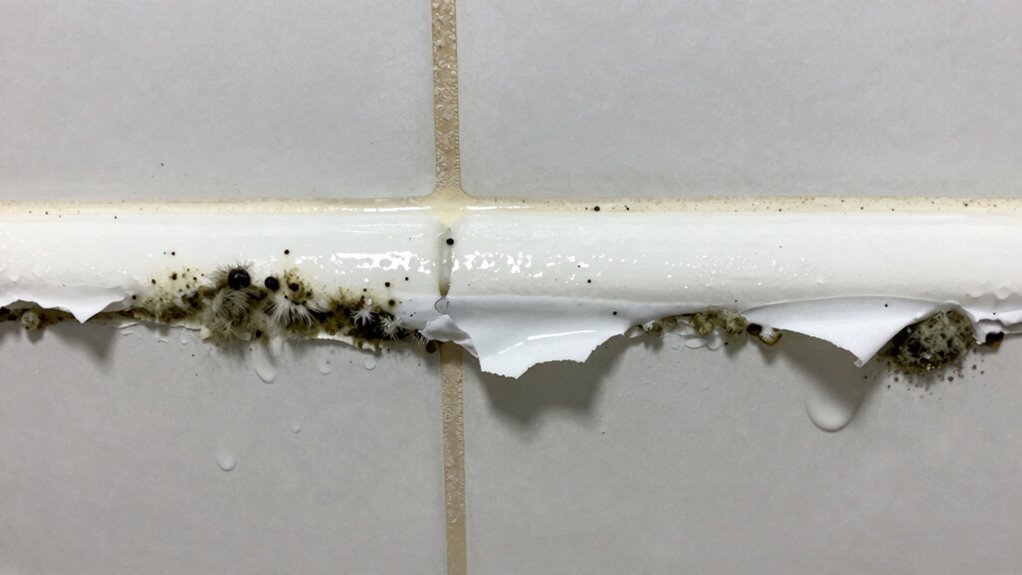
Mold on bathroom caulk is a common problem that can compromise both the appearance and hygiene of your space. You might notice fuzzy black or greenish spots, which can quickly spread if left untreated. One of the main reasons mold keeps returning is poor ventilation, which creates a damp environment ideal for mold growth. When your bathroom doesn’t have enough airflow, moisture gets trapped in the air and lingers on surfaces like caulk, providing mold with the perfect conditions to thrive. Addressing ventilation issues is essential. Installing an exhaust fan or improving existing ventilation can help reduce humidity levels and dry out moisture faster, making it harder for mold to take hold again.
Poor ventilation causes trapped moisture, leading to persistent mold on bathroom caulk.
But even with decent ventilation, mold can still sneak back if you don’t use proper cleaning techniques. Regular cleaning is key to preventing mold buildup, but it’s not just about wiping away surface stains. You need to target the root of the problem by using effective cleaning solutions. A mixture of bleach and water, or commercial mold removers, can kill mold spores and prevent regrowth. When cleaning, make sure to scrub thoroughly along the caulk line, paying attention to grout and corners where mold tends to hide. After cleaning, dry the area completely; moisture left behind will encourage mold to return. Using a squeegee after showers and wiping down surfaces can considerably reduce moisture levels.
You also need to be proactive with caulk maintenance. Over time, caulk can develop tiny cracks or gaps that trap water and debris, creating ideal conditions for mold to flourish. If cleaning and ventilation improvements don’t stop the mold from coming back, consider removing the old caulk and applying a fresh, mold-resistant sealant. Proper application ensures no gaps or voids where water can seep in and promote mold growth. Remember, sealing your bathroom thoroughly is just as important as cleaning it regularly. Understanding mold growth and how it interacts with bathroom conditions can help you develop more effective prevention strategies.
Ultimately, keeping mold at bay requires a combination of good ventilation, effective cleaning techniques, and proper maintenance. You can’t just clean once and forget about it; mold spores are persistent and will find a way if conditions are right. Maintain a routine, ensure your bathroom is well-ventilated, and use the right cleaning products. With consistent effort, you’ll minimize mold growth, extend the life of your caulk, and keep your bathroom hygienic and looking fresh.
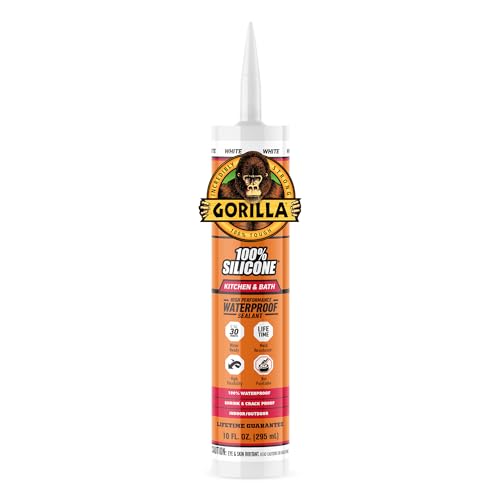
Gorilla 100% Silicone Caulk Kitchen & Bath Sealant, Mold Resistant, 10 oz. Cartridge, White
- Suitable for Kitchen & Bath: Durable seal in wet environments
- Waterproof Seal: Ideal for showers, tubs, sinks, and tiles
- Fast Water-Ready: Ready for water in 30 minutes
As an affiliate, we earn on qualifying purchases.
As an affiliate, we earn on qualifying purchases.
Frequently Asked Questions
What Causes Mold to Keep Returning Despite Cleaning?
Mold keeps returning because cleaning alone isn’t enough to eliminate it completely. If your cleaning effectiveness isn’t thorough or if you leave behind mold spores, they’ll reappear. Moisture and humidity in the bathroom fuel mold growth, so make certain you dry the area well afterward. Using a mold-resistant sealant and addressing leaks or excess moisture can prevent mold from returning, making your cleaning efforts more effective.
Are Certain Types of Caulk More Mold-Resistant?
Think of it like choosing armor—some caulk sealing options are more mold-resistant, like the legendary shields of old. Mold-resistant caulk is specially formulated to prevent mold growth, making it a smarter choice for your bathroom. These types often contain antimicrobial agents that keep mold at bay longer. By selecting mold-resistant caulk sealing, you’re investing in a product that actively fights mold, reducing the need for frequent replacements and keeping your bathroom fresh.
How Long Does Mold Prevention Treatment Last?
Mold prevention treatments like mold resistant coatings typically last about 6 months to a year, depending on humidity and cleaning habits. To maximize caulk longevity, regularly clean and dry your bathroom surfaces, and reapply mold resistant coatings as needed. Keep the area well-ventilated to reduce moisture buildup. This proactive approach helps maintain mold resistance longer, ensuring your bathroom stays cleaner and mold-free for an extended period.
Can I Use Homemade Solutions to Prevent Mold?
You can definitely try DIY remedies to prevent mold, and many find success with natural inhibitors. For example, some homeowners use a mixture of white vinegar and tea tree oil as a natural mold-resistant spray. These solutions work by creating an environment less hospitable for mold growth. Just guarantee you regularly apply and keep the area dry; homemade treatments can be effective but may need frequent reapplication.
When Should I Replace Bathroom Caulk Entirely?
You should replace your bathroom caulk entirely when it shows signs of cracking, mold buildup, or if it’s peeling despite cleaning. Start with caulk removal, then apply a mold-resistant sealant for better protection. Fully replacing the caulk guarantees mold doesn’t sneak back into gaps and prevents further damage. Doing this periodically keeps your bathroom cleaner, healthier, and prevents mold from returning, especially in high-moisture areas.

Broan-NuTone Bathroom Exhaust Fan, 50 CFM Modern Grille, Energy Star Fan, 2.0 Sones
- Ventilation Capacity: 50 CFM for small bathrooms
- Energy Efficiency: Energy Star Certified, 2.0 Sones
- Easy Installation: No attic access, foldable brackets
As an affiliate, we earn on qualifying purchases.
As an affiliate, we earn on qualifying purchases.
Conclusion
Mold on your bathroom caulk can feel like a stubborn weed that keeps sprouting back, no matter how many times you pull it out. To truly banish it, you need to break the cycle by keeping the area dry, cleaning regularly, and replacing old caulk. Think of it as tending a garden—you must stay vigilant and nurture a healthy environment. With patience and proper care, your bathroom can stay mold-free and fresh as a spring morning.
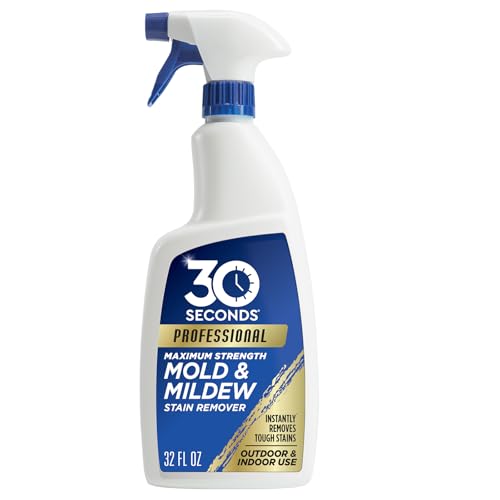
30 SECONDS Pro Mold and Mildew Stain Remover | Scrub Free | Brighter Results Instantly | Ready To Use | 32 Fl. Oz.
- Versatile Application Areas: Suitable for bathrooms, decks, walls, and more
- No Scrubbing Needed: Removes stains without scrubbing effort
- Double Strength Formula: Twice as strong as outdoor cleaner
As an affiliate, we earn on qualifying purchases.
As an affiliate, we earn on qualifying purchases.

Goopreen 5 in 1 Caulking Tool Silicone Caulking Grout Removal Sealant Finishing Tool with Stainless Steel Head, 6 Replaceable Pads, Gap Seam Repair Kit for Kitchen Bathroom Sink Toilet Caulking
- Multifunctional Caulking Tool: Repair, clean, and fill gaps
- Caulking Finishing Tool: Smooth surfaces and sealant lines
- Reusable Silicone Pads: 6 replaceable, various radius sizes
As an affiliate, we earn on qualifying purchases.
As an affiliate, we earn on qualifying purchases.