Pet odors tend to come back after cleaning because they seep deep into porous surfaces like carpets, upholstery, and walls, trapping oils, dander, and residues that surface cleaning can’t fully remove. Hidden spots, such as inside cracks or under furniture, often harbor lingering smells. Regular cleaning may only mask odors temporarily, so deeper treatments like enzymatic cleaners or proper ventilation are needed for lasting freshness. To learn how to keep your home smelling fresh, continue exploring these solutions.
Key Takeaways
- Pet odors often embed deeply into porous materials, making surface cleaning insufficient for complete odor removal.
- Residues from urine, feces, and dander penetrate below surfaces, causing odors to re-emerge over time.
- Regular cleaning removes surface dirt but fails to eliminate embedded organic compounds responsible for persistent smells.
- Hidden spots like carpets, padding, and cracks harbor residues that continuously release pet odors.
- Enzymatic treatments and deep cleaning are necessary to break down organic residues and prevent odor recurrence.
What Are Pet Odors and Why Do They Persist?

Pet odors often linger because they seep into surfaces like carpets, upholstery, and even walls. These odors are a result of odor absorption, where pet dander, oils, and allergens cling to porous materials. This absorption impacts air quality, making the smell seem persistent even after cleaning. The particles settle deep into fibers and materials, creating a source that continually releases odors back into the air. Additionally, pet odors can combine with household odors, intensifying their presence. Because these smells are absorbed rather than just on the surface, they can be tricky to eliminate completely. To truly improve air quality and remove pet odors, you need to target these embedded sources rather than just masking surface smells. Understanding how odors penetrate materials is essential for effective removal.
Where Do Pet Odors Usually Hide in Your Home?
Many hidden spots around your home can harbor lingering pet odors, especially in places where dander, oils, and hair tend to accumulate. Pet hair often collects in corners, under furniture, and inside vents, acting as odor traps over time. Carpets and upholstery are prime areas where pet odors embed deeply, making them tough to eliminate. Behind appliances, inside vents, and within baseboards, pet hair and oils can cling unnoticed, releasing smells whenever disturbed. Even clothing, bedding, and toys can trap odors if not cleaned regularly. These hidden areas allow pet odors to persist long after cleaning, gradually releasing scent molecules back into the air. Regularly inspecting hidden odor sources can help you identify and target these problem areas more effectively. Identifying these odor traps helps you target your cleaning efforts more effectively and keeps your home smelling fresher.
Why Doesn’t Cleaning Always Remove Pet Smells?
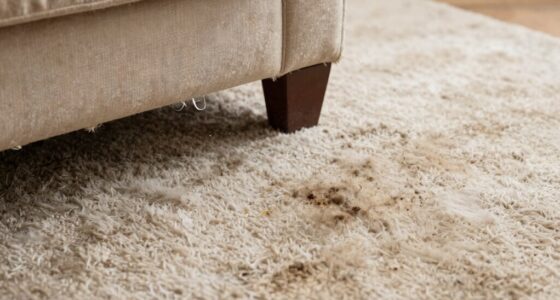
Cleaning often removes surface dirt and hair, but it doesn’t always eliminate lingering odors embedded deep within carpets, upholstery, and hidden corners. Pet hair can cling to fibers, creating odor traps that trap smells below the surface. Even after vacuuming or mopping, these odors persist because they’re lodged in places like:
- Hidden layers of carpet padding
- Deep within upholstery fibers
- Cracks and crevices in furniture and flooring
These areas hide pet hair and odor-causing particles, making it difficult for regular cleaning to fully eliminate smells. Without targeted treatment, pet odors can quickly return, especially as pet hair and other debris release new odors over time. That’s why deep cleaning and odor-neutralizing products are essential. Proper maintenance can help prevent the buildup of pet odors and keep your home fresher longer.
How Pet Urine and Feces Keep Smelling Even After Cleaning

Even after you’ve scrubbed and deodorized, urine and feces can continue to emit foul odors because their underlying compounds often penetrate deep into flooring and porous surfaces. Pet odor sources like these residues embed themselves, making surface cleaning insufficient. As a result, the smell persists, seemingly returning even after multiple cleanings. To combat this, odor masking techniques can provide temporary relief, but they don’t eliminate the root cause. You need specialized enzymatic cleaners that break down the organic compounds responsible for the smell. These enzymes digest pet urine and feces at a molecular level, preventing odors from lingering. Without targeting the source directly, surface cleaning alone won’t stop pet odors from coming back. Proper treatment is essential for long-lasting freshness and odor-free spaces. Using at-home pet odor removal devices and products can also enhance your efforts and help maintain a fresh environment.
How Dander and Skin Cells Contribute to Lingering Odors

Your pet’s skin cells and dander can build up in your home, creating a source of persistent odors. Over time, these tiny particles accumulate and trap odors deep within furniture and carpets. Even after cleaning, residue can linger, making it hard to completely eliminate the smell. Incorporating color accuracy in cleaning methods can help identify and remove residual pet residues more effectively.
Skin Cells as Odor Source
Have you ever wondered why pet odors seem to linger long after your furry friend has left the room? It’s because skin cells act as a persistent odor source. As your pet moves around, they shed tiny skin cells that settle into carpets, furniture,, and upholstery. These cells contain organic compounds that trap and release odors over time. Imagine:
- Tiny skin flakes falling onto your sofa like scattered confetti.
- Accumulated skin cells forming a layer that holds onto pet smells.
- Over time, these cells release odor molecules, making the smell reappear even after cleaning.
Because skin cells are so lightweight and plentiful, they serve as constant reservoirs of pet odors. To truly eliminate these smells, you need to target and remove these tiny, odor-trapping skin cells. Effective cleaning techniques can help reduce these persistent odor sources.
Dander Accumulation Effects
As skin cells shed, they become a primary component of pet dander, which accumulates on surfaces around your home. This dander buildup isn’t just visible; it releases odors as it breaks down over time. Skin cell accumulation on furniture, carpets,, and bedding creates a persistent source of smell that can linger even after cleaning. The more you shed, the more dander and skin cells gather, continuously fueling odor problems. Regular vacuuming and frequent washing help reduce this buildup, but complete removal is difficult. Without proper cleaning, these particles become embedded in fabrics and porous surfaces, releasing musty or foul odors. Understanding that dander and skin cell accumulation contribute considerably to lingering pet odors emphasizes the importance of cleaning techniques and thorough maintenance to keep your space smelling fresh.
Persistent Residue Issues
Persistent residue from dander and skin cells can cause odors to linger long after cleaning efforts. These tiny particles absorb pet scent and trap odor molecules deep within surfaces. Over time, they build up, making your home smell fresh temporarily but then quickly returning. To understand how, imagine:
- Dander settling into carpet fibers, acting like a sponge for pet scent.
- Skin cells embedding in upholstery, creating a hidden reservoir of odor.
- Microorganisms breaking down residue, releasing persistent pet odors.
This residue’s odor absorption makes it difficult to eliminate pet scent completely. Even thorough cleaning may only remove surface dirt, leaving behind microscopic particles that revive the smell. Addressing these residue issues requires deep cleaning methods that target embedded dander and skin cells.
Why Hidden Odors in Carpets and Furniture Are Hard to Eliminate

You might think cleaning removes all odors, but deep carpet fibers can hide dirt and residues that keep smells trapped. These embedded soils are tough to reach with regular vacuuming or surface cleaning. As a result, stubborn pet odors often persist long after cleaning seems complete. To truly eliminate these odors, specialized treatments or professional cleaning methods are often necessary to target embedded soils that harbor smells.
Deep Carpet Fiber Soils
Deep carpet fiber soils are often the main culprits behind lingering pet odors that seem impossible to eliminate. These hidden particles cling deep within fibers, trapping smells from pet grooming, accidents, and daily life. Imagine:
- Tiny, invisible oils from your pet’s fur settling deep inside fibers.
- Dander and hair embedded beyond surface cleaning.
- Bacteria and allergens nesting in the dense carpet pile.
- Without proper cleaning techniques, these soils can resurface over time, causing odors to reappear even after cleaning.
Air purification can help, but it won’t reach these deep soils. To truly eliminate odors, you need specialized cleaning methods that target these hidden contaminants. Without removing these soils, pet odors will keep returning, no matter how often you vacuum or deodorize. Getting deep into the fibers ensures your home smells fresh and stays that way longer.
Hidden Embedded Residues
Hidden embedded residues are often the toughest to remove because they settle deep within the fibers and materials of your carpets and furniture. These residues act as odor traps, holding onto pet scents long after cleaning. Even if you spot clean the surface, the embedded residues remain hidden and can continue to release odors over time. Standard cleaning methods often fail to reach these deep-seated residues, allowing pet odors to reappear. To effectively eliminate these hidden odor traps, you need specialized cleaning techniques that penetrate deep into the fibers. Using enzyme-based cleaners or professional steam cleaning can help break down and remove these residues. Understanding fiber composition plays a crucial role in choosing the right cleaning approach. Addressing embedded residues is essential to prevent pet odors from returning and to keep your home smelling fresh.
What Cleaning Products Fall Short in Removing Pet Odors

Many common cleaning products simply aren’t effective at eliminating stubborn pet odors. They often rely on pet odor myths, like masking smells with artificial fragrances, rather than true odor neutralization techniques. You might think spraying air freshener or using standard cleaners will do the trick, but these only cover up the smell temporarily. Imagine trying to wipe away a stain on your carpet with just water—that won’t cut it. Instead, look for products that:
Standard cleaners only mask pet odors, not eliminate them effectively.
- Break down odor-causing molecules at their source
- Use enzymatic formulas to digest organic residues
- Offer long-lasting odor neutralization instead of quick fixes
These approaches target pet odors more effectively, preventing them from coming back and ensuring your home smells fresh for good.
How Ventilation Helps Keep Your Home Smelling Fresh

Proper ventilation plays a essential role in keeping your home smelling fresh by continuously exchanging stale air for clean, filtered air. Good air circulation helps remove lingering pet odors and prevents them from settling into fabrics or surfaces. When you open windows or use exhaust fans, you promote airflow that aids odor neutralization naturally. This process prevents odors from becoming trapped and intensifying over time. Regularly ventilating your space ensures a steady flow of fresh air, reducing indoor pollutants and pet smells. It also helps dilute any residual odors after cleaning, making your home feel cleaner and more inviting. By prioritizing proper ventilation, you support ongoing odor control and maintain a consistently fresh environment for both you and your pets.
Simple Tips for Long-Lasting Pet Odor Control

To keep pet odors at bay, make sure you regularly ventilate your home to let fresh air in and stale air out. Using enzymatic cleaning solutions can break down odor-causing stains deep in carpets and furniture. Combining these simple practices will help you enjoy a fresher, cleaner space longer.
Regular Ventilation Practices
Have you ever noticed how fresh air can make your home feel instantly cleaner? Improving air circulation and indoor airflow is key to keeping pet odors at bay long-term. To do this effectively, consider these steps:
- Open windows daily to invite natural breezes that refresh your space.
- Use fans strategically to promote steady indoor airflow, preventing stale odors.
- Regularly change your HVAC filters to ensure clean circulation and prevent odor buildup.
These simple practices help remove trapped pet smells, reduce humidity, and improve overall air quality. By maintaining good ventilation, you minimize odor recurrence and create a fresher environment. Consistent airflow keeps your home smelling clean, making pet odor control more effective and lasting.
Enzymatic Cleaning Solutions
Enzymatic cleaning solutions are highly effective for breaking down and eliminating pet odors at their source. These solutions contain enzymes that target organic stains and odors, ensuring thorough odor neutralization. When you use enzymatic cleaner, it doesn’t just mask smells; it chemically breaks down the molecules causing the odor. This makes it ideal for areas like carpets, upholstery, and litter boxes, where odors tend to linger. To get long-lasting results, apply enzymatic cleaning solutions liberally and allow them to sit for the recommended time, giving the enzymes a chance to work fully. Consistent use of enzymatic cleaners can prevent pet odors from returning, keeping your home smelling fresh and clean. Remember, patience and proper application are key for effective odor neutralization.
Easy Ways to Prevent Pet Odors From Coming Back

Pet odors can be stubborn, but with some simple preventative measures, you can keep your home smelling fresh. First, regularly grooming your pet reduces pet hair and minimizes odor absorption in your furniture and carpets. Second, vacuum frequently using a vacuum designed to trap pet hair and dander, preventing buildup that traps odors. Third, wash your pet’s bedding, toys, and cloth items weekly to eliminate odor sources before they seep into your home. Additionally, consider using air purifiers with activated carbon filters to capture lingering smells. Addressing pet hair and odor absorption proactively prevents odors from settling deep into fabrics, making your home less likely to smell like your pet. Consistency is key to maintaining a fresh, inviting environment.
Frequently Asked Questions
Can Certain Pet Breeds Cause Stronger Odors Than Others?
Yes, certain pet breeds cause stronger odors due to breed-specific odors and pet scent differences. For example, some breeds like Basset Hounds and Dachshunds have oilier coats or unique scent glands that produce more noticeable odors. You might notice these pet scent differences more after cleaning if you don’t address the underlying oils or glands. Regular grooming and specialized cleaning products can help manage these breed-specific odors effectively.
How Often Should I Professionally Clean My Carpets to Prevent Odors?
You should get your carpets professionally cleaned every 6 to 12 months to prevent odors from returning. Regular carpet cleaning removes pet dander, hair, and other odor-causing particles that can linger. This routine not only keeps your home smelling fresh but also helps maintain a healthier environment. For homes with pets that have stronger odors, consider more frequent cleanings to guarantee effective odor prevention and freshen up your space.
Are There Specific Houseplants That Help Eliminate Pet Smells Naturally?
Yes, certain air purifying houseplants act as natural odor absorbers and can help eliminate pet smells. Plants like snake plants, peace lilies, and Boston ferns absorb airborne toxins and odors, reducing pet smells in your home. By adding these natural odor absorbers to your space, you create a fresher environment. Make sure to place them in well-lit areas and water them regularly to maximize their air-cleaning benefits.
Can Air Purifiers Completely Eradicate Pet Odors From a Home?
Think of an air purifier as a lighthouse guiding ships through fog—it’s helpful but not foolproof. While it can considerably reduce pet odors by removing odor molecules, air purifier limitations mean it won’t completely eradicate all smells. For persistent odors, you need a combination of regular cleaning, ventilation, and air purification. Relying solely on an air purifier doesn’t guarantee total odor removal, but it’s a valuable part of your odor-fighting toolkit.
What Are the Best Preventative Measures for Preventing Pet Odor Buildup?
To prevent pet odor buildup, you should focus on regular cleaning frequency and odor absorption methods. Vacuum frequently, especially in high-traffic areas, and wash pet bedding regularly to reduce odor absorption. Use enzymatic cleaners to break down odors at their source, and maintain good ventilation. Consistent cleaning and odor control measures will help keep your home smelling fresh and prevent pet odors from returning.
Conclusion
Think of your home as a garden—you can’t just water the surface and expect weeds to vanish. Pet odors are deep-rooted, hiding in hidden corners and beneath the surface. To keep your space fresh, you need to tend to every layer—clean thoroughly, ventilate regularly, and prevent new growth. By tending your home like a gardener tending to a delicate bloom, you’ll guarantee your sanctuary stays fresh and inviting, no matter what your pets leave behind.