
Proper drying is just as important as cleaning because it finishes the job by removing residual moisture that can cause mold, odors, and fabric damage. Effective air circulation speeds up evaporation, guarantees even drying, and prevents damp spots that attract bacteria or mold. It also helps eliminate leftover residues that can trap moisture and dirt, protecting delicate fabrics and electronics. Keep going to discover how combining these steps can extend your belongings’ lifespan and keep them looking their best.

Prime made for students and young adults
- Fast, free delivery for dorm and study essentials
- Prime Video and Amazon Music included
- Member-only deals
Key Takeaways
- Proper drying removes residual moisture, preventing mold, odors, and fabric damage.
- Air circulation accelerates evaporation and promotes even drying for better results.
- Removing residues ensures no trapped moisture or bacteria, extending item lifespan.
- Effective drying preserves delicate fabrics and electronics from damage caused by residual chemicals.
- Combining residue removal with proper airflow maintains cleanliness and prevents costly replacements.
Have you ever wondered how to properly dry and clean your belongings to guarantee they last longer? It’s not just about removing dirt or stains; drying plays a critical role in maintaining their quality over time. When you clean an item, you’re eliminating dirt, bacteria, and residues that can cause deterioration if left unchecked. But if you neglect how you dry your belongings, you risk trapping moisture that can lead to mold, odor, or fabric damage. Proper drying ensures that the cleaning process is complete, providing a fresh, long-lasting result.
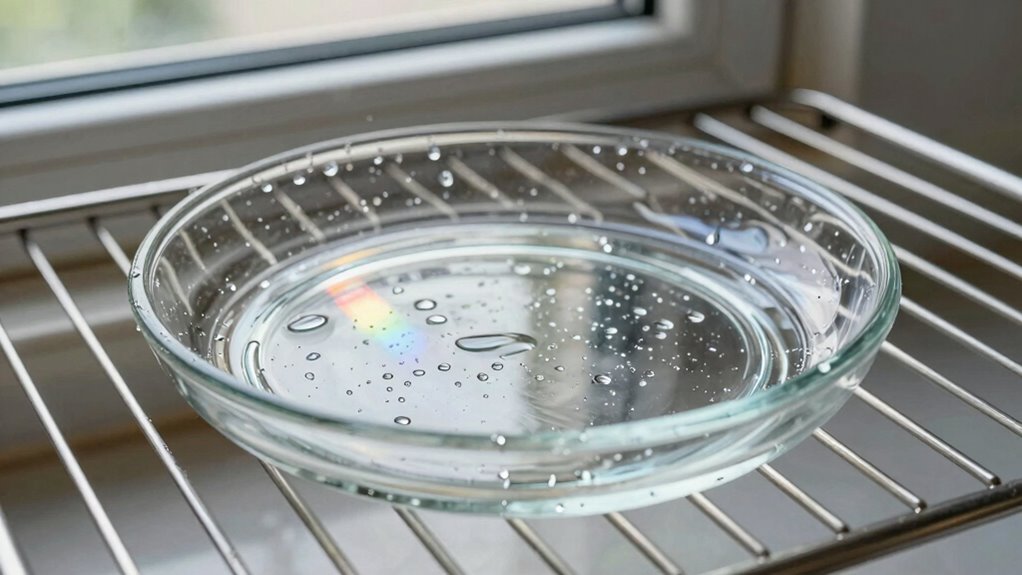
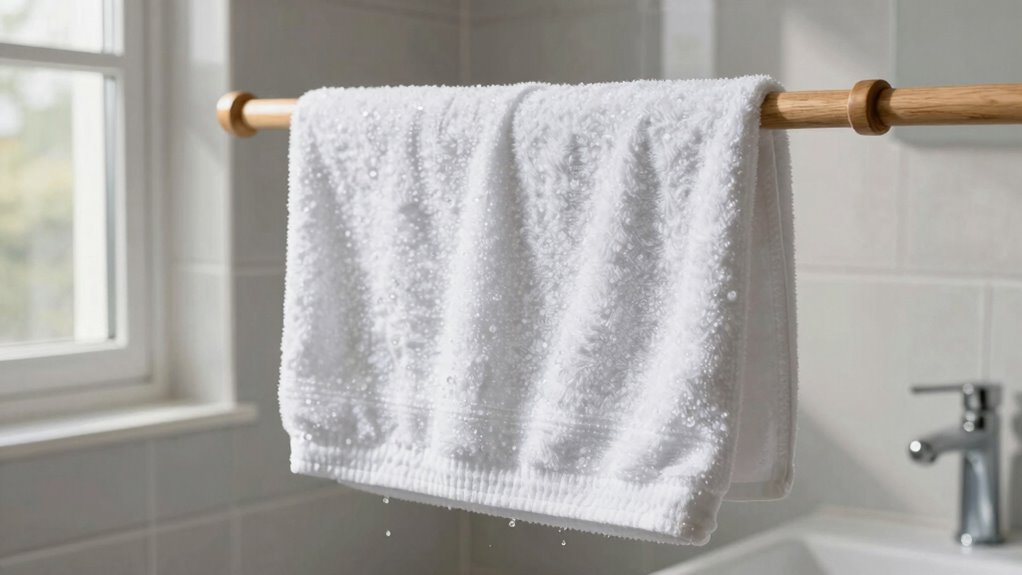
Air circulation is essential during drying because it helps remove residual moisture efficiently. When you allow air to flow freely around your items, you speed up evaporation and prevent dampness from lingering. For example, hanging clothes in a well-ventilated space allows air to circulate around every fiber, promoting thorough drying. This reduces the chance of damp spots that could breed mold or give off unpleasant smells. Similarly, when drying dishes or utensils, ensuring they are exposed to good airflow helps eliminate residual water that might otherwise cause spots or corrosion. Good air circulation isn’t just about speed; it’s about guaranteeing that every part of the item dries evenly and completely. Proper ventilation can significantly impact indoor air quality by reducing excess moisture, which is crucial for preventing mold growth. Additionally, understanding the importance of residue removal can help you prevent buildup that traps moisture and dirt, ensuring your belongings stay in optimal condition. Incorporating proper drying techniques into your routine can further enhance the longevity of your items, especially in humid environments.
Good air circulation ensures thorough, even drying and prevents mold and odors.
Incorporating drying methods that optimize airflow and moisture control can make a noticeable difference in the preservation of delicate fabrics and electronics. Residue removal is also essential after cleaning, especially before drying. Leftover soap, detergent, or cleaning agents can attract dirt and moisture, creating a sticky or filmy residue. If you don’t remove these residues thoroughly, they might trap moisture or serve as a breeding ground for bacteria. When you’re drying, it’s important to wipe or rinse away any residues so that the drying process is more effective. Residue removal ensures that your belongings are not only visually clean but also free from substances that could compromise their longevity. This step is vital for delicate fabrics, electronics, or kitchenware, where residual chemicals can cause damage or affect performance over time. Additionally, understanding the importance of indoor air quality can help you optimize your drying environment for healthier living spaces. Proper airflow and residue removal together contribute to a healthier indoor environment by reducing pollutants and moisture buildup.
In essence, drying is more than just the final step — it’s an integral part of preserving your belongings. Proper air circulation accelerates moisture removal and prevents dampness, while residue removal guarantees that no harmful substances remain. When you combine these practices, you extend the lifespan of your items, keep them looking their best, and avoid costly replacements. Whether you’re drying clothes, dishes, or electronics, paying attention to how you dry and making sure residuals are gone makes all the difference. So next time you clean, remember that effective drying isn’t an afterthought — it’s a vital part of the process to guarantee your belongings stay in top shape for years to come.
Popular right now

Shark Navigator Robot Vacuum with Self-Empty Base, Dark Grey (RV2120AE)

De'Longhi Dinamica Plus Fully Automatic Espresso Machine

Bose QuietComfort Headphones (2nd Gen), Wireless Noise-Cancelling Over-Ear Headphones, Eucalyptus Green
As an affiliate, we earn on qualifying purchases.
Frequently Asked Questions
How Does Improper Drying Lead to Mold Growth?
Improper drying leaves moisture retention on surfaces, creating the perfect environment for mold growth. When you don’t dry items thoroughly, residual dampness provides mold spores with the moisture they need to thrive. To prevent mold, you must guarantee everything is completely dry, especially porous materials. Quick and effective drying is key to mold prevention because it stops moisture buildup, which is the main cause of mold formation.
What Are the Best Drying Techniques for Delicate Fabrics?
For delicate fabrics, you should opt for gentle air drying or lay them flat on a towel to preserve fabric softness and guarantee even drying. Avoid wringing or twisting, which can damage fibers. Using a low-heat setting on your dryer or air-drying in a shaded, well-ventilated area speeds up drying without sacrificing fabric quality. This careful approach keeps your delicate items soft, vibrant, and perfectly dried—faster than you’d think possible!
Can Drying Methods Damage Certain Cleaning Tools or Materials?
Drying methods can indeed damage cleaning tools or materials if you’re not careful. High heat or prolonged exposure can cause chemical reactions that weaken delicate materials, leading to tool deterioration. For instance, using a hot dryer on plastic brushes might warp or crack them. Always choose appropriate drying techniques, like air drying or low heat, to prevent damage and prolong your tools’ lifespan while ensuring effective cleaning.
How Long Should Items Be Dried After Cleaning?
Think of drying as the final brushstroke on a masterpiece—you want it just right. Typically, you should air dry items for at least a few hours, depending on thickness, or towel dry thoroughly, then let them sit to evaporate residual moisture. For delicate or porous items, give them extra time. Proper drying guarantees no moisture remains, preventing mold or damage and keeping your items in top shape.
What Environmental Factors Affect the Drying Process?
Environmental factors like air circulation and humidity control are vital to the drying process. You should guarantee good air circulation by opening windows or using fans, which helps moisture escape faster. Controlling humidity levels is also essential; lower humidity speeds up drying, while high humidity slows it down. Keep the environment dry and well-ventilated to make sure your items dry thoroughly and quickly, preventing mold and damage.
Conclusion
Remember, just like the ancient Egyptians knew the importance of drying after cleaning their artifacts, you should give your belongings ample time to dry properly. Skimping on this step can invite mold, odors, or damage—things even a wisecracking court jester would avoid! So, don’t rush it. Embrace the process, and your items will stay pristine longer. After all, in the grand scheme of maintenance, drying’s almost as important as cleaning itself—trust me, even Merlin would agree!