
TL;DR
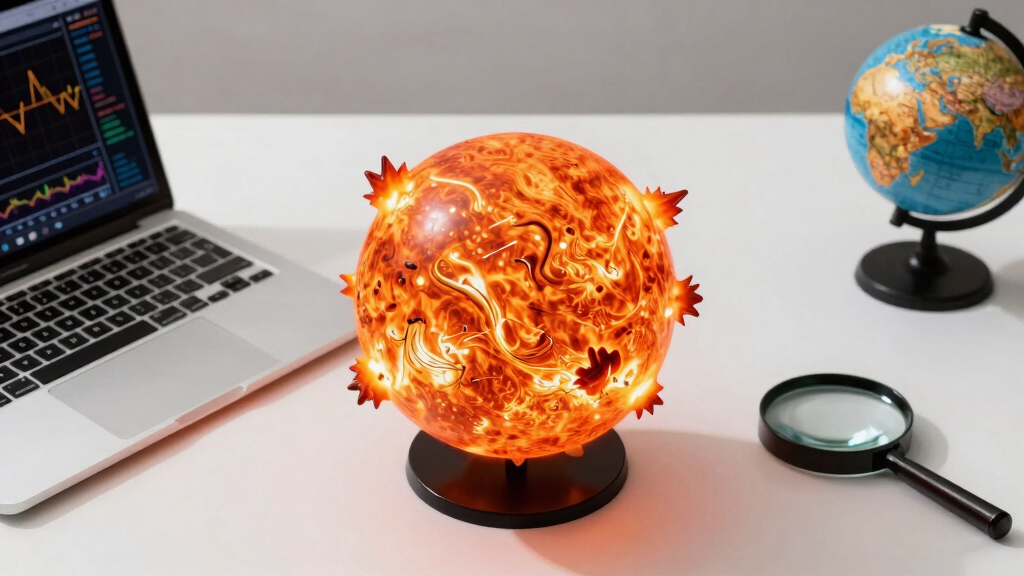
The Sun has released 10 solar flares over the past 24 hours, accompanied by multiple CMEs directed toward Earth. This activity could influence space weather and increase chances of northern lights during the July 4 weekend.
The Sun has emitted 10 solar flares in the past 24 hours, with several coronal mass ejections (CMEs) heading toward Earth, raising prospects for increased aurora activity and potential space weather effects during the upcoming July 4 weekend.
Space weather monitoring agencies, including NOAA’s Space Weather Prediction Center, confirmed the occurrence of 10 solar flares, ranging from moderate to strong intensity, within a single day. Several of these flares were accompanied by CMEs observed leaving the Sun’s corona, with multiple directed toward Earth, according to solar observatories and satellite data.
These CMEs are currently being tracked for their potential impact on Earth’s magnetosphere. While some are still in transit, early models suggest that they could enhance geomagnetic activity, increasing the likelihood of auroras and possibly affecting satellite operations and communication systems.
Experts emphasize that solar flares and CMEs are common during solar maximum periods, but the recent intensity and number of events are notable for their potential terrestrial effects, especially during a holiday weekend when many people plan outdoor activities under the northern lights.
Implications for Space Weather and Aurora Visibility
The recent burst of solar activity is significant because it could lead to **geomagnetic storms** that enhance aurora displays, especially in northern latitudes. Such activity may also temporarily disrupt satellite communications, GPS signals, and power grids, according to space weather officials. The increased solar activity underscores the importance of monitoring space weather forecasts, particularly as many regions prepare for holiday celebrations.

HinsGEAR 2 Pack Red Flashlight LED Single Mode Light 1 Mode LED Torch Scalable Red Light Flashlight for Astronomy Aviation Night Observation (Powered by Single AA Battery, Not Included)
- Red LED for Night Observation: Ideal for wildlife and reptile viewing
- Single Mode Design: Simple, practical, one-mode operation
- Versatile Outdoor Use: Suitable for camping, hiking, astronomy, and emergencies
As an affiliate, we earn on qualifying purchases.
As an affiliate, we earn on qualifying purchases.
Recent Solar Activity and Historical Patterns
Solar activity naturally fluctuates with the approximately 11-year solar cycle. Currently, the Sun is in a phase of heightened activity, known as solar maximum, which typically produces more solar flares and CMEs. In recent weeks, scientists have observed an uptick in solar events, with this latest episode being among the most intense in recent months.
Historically, periods of intense solar activity have led to spectacular auroras and, occasionally, disruptions to technological infrastructure. The current activity aligns with patterns seen during previous solar maxima, but the volume and speed of these events are notable.
“The Sun is currently very active, producing multiple significant flares and CMEs that could impact Earth’s space environment. We are closely monitoring these events for potential geomagnetic storms.”
— Dr. Lisa Grant, NOAA Space Weather Prediction Center

Alilang Brass Tone Aurora Borealis Crystal Rhinestone Binoculars Ring
- Sparkling Aurora Borealis Crystals: Adorned with shimmering rhinestones
- Binoculars-Inspired Design: Unique and eye-catching style
- Elegant Brass Tone Finish: Durable and stylish craftsmanship
As an affiliate, we earn on qualifying purchases.
As an affiliate, we earn on qualifying purchases.
Unconfirmed Impact and Future Solar Activity
It is not yet clear how strongly the CMEs will interact with Earth’s magnetosphere or whether they will cause significant geomagnetic storms. The timing and intensity of potential disruptions remain uncertain as the CMEs continue their transit. Scientists caution that further data is needed to assess the full impact.

Generic FAB Astra Solar Finder Scope – Precision Sun Locator Tool for Telescopes – Astrophotography Accessory
- Easy Sun Location: Locate the sun effortlessly with precision
- Innovative Projection Design: Projects sunlight onto a back plate for alignment
- Durable Lightweight Material: Made from 3D printed PETG-Carbon Fiber
As an affiliate, we earn on qualifying purchases.
As an affiliate, we earn on qualifying purchases.
Monitoring and Forecast Updates for Space Weather
Space weather agencies will continue tracking the CMEs and solar flares to refine impact predictions. Aurora forecasts will be updated, especially for northern regions, as the CMEs approach Earth. Officials advise that satellite operators and power grid managers remain alert for possible disturbances over the coming days.
Further observational data and modeling will clarify the potential for geomagnetic storms and aurora displays during the July 4 weekend.

Midland – WR120B – NOAA Emergency Weather Alert Radio
- NOAA Weather Scan & Alerts: Over 60 weather hazard alerts
- Localized S.A.M.E. Programming: Enter specific area codes
- Customizable Notification Settings: Alerts from up to 25 counties
As an affiliate, we earn on qualifying purchases.
As an affiliate, we earn on qualifying purchases.
Key Questions
How common is this level of solar activity?
Solar flares and CMEs are more frequent during solar maximum, which occurs roughly every 11 years. While multiple flares in a day are not unprecedented, the current level is considered notable for its intensity and number.
Could this activity disrupt technology on Earth?
Yes, intense solar activity can cause geomagnetic storms that may disrupt satellite communications, GPS signals, and power grids. However, the full impact depends on the strength and direction of the CMEs.
Will there be visible northern lights during the July 4 weekend?
The increased geomagnetic activity from the CMEs could enhance aurora visibility in northern regions, potentially making for spectacular displays during the holiday weekend.
When will the effects of these CMEs be felt on Earth?
The CMEs are currently in transit, and their arrival is expected within the next 24 to 48 hours. Monitoring agencies will provide updates as the events unfold.
Is this the most intense solar activity this year?
While solar activity fluctuates, the recent number of flares and CMEs is among the most intense observed this year, consistent with the solar maximum phase.
Source: google-trends