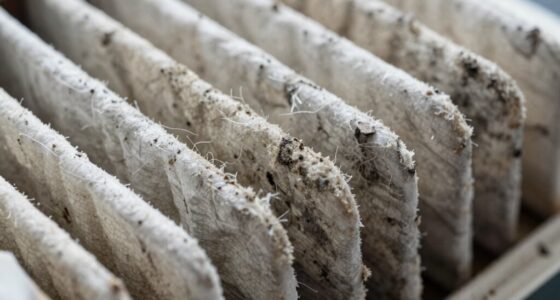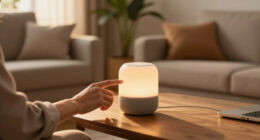
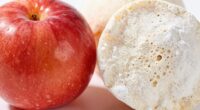
To protect your air and materials, aim for a humidity level between 40-60%. This balance keeps the air comfortable, reduces static, and prevents mold growth. It also helps avoid damage like warping, cracking, and mold on belongings and building materials. Use a hygrometer to monitor moisture and adjust with humidifiers or dehumidifiers as needed. Maintaining stable humidity is key for long-lasting items and a healthy environment—discover more ways to achieve perfect balance here.
Open a free Amazon Business account
Business pricing, bulk buying and tax-exempt orders.
As an affiliate, we earn on qualifying purchases.
Key Takeaways
- Maintain indoor humidity levels between 40-60% to ensure comfortable air quality and material preservation.
- Use hygrometers to accurately monitor moisture levels and adjust with humidifiers or dehumidifiers accordingly.
- Avoid rapid fluctuations in humidity to prevent material stress, cracking, and mold growth.
- Ensure proper ventilation for even airflow and to prevent trapped moisture in indoor spaces.
- Regularly service environmental control devices to sustain a stable, balanced humidity environment.

Maintaining the right humidity level is vital for protecting both the air you breathe and the materials around you. When you focus on proper humidity regulation, you create an environment that supports health and safeguards your belongings. If the air is too dry, you might notice discomfort, static electricity, and increased respiratory issues. Conversely, overly humid conditions can lead to mold growth, musty odors, and damage to delicate or porous materials. Striking the right balance helps you maintain a comfortable space while preventing deterioration.
Controlling humidity isn’t just about comfort; it’s an essential aspect of material preservation. High humidity levels can cause wood to warp, paint to peel, and textiles to develop mold. On the other hand, low humidity can cause wood to crack or split, leather to become brittle, and paper to become fragile. When you regulate moisture levels, you extend the lifespan of your belongings, whether they’re valuable artworks, important documents, or furniture. This is especially important in environments like museums, archives, or homes with antique collections, where preserving materials over time requires precise humidity management. Understanding relative humidity and how it influences material stability is crucial for effective regulation. Additionally, environmental factors such as temperature fluctuations can exacerbate humidity issues, making it even more important to maintain consistent conditions.
To achieve ideal humidity regulation, you need to monitor the environment carefully. Use a hygrometer to keep track of moisture levels, aiming for around 40-60% relative humidity, depending on what you’re protecting. If the space tends to be too dry, consider using a humidifier to add moisture to the air. Conversely, if it’s too damp, a dehumidifier can help extract excess moisture. Ventilation also plays a critical role; proper airflow prevents humidity from becoming trapped and encourages even distribution throughout the space. Regularly checking and adjusting these devices ensures you’re maintaining a stable environment. Additionally, understanding environmental factors that influence humidity can help you better control your indoor climate.
Implementing consistent humidity regulation practices is key to avoiding sudden fluctuations that can harm both your health and your possessions. Sudden changes in moisture levels can cause materials to expand and contract, leading to cracks, warping, and other damage. By maintaining a steady environment, you protect your belongings from the stresses of fluctuating humidity. Proper humidity control also supports healthier indoor air quality, reducing allergens and mold spores that thrive in inconsistent or overly humid environments. Additionally, proper humidity control can help prevent the growth of mold and bacteria, which are common in environments with poor moisture regulation. It’s also beneficial to be aware of how indoor climate impacts overall well-being, as a stable environment contributes to a healthier living space.
Ultimately, investing in the right tools and habits for humidity regulation ensures your space remains safe and your materials stay preserved. Whether you’re safeguarding artwork, documents, or simply creating a comfortable home, understanding and controlling humidity is fundamental. When you pay attention to these details, you’re actively protecting the air you breathe and the materials that surround you—helping everything last longer and function better over time.
digital hygrometer for indoor humidity
As an affiliate, we earn on qualifying purchases.
As an affiliate, we earn on qualifying purchases.
Frequently Asked Questions
How Does Humidity Affect Indoor Air Quality?
Humidity levels directly impact your indoor air quality. When humidity is too high, it encourages mold growth and dust mites, worsening allergies. Low humidity causes dryness, irritating your respiratory system. Using humidity sensors helps you monitor these levels accurately. Air purifiers with humidity control features can maintain ideal moisture, improving air quality and protecting your health. Keep humidity balanced to breathe easier and create a comfortable indoor environment.
What Are the Signs of Improper Humidity Levels?
You’ll notice signs of improper humidity levels like mold growth, musty odors, or peeling paint, which often defy common humidity myths. During seasonal variations, you might feel increased dryness or dampness, leading to discomfort or respiratory issues. If your skin feels dry or your windows fog up excessively, it indicates imbalance. Monitoring your indoor humidity helps prevent these issues, ensuring a healthier, more comfortable environment year-round.
Can Humidity Control Prevent Mold Growth?
Yes, controlling humidity can prevent mold growth. Many humidity myths suggest it’s unnecessary, but maintaining proper levels during seasonal variations helps inhibit mold spores from thriving. When you keep indoor humidity between 30-50%, you reduce excess moisture that mold needs. By actively managing humidity, especially during damp seasons, you protect your home and health, making mold less likely to develop and ensuring a healthier environment.
What Equipment Is Best for Maintaining Humidity Balance?
You should consider a high-efficiency dehumidifier or humidifier to maintain proper humidity levels. Look for units with good dehumidifier efficiency ratings to guarantee energy savings and effective moisture control. Regular humidifier maintenance is essential to prevent mold and bacteria buildup, ensuring the device runs smoothly. Both appliances help keep air quality ideal, protecting your space and materials from excess moisture or dryness.
How Often Should Humidity Levels Be Monitored?
You should check humidity levels daily—yes, daily! Use reliable humidity sensors to catch tiny changes before they cause chaos. Regular dehumidifier maintenance is essential; neglect it, and you risk disaster. Constant monitoring prevents mold, warping, and damage. Make it a habit to review your sensors and maintain your equipment every day, especially in sensitive environments. Your air and materials will thank you for this vigilant, almost obsessive attention!
As an affiliate, we earn on qualifying purchases.
Conclusion
Maintaining the right humidity levels isn’t just about comfort — it’s about protecting your environment. Did you know that indoor humidity levels between 30-50% can reduce mold growth by nearly 80%? By keeping humidity balanced, you prevent damage to your belongings and promote healthier air quality. So, take control of your space, and you’ll breathe easier while safeguarding everything around you. A simple adjustment could make all the difference in preserving your home and health.
automatic dehumidifier for basement
As an affiliate, we earn on qualifying purchases.
As an affiliate, we earn on qualifying purchases.
As an affiliate, we earn on qualifying purchases.
Fall Picks
fall essentials
As an affiliate, we earn on qualifying purchases.