
TL;DR

Get school and study supplies delivered free — and shop member deals
- Fast, free delivery on millions of items
- Access to Prime Big Deal Days deals on October 6–7
- Prime Video, Amazon Music and more included
Washington experienced an extreme weather event marked by intense heat and severe storms, causing disruptions and raising climate concerns. Authorities are assessing the situation as it unfolds.
Washington faced an unprecedented weather event over the past two days, with record-breaking temperatures and severe storms causing widespread disruptions. The phenomenon has prompted emergency alerts and heightened climate change concerns among officials and residents alike.
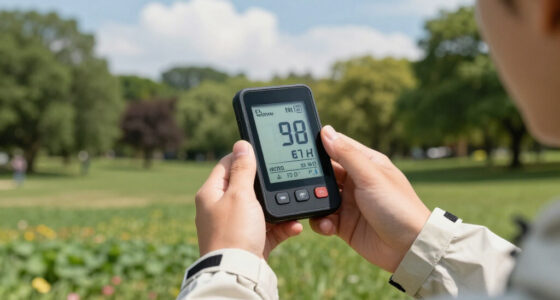
On Tuesday, Washington recorded its highest temperature ever, reaching 108°F (42°C), according to the National Weather Service. Concurrently, intense thunderstorms swept through the region, resulting in flash flooding, power outages, and transportation disruptions. Local authorities issued multiple emergency alerts, urging residents to stay indoors and avoid travel. The National Weather Service has described the weather as an ‘extreme and rare’ event for the area, which typically experiences milder conditions at this time of year.
Officials from the Washington Department of Emergency Management confirmed that numerous emergency calls have been received related to flooding and heat-related health issues. Power companies report over 50,000 residents affected by outages, with some areas still without electricity as crews work to restore services. Hospitals are treating an increase in heat stroke and dehydration cases, according to local health officials. The weather event is widely attributed to climate change, though specific causes are still under investigation.
Implications of the Record-Breaking Weather in Washington
This event underscores the increasing frequency of extreme weather events linked to climate change. The disruptions observed highlight the importance of infrastructure resilience and emergency preparedness. For residents, this event emphasizes the need for ongoing adaptation strategies. Policymakers are considering measures to address these risks at various government levels.
portable emergency power generator
As an affiliate, we earn on qualifying purchases.
As an affiliate, we earn on qualifying purchases.
Recent Extreme Weather Trends in Washington and Beyond
Washington has historically experienced relatively mild summers, with temperatures rarely exceeding 100°F. However, recent years have seen an increase in extreme heat and storm activity across the region, consistent with broader climate change trends. Similar events have been reported in other parts of the U.S., such as the Southwest and Southeast, as climate change impacts become more evident. Experts warn that without significant emissions reductions, such events are likely to become more frequent and intense, affecting public safety and economic stability.
“This event provides data that support the understanding that climate change is influencing the frequency and intensity of extreme weather patterns.”
— Dr. Lisa Moreno, Climate Scientist
personal heat stroke prevention kit
As an affiliate, we earn on qualifying purchases.
As an affiliate, we earn on qualifying purchases.
Uncertainties About the Extent and Future of the Weather Event
While the immediate impacts are documented, the duration of the current conditions and whether this event indicates a broader trend remain uncertain. Scientists are analyzing atmospheric and climatic data to better understand the factors involved, but forecasts about future occurrences are still being developed.
As an affiliate, we earn on qualifying purchases.
Next Steps in Response and Climate Policy Discussions
Emergency services continue rescue and recovery efforts, with authorities evaluating infrastructure damage and health impacts. Meteorologists will monitor weather patterns to assess the likelihood of similar events in the near future. Additionally, policymakers are expected to discuss strategies related to climate resilience and emergency preparedness to better manage potential future events.
As an affiliate, we earn on qualifying purchases.
Key Questions
What caused the extreme weather in Washington?
The specific causes are under investigation, but atmospheric conditions combined with longer-term climate change trends are believed to have contributed to the event.
How long will the heat and storms last?
Forecasts suggest the current heatwave may persist for several more days, with storm activity decreasing as atmospheric conditions stabilize. Exact durations are uncertain.
Are there health risks associated with this event?
Residents may be at increased risk of heat-related illnesses and injuries from storms. Authorities recommend following safety alerts, staying hydrated, and avoiding unnecessary travel.
Will climate change make such events more common?
Many climate scientists agree that climate change is increasing the frequency and severity of extreme weather events, including heatwaves and storms, which may lead to more frequent occurrences in the future.
What is being done to prevent future similar events?
Efforts include enhancing infrastructure resilience, updating emergency response protocols, and implementing policies aimed at reducing greenhouse gas emissions.
Source: google-trends
Halloween Picks
halloween
As an affiliate, we earn on qualifying purchases.