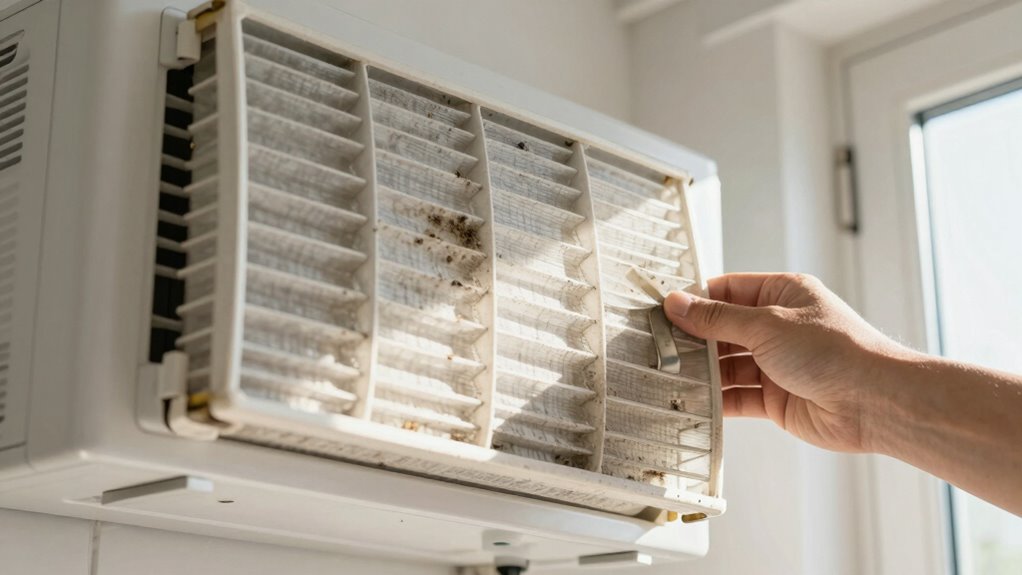

The common 30-60 day filter change rule is actually an outdated myth that can harm your indoor air quality. It’s based on old practices and doesn’t consider factors like your environment, pets, or dust levels. Changing filters too often wastes money, while waiting too long allows dirt and pollutants to build up, reducing air quality and system efficiency. Learn how customizing your filter schedule can keep your home healthier — and discover more tips ahead.
Key Takeaways
- The 30-60 day rule is outdated; it doesn’t account for environmental factors affecting filter lifespan.
- Changing filters prematurely or infrequently can both harm indoor air quality and waste resources.
- Relying solely on timer-based intervals ignores real-time air quality and filter condition.
- Using a generic schedule without considering dust, pets, or pollutants can lead to clogged filters and poor air quality.
- Proper, environment-specific filter maintenance improves air quality and prevents costs from unnecessary or delayed replacements.
The Origins of the 30-60 Day Rule
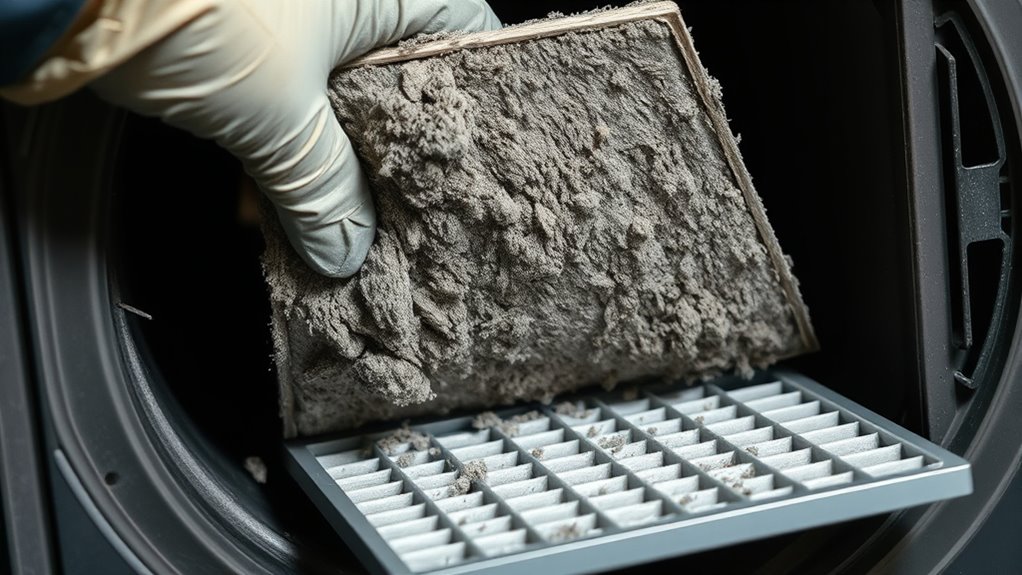
Have you ever wondered where the common advice to change your air filter every 30 to 60 days originated? It stems from traditional recommendations aimed at maximizing filter lifespan and maintaining indoor air quality. These guidelines originated decades ago when filters were less efficient, and HVAC systems were simpler. Over time, maintenance myths took hold, suggesting frequent replacements prevent problems. However, these rules aren’t based on solid scientific evidence but rather on outdated practices designed to ensure the system’s longevity. The 30-60 day rule became a standard because it was easy to remember and applied broadly, regardless of your home’s unique needs. Today, we realize that this one-size-fits-all approach may lead to unnecessary changes, wasting money and resources. Understanding filter efficiency can help you make more informed decisions tailored to your specific environment, especially as filter technology has advanced significantly. Additionally, considering factors like indoor air quality and personal sensitivities can help optimize your filter replacement schedule, and staying informed about system performance ensures your HVAC operates efficiently and effectively.
Factors That Influence Filter Performance

While the 30-60 day rule offers a simple guideline, it doesn’t account for the many factors that actually affect how long your filter lasts and performs effectively. Air filter durability varies based on indoor air quality, household size, and filter quality. If you have pets or allergies, your filter will clog more quickly, reducing its allergen removal capabilities. Environmental factors like dust levels and cigarette smoke also impact performance. Additionally, your usage patterns matter—continuous operation and higher airflow demand can accelerate filter degradation. Regularly inspecting your filter helps determine when it’s truly time to replace it, ensuring *ideal* allergen removal and maintaining good air quality. Proper filter maintenance is essential for optimal performance over time. Remember, a filter’s lifespan isn’t just about time but about how well it performs under your specific conditions. Considering dust accumulation and other environmental influences can help you better gauge when to change your filter. For deep-sky imaging, understanding filter performance helps optimize light transmission and image quality over time. Moreover, understanding how filter lifespan varies with environmental factors enables better planning for replacements and consistent air quality.
When to Really Change Your Air Filter
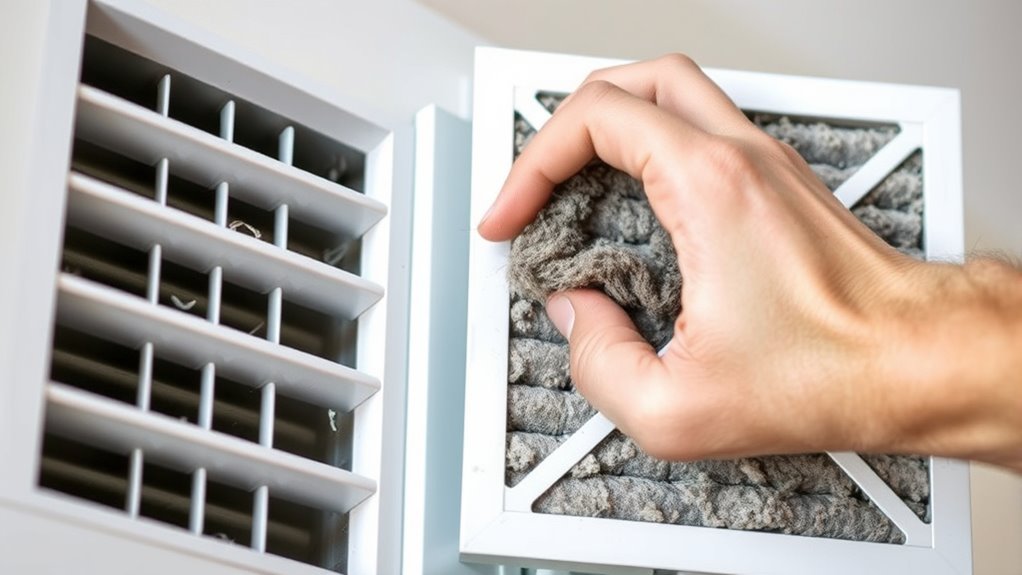
Knowing exactly when to change your air filter requires more than just following a fixed schedule; instead, pay attention to how your filter looks and how your air quality feels. If your filter appears dirty or clogged, it’s time for a change. HEPA filters, in particular, are designed to trap airborne pathogens, but they lose efficiency when dirty. When your home feels dustier or you notice musty odors, these are signs to replace the filter. Regularly inspecting your filter’s condition helps maintain ideal air quality. Use this quick guide:
| Condition | Action |
|---|---|
| Visible dirt or debris | Change immediately |
| Reduced airflow | Replace to restore efficiency |
| Increased allergy symptoms | Consider replacing sooner |
| Filter lifespan indicators | Be aware of signs that your filter needs changing |
A properly maintained filter ensures optimal air quality and system performance. Additionally, understanding the importance of air purifier maintenance dos and don’ts can help extend the life of your filters and keep your indoor environment healthier. Regular filter inspections are especially important in homes with smart HVAC systems, which can provide real-time data on air quality and filter status. Incorporating herbal infusions into your home environment can also support better air quality by naturally reducing airborne pollutants.
How Over- or Under-Changing Filters Affects Air Quality

Changing your air filter at appropriate intervals is key to maintaining good air quality, but overdoing it or waiting too long can have unintended consequences. If you replace filters too frequently, you might disrupt the filter’s lifespan, wasting money and resources without improving air quality considerably. Conversely, delaying replacement allows dust, allergens, and pollutants to accumulate, reducing air quality and straining your HVAC system. Overused filters become clogged and less effective, which can circulate contaminants instead of trapping them. Properly timed changes ensure the filter functions at its best, supporting good air quality and prolonging the filter’s lifespan. Understanding filter lifespan helps ensure you replace filters at the optimal times for maintaining indoor air quality. Additionally, being aware of the filter’s performance can guide you in determining when a replacement is truly needed. Regularly inspecting filters for signs of wear can also help maintain proper air filtration and indoor comfort, especially when considering filter efficiency and its impact on indoor environments. Recognizing the impact of filter timing can prevent unnecessary costs and ensure optimal air quality.
Tips for Customizing Your Filter Maintenance Routine

To create an effective filter maintenance routine, you need to contemplate your specific indoor environment and usage habits. Recognizing air quality myths can help you avoid unnecessary changes and optimize filter replacement schedules. Tailoring your routine ensures better air quality and longer filter life. Consider these tips:
Customize your filter routine by understanding your indoor environment and dispelling air quality myths for optimal air and filter life.
- Monitor your indoor air quality regularly to determine when a filter needs replacing
- Adjust maintenance frequency based on indoor pollutants, pets, or smokers
- Choose the right filter type and rating suited to your environment and needs
- Stay informed about proper filter maintenance practices to dispel common air quality myths
- Understanding air quality standards can guide you in selecting and maintaining the most effective filters for your home.
- Being aware of Youngster Choice insights can help you better interpret air quality data and make informed decisions.
- Regularly reviewing filter lifespan estimates can help you plan replacements more accurately and avoid premature changes.
- Educating yourself on filter effectiveness can improve your routine and ensure your indoor air remains healthy.
- Incorporating proper filter selection techniques based on your environment can further enhance air quality and extend filter longevity.
Frequently Asked Questions
How Can I Tell if My Filter Needs Changing Earlier Than 30-60 Days?
You can tell if your filter needs changing earlier than 30-60 days by checking air quality indicators like increased dust, allergies, or musty odors. Inspect the filter for visible dirt or debris; if it looks clogged or dark, replace it. Keep an eye on filter lifespan tips like noting decreased airflow or higher energy bills, which suggest it’s time for a change. Regular checks help maintain ideal air quality.
Are There Specific Indoor Pollutants That Degrade Filters Faster?
Yes, certain indoor pollutants like pet dander, smoke, and dust accumulation can cause filters to degrade faster. When these particles build up quickly, your filter clogs more often, reducing its effectiveness. You might notice reduced airflow or increased dust around vents. To maintain air quality, check your filter regularly, especially if you have pets or smokers at home, and change it sooner if you see signs of clogging or heavy dust accumulation.
Do Different HVAC Systems Require Different Filter Maintenance Schedules?
Your HVAC system’s needs are no joke—different systems demand unique maintenance. You must consider filter material and system compatibility because ignoring this can turn your home into a breeding ground for pollutants. Some systems require more frequent changes, especially if they handle allergens or heavy dust. Always check your manufacturer’s guidelines to avoid unnecessary wear and guarantee ideal air quality, because neglecting this can lead to costly repairs and compromised air health.
Can Using a Higher Merv-Rated Filter Improve Air Quality Without Harm?
Using a higher MERV-rated filter can improve air quality and allergen removal, but it may reduce your filter lifespan if your system isn’t designed for it. Check your HVAC’s specifications before switching, as overly restrictive filters can strain the system. If compatible, a higher MERV filter helps trap more particles, enhancing indoor air quality without harm. Just remember to replace it regularly to maintain peak allergen removal and airflow.
How Does Filter Material Impact Longevity and Air Filtration Efficiency?
Think of your filter material as the armor protecting your home. The stronger and more durable the armor, the longer it lasts and the better it filters. High-quality filter material increases filtration efficiency by trapping more particles and resisting wear over time. Choosing the right material means you get a longer-lasting filter that keeps your air cleaner, reducing maintenance and ensuring healthier indoor air without sacrificing performance.
Conclusion
Don’t let the outdated 30-60 day rule sabotage your air quality. By understanding what truly affects your filter’s performance, you can avoid the nightmare of polluted indoor air. Regularly checking and customizing your maintenance routine keeps your home safe and healthy — it’s your fortress against invisible enemies. Take control now; a clean filter isn’t just a small change, it’s your first line of defense against air pollution’s silent attack!