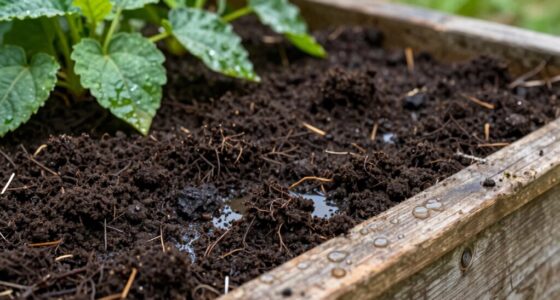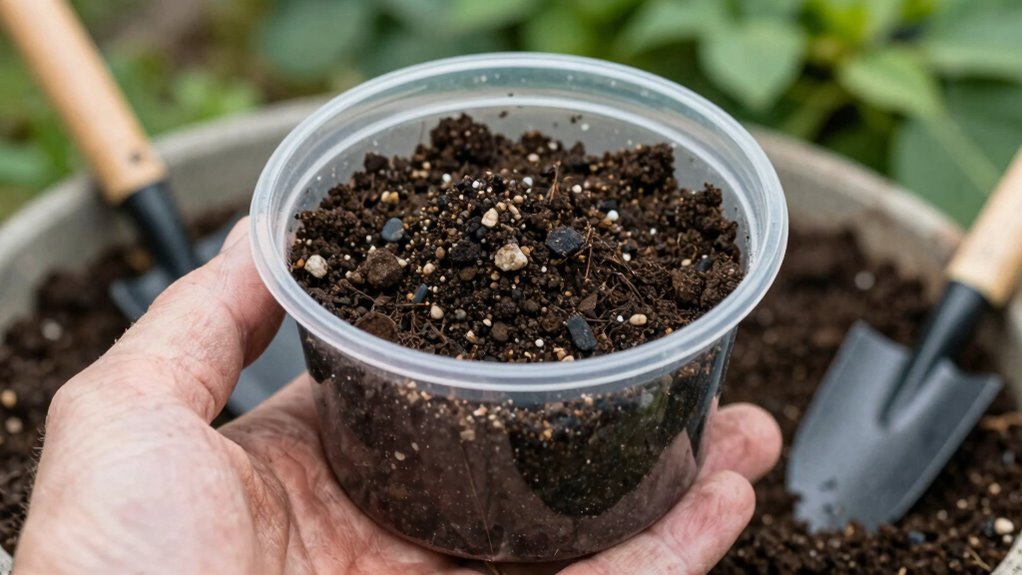

Many gardeners skip soil testing because they believe healthy soil doesn’t need it or think it’s too time-consuming. They often rely on guesswork, missing signs like poor plant growth, yellowing leaves, or patchy spots that indicate imbalances. This oversight can lead to costly mistakes and wasted resources. If you want to understand how to avoid these issues and unseal better garden health, there’s more to discover below.
Key Takeaways
- Many skip comprehensive soil testing, especially pH and nutrient levels, leading to ineffective or unnecessary fertilization.
- Proper soil sampling from multiple locations ensures accurate results, but many gardeners neglect this step.
- Routine testing of soil organic matter and pH helps maintain long-term soil health and avoid costly mistakes.
- Ignoring soil tests can cause nutrient deficiencies or excesses, harming plant growth and increasing expenses.
- Regular soil testing saves money by guiding targeted amendments and preventing over-application of fertilizers.
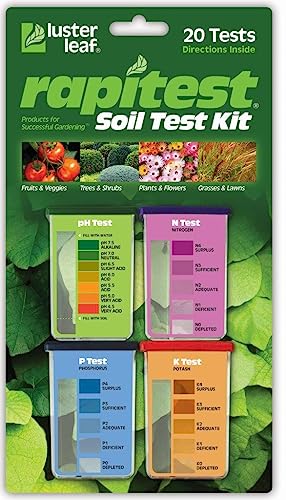
Rapitest Soil Test Kit for Gardens, Vegetables, Flowers and Lawns. USA designed and assembled soil tester completely, quickly and accurately measures/analyzes soil pH acidity and garden nutrients.
- Quick at-home soil testing: Measures pH, N, P, K quickly
- Easy-to-use capsule system: Simple testing with color comparators
- Complete testing kit: Includes components for 20 tests
As an affiliate, we earn on qualifying purchases.
As an affiliate, we earn on qualifying purchases.
Common Reasons Gardeners Overlook Soil Testing
Many gardeners skip soil testing because they believe it’s unnecessary or too time-consuming. They assume healthy soil doesn’t need regular checks and rely on guesswork instead. However, understanding soil health is vital for maximum plant growth. Without proper testing, you might overlook nutrient deficiencies or imbalances that hinder your plants’ development. Soil testing provides valuable insights, helping you tailor amendments and avoid over- or under-fertilizing. It’s a proactive step that saves time and money in the long run. By ignoring soil testing, you risk poor plant growth, reduced yields, and wasted resources. Taking a few minutes to test your soil can dramatically improve your gardening success, ensuring your plants have the right foundation to thrive. Additionally, knowing your soil’s contrast ratio and color accuracy can help you create optimal conditions for healthy growth. Regular testing also allows you to monitor soil pH and adjust it as needed for different plant types, ensuring optimal nutrient availability. Conducting soil tests can also reveal hidden deficiencies that are not obvious through visual inspection alone. Recognizing the importance of soil chemistry can further enhance your understanding of soil health and guide more precise amendments. Moreover, understanding nutrient balance can help prevent deficiencies and toxicities, leading to more vigorous plant growth.
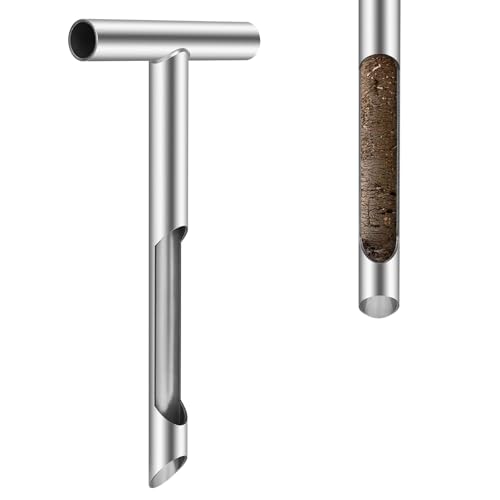
AUZEKER 12 Inch Soil Sampler Probe, Stainless Steel Soil Core Sampling Tool with T-Handle, Heavy Duty Soil Probe for Lawn, Garden, Farm & Soil Testing
- Accurate Soil Sampling: Collect clean, consistent soil cores
- Durable Stainless Steel: Corrosion-resistant and long-lasting construction
- Ergonomic T-Handle: Provides better leverage and control
As an affiliate, we earn on qualifying purchases.
As an affiliate, we earn on qualifying purchases.
Signs That Your Soil Needs a Checkup
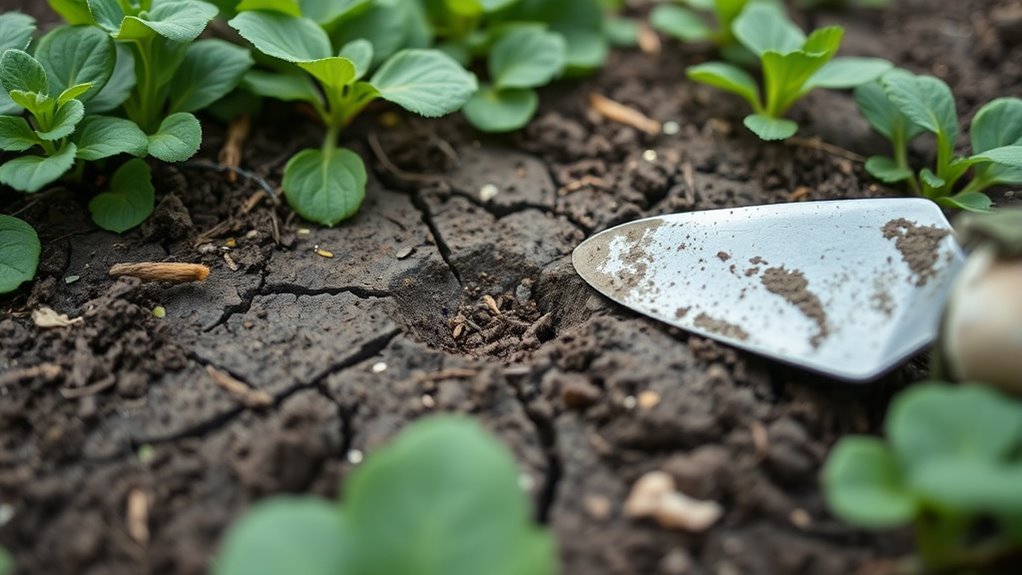
If your garden plants aren’t thriving despite your best efforts, it might be a sign that your soil needs a checkup. Poor growth, yellowing leaves, or pests can indicate nutrient deficiencies or imbalanced soil. Additionally, inconsistent watering techniques can stress plants and reveal underlying soil issues. Watch for signs like compacted soil, poor drainage, or patches where plants struggle to grow. These symptoms suggest it’s time for a soil test. Understanding soil health is essential for maintaining a vibrant and productive garden. Recognizing issues like poor water retention or soil composition can help you address problems before they become severe. Proper soil management is especially important in sustainable agriculture practices, ensuring long-term productivity and environmental health. Regular soil testing provides valuable insights into nutrient levels and pH, helping gardeners optimize their fertilization strategies for healthier plants.
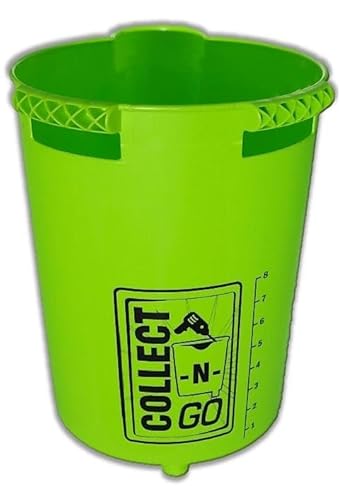
Collect-N-Go Soil Sample Collection Kit with Auger
- Ideal for various professionals: Farmers, soil consultants, gardeners, landscapers, ranches, vineyards, golf courses, food plots
As an affiliate, we earn on qualifying purchases.
As an affiliate, we earn on qualifying purchases.
How Soil Testing Can Save You Money
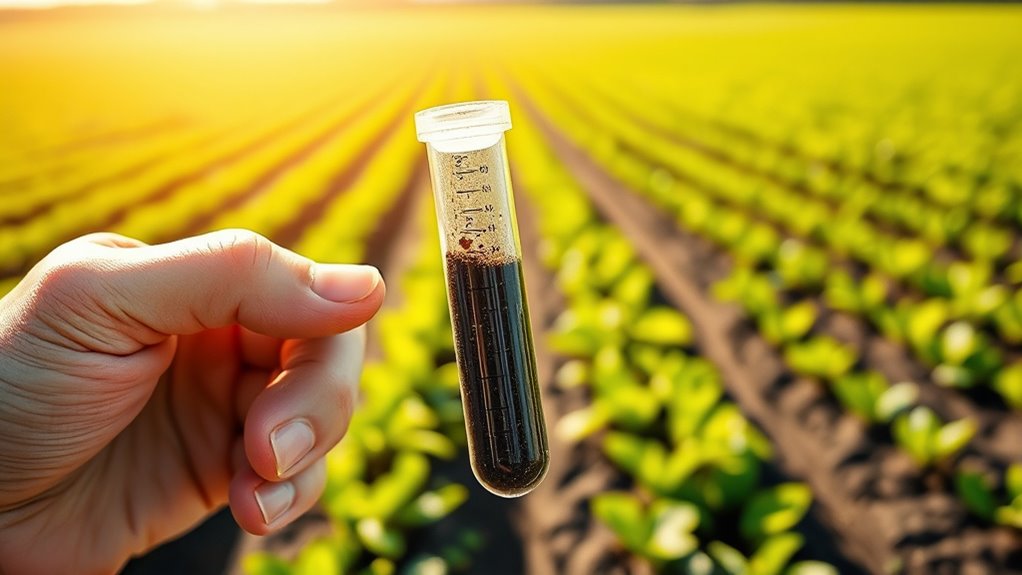
Conducting a soil test can prevent you from wasting money on unnecessary fertilizers and amendments. When you understand your soil’s health, you can target precisely what it needs, saving you cash and effort. Here’s how soil testing can boost your savings: 1. Avoid overspending on guesswork, ensuring you buy only what’s necessary. 2. Optimize organic amendments, making them more effective and reducing waste. 3. Prevent costly mistakes that damage soil health, leading to healthier plants and higher yields. Soil health management can further enhance your overall gardening success and financial savings. Additionally, knowing your soil’s nutrient levels helps you implement sustainable practices that protect your land for future use.

MySoil Soil Test Kit, Unlock Your Lawn & Garden Potential, Complete & Accurate Nutrient and pH Analysis with Recommendations Tailored to Your Soil and Plant Needs
- Professional Soil Testing Kit: Accurately measures nutrients and pH
- Fast Results: Receive analysis in 6-8 days
- Versatile Compatibility: Suitable for all soil types and plants
As an affiliate, we earn on qualifying purchases.
As an affiliate, we earn on qualifying purchases.
Key Nutrients Revealed by a Soil Test
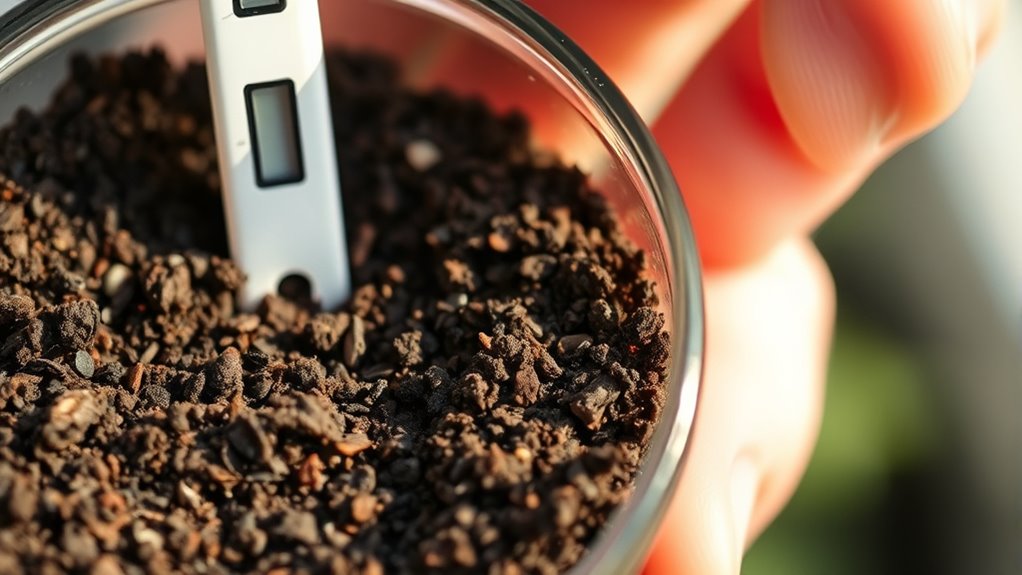
A soil test reveals the essential nutrients your soil needs to thrive, like nitrogen, phosphorus, and potassium. Knowing these key nutrients helps you understand what’s lacking or excessive in your soil. With this information, you can balance your soil chemistry for healthier plants and better yields. This process aligns with the comparative advantage principle, ensuring you utilize resources efficiently for optimal gardening outcomes. Additionally, understanding soil nutrient levels can guide you in making targeted amendments, saving time and money while promoting sustainable gardening practices. Monitoring soil health indicators can further support long-term soil sustainability and plant vitality. Using the right tools, such as soil testers, can make this process more precise and accessible for gardeners of all levels.
Essential Nutrients Identified
Understanding the essential nutrients revealed by a soil test can markedly improve your gardening results. When you identify key nutrients like nitrogen, phosphorus, and potassium, you gain insight into what your soil truly needs. This knowledge helps you optimize soil pH for better nutrient uptake and boosts organic matter to improve soil structure. Additionally, recognizing Free Floating nutrients can prevent deficiencies that hinder plant growth. Knowing the soil’s nutrient balance allows you to tailor amendments precisely, leading to healthier plants.
Balancing Soil Chemistry
Balancing soil chemistry is essential for ensuring your plants receive the right nutrients in the right amounts. After a soil test reveals key nutrient levels, you can perform pH adjustment to maximize nutrient availability. If your soil is too acidic or alkaline, correcting the pH helps nutrients like iron, manganese, and zinc become accessible to plants. Proper soil chemistry also involves maintaining micronutrient balance, as deficiencies or excesses can hinder growth. Use amendments such as lime or sulfur to adjust pH, and add specific nutrients if deficiencies are identified. Understanding soil chemistry is fundamental for creating an optimal growing environment, as it influences how plants absorb nutrients. Regular testing and adjustments help you maintain ideal conditions, so your garden thrives with balanced, accessible nutrients. Incorporating auditory processing techniques can also support your ability to interpret soil test results accurately, ensuring precise adjustments for your garden’s success.
The Process of Collecting a Soil Sample
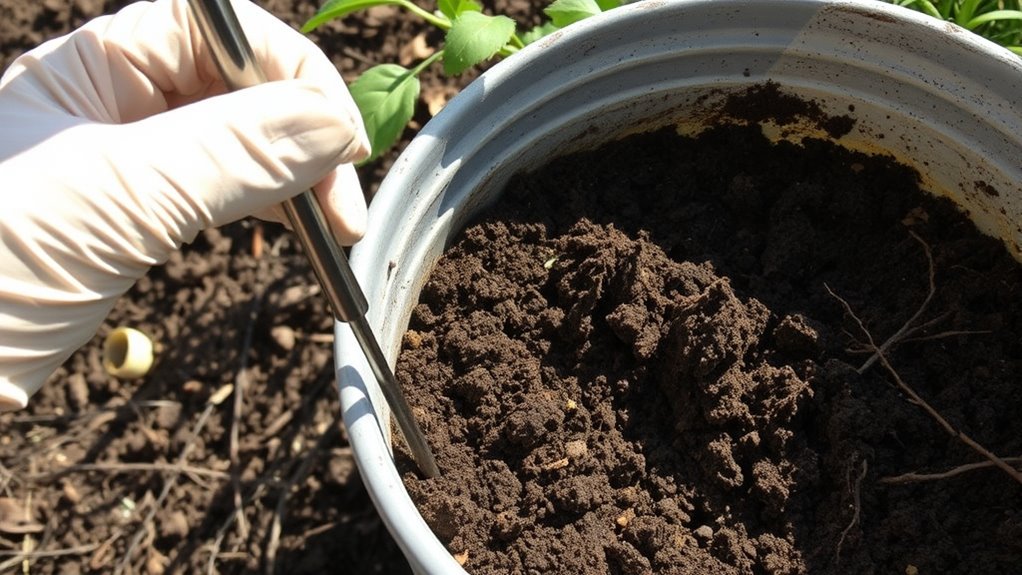
To get accurate soil test results, you need to pick the right sampling locations across your yard or garden. Make sure to collect samples properly from different spots, avoiding areas like compost piles or the edges of your property. Once you have your samples, prepare them correctly for testing to guarantee the results reflect your soil’s true condition. Incorporating traditional practices can also help you understand the natural balance of your soil and enhance your overall wellness approach. Paying attention to soil health and understanding its natural composition can lead to more sustainable gardening success. Additionally, using soil testing methods ensures you receive precise insights that guide your soil improvement efforts effectively.
Choosing Sampling Locations
Choosing the right sampling locations is essential for getting an accurate picture of your soil’s health. Your goal is to identify representative sampling zones that reflect the overall condition of your land. When selecting your test site, consider areas that show typical growth and avoid spots affected by recent fertilization or disturbance. Proper test site selection guarantees your results reveal the true nutrient levels and pH balance. To improve accuracy, gather samples from different depths and spots across your property to account for variability. Additionally, understanding the importance of sampling consistency can help you obtain more reliable results. Here are three key tips: 1. Focus on multiple zones to capture variability across your property. 2. Avoid sampling near fences, driveways, or shaded areas that skew results. 3. Choose spots where plants grow normally, providing reliable data for your soil health. Smart test site selection leads to actionable insights and better crop or garden success.
Collecting Proper Samples
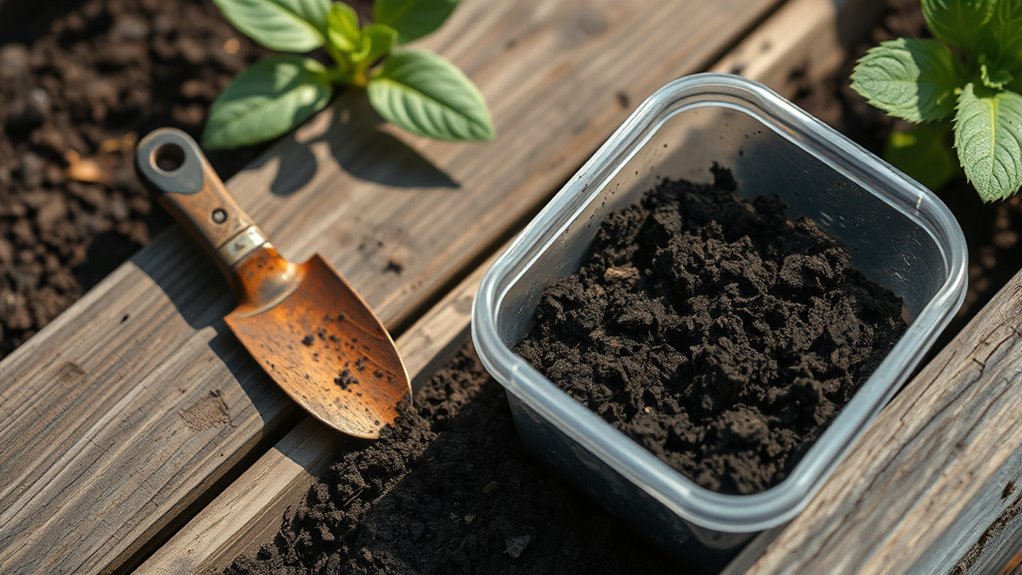
Collecting a proper soil sample is a crucial step in accurately evaluating your land’s health. To do this correctly, pay attention to sampling depth—typically about 6 inches for lawns and gardens, or deeper for fields. Use clean, labeled sample containers to prevent contamination and keep samples organized. Avoid mixing soil from different areas or depths; instead, take multiple subsamples from the same site and combine them for a representative sample. When collecting, insert a trowel or soil probe straight down, then place the sample into your container without overfilling. Ensure the container is tightly sealed and labeled clearly. Proper collection techniques help ensure your soil test results are accurate, giving you reliable insights to improve your land management.
Preparing for Testing
Before you start gathering soil samples, it’s vital to prepare your tools and plan your approach. This guarantees accurate results for measuring soil pH and organic matter.
- Gather clean tools like a trowel or soil probe to avoid contamination.
- Identify multiple sampling spots across your yard to get a representative sample.
- Plan to collect samples at the root zone, about 6 inches deep, to analyze soil health accurately.
Interpreting Your Soil Test Results
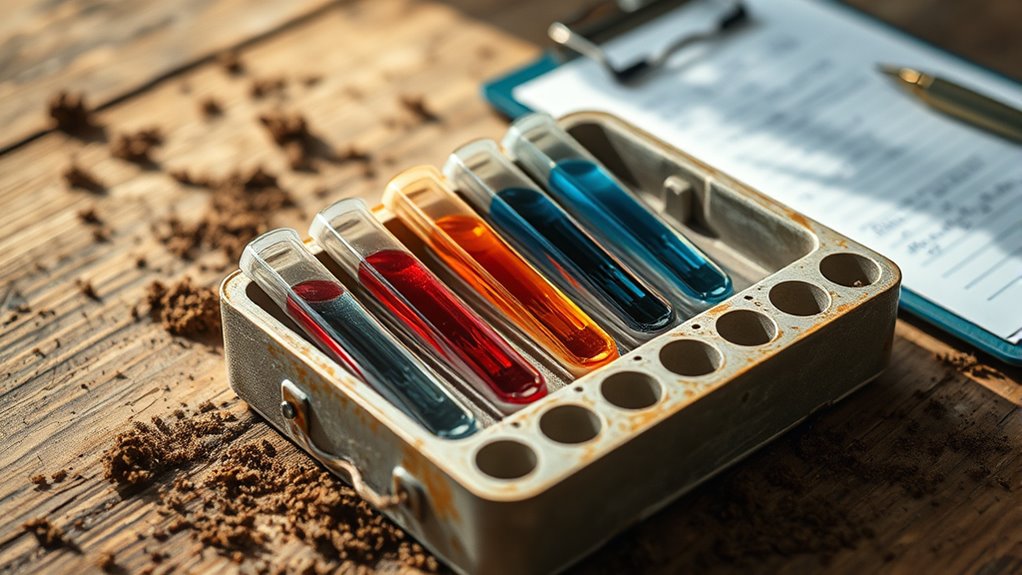
Understanding your soil test results is essential for making informed decisions about your garden or lawn. When reviewing the results, focus on the pH level—it indicates whether your soil is too acidic or alkaline. If pH adjustment is needed, you’ll know which amendments to apply, such as lime or sulfur, to bring it into the ideal range for your plants. Also, check the organic matter percentage; higher levels improve soil structure, water retention, and nutrient availability. Low organic matter suggests you should add compost or organic amendments to boost soil health. Interpreting these results helps you target specific issues and avoid unnecessary treatments. Remember, healthy soil begins with understanding its current condition, so take time to analyze the data carefully before making any adjustments.
Correcting Nutrient Imbalances Based on Results
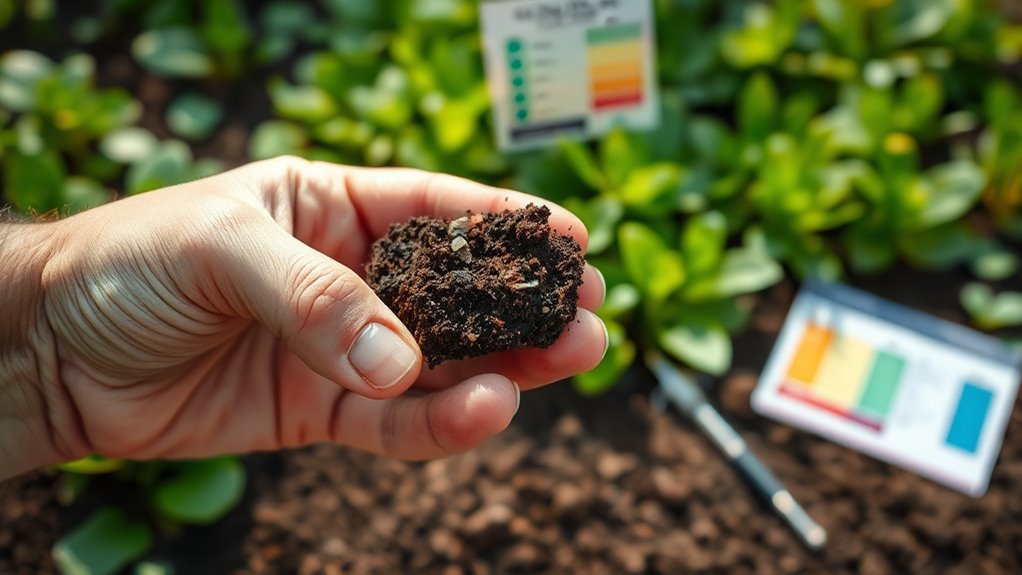
When your soil test reveals nutrient imbalances, addressing them promptly is key to healthy plant growth. Don’t ignore the signs—act quickly. Here are three ways to correct these issues:
- pH adjustments: If your soil is too acidic or alkaline, adjusting the pH with lime or sulfur enhances nutrient availability.
- Organic amendments: Use compost, manure, or other organic matter to boost nutrient levels naturally and improve soil structure.
- Targeted fertilization: Apply specific fertilizers based on your test results, ensuring your plants get what they need without excess.
Long-Term Benefits of Regular Soil Testing
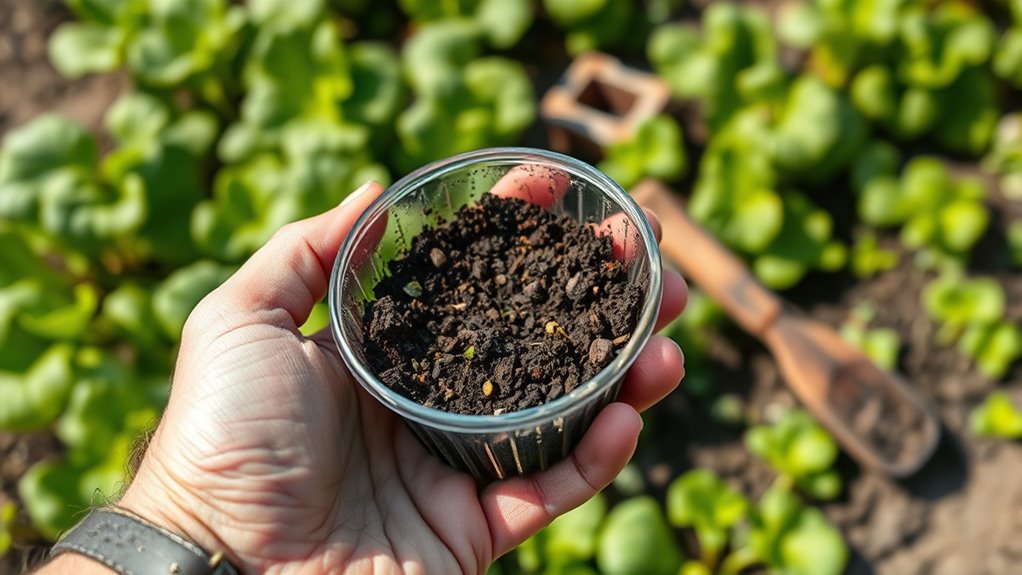
Regular soil testing offers long-term benefits by helping you maintain ideal nutrient levels and soil health over time. Consistently monitoring your soil ensures that essential nutrients stay balanced, preventing deficiencies or excesses that can harm plant growth. When soil health remains excellent, your crop yield improves because plants thrive in the right conditions. Regular testing also helps you identify trends and potential issues early, allowing you to adjust fertilization and amendments accordingly. This proactive approach reduces the likelihood of soil degradation and increases the sustainability of your farming or gardening practices. Over time, you’ll notice healthier plants, better harvests, and more efficient use of resources. Investing in routine soil tests ultimately leads to more stable, productive soil ecosystems that support your long-term agricultural or gardening success.
Choosing the Right Soil Test Kit or Service
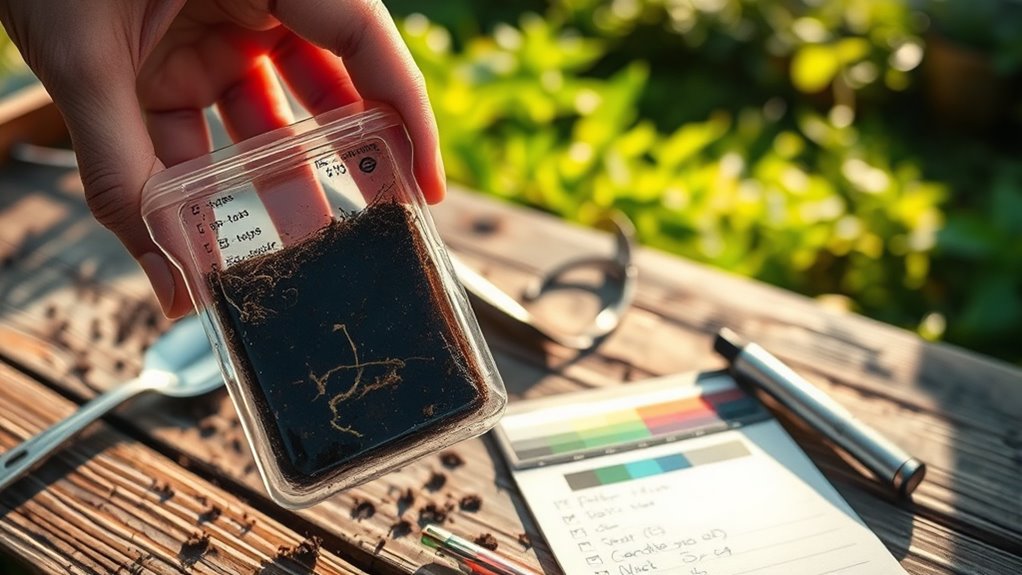
Choosing the right soil test kit or service is crucial to get accurate, useful results for your gardening or farming needs. A proper test reveals soil health insights and guides you on adding organic amendments effectively. To select the best option, consider these factors:
- Comprehensive Testing: Ensure the kit or service measures pH, nutrients, organic matter, and micronutrients essential for soil health.
- Lab Accreditation: Choose certified labs with reliable, timely results that help you make informed decisions.
- Tailored Recommendations: Opt for services that provide specific advice on organic amendments suited for your soil and crop type.
Getting the right test empowers you to improve soil health, optimize organic amendments, and grow healthier plants. Don’t settle for guesswork—invest in a trusted soil test.
Frequently Asked Questions
How Often Should I Test My Soil for Optimal Plant Health?
You should test your soil at least once every 1 to 3 years to guarantee ideal plant health. Regular testing helps you get accurate fertilizer recommendations and identify the need for soil amendments. If you’re planting new crops or noticing poor growth, test more frequently. This proactive approach keeps your soil balanced, prevents over-fertilizing, and promotes healthy, thriving plants.
Can Soil Testing Improve Crop Yield in Small Gardens?
Think of your small garden as a treasure chest, where soil nutrient balance holds the key. Testing your soil reveals hidden secrets about organic matter and nutrient levels, allowing you to fine-tune fertilization. With accurate insights, you can boost crop yield by giving plants exactly what they need, reducing waste and encouraging healthy growth. Soil testing acts as your gardener’s map, guiding you to a richer, more bountiful harvest.
Are DIY Soil Test Kits as Accurate as Professional Testing Services?
DIY soil test kits can provide a general idea of your soil’s condition, but they often lack the testing accuracy of professional soil nutrient analysis. You might get useful insights quickly and cheaply, but for precise results, especially if you’re managing a large garden or specific crops, it’s better to depend on professional services. Accurate testing ensures you apply the right amendments, optimizing plant growth and yield.
What Are the Environmental Benefits of Regular Soil Testing?
Regular soil testing helps prevent soil contamination and promotes healthy nutrient cycling, which benefits the environment. Studies show that over 50% of soil issues stem from improper nutrient management, leading to pollution. By monitoring soil health, you reduce the risk of contaminating nearby water sources and improve plant growth. This proactive approach supports sustainable farming, conserves resources, and protects ecosystems, making your gardening or farming efforts more eco-friendly.
How Can I Interpret Soil Ph Results Effectively?
To interpret your soil pH results effectively, first compare your values to the ideal range for your plants. If it’s too low, you’ll need pH adjustment with lime; if too high, sulfur can lower it. Focus on maintaining nutrient balance by adjusting soil pH, which helps nutrients become more available. Regular testing ensures precise pH adjustments, promoting healthy growth and maximizing nutrient uptake.
Conclusion
So, next time you skip that soil test, remember—it’s the one test most gardeners overlook yet end up paying for in poorer plants or wasted fertilizers. Ironically, a simple sample could save you money and guesswork long-term. Don’t wait until your garden’s crying out for help—get your soil checked now. After all, the soil’s secrets are just waiting to save you from costly mistakes you’d rather avoid!