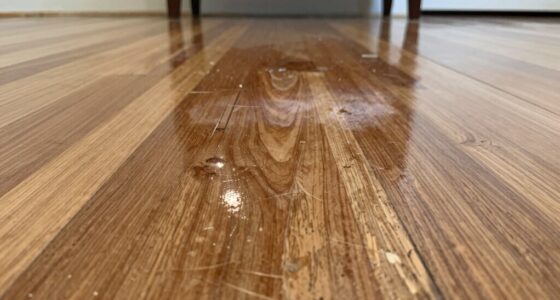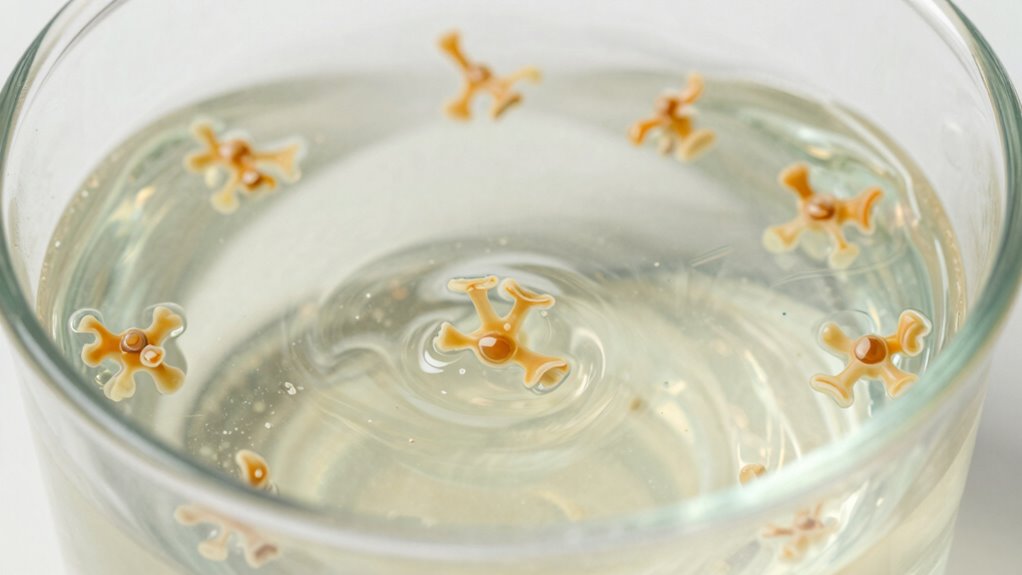

Enzymes in laundry work by targeting specific stain components like proteins, fats, or carbs, breaking them into smaller, water-soluble molecules that rinse away easily. Proteases remove protein stains, amylases target carbs, and lipases handle fats. They speed up cleaning by lowering the energy needed for chemical reactions, making stains easier to wash out while being gentle on fabrics. To discover how each enzyme optimizes your laundry results, keep exploring further.
Listen free for 30 days with Audible
Thousands of audiobooks and originals — cancel anytime.
As an affiliate, we earn on qualifying purchases.
Key Takeaways
- Enzymes target specific stain components like proteins, fats, or carbs, breaking them down into water-soluble molecules.
- They accelerate cleaning by lowering the energy needed for chemical reactions, making stain removal faster.
- Proteases remove protein-based stains; amylases handle carbohydrate stains; lipases break down fats and oils.
- Enzymes work effectively across various water temperatures and pH levels, ensuring versatile stain removal.
- They help preserve fabric color and texture while providing deep, efficient cleaning of stubborn stains.
enzyme laundry detergent for protein stains
As an affiliate, we earn on qualifying purchases.
As an affiliate, we earn on qualifying purchases.
How Do Enzymes in Laundry Actually Work?

Ever wondered how enzymes in laundry detergents actually break down stubborn stains? It all begins with enzyme activation. When you add detergent to your wash, the enzymes become active in the warm water, ready to target specific stain components. Once activated, these biological molecules latch onto the stain molecules, breaking them apart through a process called stain breakdown. Enzymes work by lowering the energy needed for the chemical reactions to happen, making the process faster and more efficient. Different enzymes target different stains, like proteins, fats, or carbohydrates. As a result, stains are broken down into smaller, more water-soluble molecules that can be easily rinsed away. This targeted action helps your laundry come out cleaner and fresher every time.
stain remover with amylase enzymes
As an affiliate, we earn on qualifying purchases.
As an affiliate, we earn on qualifying purchases.
Which Types of Enzymes Are Used in Detergents?
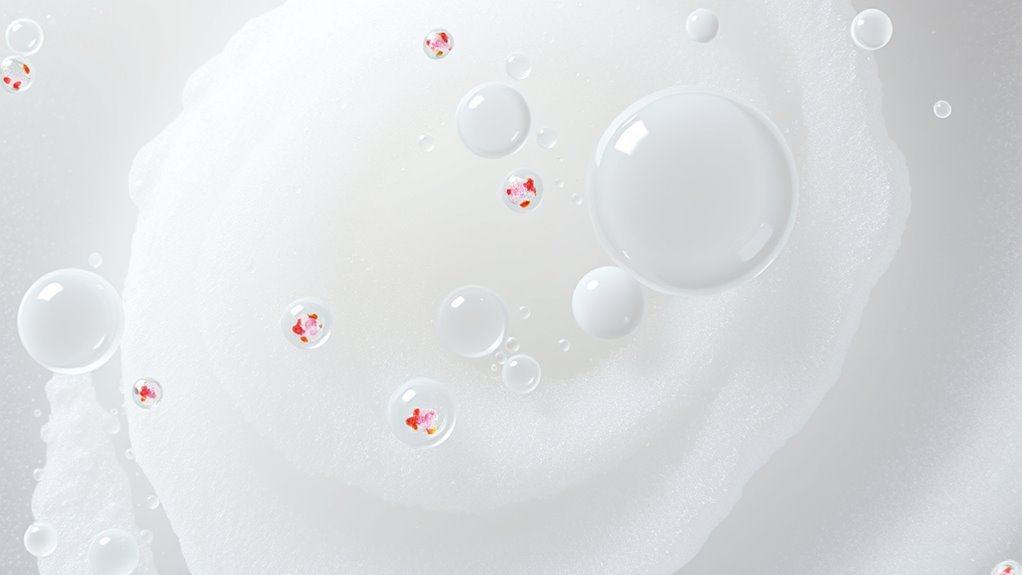
Different types of enzymes are added to laundry detergents to target specific stain types effectively. Common enzyme variants include proteases, amylases, lipases, and cellulases, each designed to break down particular substances like proteins, starches, fats, and cellulose fibers. Proteases excel at removing protein-based stains such as blood and grass, while amylases target carbohydrate stains like sauces and baby food. Lipases focus on breaking down fats and oils, and cellulases help with fabric care and removing microfibrils. To guarantee these enzymes work efficiently in various washing conditions, manufacturers invest in improving enzyme stability, making sure they remain active across different water temperatures and pH levels. This tailored approach maximizes stain removal while maintaining fabric integrity. Additionally, advances in enzyme technology contribute to energy-efficient cleaning processes, reducing the need for high-temperature washes and promoting sustainable laundry practices.
lipase enzyme stain remover for fats
As an affiliate, we earn on qualifying purchases.
As an affiliate, we earn on qualifying purchases.
How Do Enzymes Remove Different Stains?
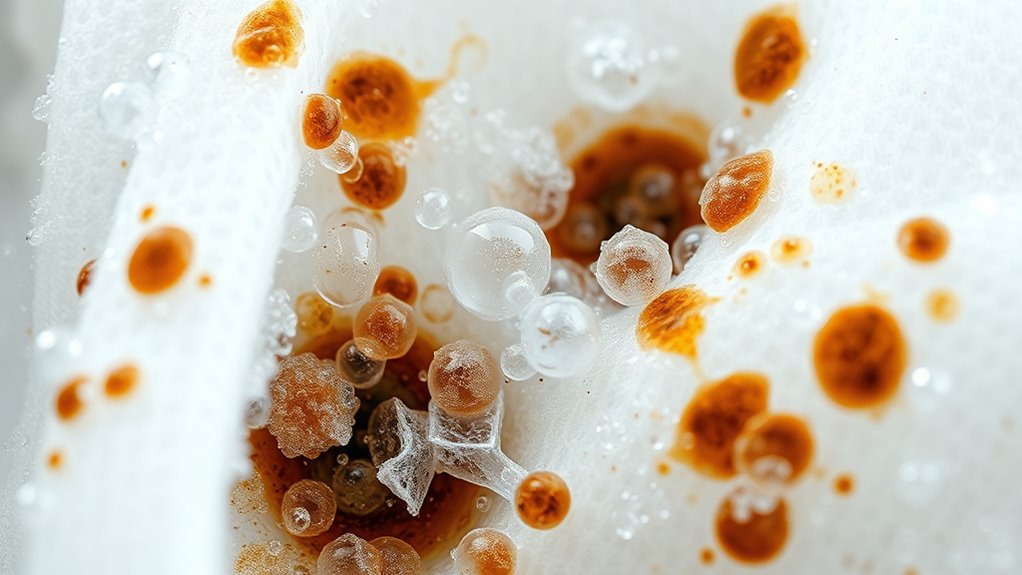
How exactly do enzymes remove different stains from clothing? Enzymes target specific stains through their enzyme specificity, breaking down complex molecules into smaller, soluble parts. This stain breakdown process allows dirt, proteins, fats, and carbohydrates to be washed away easily. Different enzymes specialize in tackling particular types of stains, ensuring effective cleaning across a variety of messes. When you use enzyme-based detergents, you’re leveraging this precision to remove stubborn stains effectively. Additionally, understanding the role of color accuracy in detergents can help preserve the vibrancy of your clothes after washing.
biological laundry detergent for deep cleaning
As an affiliate, we earn on qualifying purchases.
As an affiliate, we earn on qualifying purchases.
What Are the Main Benefits of Using Enzyme-Based Detergents?

Using enzyme-based detergents helps you remove stains more effectively, even tough ones like protein or starch. They work gently on your fabrics, reducing the risk of damage or fading. This makes them a smart choice for keeping your clothes clean and looking new.
Effective Stain Removal
Enzyme-based detergents excel at removing stubborn stains because they break down complex molecules into smaller, soluble pieces. This powerful action targets a variety of stain types, from proteins and fats to carbohydrates, making them highly effective. Their enzyme stability guarantees they remain active in different water conditions, maximizing cleaning power. When you use enzyme-based detergents, you’ll notice how quickly tough stains fade away, leaving your clothes fresh and spotless. These detergents work deep within fibers, attacking stains at their core. A key advantage is their ability to target specific stain components, which enhances overall cleaning efficiency. The main benefits include:
- Rapid removal of tough stains
- Versatility across various stain types
- Enhanced cleaning efficiency
- Gentle yet powerful action
- Confidence in stain elimination every time
Gentle on Fabrics
Because enzymes break down stains at a cellular level, they can clean effectively without harsh scrubbing or abrasive chemicals. This gentle action helps preserve fabric integrity and reduces wear over time. Enzyme-based detergents are designed for enzyme stability, ensuring they remain effective in different water temperatures and conditions. This stability minimizes damage to delicate fibers, extending the life of your clothes. The table below highlights key benefits:
| Benefit | Explanation | Result |
|---|---|---|
| Fabric preservation | Enzymes clean without harshness | Clothes last longer |
| Gentle on fibers | Reduce abrasion and tearing | Maintains fabric quality |
| Effective at low temps | Enzymes work well in cooler water | Saves energy and preserves delicate fabrics |
| Enhanced cleaning | Enzymes can target a wider variety of stains | Better overall cleanliness |
Are Enzymes Safe for Fabrics and Your Skin?
Are enzymes in laundry detergents safe for your fabrics and skin? For most people, they’re gentle and effective, but there are concerns worth noting. Enzymes can sometimes cause allergic reactions, especially if you have enzyme allergies. They’re unlikely to harm your fabrics directly, but in rare cases, they might affect delicate textiles or interfere with fabric dyeing over time. If you have sensitive skin, you could experience irritation from enzyme residues. Always check labels if you have known allergies or sensitive skin. Additionally, air purifier maintenance practices, such as regularly checking and replacing filters, can help reduce airborne allergens that might worsen skin sensitivities.
How Can You Get the Best Results From Enzymes in Laundry?
To get the best results from enzymes in laundry, it’s important to use the right amount of detergent and select the appropriate cycle for your load. Proper enzyme activation depends on water temperature; warm water helps activate enzymes effectively. For stubborn stains, choose detergents with stain-specific enzymes designed to target grease, proteins, or carbohydrates. Pre-treat heavily soiled areas with enzyme-rich stain removers to boost effectiveness. Avoid overloading the washer, which can prevent enzymes from working properly. Additionally, follow the manufacturer’s instructions for the best enzyme activity and avoid using excessive detergent, which can hinder enzyme performance. Using the correct water temperature, especially warm water, is crucial because enzyme activation is highly dependent on it. With the right load size, temperature, and enzyme-specific formulations, you’ll achieve cleaner, brighter clothes with minimal effort.
Frequently Asked Questions
Can Enzyme Activity Vary With Water Temperature?
Yes, enzyme activity varies with water temperature due to temperature effects on enzyme stability. As water gets warmer, enzymes often work faster, but only up to a point where high temperatures can denature them, reducing effectiveness. Cooler water may slow activity, but it helps maintain enzyme stability. Finding the right temperature guarantees ideal enzyme performance, allowing you to effectively remove stains without damaging the enzymes or fabric.
How Long Do Enzyme-Based Detergents Typically Take to Work?
A stitch in time saves nine, and in laundry, patience pays off. Enzyme-based detergents typically take 30 minutes to an hour to fully activate enzymes and break down stains. The efficiency depends on proper enzyme activation, which is influenced by water temperature and detergent formulation. For best results, use warm water and let the wash cycle run its course, giving enzymes enough time to work effectively on your clothes.
Are Enzyme Enzymes Effective on Synthetic or Natural Fabrics?
You’ll find enzymes are effective on both natural and synthetic fabrics, but their efficiency depends on fabric compatibility and enzyme types. Proteases work well on protein stains in natural fabrics like cotton and wool, while lipases target grease in synthetic fibers such as polyester. Always check your detergent’s label to confirm the enzymes are suitable for your fabric, preventing damage and ensuring ideal stain removal.
Do Enzymes Lose Effectiveness Over Multiple Washes?
Enzymes don’t stay as effective as new with each wash because enzyme stability decreases over time. You might notice less stain removal after multiple cycles, especially if your detergent’s enzyme formulation isn’t designed for longevity. While some formulations include stabilizers to prolong activity, repeated washing can still weaken enzymes, making them less efficient. To maintain their cleaning power, opt for detergents with fresh enzyme formulations and gentle wash cycles.
Can Enzymes Cause Allergies or Skin Irritation?
Yes, enzymes can cause allergies or skin irritation if you’re enzyme-sensitive. Some people experience allergy triggers like redness, itching, or rashes after exposure to enzyme-containing detergents. To reduce risk, choose hypoallergenic products or those free of enzymes. Always follow washing instructions and consider testing a small skin patch first. If irritation persists, consult a healthcare professional to address potential enzyme sensitivity.
Conclusion
Think of enzymes in laundry like tiny detectives tirelessly hunting down stains. When I first started using enzyme-based detergents, I noticed my shirts looked brand new after just one wash—like a magic trick. Studies show they can break down stains up to 60% more effectively than traditional detergents. With the right approach, enzymes become your secret weapon, turning laundry day into a breeze. Embrace them, and you’ll see your clothes sparkle like they’ve just been rescued from a stain-free fairy tale.
NFL season / tailgating Picks
team gear
As an affiliate, we earn on qualifying purchases.