TL;DR
On Tuesday, Metro Manila was enveloped in haze, with authorities suggesting a link to smoke from ongoing fires possibly originating outside the region. The situation raises health and environmental concerns, but specifics are still emerging.
Metro Manila was covered in haze on Tuesday, prompting health advisories and environmental concerns. The Department of Environment and Natural Resources (DENR) indicated the haze may be linked to smoke from ongoing fires, potentially from outside the region. This development underscores ongoing air quality issues affecting the capital and surrounding areas.
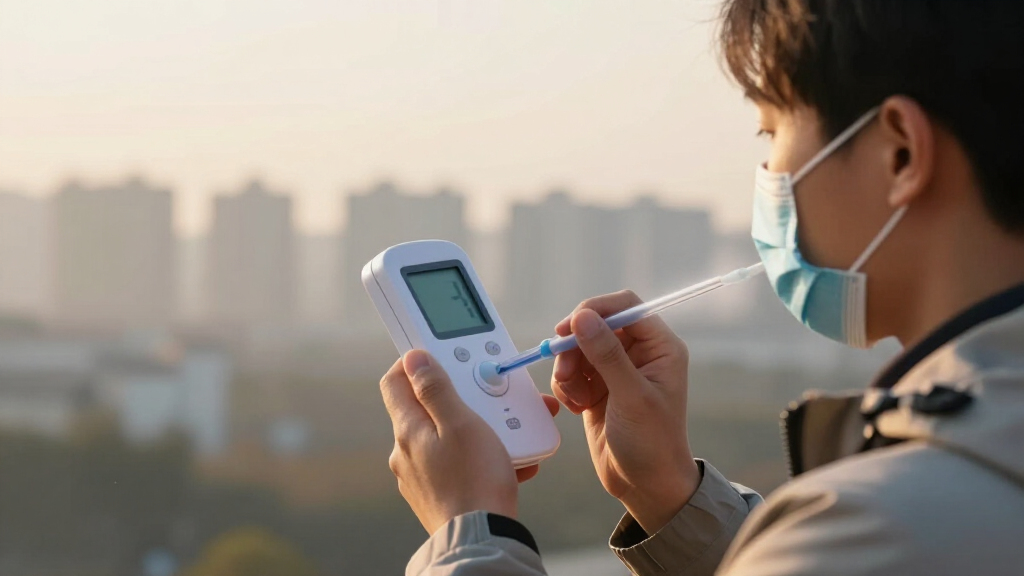
The haze was visibly thick across Metro Manila, leading to reduced visibility and prompting authorities to issue health warnings, especially for vulnerable groups such as children and the elderly. The DENR stated that preliminary assessments suggest the haze could be related to smoke from fires burning in nearby regions or neighboring countries, but specific sources have not yet been confirmed.
Local authorities and environmental agencies are monitoring air quality levels closely. The Philippine Atmospheric, Geophysical and Astronomical Services Administration (PAGASA) reported elevated particulate matter (PM2.5) concentrations, exceeding safe limits during the day, which could pose health risks. The Department of Health also issued advisories urging residents to stay indoors and wear masks if necessary.
Officials emphasized that investigations are ongoing to determine the precise origin of the smoke, with possible links to forest fires, agricultural burning, or transboundary pollution from neighboring countries. The DENR has not yet confirmed whether the fires are actively burning or if the smoke is drifting into the area from distant sources.
Impact on Public Health and Environmental Quality
The haze’s appearance in Metro Manila is significant because it affects air quality and public health, especially for vulnerable populations. Elevated PM2.5 levels are associated with respiratory issues, cardiovascular problems, and other health risks. The situation also highlights ongoing environmental challenges related to forest and agricultural fires, which can have cross-border implications and complicate regional air quality management.
Furthermore, the haze raises concerns about the effectiveness of current monitoring and response systems, and the need for coordinated efforts to address transboundary pollution sources. The incident underscores the importance of regional cooperation in managing air quality and preventing health crises caused by haze pollution.
As an affiliate, we earn on qualifying purchases.
Background on Transboundary Haze and Regional Fire Incidents
Haze pollution has periodically affected Metro Manila and other parts of Southeast Asia, often linked to forest fires and agricultural burning in neighboring countries such as Indonesia, Malaysia, and Vietnam. These fires are frequently driven by dry seasons, land clearing practices, and climate change, leading to episodes of poor air quality that can last for days or weeks.
In the Philippines, local forest fires and slash-and-burn agriculture also contribute to air pollution, particularly during dry months. Past incidents have prompted regional cooperation efforts, including the ASEAN Agreement on Transboundary Haze Pollution, aimed at addressing the cross-border movement of smoke and pollutants. However, enforcement and monitoring remain challenging, especially during peak fire seasons.
The current haze event appears to be part of this ongoing pattern, although authorities have yet to confirm the precise source. The situation is compounded by the ongoing fire incidents in neighboring countries, which are often difficult to attribute directly without comprehensive surveillance data.
As an affiliate, we earn on qualifying purchases.
Unconfirmed Sources and Ongoing Investigations
It is not yet confirmed whether the haze originated from local fires, fires in neighboring countries, or a combination of both. The exact geographic source, the extent of fire activity, and the specific pathways of smoke movement remain under investigation. Additionally, the duration of the haze and its potential recurrence are still uncertain, as weather conditions and fire activity evolve.
As an affiliate, we earn on qualifying purchases.
Monitoring and Response Efforts in Progress
Authorities will continue monitoring air quality levels and investigating the source of the haze. The DENR and regional agencies are expected to release more detailed reports in the coming days. Regional cooperation efforts, including cross-border pollution control, are likely to intensify if transboundary sources are confirmed. Public health advisories will remain in effect, and residents are advised to stay informed about air quality updates.
As an affiliate, we earn on qualifying purchases.
Key Questions
What caused the haze in Metro Manila?
It is currently unclear. Authorities suggest it may be linked to smoke from ongoing fires, possibly outside the region, but investigations are ongoing to confirm the exact source.
Is the haze dangerous to health?
Yes, elevated levels of PM2.5 during the haze can pose health risks, especially for children, the elderly, and those with pre-existing respiratory conditions. Residents are advised to take precautions.
Will the haze continue?
It is uncertain. The duration depends on weather conditions and fire activity. Authorities are monitoring the situation and will provide updates as they become available.
Are fires happening locally or abroad?
Both are possible. The DENR indicated the haze may be linked to fires outside the Philippines, but local fires could also contribute. Confirmations are pending further investigation.
What is being done to address the haze?
Authorities are monitoring air quality, investigating the source, and issuing health advisories. Regional cooperation efforts are also being pursued to manage transboundary pollution.
Source: local