TL;DR
Meteorological agencies anticipate an El Niño event in 2026, which could significantly affect global weather patterns. While some forecasts are confirmed, many details remain uncertain. The development is important for climate planning worldwide.
Meteorological agencies worldwide are warning of a likely El Nino event in 2026, which could influence global weather patterns significantly. While official forecasts are still being refined, early indications suggest that the phenomenon may develop within the next year, prompting preparations across sectors affected by El Nino climate variability.
Multiple leading climate organizations, including the National Oceanic and Atmospheric Administration (NOAA) and the World Meteorological Organization (WMO), have indicated that conditions favor the development of an El Niño event in 2026. These predictions are based on observed oceanic and atmospheric patterns, including sea surface temperatures and wind anomalies in the Pacific Ocean.
Although precise timing and intensity are still uncertain, experts agree that an El Niño could bring increased risks of droughts, heavy rainfall, and extreme weather events in various regions. The forecast models are currently being updated as more data becomes available, but the overall trend suggests a significant climate anomaly may occur.
Impacts of El Niño 2026 on Global Climate and Economy
The potential El Niño in 2026 could have wide-ranging impacts, including disruptions to agriculture, increased flooding, and heatwaves in vulnerable regions. It may also influence global economic stability by affecting crop yields, water availability, and disaster response costs. Governments and industries are advised to prepare for possible extreme weather events.
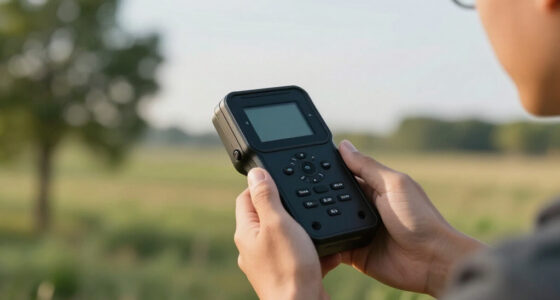
best portable weather radios for emergencies
As an affiliate, we earn on qualifying purchases.
As an affiliate, we earn on qualifying purchases.
Historical Patterns and Recent Climate Trends
El Niño is a natural climate phenomenon characterized by the warming of surface waters in the central and eastern Pacific Ocean. Historically, El Niño events occur roughly every 2 to 7 years and can last from nine to twelve months. The last significant El Niño occurred in 2018-2019, which was linked to severe droughts in some regions and heavy rains in others. Climate scientists note that rising global temperatures may influence the frequency and intensity of such events, making forecasts more complex.
“While we are still refining our predictions, the signs point toward a probable El Niño in 2026, which could have notable impacts worldwide.”
— Dr. Maria Lopez, NOAA Climate Scientist

Distilled Water Storage Container High Capacity Collection Bottle Countertop Filter Pitcher Replacement Home And Commercial Distilled Container
- Capacity: 4L distilled water storage
- Material: Clear, durable construction
- Design: Transparent water level indicator
As an affiliate, we earn on qualifying purchases.
As an affiliate, we earn on qualifying purchases.
Forecast Confidence and Key Unknowns for 2026 El Niño
While current models suggest a high likelihood of an El Niño event in 2026, the exact timing, strength, and regional impacts remain uncertain. Climate variability and the influence of ongoing global warming complicate predictions, and officials caution that forecasts could change as new data emerges.
As an affiliate, we earn on qualifying purchases.
Monitoring and Preparations Ahead for 2026 Climate Events
Meteorological agencies will continue to monitor oceanic and atmospheric indicators closely throughout 2024 and 2025. Updated forecasts are expected to be issued periodically, informing governments and industries to implement contingency plans for potential climate disruptions. Researchers will also analyze how climate change may alter El Niño characteristics in future events.
As an affiliate, we earn on qualifying purchases.
Key Questions
When is the El Niño expected to develop in 2026?
Current forecasts suggest that El Niño could develop sometime in late 2025 or early 2026, but precise timing remains uncertain as models are still being refined.
How severe could the impacts of El Niño 2026 be?
The severity depends on the intensity of the event, which is still unknown. Historically, El Niño can cause droughts, floods, and heatwaves, and similar impacts are possible in 2026.
What regions are most at risk from El Niño 2026?
Regions most vulnerable include parts of South America, Southeast Asia, Australia, and the western United States, which often experience extreme weather during El Niño events.
Will climate change influence the 2026 El Niño?
Scientists believe that global warming may affect the frequency and intensity of El Niño events, but specific impacts on the 2026 event are still being studied.
How can governments prepare for El Niño 2026?
Preparation involves strengthening disaster response plans, managing water resources, and informing the public about potential weather extremes based on current forecasts.
Source: google-trends