
TL;DR
Beta Pictoris, a prominent star system, has seen a sharp rise in global media mentions, with 37 reports within a specific monitoring window. This surge indicates increased scientific or public interest, though the reasons are still unclear.
Beta Pictoris has experienced a notable surge in global media coverage, with 37 mentions recorded in recent monitoring data, marking a significant increase from baseline levels. This spike in attention is drawing interest from both scientific communities and the general public, though the specific cause remains unclear.
The media monitoring service GDELT reported that Beta Pictoris was mentioned 37 times within a recent window, compared to its usual baseline of fewer mentions. This increase suggests heightened interest, possibly due to recent astronomical observations, discoveries, or related scientific announcements.
Sources have not yet officially linked this media surge to a particular event or discovery. No new scientific papers or confirmed discoveries about Beta Pictoris have been publicly announced at this time, and the reasons for the increased coverage are still under investigation.
Impact of Media Surge on Scientific and Public Interest
The increased media coverage of Beta Pictoris could influence both scientific research and public awareness. Greater attention may lead to increased funding, research initiatives, or public engagement with astronomy. However, without confirmed discoveries or official statements, the true significance remains uncertain.

DWARFLAB Dwarf Mini Smart Telescope – 1.85lb Ultra-Portable Astronomy Telescope for Astrophotography with Built-in Filters, Auto GOTO, AZ/EQ Mode and Cloud Processing, Ideal for All Ages
- Compact and Lightweight: Weighs only 1.85 lbs for portability
- Easy App Control: Set up and start in 3 minutes
- Built-in Sky Atlas: Interactive star map for quick navigation
As an affiliate, we earn on qualifying purchases.
As an affiliate, we earn on qualifying purchases.
Recent Developments in Beta Pictoris and Media Attention Trends
Beta Pictoris is a well-studied star system located approximately 63 light-years from Earth, known for its debris disk and exoplanetary system. Historically, it has been a focus of astronomical research since its discovery in the 1980s. The recent media surge appears to be a departure from typical coverage patterns, which are usually limited to scientific journals and specialized outlets.
Media monitoring data from GDELT indicates that mentions of Beta Pictoris have increased sharply in recent days, with 37 reports across various outlets. The cause of this spike is not yet confirmed, but it coincides with heightened public and scientific interest in exoplanet research and recent astronomical events.
“The sudden increase in media mentions of Beta Pictoris is intriguing, but we have yet to see any official discoveries or announcements that could explain this attention.”
— Dr. Lisa Chen, astrophysicist

Celestron – Cometron 7×50 Astronomy Binoculars – Entry-Level for Stargazing and Comet Watching – Large 50mm Objective Lenses – Wide 6.6° Field of View – Multi-Coated Optics
- Ease of Use for Beginners: Simple and affordable for new astronomers
- 7x Magnification: Wide field of view for expansive sky viewing
- Large 50mm Objectives: Gather more light for brighter images
As an affiliate, we earn on qualifying purchases.
As an affiliate, we earn on qualifying purchases.
Unconfirmed Causes Behind the Media Coverage Spike
It is not yet clear what specific event or discovery has prompted the surge in mentions of Beta Pictoris. No official scientific announcements, press releases, or new research papers have been linked to this increase. The reasons for the heightened coverage remain speculative at this stage, and further investigation is needed to determine whether it is driven by new astronomical data, media speculation, or unrelated factors.

National Geographic Glow in the Dark Solar System Model for Kids Ages 8-12
- Build a glowing 3D solar system: Create a glowing, customizable solar system model
- Complete all-in-one kit: Includes paints, decals, brush, and facts poster
- Adjustable planet arms: Easily move and rearrange planets
As an affiliate, we earn on qualifying purchases.
As an affiliate, we earn on qualifying purchases.
Monitoring for Official Announcements and Scientific Publications
Researchers and media outlets will likely watch for any upcoming scientific publications, official statements, or astronomical events related to Beta Pictoris. Further media analysis and scientific updates are expected in the coming weeks to clarify the cause of this coverage surge. Stakeholders will also assess whether this attention translates into new discoveries or public engagement initiatives.
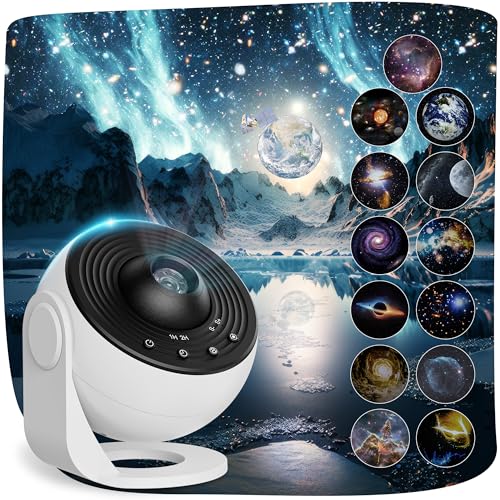
Galaxy Projector Night Light for Bedroom, 13-in-1 Planetarium Projector
- Enhanced Brightness and Clarity: Twice the luminosity with HD stars
- 13 Space Themes: Includes 13 projection scenarios with space info
- Wide Coverage Area: Projects up to 16.4ft with 135-754 sq ft coverage
As an affiliate, we earn on qualifying purchases.
As an affiliate, we earn on qualifying purchases.
Key Questions
What is Beta Pictoris?
Beta Pictoris is a star system located about 63 light-years from Earth, known for its debris disk and exoplanetary system, and has been a subject of astronomical research since the 1980s.
Why is media coverage of Beta Pictoris increasing?
It is currently unclear. The spike in mentions may be linked to recent scientific observations, discoveries, or media interest, but no official explanation has been provided.
Are there any new discoveries about Beta Pictoris?
No confirmed discoveries or scientific announcements have been made at this time. The coverage increase appears to be driven by external factors rather than new scientific data.
How might this media surge impact scientific research?
Increased attention could lead to more funding, research initiatives, or public engagement, but the actual impact depends on future scientific developments.
When will more information be available?
Further updates are expected as scientists and media outlets analyze potential upcoming publications or events related to Beta Pictoris in the coming weeks.
Source: gdelt