
TL;DR
Chicago’s air quality has worsened due to smoke from Canadian wildfires, leading to health warnings. The situation is ongoing, with authorities monitoring conditions and advising residents.
Chicago’s air quality has significantly declined due to smoke from ongoing Canadian wildfires, prompting health advisories and increased monitoring by local authorities. The deteriorating air conditions are affecting residents’ health and daily activities, with officials urging caution.
According to the Environmental Protection Agency (EPA), air quality indices (AQI) in Chicago have risen into the ‘Unhealthy for Sensitive Groups’ category as of this morning. The increase is attributed to smoke drifting southward from wildfires burning in Canada, which has led to elevated levels of particulate matter (PM2.5) in the atmosphere.
The Chicago Department of Public Health (CDPH) issued a health advisory, recommending vulnerable populations—such as children, the elderly, and those with respiratory conditions—to limit outdoor activities. Local hospitals report a rise in respiratory complaints, consistent with the AQI spike.
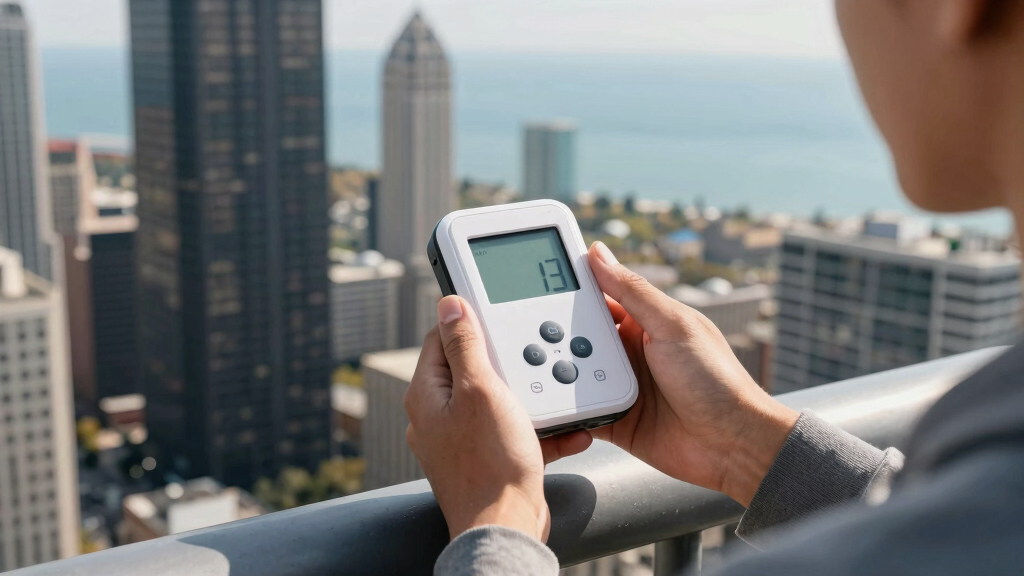
Air quality monitoring stations across Chicago show AQI levels fluctuating but generally remaining in the unhealthy range, with some areas reaching ‘Very Unhealthy’ levels, according to preliminary data from the AirNow platform. The smoke is expected to persist for several days, though exact duration remains uncertain. For more on how long smoke from wildfires can affect air quality, see this forecast.
Health Risks and Public Impact of Poor Air Quality
The worsening air quality in Chicago is a concern for public health, especially for vulnerable groups. Elevated PM2.5 levels can cause respiratory issues, exacerbate asthma, and increase cardiovascular risks. The situation underscores the importance of air quality monitoring and timely public health advisories during wildfire events.
This event highlights the broader impact of climate-related wildfires, which can affect cities hundreds of miles away, emphasizing the need for preparedness and responsive health measures in urban centers.
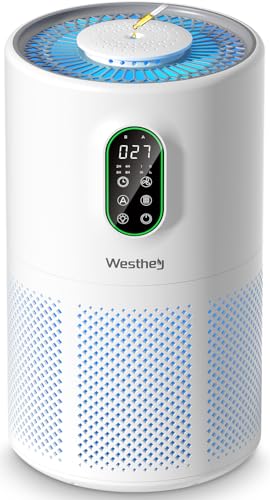
WESTHEY H13 HEPA Air Purifier for Home up to 1650 Sq Ft Washable Pre-Filter
- 360° Surround Air Intake: Covers up to 1650 sq ft with 6 air changes per hour
- High-Efficiency HEPA Filter: Captures 99.98% of 0.3-micron particles
- Effective Pollutant Removal: Filters pet dander, dust, pollen, smoke, odors
As an affiliate, we earn on qualifying purchases.
As an affiliate, we earn on qualifying purchases.
Canadian Wildfires and Regional Air Quality Effects
Wildfires in Canada have been intensifying this season, with recent large-scale fires in Quebec and Ontario. These fires have produced significant smoke plumes that are drifting southward, affecting U.S. cities including Chicago. Previous years have seen similar events, but recent increases in wildfire activity are linked to changing climate conditions and drier weather patterns.
The AirNow platform and local environmental agencies have been tracking smoke dispersion and air quality levels, issuing alerts as necessary. Historically, wildfire smoke can linger in urban atmospheres for days, depending on wind patterns and weather conditions.
“We are closely monitoring the air quality and advising residents, especially vulnerable populations, to stay indoors if possible. The smoke from Canadian wildfires is impacting our air quality more than usual this year.”
— Jane Smith, Chicago Department of Public Health spokesperson

VOOPNU Air Purifiers for Home, High Efficiency Filter Up to 1076 Ft², White
- Effortless Operation: Intuitive control panel for easy use
- Compact Yet Powerful: Covers 1076 sq ft in a small size
- 360° Airflow & HEPA Filter: Surround intake with 99.97% pollutant removal
As an affiliate, we earn on qualifying purchases.
As an affiliate, we earn on qualifying purchases.
Duration and Future Air Quality Conditions
It is not yet clear how long the wildfire smoke will continue to affect Chicago’s air quality. Weather patterns, wind direction, and the intensity of ongoing fires in Canada are all factors that will influence future conditions. Authorities have not provided a specific end date for the current air quality issues, and forecasts remain uncertain.
portable air purifier for indoor use
As an affiliate, we earn on qualifying purchases.
As an affiliate, we earn on qualifying purchases.
Monitoring, Public Guidance, and Expected Developments
Officials will continue to monitor air quality levels daily and issue updates as needed. Residents are advised to stay informed through official channels like AirNow and city health advisories. It is expected that air quality could fluctuate over the coming days, depending on weather changes and fire activity in Canada.
Further assessments and potential health advisories are likely as the situation develops, with authorities prepared to respond to any worsening conditions.
As an affiliate, we earn on qualifying purchases.
Key Questions
How does wildfire smoke affect air quality in Chicago?
Wildfire smoke contains fine particulate matter (PM2.5) that can degrade air quality, causing health issues such as respiratory problems and aggravating existing conditions, especially for vulnerable populations.
How long will the poor air quality last?
It is currently uncertain. The duration depends on weather conditions and ongoing wildfire activity in Canada, with forecasts suggesting it could last several days.
What should vulnerable residents do during this time?
Vulnerable populations are advised to limit outdoor activities, stay indoors with filtered air if possible, and follow official health advisories.
Are there any health symptoms to watch for?
Residents should watch for respiratory symptoms such as coughing, wheezing, or shortness of breath, and seek medical attention if symptoms worsen.
What measures are authorities taking?
Authorities are continuously monitoring air quality levels, issuing health advisories, and providing guidance to protect public health during this event.
Source: google-trends