TL;DR

Prime made for students and young adults
- Fast, free delivery for dorm and study essentials
- Prime Video and Amazon Music included
- Member-only deals
A recent geomagnetic storm triggered intense aurora borealis displays across northern Europe. Experts confirm the phenomenon is linked to solar activity, with potential impacts on communications. Details about the storm’s duration remain unclear, and authorities advise caution for viewers and satellite operators.
A major geomagnetic storm caused widespread aurora borealis displays across northern Europe on March 15, 2026, according to space weather agencies. The phenomenon was visible as far south as Germany and the United Kingdom, marking one of the most intense displays in recent years. This event is linked to increased solar activity and has attracted thousands of viewers, as well as concerns over potential impacts on satellite and communication systems.
Space weather agencies, including the European Space Agency (ESA) and the National Oceanic and Atmospheric Administration (NOAA), confirmed that a solar storm hit Earth’s magnetic field on March 15, causing significant geomagnetic disturbances. The storm was classified as a G4-class event, indicating a severe level of geomagnetic activity. The resulting aurora borealis was visible in regions typically limited to higher latitudes, such as parts of Germany, the UK, and even northern France.
Satellite operators and communication providers have issued warnings about potential disruptions, though no major outages have been reported so far. Experts attribute the storm to a recent sunspot activity, which produced a coronal mass ejection (CME) directed toward Earth, confirmed by solar observatories. The storm’s peak activity was recorded between 8 p.m. and midnight local time, with visibility reports flooding social media from thousands of viewers.
Impacts of the Geomagnetic Storm on Technology and Society
This event underscores the importance of space weather monitoring, as intense aurora displays are often associated with solar activity that can disrupt satellite communications, GPS signals, and power grids. While no major disruptions have been confirmed yet, authorities remain vigilant. The widespread visibility also offers an opportunity for scientific observation and public engagement with space weather phenomena, which can enhance understanding of Earth’s magnetic environment.
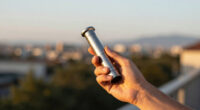
Aurora Borealis viewing binoculars
As an affiliate, we earn on qualifying purchases.
As an affiliate, we earn on qualifying purchases.
Recent Solar Activity and Historical Aurora Events
The current geomagnetic storm follows a period of heightened solar activity, including multiple sunspots and solar flares observed over the past week. Historically, similar storms have caused widespread auroras and, in some cases, power outages or satellite malfunctions. The last major storm of this intensity occurred in 2015, which caused minor communication disruptions. Experts note that such events are becoming more frequent as solar activity peaks in its 11-year cycle, expected to continue through 2026.
“The solar activity we are observing now is quite intense, and the auroras are a visible sign of this powerful storm impacting Earth’s magnetic field.”
— Dr. Lisa Müller, ESA Solar Physicist
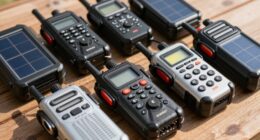
portable solar-powered phone charger
As an affiliate, we earn on qualifying purchases.
As an affiliate, we earn on qualifying purchases.
Unclear Duration and Long-term Effects of the Storm
It is not yet confirmed how long the geomagnetic storm will last or whether it will cause significant disruptions to satellite operations or power grids. Scientists are continuing to analyze data from solar observatories and geomagnetic sensors to assess potential long-term impacts. No widespread outages or communication failures have been reported as of now, but authorities remain cautious.
As an affiliate, we earn on qualifying purchases.
Monitoring and Preparedness for Ongoing Space Weather Activity
Space weather agencies will continue to monitor solar activity and geomagnetic conditions over the coming days. Researchers expect further aurora displays if solar activity persists, and authorities will assess risks to infrastructure. Public advisories may be issued if the storm intensifies or causes disruptions. Scientists also plan to analyze data to improve forecasting models for future events.
As an affiliate, we earn on qualifying purchases.
Key Questions
What causes aurora borealis to appear?
Auroras occur when charged particles from solar winds interact with Earth’s magnetic field and atmosphere, producing colorful light displays primarily near the poles.
Are auroras dangerous?
Generally, auroras themselves are harmless visual phenomena. However, intense solar storms can disrupt satellites, communications, and power systems, which pose risks to technology and infrastructure.
Will this storm affect my electronic devices?
There is currently no confirmed widespread impact on consumer electronics, but satellite-dependent services and power grids could be affected if the storm intensifies. Authorities advise remaining cautious.
When is the next expected aurora display?
If solar activity continues at current levels, further aurora displays could occur over the next few nights, especially in high-latitude regions. Monitoring agencies will provide updates as new data comes in.
Source: google-trends
Columbus Day / Indigenous Peoples' Day Picks
long weekend sales
As an affiliate, we earn on qualifying purchases.