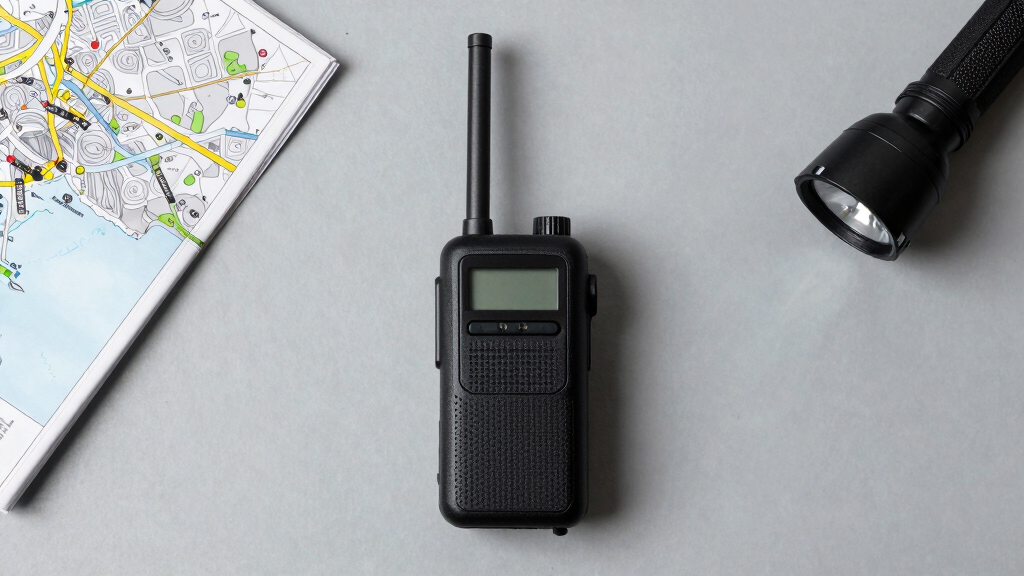

When selecting the best emergency weather radio, it’s vital to balance reliable alerts, durability, and usability. The Midland ER210 stands out for its straightforward NOAA alerts, making it ideal for most users. For those needing additional features like a flashlight and crank backup, the Midland ER310 offers a comprehensive solution. Budget-conscious buyers should consider models like the Raynic Emergency Radio for solid performance at a lower price. Keep reading to see how these options compare and find the best fit for your emergency prep kit.
Key Takeaways
- Top picks balance alert reliability, battery life, and ease of use.
- Multiple charging options, like hand crank and solar, are essential for prolonged emergencies.
- Durability and water resistance are key factors often overlooked in cheaper models.
- More features, such as flashlights and cell phone charging, come with tradeoffs in size and weight.
- The best overall models tend to combine NOAA alerts, multiple power options, and rugged build quality.
| Midland ER210 NOAA Emergency Weather Radio |  | Best Compact Emergency Weather Radio | Power Sources: Solar, hand crank, rechargeable battery | Battery Capacity: 2200 mAh | Battery Life: Up to 32 hours | VIEW LATEST PRICE | See Our Full Breakdown |
| Midland ER310 Emergency Crank Weather AM/FM Radio with SOS Flashlight and NOAA Alerts |  | Best Versatile Emergency Radio for Preparedness | Power Sources: Solar, hand crank, rechargeable 2600 mAh battery, 6 AA batteries | Battery Life: Up to 32 hours | Display: Not specified, likely LCD | VIEW LATEST PRICE | See Our Full Breakdown |
| Raynic Emergency Radio with NOAA Alert, 5000mAh/18500mWh Weather Radio |  | Best Power Capacity and Versatility | Battery Capacity: 5000mAh | Power Sources: Rechargeable, solar, hand crank, USB, AC, AAA batteries | Radio Bands Supported: AM, FM, SW, NOAA | VIEW LATEST PRICE | See Our Full Breakdown |
| Emergency Weather Radio with Large Solar Panel, Hand Crank, 12000mAh Battery, AM/FM/NOAA, LED Flashlight, Reading Lamp, SOS Alarm, Phone Charger |  | Best Overall for Power and Versatility | Battery Capacity: 12000mAh | Solar Panel: 8500mm² monocrystalline | Waterproof Rating: IPX6 | VIEW LATEST PRICE | See Our Full Breakdown |
| RunningSnail Emergency Hand Crank Radio with LED Flashlight, NOAA Weather Radio, 2000mAh Power Bank, USB & Solar Charging, Portable for Camping & Emergencies | 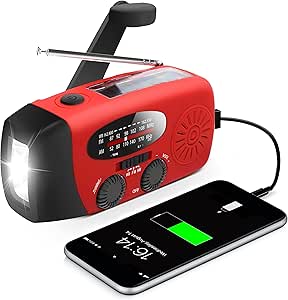 | Best for Portability and Basic Emergency Needs | Battery Capacity: 2000mAh | Supported Bands: AM, FM, Weather | Water Resistance: Water-Resistant | VIEW LATEST PRICE | See Our Full Breakdown |
More Details on Our Top Picks
Midland ER210 NOAA Emergency Weather Radio
This model stands out for its simplicity and multi-power-source design, making it a reliable choice for outdoor enthusiasts and those prioritizing portability. Compared to the larger Midland ER310, the ER210 offers a more streamlined form factor, though it sacrifices some additional features like the ultrasonic dog whistle and USB charging. Its solar, hand crank, and rechargeable battery options ensure continuous operation without relying solely on batteries, but the battery life may vary depending on usage and it lacks an explicit waterproof rating, which could be a concern during heavy rain or outdoor use. The large backlit LCD display and SOS flashlight enhance usability in emergencies, especially when quick access to weather alerts is needed. However, its focus on NOAA channels limits its scope for broader radio listening. This pick makes the most sense for users needing a compact, easy-to-use emergency radio that can be packed into a backpack or glove compartment.
Pros:- Compact and lightweight design for portability
- Multiple sustainable power sources ensure continuous operation
- Bright SOS flashlight with Morse code signaling
Cons:- Limited to NOAA weather channels, restricting broader radio access
- No waterproof rating, reducing suitability for heavy rain or immersion
Best for: Outdoor adventurers and campers seeking a lightweight, portable weather radio with multiple power options
Not ideal for: Home users wanting a multi-featured device with USB charging and additional communication tools
- Power Sources:Solar, hand crank, rechargeable battery
- Battery Capacity:2200 mAh
- Battery Life:Up to 32 hours
- Display:Backlit LCD
- Weather Channels:7 NOAA WX channels
- Flashlight Brightness:130 Lumens
Bottom line: Ideal for those needing a simple, portable, and reliable emergency weather radio for outdoor activities.
Midland ER310 Emergency Crank Weather AM/FM Radio with SOS Flashlight and NOAA Alerts
This radio is well-suited for users who want a comprehensive emergency device, combining NOAA alerts, multiple power sources, and extra features like a USB port and ultrasonic dog whistle. Compared with the Midland ER210, the ER310 adds versatility with its ability to charge external devices and includes a more robust power setup, albeit at the expense of increased size and complexity. Its multiple sustainable power options—solar, hand crank, rechargeable batteries, and backup AA batteries—make it particularly reliable during extended outages. The built-in ultrasonic dog whistle and USB charging make it more adaptable for outdoor safety and device management, but the device’s bulk and the need for manual setup for multiple power sources could be inconvenient for some users. It also requires batteries for backup, which adds to ongoing maintenance costs. This device is best for those who want a multi-feature emergency radio that can also serve as a power bank and safety tool.
Pros:- Multiple power sources for reliable operation during extended outages
- Includes NOAA weather scan, alert system, and USB charging
- Ultrasonic dog whistle enhances outdoor safety
Cons:- Bulky design may be inconvenient for portability
- Requires manual setup for multiple power options, adding complexity
Best for: Preppers and outdoor enthusiasts who need a multi-function device for long-term emergency preparedness
Not ideal for: Casual users seeking a simple weather radio without additional features or bulk
- Power Sources:Solar, hand crank, rechargeable 2600 mAh battery, 6 AA batteries
- Battery Life:Up to 32 hours
- Display:Not specified, likely LCD
- Weather Channels:7 NOAA WX bands
- Additional Features:Ultrasonic dog whistle, USB charging
- Flashlight Brightness:130 Lumens
Bottom line: Best suited for users who want a multi-purpose, durable emergency radio with device charging capabilities.
Raynic Emergency Radio with NOAA Alert, 5000mAh/18500mWh Weather Radio
This model makes the most sense for users who need a robust power bank combined with emergency weather updates, especially those venturing outdoors or in areas with unreliable electricity. It surpasses many competitors with a high-capacity 5000mAh battery, ensuring longer use for both radio listening and device charging. Its multiple charging options—solar, hand crank, USB, AC, and AAA batteries—offer flexibility that few models match, making it ideal for extended emergencies. The large LCD display and water-resistant design add to its durability and ease of use. However, the device’s slightly bulky size and the need for AAA batteries (not included) could be downsides for those seeking ultra-portability. Compared with the Midland ER210, the Raynic excels in power capacity and multi-functionality, but it may be overkill for users who only need a simple weather radio.
Pros:- Massive 5000mAh battery capacity for extended use
- Multiple charging options including solar and hand crank
- Water-resistant design for outdoor resilience
- Supports multiple radio bands including SW
Cons:- Slightly bulky, less pocket-friendly
- AAA batteries are not included, requiring additional purchase
Best for: Outdoor explorers and preparedness enthusiasts who prioritize long-lasting power and device compatibility
Not ideal for: Users seeking a lightweight, minimalist emergency radio for brief outdoor trips
- Battery Capacity:5000mAh
- Power Sources:Rechargeable, solar, hand crank, USB, AC, AAA batteries
- Radio Bands Supported:AM, FM, SW, NOAA
- Display Type:LCD
- Water Resistance Level:Water resistant
- Maximum Output Power:3W
Bottom line: Ideal for those who need a high-capacity, multi-charging emergency radio for outdoor or prolonged use.
Emergency Weather Radio with Large Solar Panel, Hand Crank, 12000mAh Battery, AM/FM/NOAA, LED Flashlight, Reading Lamp, SOS Alarm, Phone Charger
This radio stands out for its massive 12000mAh battery, making it ideal for prolonged outages where device charging is critical. Compared to the RunningSnail model, which has only 2000mAh, this unit can keep multiple devices powered for days, but it comes with a bulkier, heavier design that may be less convenient to carry during outdoor adventures. The combination of solar, hand crank, AC, and car charger options ensures flexible power sources, surpassing the basic portability of the RunningSnail. Its IPX6 waterproof rating adds some resilience, although it may not withstand heavy rain constantly. The NOAA alerts and SOS alarm enhance safety, making it a comprehensive emergency hub. However, the large size could be a drawback for those prioritizing lightweight gear, and manual cranking can be tiring during extended use.
Pros:- Massive 12000mAh battery for extended device charging
- Multiple charging methods including solar and hand crank
- Versatile lighting with flashlight and reading lamp
- Includes NOAA alerts and SOS alarm for safety
Cons:- Bulky and heavier, less portable for frequent carry
- Limited water resistance (IPX6) may not endure heavy rain
- Manual crank can be tiring if used extensively
Best for: Preppers and families needing a dependable, all-in-one emergency power station with high capacity
Not ideal for: Hikers or campers seeking ultra-lightweight, compact gear for brief outdoor trips
- Battery Capacity:12000mAh
- Solar Panel:8500mm² monocrystalline
- Waterproof Rating:IPX6
- Charging Methods:Solar, hand crank, USB, AC, car
- NOAA Alerts:Yes
- SOS Alarm:Yes
Bottom line: This model is best suited for those who prioritize power capacity and all-in-one features over portability.
RunningSnail Emergency Hand Crank Radio with LED Flashlight, NOAA Weather Radio, 2000mAh Power Bank, USB & Solar Charging, Portable for Camping & Emergencies
This compact radio excels in portability, weighing just under 8 ounces and fitting easily into a pocket or backpack. Unlike the larger Emergency Weather Radio, it offers a smaller 2000mAh battery, suitable for charging smartphones during short-term emergencies or outdoor outings. Its multiple power options—hand crank, solar, and rechargeable battery—provide flexible power sources, though the solar charging is relatively slow, making it less reliable for sustained outages. The inclusion of a bright 1W LED flashlight and NOAA weather alerts makes it a practical companion for camping or brief emergencies. However, its limited battery capacity means it might run out quickly during prolonged power failures, and the water resistance only offers water-repellent protection, not full waterproofing.
Pros:- Lightweight and compact for easy carrying
- Multiple power sources including hand crank and solar
- Built-in LED flashlight for visibility
- Supports USB charging for smartphones
Cons:- Limited 2000mAh battery capacity for long outages
- Solar charging is slow and mainly for emergencies
- Water resistance is only water-repellent, not waterproof
Best for: Hikers, campers, or outdoor enthusiasts seeking a lightweight, easy-to-carry emergency radio
Not ideal for: Homes or families needing high-capacity power solutions for extended outages
- Battery Capacity:2000mAh
- Supported Bands:AM, FM, Weather
- Water Resistance:Water-Resistant
- Power Sources:Crank, solar, rechargeable
- LED Brightness:1W
- Dimensions:5″L x 1.8″W x 2.4″H
Bottom line: This radio is perfect for outdoor adventurers who need a portable, reliable weather alert device with basic charging capabilities.
How We Picked
I evaluated emergency weather radios based on several core criteria: alert accuracy and reliability, battery life and charging versatility, build quality and weather resistance, usability under stress, and overall value for the price. Each product was scored on how well it performed across these factors, considering real-world emergency scenarios. The rankings prioritize devices that offer consistent alerts, multiple power sources, and durability, while also weighing the tradeoffs between advanced features and portability. This approach ensures the list appeals to a broad range of users—from casual preppers to serious outdoor adventurers.Factors to Consider When Choosing Best Emergency Weather Radio
Choosing the right emergency weather radio involves more than just comparing features. It’s crucial to understand how different factors impact usability during stressful situations and how to avoid common pitfalls, such as overestimating battery life or ignoring durability. The following considerations will help you make an informed decision tailored to your needs.Reliability of Weather Alerts
Ensuring the radio provides accurate and timely NOAA alerts is the foundation of a good emergency device. Look for models with NOAA certification and a clear, loud alert tone. Some radios also include alerts for other emergency signals, which can be critical in different scenarios. Avoid devices with complicated alert systems or poor reception, as these can delay important warnings when seconds matter.
Power Options and Battery Life
Multiple power sources—such as hand crank, solar, and rechargeable batteries—are vital for maintaining operation during extended outages. A longer-lasting battery reduces the need for frequent recharging or cranking, especially in prolonged emergencies. Be wary of models with limited battery capacity or those that require proprietary batteries, which may be hard to replace in a pinch.
Build Quality and Weather Resistance
Durability matters more than ever in emergency situations. Look for water-resistant or waterproof designs, rugged casings, and features that prevent dust and dirt ingress. Cheaper models often cut corners on materials, making them vulnerable to damage. Investing in a well-built radio can mean the difference between a device that survives a storm and one that fails when needed most.
Size, Portability, and Usability
Size and weight influence how easily you can carry and store your radio. Compact models are more portable but may sacrifice features or battery capacity. Ease of operation—large buttons, clear displays, and simple controls—becomes critical during stressful situations. Consider your environment and whether you prefer a lightweight, portable device or a more feature-rich, bulkier unit.
Additional Features and Value
Extra features like LED flashlights, reading lamps, SOS alarms, and cell phone chargers add convenience and functionality. However, these features often increase size and complexity. Determine which extras are most beneficial for your needs—if you’re camping, a built-in flashlight may be worth the extra weight; if you’re prepping for home emergencies, simplicity might be better. Balance features with overall value to avoid paying for unnecessary bells and whistles.
Frequently Asked Questions
How long do emergency weather radios typically last on a single charge or battery?
Battery life varies widely depending on the model and usage. Many good emergency radios can operate for 10-20 hours on a full charge, especially when used primarily for alerts. Radios with hand crank or solar options can run indefinitely, provided they are cranked or exposed to sunlight periodically. Always consider your typical emergency duration and choose a device with sufficient power capacity or multiple charging methods to cover that timeframe.
Should I prioritize a radio with solar charging or a hand crank?
Both options provide independence from batteries, but each has tradeoffs. Solar charging is convenient during prolonged outages with sunlight, but it can be slow and less reliable in cloudy weather. Hand cranks work instantly and reliably, making them preferable if immediate power or backup is needed. For maximum flexibility, a device with both features offers the best assurance against power loss.
Is a larger display or more features worth the extra size and weight?
It depends on your use case. Larger displays and extra features like reading lamps or multiple charging ports improve usability but add bulk. If you plan to keep the radio in a fixed location, size is less of an issue. For portable, outdoor use, a compact model with essential features often makes more sense, prioritizing lightweight and ease of operation during emergencies.
Can a weather radio also serve as a regular radio or entertainment device?
Many emergency radios double as AM/FM radios, offering entertainment and news in addition to alerts. While this adds versatility, it can also increase size, power consumption, and complexity. If your primary goal is emergency preparedness, focus on reliable alerting and durability. If you want a device for both emergencies and casual use, choosing a model with good audio quality and extra features may be worthwhile.
How often should I test my emergency weather radio?
Testing your radio at least once every few months is recommended to ensure alerts are functioning properly. Regular testing helps identify issues with batteries, reception, or alert tones before an emergency occurs. Follow the manufacturer’s instructions for testing procedures, which usually involve activating the alert function manually. Maintaining your device guarantees it will work when it counts most.
Conclusion
Choosing the best emergency weather radio depends on your specific needs. The Midland ER210 offers a reliable, straightforward option for most users seeking essential NOAA alerts. If you want a device with added features like a flashlight and crank backup, the Midland ER310 is a strong choice. Budget-conscious shoppers will find the Raynic Emergency Radio provides solid performance at a lower price point. For those prioritizing portability and outdoor use, models like the RunningSnail are ideal. Ultimately, consider how much you value durability, features, and power options to select the best fit for your emergency preparedness plan.