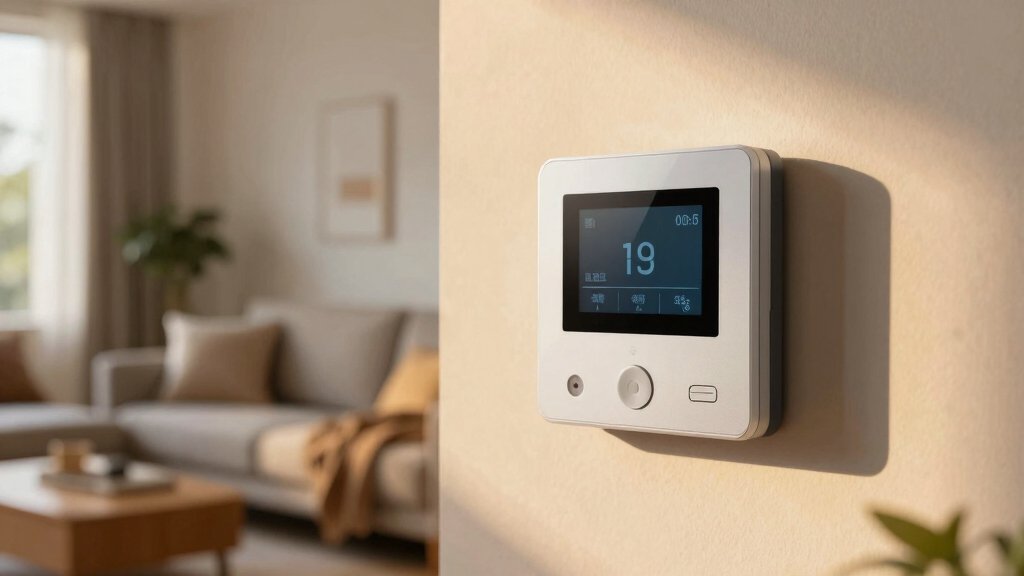

Searching for the best smart thermostat with room sensors? The Google Nest Learning Thermostat (4th gen) paired with the Nest Temperature Sensor stands out for its learning capabilities and seamless integration. The ecobee Smart Thermostat Premium offers advanced air quality controls, making it ideal for healthier homes. Meanwhile, the Honeywell X8S combines versatility with compatibility for smart home setups. Each option balances features and price differently, so understanding your needs is key. Keep reading for a detailed breakdown to help you find the perfect fit.

Prime made for students and young adults
- Fast, free delivery for dorm and study essentials
- Prime Video and Amazon Music included
- Member-only deals
Key Takeaways
- The top models excel in either learning features or sensor versatility, catering to different user priorities.
- Compatibility with smart home ecosystems like Alexa, Google Assistant, or Siri influences choice for seamless voice control.
- Most high-end options offer air quality monitoring and additional sensors, but these come with a higher price tag.
- Installation complexity varies; some models are more DIY-friendly, while others may require professional setup.
- Balancing sensor quantity and range is crucial for effective zoning without overspending.
| Google Nest Learning Thermostat (4th gen) + Nest Temperature Sensor (2nd gen) – Obsidian |  | Best Overall Smart Thermostat with Room Sensors | Compatibility: Most 24V systems including gas, electric, oil, heat pump, radiant | Display Size: 60% larger than previous models | Connectivity: Wi-Fi, Matter compatible, works with Alexa, Siri, Google Assistant | VIEW LATEST PRICE | See Our Full Breakdown |
| Honeywell Home X8S Smart Thermostat with Room Sensor, Video Doorbell Compatibility, IAQ Control, and Customizable Touchscreen Display |  | Best for Smart Home Integration and Customization | Display: 5-inch touchscreen | Compatibility: First Alert VX1, Ring doorbells, Alexa, Google Assistant, Apple Home | Connectivity: WiFi 2.4/5 GHz | VIEW LATEST PRICE | See Our Full Breakdown |
| ecobee Smart Thermostat Premium with Smart Sensor and Air Quality Monitor – Programmable Wi-Fi Thermostat – Works with Siri, Alexa, Google Assistant |  | Best for Advanced Air Quality and Security Features | Compatibility: Most 24VAC HVAC systems | Energy Savings: Up to 26% annually | Air Quality Monitor: Yes | VIEW LATEST PRICE | See Our Full Breakdown |
| ecobee Smart Thermostat Enhanced – Programmable Wi-Fi Thermostat with Smart Home Compatibility |  | Best Budget-Friendly with Reliable Performance | Energy Savings: Up to 26% annually | Compatibility: Most 24 VAC HVAC systems | Connectivity: Wi-Fi | VIEW LATEST PRICE | See Our Full Breakdown |
| Honeywell Home X8S Smart Thermostat with Room Sensor, Video Doorbell Compatibility, IAQ Control, and Customizable Touchscreen Display |  | Best for Security and Custom Comfort | Display: 5-inch touchscreen | Compatibility: Up to 3 heat/2 cool systems or 2 heat/2 cool conventional | Connectivity: Wi-Fi 2.4/5 GHz | VIEW LATEST PRICE | See Our Full Breakdown |
| Honeywell Home T9 WiFi Smart Thermostat with 1 Smart Room Sensor, Touchscreen Display, White |  | Best Overall for Focused Comfort and Compatibility | Connectivity: WiFi | Display: Touchscreen | Sensors: Includes 1 Smart Room Sensor | VIEW LATEST PRICE | See Our Full Breakdown |
| ecobee Smart Thermostat Essential – Energy Star Certified Wi-Fi Programmable Thermostat |  | Best for Energy Savings and Smart Features | Energy Star Certified: Yes | Compatibility: Most 24 VAC HVAC systems including gas, oil, electric, dual fuel, heat pump | Connectivity: Wi-Fi | VIEW LATEST PRICE | See Our Full Breakdown |
More Details on Our Top Picks
Google Nest Learning Thermostat (4th gen) + Nest Temperature Sensor (2nd gen) – Obsidian
This thermostat stands out for its intelligent learning capabilities and seamless integration with the Google ecosystem, making it ideal for homeowners who want a truly automated experience. Unlike the ecobee models, which offer advanced air quality features, the Nest focuses on effortless energy savings—up to 31%—by adapting to your habits and outdoor conditions. The large, dynamic display and the inclusion of the Nest Temperature Sensor ensure consistent comfort across different rooms. However, it requires a Wi-Fi connection for full functionality, and some users may find setup intimidating without professional help, especially if their system is complex. Compared with the ecobee Smart Thermostat Premium, it offers a more straightforward user experience but at a higher price point. Its compatibility with most 24V systems and no C-wire requirement in many homes make it accessible to a broad audience.
Pros:- Smart learning capabilities that optimize energy use over time
- Large, easy-to-see display with dynamic Farsight features
- Includes room sensors for balanced comfort across spaces
- Compatible with most 24V systems and no C-wire in many cases
Cons:- Higher price compared to basic thermostats
- Full features depend on a stable Wi-Fi connection and setup complexity
Best for: Tech-savvy homeowners seeking a highly adaptive, energy-saving thermostat with minimal manual adjustments
Not ideal for: Renters or those with complex HVAC systems needing extensive customization or built-in air quality control
- Compatibility:Most 24V systems including gas, electric, oil, heat pump, radiant
- Display Size:60% larger than previous models
- Connectivity:Wi-Fi, Matter compatible, works with Alexa, Siri, Google Assistant
- Sensor Included:Nest Temperature Sensor (2nd gen)
- Energy Savings:Up to 31% on heating and cooling bills
- Adaptive Eco:Yes
Bottom line: This pick is best for homeowners who want an intelligent, energy-efficient thermostat that adapts to their routines without extensive manual programming.
Honeywell Home X8S Smart Thermostat with Room Sensor, Video Doorbell Compatibility, IAQ Control, and Customizable Touchscreen Display
The Honeywell Home X8S excels for those who want a highly customizable interface and deep integration with smart home devices, such as video doorbells and air quality monitors. Its sleek 5-inch touchscreen offers more visual control than the Nest, and the occupancy detection helps optimize comfort and savings—especially useful in multi-room setups. Compared to the ecobee Smart Sensor models, the X8S emphasizes security features like doorbell intercom and IAQ control, making it suitable for security-conscious users. However, it requires a C-wire or an included adapter, which may complicate installation for some. It doesn’t support electric baseboard heating, limiting its use in certain homes. Still, its compatibility with major smart home platforms and user-friendly display make it a versatile choice for those wanting deep customization.
Pros:- Large, customizable touchscreen interface
- Advanced occupancy and presence detection for efficiency
- Supports video doorbell intercom for added security
- Compatible with major smart home platforms
Cons:- Requires C-wire or adapter for installation
- Limited support for electric baseboard heating
Best for: Homeowners who prioritize smart home integration, security features, and a personalized control experience
Not ideal for: Users with electric baseboard heating systems or minimal technical experience in installation
- Display:5-inch touchscreen
- Compatibility:First Alert VX1, Ring doorbells, Alexa, Google Assistant, Apple Home
- Connectivity:WiFi 2.4/5 GHz
- Sensor Range:Up to 200 ft
- Energy Certification:ENERGY STAR
- C-wire:Required (voucher included if needed)
Bottom line: This thermostat is ideal for users who want comprehensive smart home control coupled with targeted comfort and security features.
ecobee Smart Thermostat Premium with Smart Sensor and Air Quality Monitor – Programmable Wi-Fi Thermostat – Works with Siri, Alexa, Google Assistant
The ecobee Smart Thermostat Premium is a compelling choice for those who want more than just temperature control—its built-in air quality monitor and security features stand out, especially for larger or tech-forward households. Its vibrant display and occupancy sensing technology help optimize comfort, and the inclusion of ecobee’s SmartSensor enhances room-to-room consistency. Compared to the Ecobee Smart Thermostat Enhanced, the Premium offers a more integrated experience with a focus on air quality and security, though it may require a subscription for some smart features. Its compatibility with Siri, Alexa, and Google Assistant makes voice control straightforward, but the setup can seem complex for users unfamiliar with smart home devices. Overall, this model suits those who desire a premium, all-in-one smart thermostat with security and air quality monitoring.
Pros:- Built-in air quality monitoring and alerts
- Seamless voice control with multiple assistants
- Occupancy sensing and security features
- Vibrant, cinematic display for easy interaction
Cons:- Requires subscription for some advanced features
- Setup can be complex without technical familiarity
Best for: Homeowners seeking a premium thermostat with integrated air quality and security features
Not ideal for: Those on a tight budget or who prefer simple, basic thermostats without extra sensors or monitoring
- Compatibility:Most 24VAC HVAC systems
- Energy Savings:Up to 26% annually
- Air Quality Monitor:Yes
- Display:Large, vibrant interface
- Connectivity:Wi-Fi
- Voice Assistants:Siri, Alexa, Google Assistant
Bottom line: This is best suited for users who want a premium thermostat that combines comfort, security, and air quality management in one device.
ecobee Smart Thermostat Enhanced – Programmable Wi-Fi Thermostat with Smart Home Compatibility
The ecobee Smart Thermostat Enhanced makes a strong case for budget-conscious buyers who still want reliable smart features and energy savings, up to 26% annually. Its straightforward installation, including a Power Extender Kit, makes it accessible for many homes without a C-wire. While it lacks some of the advanced air quality and security features of the Premium version, it still offers occupancy sensing and remote control via smartphone or Apple Watch. Compared with the ecobee Premium, it’s less feature-rich but provides solid core functionality at a lower price. Its compatibility with most HVAC systems and smart home platforms makes it a versatile choice for those who want a dependable device without extra bells and whistles.
Pros:- Cost-effective with up to 26% savings annually
- Easy DIY installation with Power Extender Kit
- Compatible with most HVAC systems and smart home platforms
- Remote control via smartphone or Apple Watch
Cons:- Lacks advanced air quality and security features
- Setup may be complex for non-technical users
Best for: Budget-conscious homeowners seeking a reliable, easy-to-install smart thermostat with good energy savings
Not ideal for: Users who want built-in air quality monitoring or advanced security features
- Energy Savings:Up to 26% annually
- Compatibility:Most 24 VAC HVAC systems
- Connectivity:Wi-Fi
- Installation:Includes Power Extender Kit
- Features:Occupancy sensing, remote control
- Voice Assistants:Siri, Alexa, Google Assistant
Bottom line: This thermostat is well-suited for those who want dependable smart control and energy savings without paying for premium features.
Honeywell Home X8S Smart Thermostat with Room Sensor, Video Doorbell Compatibility, IAQ Control, and Customizable Touchscreen Display
The Honeywell Home X8S is designed for users who want a feature-rich thermostat that combines comfort, security, and smart home integration. Its customizable 5-inch touchscreen and wireless room sensors allow targeted comfort in different zones, and its support for video doorbells adds an extra layer of security. Compared to the ecobee models, the X8S emphasizes security and IAQ control, making it appealing for security-focused households. However, it requires a C-wire or the included adapter, which could complicate installation, especially in older homes. It’s not compatible with electric baseboard heating, limiting its use in certain setups. For users wanting a versatile, security-oriented thermostat with a modern display, this model makes a compelling choice.
Pros:- Customizable touchscreen for personalized control
- Wireless room sensors for zoned comfort
- Supports video doorbell intercom for added security
- Compatible with major smart home platforms
Cons:- Requires C-wire or adapter for installation
- Limited support for electric baseboard heating
Best for: Security-conscious homeowners wanting smart zoning and integrated security features
Not ideal for: Users with electric baseboard heating systems or limited technical installation experience
- Display:5-inch touchscreen
- Compatibility:Up to 3 heat/2 cool systems or 2 heat/2 cool conventional
- Connectivity:Wi-Fi 2.4/5 GHz
- Sensors:Wireless Room Sensors up to 200 ft
- Energy Certification:ENERGY STAR
- C-wire:Required (voucher included if needed)
Bottom line: This model is best for those who prioritize security, smart zoning, and a modern, customizable interface in their smart home setup.
Honeywell Home T9 WiFi Smart Thermostat with 1 Smart Room Sensor, Touchscreen Display, White
The Honeywell Home T9 stands out for its focus on room-specific comfort thanks to included smart sensors that help target heating and cooling precisely where needed. It’s an excellent choice for those who want a straightforward, reliable smart thermostat that integrates with major platforms like Alexa, Google Assistant, and Apple HomeKit. Compared with the ecobee Smart Thermostat Essential, the T9’s single sensor and simple installation make it more accessible, though it lacks the advanced energy-saving features and humidity detection of ecobee. The T9’s reliance on a C-wire or included power adapter can be a barrier for some DIYers with older systems. Its limited compatibility with electric baseboard heating narrows its appeal for certain setups. Overall, this model makes the most sense for homeowners seeking a user-friendly, versatile thermostat with room sensors and broad platform support, but it’s less suited for those with complex or non-standard systems.
Pros:- Remote control and scheduling via mobile app
- Smart sensors enhance room-specific comfort
- Broad compatibility with Alexa, Google, and Apple platforms
- Easy DIY installation with included power adapter
Cons:- Requires C-wire or power adapter for installation
- Limited to certain HVAC systems, not compatible with electric baseboards
Best for: Homeowners wanting a reliable, easy-to-install thermostat with room sensors that works with major smart home systems
Not ideal for: Owners with electric baseboard heating or systems without a C-wire, who will find installation challenging or incompatible
- Connectivity:WiFi
- Display:Touchscreen
- Sensors:Includes 1 Smart Room Sensor
- Range:Up to 200 ft
- Compatibility:Alexa, Google Assistant, Apple HomeKit
- Power:C-wire required or included power adapter
- System Compatibility:Forced air, hot water, steam, heat pumps with electric backup
- Color:White
Bottom line: This thermostat suits users who prioritize straightforward setup and room-specific comfort in a compatible smart home ecosystem.
ecobee Smart Thermostat Essential – Energy Star Certified Wi-Fi Programmable Thermostat
The ecobee Smart Thermostat Essential makes a compelling case for energy-conscious households, promising up to 23% annual savings through smart scheduling and remote monitoring. It’s well-suited for those who want a comprehensive, feature-rich thermostat that integrates seamlessly with most HVAC systems, including dual fuel and heat pumps. Compared to the Honeywell T9, the ecobee’s energy optimization features and built-in humidity detection add value for users seeking more control over indoor climate. However, the SmartSensor 2-pack is sold separately, which can increase initial costs for full room sensing coverage. Its reliance on Wi-Fi means continuous connectivity is necessary for full functionality, and some non-standard HVAC setups might require extra verification for compatibility. Overall, this makes sense for energy-conscious users who want advanced features and flexible system compatibility but are okay with additional sensor purchases.
Pros:- Saves up to 23% on energy costs annually
- Easy DIY installation with optional Power Extender Kit
- Compatible with major voice assistants and ecosystems
- Includes humidity detection and energy scheduling
Cons:- SmartSensor 2-pack sold separately increases cost
- Requires Wi-Fi for full features
- Compatibility with some non-standard HVAC systems may need verification
Best for: Homeowners aiming to optimize energy use while enjoying advanced smart features and ecosystem integration
Not ideal for: Users with non-standard HVAC systems or those unwilling to purchase additional sensors, as full functionality depends on extra components
- Energy Star Certified:Yes
- Compatibility:Most 24 VAC HVAC systems including gas, oil, electric, dual fuel, heat pump
- Connectivity:Wi-Fi
- Control:Color touchscreen, ecobee app, voice assistants (Siri, Alexa, Google)
- SmartSensor Compatibility:Yes (sold separately)
- Indoor Humidity Detection:Yes
- Schedule Assistant:Yes
- Time of Use:Yes
Bottom line: This thermostat is an excellent choice for those prioritizing energy savings and smart home integration, willing to invest in extra sensors for full coverage.
How We Picked
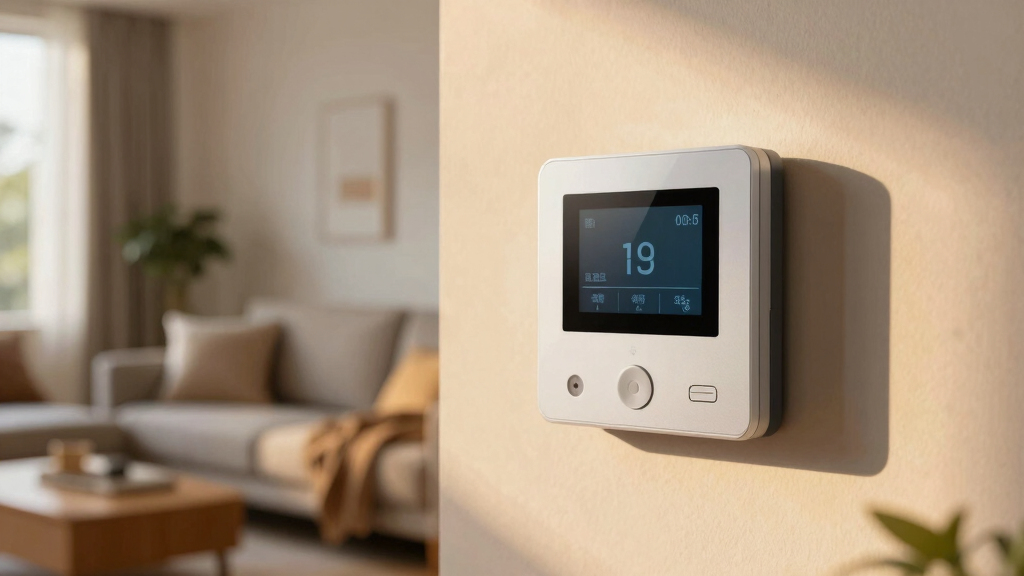
In selecting these smart thermostats, I focused on performance, usability, sensor accuracy, and integration options. The ranking emphasizes how well each model balances features against value, with particular attention to the effectiveness of room sensors in managing multiple zones. Durability, app reliability, and compatibility with popular voice assistants also played a role. I prioritized products that offer a clear advantage in either ease of use or advanced functionalities, avoiding overly niche or limited options. This approach ensures that each pick provides distinct benefits aligned with different user needs.Factors to Consider When Choosing Best Smart Thermostat With Room Sensors
Choosing the best smart thermostat with room sensors involves considering several key factors beyond basic compatibility. Effective zoning depends on sensor quantity and placement, so think about how many rooms you want monitored. Compatibility with your smart home system can streamline control via voice or app. Installation ease varies, and some models are more suitable for DIY setups. Price differences often reflect sensor features, build quality, and ecosystem integration. Avoid models with limited sensor range or poor app reliability, as these hinder long-term satisfaction. Carefully weigh these elements to match your home’s needs and your tech preferences.Sensor Quantity and Placement
More sensors mean better zoning and temperature control across multiple rooms, but they also increase cost. Consider how many rooms need monitored and whether sensors can be placed where they will be most effective. Placement is critical — sensors should be away from heat sources or drafty areas for accurate readings. Overloading with sensors can lead to unnecessary expense, while too few may cause uneven heating or cooling. Think about your home’s layout and select a model that offers flexible sensor options for optimal comfort and efficiency.
Compatibility With Smart Home Ecosystems
Ensure your chosen thermostat integrates smoothly with your existing smart home setup, whether that’s Alexa, Google Assistant, or Siri. Compatibility affects how easily you can control your system via voice commands or routines, adding convenience. Some models, like ecobee, boast broad ecosystem support, while others may be more limited. Confirm that the app interface is intuitive and that the device supports your preferred automation features. A well-integrated system reduces frustration and maximizes the benefits of smart technology.
Ease of Installation and Setup
Installation complexity varies widely among these devices. Some models feature straightforward DIY setup, with step-by-step guides and app instructions. Others may require professional installation, especially if wiring or existing systems are complicated. Consider your comfort level with home tech projects; investing in professional help might be worthwhile for more advanced units. An intuitive setup process saves time and reduces errors, ensuring you enjoy smart temperature control without unnecessary hassle.
Price and Value Proposition
Higher-priced models often include advanced sensors, better build quality, and more comprehensive features like air quality monitoring. However, it’s worth evaluating whether these extras align with your needs. Budget-friendly options may lack some sensors but still provide effective temperature control and smart features. Avoid models that seem overvalued for their feature set or those that don’t offer enough sensor flexibility. Striking the right balance between cost and functionality leads to better long-term satisfaction.
Sensor Range and Reliability
The effectiveness of room sensors depends on their range and accuracy. Sensors placed too far from the thermostat or in obstructed areas can give misleading readings, undermining comfort. Look for models that offer sensors with wide or adjustable ranges, and verify reviews for consistency in sensor performance. Reliable sensors are essential for maintaining balanced temperatures across rooms, especially in larger homes. Investing in a system with proven sensor reliability prevents frustration and ensures your heating and cooling work as intended.
Frequently Asked Questions
Can I add more sensors later to my smart thermostat?
Yes, many smart thermostats support additional sensors that can be added after the initial setup. For example, ecobee models typically allow multiple sensors to be integrated, enhancing zoning flexibility. When choosing a device, check how many sensors it can support and whether they are sold separately. Adding sensors later can improve comfort in larger or multi-room homes, but be mindful of compatibility and placement guidelines for optimal results.
Are smart thermostats with room sensors worth the extra cost?
In most cases, sensors significantly enhance the ability to control temperature in multiple rooms, leading to better comfort and energy savings. They prevent hot or cold spots by providing real-time data from different areas, which is especially valuable in larger homes or homes with uneven insulation. While they do add to the upfront price, the improved zoning and potential energy reductions often offset the initial investment over time. Consider your home’s size and your comfort priorities when evaluating whether the extra cost is justified.
Will these thermostats work with my existing HVAC system?
Most smart thermostats are compatible with standard HVAC systems, but it’s essential to verify before purchasing. Check the specifications to ensure support for your system type, whether it’s central air, heat pump, or multi-stage systems. Some models, like ecobee, offer broader compatibility, including compatibility with more complex setups. If unsure, consulting a professional or manufacturer support can prevent installation issues and ensure your system integrates properly with the smart thermostat.
How accurate are the room sensors in these thermostats?
Room sensors in these devices are generally quite accurate, but their effectiveness depends on proper placement and quality. Sensors are designed to provide real-time temperature data, which helps optimize heating and cooling. Placement away from heat sources, drafts, or direct sunlight improves accuracy. Premium models often include more precise sensors or multiple sensors for better zoning. Regularly check sensor calibration and placement to maintain reliable temperature control and avoid discomfort caused by inaccurate readings.
Can I control these thermostats remotely without internet?
Most smart thermostats rely on an internet connection for remote control, app updates, and integrations. Without internet, you can typically still operate the thermostat locally via the device’s interface, but remote features are unavailable. Some models include a local control option, but reviewing each device’s connectivity requirements is key. If remote access is essential for you, ensure the thermostat supports local control or has a built-in display for manual adjustments in case of connectivity issues.
Conclusion
For general households seeking reliable, easy-to-use control, the Google Nest Learning Thermostat remains the best overall choice due to its smart learning features and broad ecosystem support. Those prioritizing energy efficiency and air quality should consider the ecobee Smart Thermostat Premium, especially if multiple sensors or air monitoring matter. Budget-conscious buyers can opt for the ecobee Smart Thermostat Essential or the Honeywell X8S for solid performance at a lower price. For newcomers, models with straightforward setup and intuitive apps are ideal, while homeowners with larger or multi-zone homes should prioritize units supporting multiple sensors and flexible placement. Ultimately, your choice depends on your home size, smart home integration, and specific comfort priorities.
Fall Picks
fall essentials
As an affiliate, we earn on qualifying purchases.