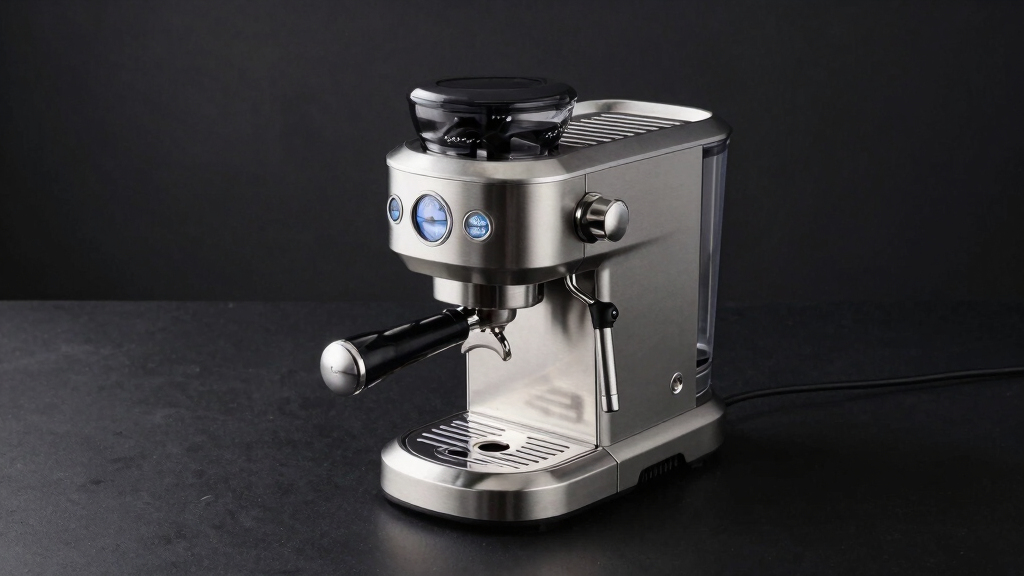

Finding the best espresso machine with a grinder involves balancing convenience, quality, and budget. The Breville Barista Touch BES880BSS stands out for its intuitive touchscreen and consistent grind, making it ideal for home baristas. For those prioritizing speed and automation, the Philips 4400 Series offers a fully automatic experience with a built-in milk system. The main tradeoffs? Higher-end models deliver superior espresso but come at a higher price and complexity, while more affordable options may sacrifice some precision or features. Keep reading for a detailed breakdown of the top contenders and what makes each one unique.
Key Takeaways
- Top picks vary based on automation vs. manual control preferences.
- Build quality and durability are key differentiators at different price points.
- Consistent grinding and temperature stability heavily influence espresso quality.
- Ease of use and maintenance can make or break daily usability.
- Higher-priced models generally offer more advanced features and better extraction results.
| Breville Barista Touch Espresso Machine BES880BSS, Brushed Stainless Steel |  | Best Overall for User-Friendly Advanced Features | Model: BES880BSS | Material: Brushed Stainless Steel | Power: 1680 Watts | VIEW LATEST PRICE | See Our Full Breakdown |
| Breville Barista Pro Espresso Machine BES878BSS, Brushed Stainless Steel |  | Best Premium for Speed and Precision | Power: 1680 Watts | Voltage: 120 Volts | Warranty: 1 Year Limited | VIEW LATEST PRICE | See Our Full Breakdown |
| Philips 4400 Series Fully Automatic Espresso Machine with LatteGo Milk System |  | Best Overall for Convenience and Customization | Model: EP4444/90 | Pressure: 15 Bar | Color: Black Chrome | VIEW LATEST PRICE | See Our Full Breakdown |
| De’Longhi Rivelia Automatic Espresso Machine with Grinder & Milk Frother |  | Best for Compact, All-in-One Convenience | Bean Hopper Capacity: 8.8 oz each (two hoppers) | Burr Grinder Settings: 13 | Display: 3.5-inch color touch screen | VIEW LATEST PRICE | See Our Full Breakdown |
More Details on Our Top Picks
Breville Barista Touch Espresso Machine BES880BSS, Brushed Stainless Steel
The Breville Barista Touch stands out for its intuitive touch screen interface and integrated grinder, making it ideal for users who want café-quality drinks with minimal fuss. Compared to the Breville Barista Pro, it offers similar features but with a more refined user experience thanks to its touchscreen, which simplifies customization. However, its high price and larger size mean it might be less appealing for small kitchens or budget shoppers. Its automatic milk texturing and fast ThermoJet heating system make it a top choice for home baristas ready to invest in convenience and quality.
Pros:- Touch screen interface with customizable settings
- Integrated conical burr grinder for fresh coffee
- Automatic microfoam milk texturing for latte art
- Fast heat-up with ThermoJet system
Cons:- High cost may deter casual users
- Bulky design requires ample counter space
- Learning curve for advanced features
Best for: Home baristas who want customizable, café-quality espresso with a user-friendly interface.
Not ideal for: Small space dwellers or budget shoppers seeking a more affordable or compact machine.
- Model:BES880BSS
- Material:Brushed Stainless Steel
- Power:1680 Watts
- Voltage:110-120V
- Water Tank Capacity:67 oz
- Bean Hopper Capacity:1/2 lb
- Features:Touch screen, integrated grinder, programmable, pre-infusion, PID control, automatic milk texturing
Bottom line: This pick makes the most sense for serious espresso lovers seeking ease of use and professional results at home.
Breville Barista Pro Espresso Machine BES878BSS, Brushed Stainless Steel
The Breville Barista Pro offers fast, professional-level espresso with its ThermoJet heating system, which reaches optimal temperature in just 3 seconds. Its built-in grinder with dose control ensures fresh coffee for every shot, and the intuitive LCD makes it easy to fine-tune your brew. Compared with the BES880BSS, the Pro emphasizes speed and streamlined operation, appealing to serious coffee enthusiasts who want quick, reliable results. Its higher power and premium features come with a higher price and power consumption, which might be less appealing for casual users. This machine balances speed, precision, and customization for those who want a near-professional experience at home.
Pros:- Rapid heat-up with ThermoJet system
- Built-in grinder with dose control for fresh coffee
- Microfoam milk texturing for latte art
- Intuitive LCD display simplifies operation
Cons:- Higher power consumption
- Limited to 120V power supply
- Premium price may be a barrier
Best for: Coffee enthusiasts who value quick, precise operation and professional-quality espresso.
Not ideal for: Users with limited kitchen space or those on a tight budget, due to its higher price and power needs.
- Power:1680 Watts
- Voltage:120 Volts
- Warranty:1 Year Limited
- Grinder:Built-in with dose control
- Heating System:ThermoJet
- Portafilter Size:54mm
- Dose Range:19-22 grams
Bottom line: This machine is best for dedicated home baristas seeking quick, precise, and high-quality espresso with professional features.
Philips 4400 Series Fully Automatic Espresso Machine with LatteGo Milk System
The Philips 4400 Series stands out for its combination of versatility and user-friendly features, making it ideal for those who want a wide range of café drinks at home without fuss. Unlike the De’Longhi Rivelia, which excels in customization but can be more complex to operate, this model offers 12 preset drinks, including lattes and cappuccinos, with quick, quiet brewing thanks to the QuietBrew technology. The LatteGo milk system simplifies cleaning, a significant advantage over traditional milk frothers, but it comes at a higher price and requires regular descaling. Its color display and two user profiles make personalization straightforward, though the limited color options may not appeal to all aesthetic preferences. Overall, this pick makes the most sense for those who prioritize convenience, quiet operation, and a variety of preset options, even if it demands a bit more maintenance.
Pros:- Multiple preset drink options with customizable profiles
- Fast, quiet brewing technology for a less disruptive experience
- Easy-to-clean LatteGo milk system reduces maintenance time
Cons:- Higher price point compared to basic espresso machines
- Limited color options may not match all kitchen styles
- Requires regular descaling and maintenance for optimal performance
Best for: Home baristas who value quick, quiet coffee preparation with minimal fuss and enjoy customizing their drinks.
Not ideal for: Budget-conscious buyers who prefer simpler, lower-cost machines with fewer bells and whistles.
- Model:EP4444/90
- Pressure:15 Bar
- Color:Black Chrome
- Pre-Sets:12
- Milk System:LatteGo
- Brewing Technology:Fully automatic with integrated grinder
- Quick Start:Yes
- QuietBrew:Yes, 40% quieter
Bottom line: This machine is perfect for those who want a versatile, quiet, and convenient espresso experience with minimal fuss.
De’Longhi Rivelia Automatic Espresso Machine with Grinder & Milk Frother
The De’Longhi Rivelia is a compact yet feature-rich machine designed for users who want to grind, brew, and froth with minimal effort. Its interchangeable bean hoppers allow switching between flavors easily, making it ideal for households with diverse preferences. The automatic milk frother produces velvety foam at the touch of a button, rivaling more expensive machines like the Breville Barista Touch in convenience. The 3.5-inch color touch screen offers intuitive control and customization of grind, dose, and temperature, but the setup process can be somewhat complex for first-time users. Its smaller footprint makes it perfect for limited counter space, though its higher price and limited recipe options beyond espresso and milk drinks may be a drawback for some.
Pros:- Easy one-touch operation for a variety of drinks
- Interchangeable bean hoppers for flavor variety
- Automatic milk frother produces high-quality foam
Cons:- Setup may be overwhelming for some users
- Higher price compared to simpler espresso machines
- Limited to specific coffee recipes and functions
Best for: Small households or individuals who want a versatile, space-saving machine with personalized drinks and easy bean swapping.
Not ideal for: Beginners or casual users who prefer a simple, all-in-one machine without extensive customization or setup complexity.
- Bean Hopper Capacity:8.8 oz each (two hoppers)
- Burr Grinder Settings:13
- Display:3.5-inch color touch screen
- Frothing System:LatteCrema Hot System
- Removable Bean Hoppers:Yes, two
- Customization:Adjustable grind, dose, temperature, and drink profiles
- Additional Accessories:LatteCrema Cool (optional)
Bottom line: This machine targets users seeking a compact, customizable, and easy-to-use espresso solution with high-quality milk frothing, despite a steeper learning curve.
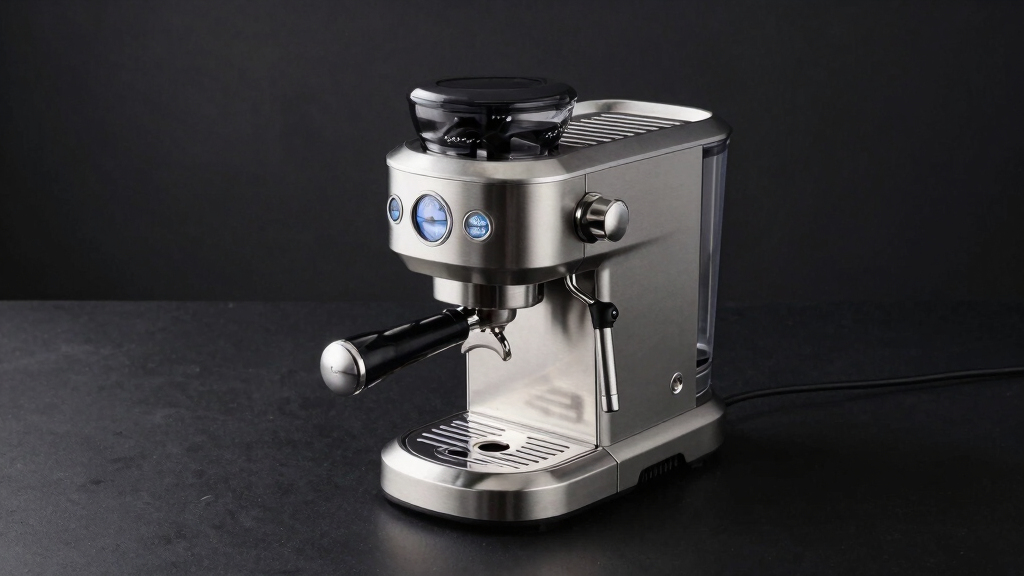
How We Picked
Products were evaluated based on their brewing performance, build quality, ease of use, maintenance requirements, and value for money. We prioritized machines that deliver consistent espresso extraction with integrated grinders, focusing on user-friendly interfaces for different skill levels. The ranking reflects a balance of performance, durability, and price, ensuring options for beginners, enthusiasts, and premium buyers alike. We also considered customer reviews and expert insights to identify which models stand out in real-world use.Factors to Consider When Choosing Best Espresso Machine With Grinder
Choosing the best espresso machine with grinder involves understanding your brewing style, budget, and space. Beyond features, it’s important to consider how much control you want over the brewing process, how easy it is to maintain, and whether the machine fits your kitchen setup. The right choice depends on your priorities—whether you seek convenience, customization, or a balance of both. Here are key factors to keep in mind.Brew Quality and Consistency
High-quality espresso depends on stable temperature control and precise grinding. Look for machines with good thermal stability and adjustable grind settings for tailored results. Cheaper models may struggle to maintain consistent extraction, leading to bitter or weak coffee. Investing in a machine with good temperature control and a reliable grinder can dramatically improve your daily espresso experience.
Ease of Use and Automation
If you prefer a quick, no-fuss routine, consider fully automatic models with programmable options. These machines handle grinding, brewing, and milk frothing at the push of a button. However, they often come at a higher cost and less control over each step. Manual or semi-automatic machines provide more customization but require more skill and effort. Match your comfort level with the machine’s automation features.
Build Quality and Durability
Durability matters more than ever when choosing an espresso machine with a grinder. Look for sturdy materials like stainless steel, and check reviews for long-term reliability. Cheaper plastics and lower-quality components may lead to quicker wear and frequent repairs. While premium models cost more upfront, they typically offer longer-lasting performance and better resale value.
Maintenance and Cleaning
Regular cleaning is essential for maintaining espresso quality and extending your machine’s lifespan. Machines with accessible burrs and straightforward cleaning cycles tend to be easier to maintain. Consider models with removable drip trays, water tanks, and grinders for hassle-free upkeep. Overlooking maintenance requirements can lead to clogs, flavor transfer, and mechanical issues over time.
Size and Kitchen Fit
Espresso machines come in various sizes, so measuring your space before buying is smart. Compact models are ideal for small kitchens but may have fewer features. Larger, more feature-rich machines might require dedicated counter space. Consider your storage and usage patterns to select a machine that fits seamlessly into your routine without cluttering your space.
Frequently Asked Questions
Is a built-in grinder better than a separate grinder?
Built-in grinders offer convenience since they reduce clutter and allow for quick preparation, making them ideal for everyday use. However, standalone grinders often provide more precise control over grind size and consistency, which can significantly impact espresso quality. If you value convenience and simplicity, a machine with an integrated grinder is a smart choice; for more control and potentially better results, a dedicated grinder paired with a machine might be better.
How important is grind adjustment for espresso quality?
Grind adjustment is critical because it directly affects extraction time and flavor. Too fine a grind can cause over-extraction and bitterness, while too coarse results in weak, under-extracted shots. A machine with easily accessible, precise grind settings helps you fine-tune your brew for optimal taste. If you’re serious about espresso, look for models with step-adjustable burrs and clear markings to avoid guesswork.
Can I get café-quality espresso at home with these machines?
With the right machine, consistent technique, and quality beans, you can achieve café-quality espresso at home. Machines with good temperature stability, high-quality grinders, and proper pressure control are essential. Keep in mind that mastering the technique, including tamping and timing, also plays a significant role. These machines are designed to help elevate your home brewing, but they do require some practice for the best results.
Are fully automatic machines worth the extra cost?
Fully automatic machines save time and effort by handling grinding, brewing, and milk frothing with minimal input. They are perfect for busy mornings or users who prefer convenience over customization. However, they tend to be pricier, and some users find they lack the control of semi-automatic or manual options. If you prioritize ease and consistent results, investing in a good fully automatic model can be worthwhile.
What maintenance should I expect with these machines?
Regular cleaning of the grinder, water tank, and drip tray is essential to keep your espresso machine performing well. Many models include automatic cleaning cycles, but manual cleaning of burrs and descaling the machine are also necessary, especially with hard water. Proper maintenance extends the lifespan of your machine and ensures consistently good espresso. Checking the manufacturer’s guidelines will help you stay on top of routine care.
Conclusion
For those seeking the best overall experience, the Breville Barista Touch BES880BSS offers excellent performance with user-friendly features. Budget-conscious buyers should consider the Philips 4400 Series for automatic convenience without breaking the bank. Enthusiasts wanting premium craftsmanship will find the De’Longhi Rivelia a compelling choice, blending advanced features with durability. Beginners aiming for simple, consistent espresso will appreciate models with straightforward controls, while espresso connoisseurs should prioritize machines with precise adjustments and high-quality grinders. Clearly, your ideal pick depends on your skill level, usage habits, and budget.