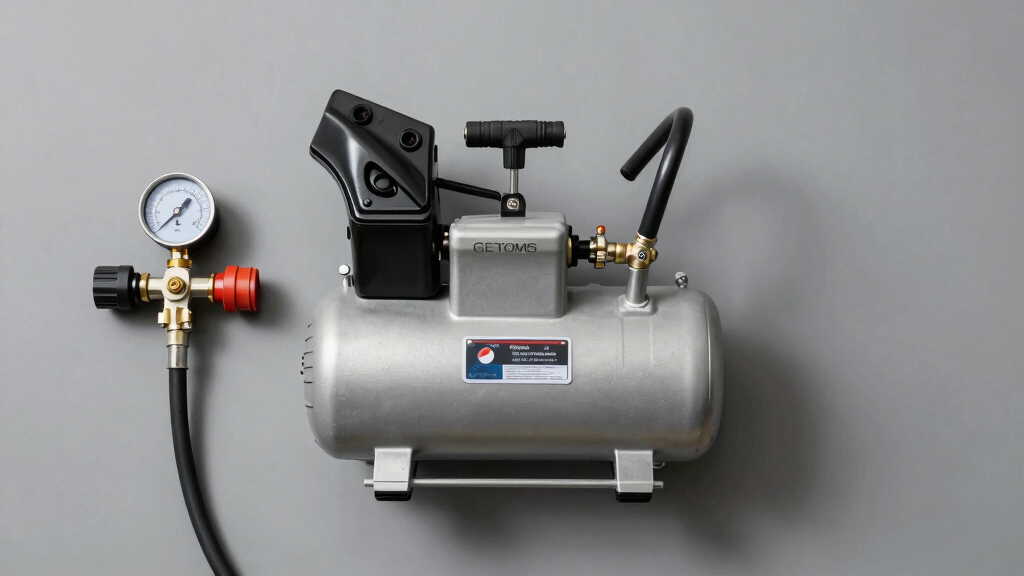
Finding a quiet air compressor that balances power with minimal noise can be challenging. The Quiet Oil-Free Air Compressor stands out as the overall top pick thanks to its impressive 68 dB noise level and solid airflow. For those needing larger capacity, the Stealth 20 Gallon Ultra Quiet Air Compressor offers high PSI and portability, making it ideal for demanding tasks. Meanwhile, the Fornax Ultra Quiet Air Compressor appeals to users seeking a compact, ultra-silent option for light-duty work. These models reflect the key tradeoffs in this category: higher capacity often means a slight increase in noise, while ultra-compact units may sacrifice airflow. Continue reading for a detailed comparison to find the best quiet air compressor for your needs.

Get school and study supplies delivered free — and shop member deals
- Fast, free delivery on millions of items
- Access to Prime Big Deal Days deals on October 6–7
- Prime Video, Amazon Music and more included
Key Takeaways
- The quietest models typically operate below 70 dB, but this often comes with reduced airflow capacity.
- Oil-free compressors tend to be lighter and require less maintenance, but may have shorter lifespans than oil-lubricated options.
- Larger tanks and higher PSI ratings usually increase noise levels slightly, so balancing capacity with noise is key.
- Portability features like wheels and handles are common in higher-capacity models, aiding ease of use.
- Price varies widely; investing in a premium model often results in quieter operation and longer durability, but good budget options exist.


| quiet air compressor | Noise Level | Tank Capacity | CFM at 40 PSI | Maximum PSI |
|---|---|---|---|---|
| Quiet Oil-Free Air Compressor | 68 dB | 8 gallons | 4 | — |
| Stealth 20 Gallon Ultra Quiet | 68 dB | 20 gallons | 5.5 | 150 PSI |
| VEVOR 13-Gallon Air Compressor | 66 dB | 13 gallons | 4.6 | 125 |
| Fornax Ultra Quiet Air Compres | 65 dB | — | — | — |
| Stealth Air Compressor 2 Gallo | Less than 60 dB | 2 gallons | — | — |
| California Air Tools 2010A 1.0 | 60 dBA | 2 gallons | — | 120 PSI |
More Details on Our Top Picks
Quiet Oil-Free Air Compressor, 68 dB, 2.8 CFM @ 90 PSI, 8 Gallon Tank
This compressor stands out for balancing quiet operation with professional-grade performance, making it a versatile choice for both DIY enthusiasts and light commercial use. Its 68 dB noise level surpasses many competitors like the Stealth 20 Gallon, which also operates quietly but offers a larger tank and higher CFM. The 8-gallon tank and 2.8 CFM at 90 PSI make it suitable for tasks such as framing, tire inflation, and light spray work. While the operation remains notably quiet, its limited tank size and moderate power output mean it’s less suited for continuous, heavy-duty applications. Compared to larger units, the recovery time could slow down under demanding workloads, but for general use, the peace and portability are hard to beat.
Pros:- Very quiet operation at 68 dB, suitable for noise-sensitive environments
- Oil-free design reduces ongoing maintenance costs
- Portable with included wheels for easy movement
- Complete accessories kit for immediate use
Cons:- Limited to an 8-gallon tank, which may restrict continuous use
- Power output may be insufficient for demanding industrial tasks
- Recovery time could slow with high-volume, continuous operation
Best for: DIYers and small contractor jobs needing reliable, quiet performance with portability
Not ideal for: Heavy industrial or continuous high-demand tasks that require larger tanks and higher CFM
- Power:1.2HP
- CFM at 40 PSI:4
- CFM at 90 PSI:2.8
- Tank Capacity:8 gallons
- Noise Level:68 dB
- Recovery Time:30 seconds
Our verdict“This model is best for users who need a quiet, portable compressor for light to medium tasks without heavy-duty continuous operation.”
Stealth 20 Gallon Ultra Quiet Air Compressor, 1.8 HP Oil-Free, 150 PSI, 68 Decibel, 5.5 CFM @ 40 PSI, 5 CFM @ 90 PSI, with Wheels
Compared with the Quiet Oil-Free, the Stealth 20 Gallon offers a significantly larger tank, making it better suited for longer tasks without frequent recharging. Its 1.8 HP motor and 150 PSI max pressure support more demanding pneumatic tools, while the 68 dB noise level ensures quiet operation. The 5.5 CFM at 40 PSI and 5 CFM at 90 PSI provide faster air delivery, ideal for garage and workshop environments. However, its weight and size mean it’s less portable than smaller models like the Fornax. This compressor makes the most sense for those needing extended runtime or running multiple tools, accepting the tradeoff of increased bulk.
Pros:- Large 20-gallon tank for extended operation
- Quiet at 68 dB, suitable for residential garages
- High maximum PSI of 150 for versatile applications
- Heavy-duty steel tank with mobility wheels
Cons:- Heavy and bulky, less portable for on-the-go use
- Peak PSI may be unnecessary for lighter tasks
- Higher initial cost compared to smaller units
Best for: Garage owners and DIYers needing continuous airflow for multiple pneumatic tools
Not ideal for: Users with limited space or those requiring ultra-portable solutions for small projects
- Horsepower:1.8 HP
- Tank Capacity:20 gallons
- Maximum PSI:150 PSI
- CFM at 40 PSI:5.5
- CFM at 90 PSI:5
- Noise Level:68 dB
Our verdict“Ideal for users who need a large-capacity, quiet compressor for long sessions or multiple tools in a fixed location.”
VEVOR 13-Gallon Air Compressor, 2HP, Quiet Operation, Oil-Free Tank, 125 PSI
The VEVOR 13-Gallon stands out for its balance of power and quiet operation, making it a strong choice for auto repair shops, woodworking, and spray painting where noise reduction is important. Its 66 dB sound level surpasses many traditional compressors, including the Fornax, which operates at 65 dB but with a smaller tank. The 2 HP motor and 4.6 CFM at 40 PSI support a variety of tasks, though the 125 PSI maximum pressure might limit heavy-duty applications. Its portability is aided by reinforced wheels, but the 71-pound weight could still be a challenge for some users. This compressor is a good middle ground for those needing quiet performance with a sizable tank for moderate use.
Pros:- Quiet operation at 66 dB, ideal for noise-sensitive settings
- Large 13-gallon tank with quick air buildup
- Portable with reinforced rubber wheels
- All-in-one accessories included
Cons:- Heavy weight may hinder portability
- Maximum pressure of 125 PSI limits some heavy-duty work
- No mention of additional attachments or hoses included
Best for: Home workshops and auto repair enthusiasts requiring quiet, reliable air supply
Not ideal for: Heavy industrial or continuous high-pressure tasks that demand larger tanks or higher PSI
- Voltage:120 volts
- Tank Capacity:13 gallons
- Maximum PSI:125
- CFM at 40 PSI:4.6
- Noise Level:66 dB
- Item Weight:71 pounds
Our verdict“Best suited for those needing a quiet, reliable compressor for moderate tasks in a home or auto repair setting.”
Fornax Ultra Quiet Air Compressor, 2 Gallon, 1 HP, 65dB Silent Oil-Free Portable Compressor, 125 PSI Max, 120V
The Fornax Ultra Quiet excels in environments where space is limited and noise must be minimized. Operating at just 65 dB, it is quieter than the Stealth 2 Gallon and ideal for home garages, auto detailing, or indoor projects. Its 2-gallon tank and 1 HP motor deliver up to 125 PSI, sufficient for tire inflation, nail guns, and light spray work. Its compact ‘hot dog’ shape and portability make it easy to store and move, though the small tank limits continuous use and high-volume tasks. This model shines for users prioritizing silence and small footprint, accepting the tradeoff of lower capacity.
Pros:- Extremely quiet at 65 dB, perfect for indoor use
- Compact and lightweight, easy to store and carry
- Oil-free design ensures low maintenance and clean air
- Supports a variety of pneumatic tools
Cons:- Limited tank capacity restricts continuous operation
- Maximum pressure of 125 PSI may be insufficient for some tasks
- Small size makes it less suitable for heavy-duty or prolonged use
Best for: Home users and auto enthusiasts needing a quiet, space-saving compressor for light tasks
Not ideal for: Heavy-duty industrial work or prolonged use demanding larger tanks and higher airflow
- Voltage:120 volts
- Tank Volume:2 gallons
- Maximum Pressure:125 PSI
- Noise Level:65 dB
- Motor Power:1 HP
- Hose Length:25 feet
Our verdict“Best for indoor, quiet tasks where space-saving is a priority and continuous heavy use isn’t required.”
Stealth Air Compressor 2 Gallon, 3/4 HP Oil-Free Ultra Quiet Electric Air Compressor, Max 125 PSI
This Stealth 2 Gallon model offers surprisingly high-pressure capabilities, supporting tasks like tire inflation and nailing, all while maintaining an ultra-quiet profile below 60 dB. Its 3/4 HP motor and 125 PSI max pressure are adequate for most home DIY projects, although the small tank size limits sustained use, especially when compared with the larger VEVOR. While it may lack the advanced features or capacity of bigger units, its affordability and quiet operation make it attractive for infrequent use or small projects. The key tradeoff is its limited tank volume, which can lead to longer recovery times during demanding tasks.
Pros:- Extremely quiet at less than 60 dB, ideal for noise-sensitive areas
- Lightweight and compact for easy mobility
- Supports a variety of small pneumatic tools
- Affordable price point
Cons:- Limited tank capacity for continuous use
- Recovery time can be longer at higher workloads
- Not suited for heavy-duty or industrial tasks
Best for: Budget-conscious homeowners and DIYers seeking quiet operation for lightweight projects
Not ideal for: Heavy-use environments or projects requiring long continuous runtime or large tanks
- Tank Capacity:2 gallons
- Maximum Pressure:125 PSI
- CFM:2.8 CFM @ 40 PSI
- Noise Level:Less than 60 dB
- Motor Power:3/4 HP
- Material:Q235B Steel
Our verdict“Perfect for casual users needing a quiet, affordable compressor for small-scale and light projects.”
California Air Tools 2010A 1.0 HP Ultra Quiet Oil-Free Air Compressor, 2 Gallon Aluminum Tank
The California Air Tools 2010A stands out for its remarkably quiet operation at just 60 decibels, making it an excellent choice for indoor workshops or noise-sensitive environments where other models like the Quiet Oil-Free Air Compressor at 68 dB might be too loud. Its lightweight design at only 35 pounds and quick setup make it highly portable, yet the 2-gallon tank limits continuous use and larger jobs. Compared with larger tanks like the Stealth 20 Gallon Ultra Quiet Compressor, this model sacrifices capacity for noise reduction and ease of transport. The oil-free dual piston pump simplifies maintenance, but performance under constant heavy-duty tasks may falter due to its small tank and moderate CFM. For users prioritizing minimal noise and portability over extended runtime, this picks makes the most sense.
Pros:- Ultra quiet operation at only 60 decibels, ideal for noise-sensitive settings
- Oil-free pump reduces maintenance costs and avoids oil spills
- Lightweight and portable design for easy transport and setup
- Quick tank fill and recovery times for intermittent use
Cons:- Limited to a 2-gallon tank, restricting continuous operation
- Performance may decline under prolonged heavy-duty use or high-demand tasks
Best for: Home hobbyists and professionals working in noise-sensitive environments who need portability and quick setup.
Not ideal for: Heavy-duty contractors or those needing continuous high-volume airflow, as the small tank and moderate CFM could limit productivity.
- Horsepower:1.0 HP
- Tank Capacity:2 gallons
- Noise Level:60 dBA
- CFM:3.10 CFM @ 40 PSI, 2.20 CFM @ 90 PSI
- Maximum PSI:120 PSI
- Dimensions:L 18.7″ x W 14.2″ x H 14.75″
- Weight:35 lbs
Our verdict“This compressor is best suited for users who prioritize quiet operation and portability over high capacity or continuous runtime.”
How We Picked
Our evaluation focused on noise levels, measured in decibels, to identify truly quiet models. We also prioritized airflow capacity (CFM) and PSI ratings, ensuring the compressors can handle typical tasks without sacrificing portability or ease of use. Build quality and maintenance requirements were considered, favoring oil-free designs for simplicity. Price was factored in to highlight options offering the best value for different budgets. The ranking reflects a balance between low noise, performance, and user-friendly features, making sure each model serves a distinct user need.Factors to Consider When Choosing Best Quiet Air Compressor
Choosing the best quiet air compressor involves balancing noise levels with performance and portability. Beyond specs, consider how you’ll use the compressor—whether for light DIY tasks or more demanding jobs—as this impacts what features matter most. Understanding these factors can help avoid common pitfalls like overpaying for unnecessary power or settling for a model too loud for your environment.Noise Level and Decibel Ratings
Deciding how quiet is quiet enough depends on your environment. Most models in this roundup operate below 70 dB, which is significantly quieter than traditional compressors. However, some ultra-quiet units hover around 65 dB or lower, ideal for shared spaces or indoor use. Remember, the quieter the compressor, the often lower its airflow capacity, so match noise expectations with your workload requirements to avoid underperforming tools.
Capacity and Airflow (CFM & PSI)
Consider what tools you’ll power and how much air they need. A higher CFM rating means faster recovery time and better performance for larger or multiple tools. PSI capacity indicates maximum pressure, but ensure it matches your tool specifications. Larger tanks store more compressed air, reducing the frequency of cycles, but they tend to be bulkier and slightly noisier. Finding the right balance ensures efficiency without excessive noise or size.
Size, Portability, and Design
Portability features like wheels, handles, and compact design are essential if you need to move the compressor frequently. Smaller units are easier to store and transport but may have limited capacity. Larger models cater to heavy-duty tasks but can be cumbersome and louder, so weigh your space constraints and mobility needs carefully. An ergonomic design also reduces user fatigue and improves overall usability.
Maintenance and Durability
Oil-free models are generally easier to maintain since they eliminate oil changes, making them ideal for light or intermittent use. Oil-lubricated compressors tend to last longer and handle more demanding jobs but require more upkeep. Consider the environment you’ll operate in—dusty or humid settings might impact durability—so choose a unit with a sturdy build and accessible maintenance points.
Price and Value
Prices in this category vary widely, from budget-friendly options to premium models. Spending more often yields quieter operation, higher performance, and longer lifespan. However, budget models can still offer good noise levels and adequate airflow for light tasks. Evaluate your specific needs against your budget to find a compressor that offers the best value without paying for unnecessary features.
Frequently Asked Questions
Are oil-free air compressors as durable as oil-lubricated ones?
Oil-free compressors are generally designed for lighter, intermittent use and tend to have a shorter lifespan compared to oil-lubricated models. They require less maintenance and are more portable, which makes them suitable for casual or DIY tasks. For professional or continuous use, an oil-lubricated compressor might be more reliable long-term, but for home or occasional projects, oil-free options are often sufficient and more convenient.
How does noise level affect the choice of an air compressor?
Lower decibel ratings mean less disruptive operation, especially important if you’re working indoors or in shared spaces. Extremely quiet models, operating around 65 dB or lower, make the environment more comfortable and reduce fatigue. Keep in mind, however, that very quiet compressors sometimes have lower airflow capacities, so ensure the noise level aligns with your performance needs for your specific tasks.
Is a larger tank always better for quiet operation?
Not necessarily. Larger tanks can store more compressed air, which reduces cycling frequency and can lead to smoother, quieter operation during continuous use. However, bigger tanks also add to the size and weight of the compressor, which may impact portability and storage. If you need portability or space-saving options, a smaller tank with a higher CFM rating might be more practical, even if it runs slightly louder.
Can I use a quiet air compressor for framing or heavy-duty work?
While some quiet models offer decent power, they are generally better suited for light to medium tasks like finishing, inflating, or small-scale projects. For demanding applications such as framing or industrial use, a louder, high-capacity compressor with higher CFM and PSI ratings might be necessary, even if it sacrifices some quietness. Weigh your workload requirements carefully before settling on a model labeled as ‘quiet.’
What should I prioritize if I want a portable quiet compressor?
Look for models with compact design, lightweight construction, and mobility features like wheels and handles. Portable units tend to have smaller tanks and lower airflow capacities, so ensure they meet your tool requirements. Paying attention to the overall size and weight will help you find a model that’s easy to move around without sacrificing too much performance, making it ideal for DIY projects or mobile use.
Conclusion
If you’re after the best overall balance of quiet operation and reliable performance, the Quiet Oil-Free Air Compressor makes the most sense for general use. For those prioritizing capacity and portability, the Stealth 20 Gallon Ultra Quiet Air Compressor fits well. Beginners or casual users will appreciate the smaller, ultra-quiet options like the Fornax Ultra Quiet Air Compressor, while professionals needing high PSI and tank size might consider more robust models despite slight increases in noise. Budget-conscious buyers should focus on models offering good decibel ratings without overpaying for features they won’t use. Ultimately, selecting the right compressor depends on your specific noise tolerance, workload, and space constraints.
As an affiliate, we earn on qualifying purchases.Fall Picks
fall essentials