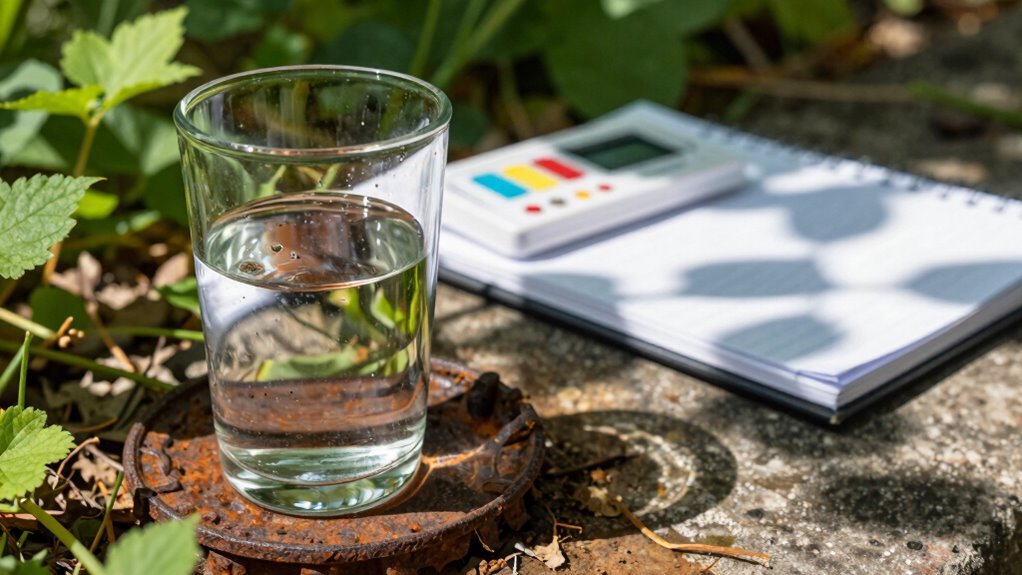

You need a different testing order for well water because its contamination risks vary based on environmental and local factors. Unlike municipal water, well water is exposed to runoff, septic leaks, and natural deposits, making specific tests more essential. Pesticides, bacteria, or metals may spike unexpectedly, requiring tailored testing schedules. By understanding these risks, you can catch problems early and keep your water safe. Keep exploring to discover more about maintaining clean, healthy well water.

Prime made for students and young adults
- Fast, free delivery for dorm and study essentials
- Prime Video and Amazon Music included
- Member-only deals
Key Takeaways
- Well water is exposed to environmental contaminants, requiring targeted testing based on local risks.
- Different contaminants, such as bacteria or chemicals, demand specific testing frequencies and methods.
- Changes in water quality or environmental factors can alter contamination levels, necessitating flexible testing schedules.
- Tailored testing ensures early detection of issues, preventing health risks from specific well water contaminants.
- One-size-fits-all testing routines are ineffective; customized testing addresses unique well water conditions.
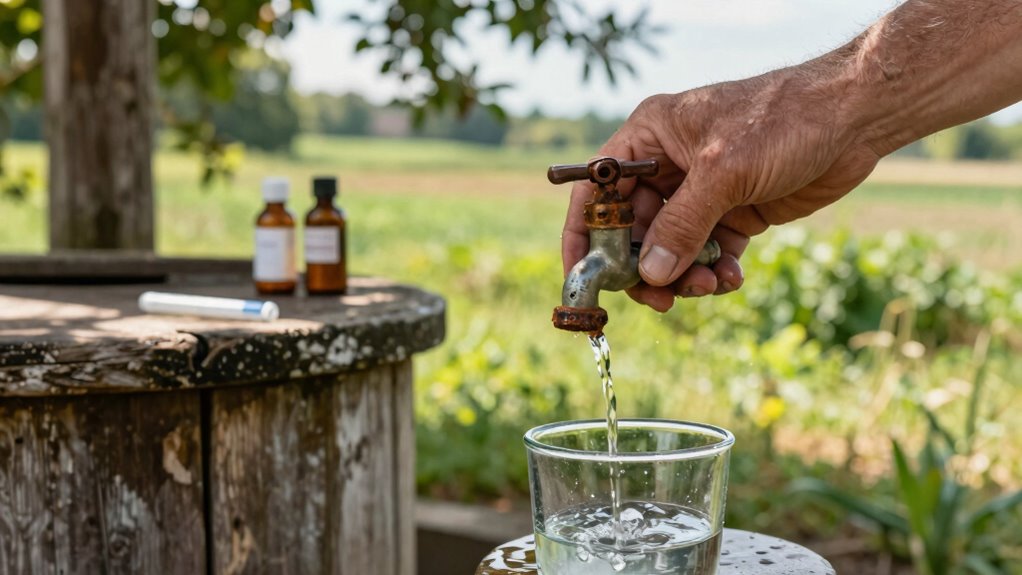
Have you ever wondered if your well water is safe to drink? Well water can be a reliable source, but it also comes with unique risks that demand a different testing approach than city water. Unlike municipal supplies, your well is directly exposed to the environment, making it more susceptible to various contaminant sources like agricultural runoff, septic system leaks, or natural mineral deposits. Because these contaminant sources can vary greatly, it’s essential to understand that a one-size-fits-all testing routine doesn’t work. Instead, you need to tailor your testing schedule based on what’s most likely to affect your water quality and how often you should test.
Well water risks vary; customize testing based on local contaminants for safe, reliable drinking water.
The key to effective well water testing lies in recognizing that different contaminants pose different risks and require different testing frequencies. For example, if you live near farmland, pesticides and nitrates may be your primary concern, and you should test for these more frequently—perhaps annually or even more often if you notice changes in water taste or appearance. On the other hand, if your well is close to a septic system, bacteria and viruses could be a primary concern, especially after heavy rains or floods, which can increase the risk of contamination. In such cases, testing for coliform bacteria and pathogens might need to be more frequent, especially if you notice any signs of water quality issues.
Understanding the sources of contamination helps you prioritize which tests to conduct and how often. For instance, naturally occurring minerals like arsenic or iron may require periodic testing, but their presence tends to be more stable over time. Conversely, chemical contaminants from nearby industrial activities or agricultural practices may spike unexpectedly, requiring more frequent testing to catch potential problems early. Your testing frequency should also be influenced by changes in your water’s appearance, smell, or taste, as well as after significant weather events or construction activities nearby. Regular testing becomes your best tool for early detection, protecting your health and ensuring the safety of your water supply.
Additionally, utilizing testing kits or professional laboratory services can provide more accurate results, helping you better understand your water’s composition. Understanding the sources of contamination helps you prioritize which tests to conduct and how often. For instance, naturally occurring minerals like arsenic or iron may require periodic testing, but their presence tends to be more stable over time. Conversely, chemical contaminants from nearby industrial activities or agricultural practices may spike unexpectedly, requiring more frequent testing to catch potential problems early. Your testing frequency should also be influenced by changes in your water’s appearance, smell, or taste, as well as after significant weather events or construction activities nearby. Regular testing becomes your best tool for early detection, protecting your health and ensuring the safety of your water supply.
In essence, well water problems need a different testing order because of the variability in contaminant sources and the fluctuating nature of water quality. By understanding what could be contaminating your water and adjusting your testing schedule accordingly, you can catch issues before they become serious. This proactive approach not only keeps your water safe but also gives you peace of mind, knowing you’re doing everything possible to protect your health and your household. Recognizing the contaminant variability and how it influences testing priorities is essential for maintaining safe well water.
As an affiliate, we earn on qualifying purchases.
Frequently Asked Questions
How Often Should I Test My Well Water for Contaminants?
You should test your well water for contaminants at least once a year to ensure well water safety. If you notice changes in taste, odor, or appearance, increase testing frequency. Additionally, after heavy rains or flooding, testing is vital to detect potential contamination. Regular testing helps you catch problems early, keeping your water safe and healthy. Stay proactive to maintain the quality of your well water and protect your family’s health.
Are There Seasonal Differences in Well Water Quality Testing?
Yes, there are seasonal variations in water quality testing. During spring and after heavy rains, you might see increased runoff, which can introduce contaminants. In winter, freezing temperatures can affect well components, possibly impacting water quality. Regular testing throughout the year helps you catch these fluctuations early. By understanding seasonal differences, you guarantee your well water remains safe and clean, no matter the time of year.
What Are the Common Signs Indicating My Well Water Needs Testing?
You should test your well water if you notice changes like strange tastes, odors, or discoloration, which can signal contamination. Water filtration issues, such as reduced flow or cloudy water, also indicate problems. Regular well maintenance helps catch these signs early, but testing verifies safety. Keep an eye out for these signs to guarantee your water remains clean and safe, preventing health risks and maintaining good water quality.
Can Well Water Tests Detect All Possible Pollutants?
Well water tests can’t detect all possible pollutants because of their limited scope and testing limitations. They typically target common contaminants like bacteria, nitrates, and certain chemicals, but might miss emerging or less common pollutants such as heavy metals or pesticides. To get an extensive picture of your water quality, you may need specialized tests beyond standard screenings. Regular testing helps guarantee your water remains safe and free of harmful pollutants.
How Long Does a Typical Well Water Testing Process Take?
A typical well water testing process takes about a week, depending on the tests ordered and lab turnaround times. During well water maintenance, you should test your water at least once a year, or more often if you notice changes in taste, smell, or appearance. Regular testing guarantees your water stays safe, and adjusting testing frequency helps catch problems early, preventing health risks and costly repairs.
bacteria and contaminant test for well water
As an affiliate, we earn on qualifying purchases.
As an affiliate, we earn on qualifying purchases.
Conclusion
So, when it comes to testing your well water, why settle for a one-size-fits-all approach? Different problems require different tests to truly understand what’s affecting your water quality. By following the proper testing order, you’re not just checking boxes—you’re safeguarding your health and your home. Isn’t it worth taking the extra step to guarantee your water is safe and clean? Remember, a tailored testing strategy can make all the difference.
water quality test laboratory service
As an affiliate, we earn on qualifying purchases.
As an affiliate, we earn on qualifying purchases.
pesticide nitrate testing for well water
As an affiliate, we earn on qualifying purchases.
As an affiliate, we earn on qualifying purchases.
Fall Picks
fall essentials
As an affiliate, we earn on qualifying purchases.