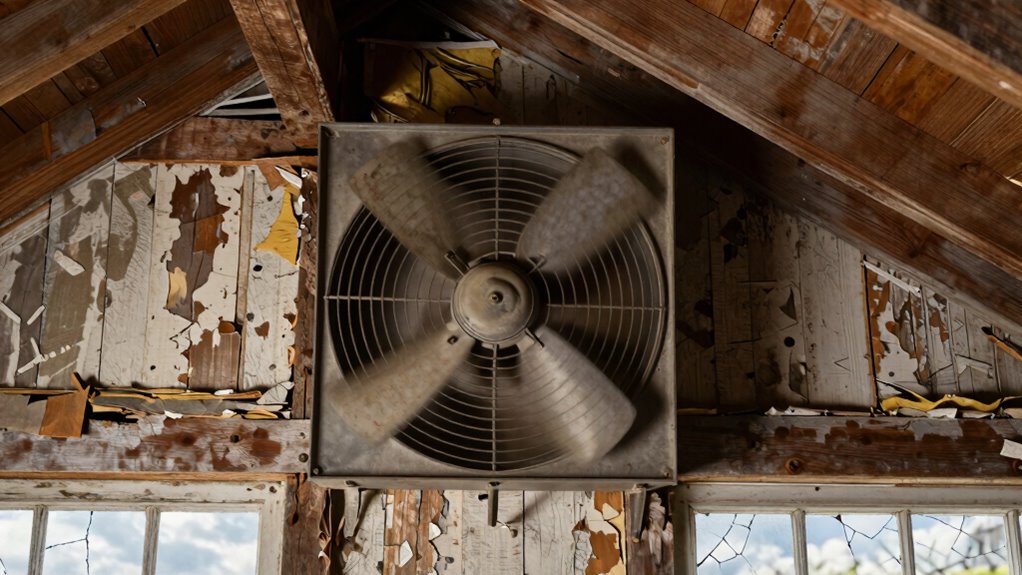

Attic fans help you lower indoor temperatures and improve airflow, preventing heat buildup and reducing cooling costs. However, if not installed or maintained properly, they can increase your energy bills and create loud noise that disrupts your home environment. Proper sizing and regular upkeep are essential to avoid these problems. Understanding both benefits and drawbacks will help you decide if an attic fan is right for you—keep going to learn more.
Key Takeaways
- Attic fans improve ventilation and reduce heat buildup, addressing moisture and temperature issues in the attic.
- They can increase energy consumption and noise pollution if improperly selected or maintained.
- Correct installation minimizes air leaks, maximizing benefits while preventing conditioned air loss.
- Poor maintenance or wrong models may lead to louder operation and reduced efficiency.
- Balancing attic ventilation with energy efficiency and noise considerations ensures optimal performance.

Attic fans are often thought of as a simple solution to improve home ventilation, but they can also create problems if not installed or maintained properly. When functioning correctly, they help reduce indoor temperatures, cut down on cooling costs, and improve air circulation. However, if you don’t consider factors like energy efficiency, they might end up costing you more than they save. Attic fans, especially older or poorly designed models, can consume significant amounts of electricity, pushing up your energy bills instead of lowering them. If you’re not careful, their energy use can outweigh the benefits of better ventilation, making them an inefficient addition to your home. To avoid wasting energy, it’s essential to select an attic fan that’s appropriately sized for your space and has energy-efficient features like variable speed controls or energy star ratings. Proper installation also plays a critical role in guaranteeing maximum energy efficiency. If the fan isn’t sealed correctly or if it’s installed without considering the overall attic insulation, you risk creating air leaks that allow conditioned air to escape, defeating the purpose of ventilating in the first place. Additionally, choosing a model with energy-efficient features can significantly reduce ongoing electrical costs. Noise pollution is another common issue linked to attic fans. When installed or maintained poorly, these fans can become loud and disruptive, disturbing your peace and quiet. You might notice a constant humming or buzzing sound that becomes especially noticeable at night or during quiet hours. This noise can interfere with sleep, work-from-home routines, or simply enjoying a peaceful home environment. Sometimes, the noise results from old or malfunctioning motors, loose mounting brackets, or worn-out blades. Regular maintenance, such as cleaning and tightening components, can help reduce noise levels. Upgrading to a quieter model can also make a significant difference, especially if noise pollution is a concern for you or your family. While attic fans are effective at solving certain problems—like preventing heat buildup and reducing cooling costs—they can create new challenges if not properly chosen, installed, or maintained. The key lies in balancing the benefits of improved ventilation with the potential drawbacks, particularly regarding energy consumption and noise. Proper installation and maintenance are crucial to ensure optimal performance and longevity of your attic fan. When you pay attention to these factors, you guarantee that your attic fan works as a helpful tool rather than a source of new problems. A comprehensive understanding of attic fan functionality and limitations can help homeowners make informed decisions that maximize benefits while minimizing issues. Being aware of the energy consumption involved also allows for better planning and selection of models that are more sustainable and cost-effective. It’s also important to consider proper ventilation strategies to complement attic fans and ensure overall attic health. Proper installation, regular maintenance, and selecting an energy-efficient, quiet model will help you maximize the advantages while minimizing the issues. This way, you get the ventilation benefits you want without the unintended consequences of higher energy bills or an annoying noise environment.

iLiving ILG8G14-12T Automatic Gable Mount Attic Ventilator Fan with Adjustable Thermostat, 2.85 Amp, 2339 CFM, Single-Speed
Automatic adjustable built-in thermostat
As an affiliate, we earn on qualifying purchases.
As an affiliate, we earn on qualifying purchases.
Frequently Asked Questions
Are Attic Fans Energy-Efficient Compared to Other Cooling Methods?
Attic fans can be energy-efficient compared to other cooling methods if used properly, helping you save on energy costs. They improve cooling efficiency by reducing attic temperatures, which can lower your overall home cooling needs. However, their efficiency depends on factors like climate and insulation. When used correctly, attic fans can be a cost-effective way to enhance comfort without markedly increasing energy consumption.
How Often Should Attic Fans Be Maintained or Replaced?
You should inspect your attic fan at least once a year, ideally before summer, to make certain it’s functioning well. Most attic fans have a lifespan of about 10-15 years, but regular maintenance can extend that. Follow a maintenance schedule that includes cleaning the blades, checking the motor, and inspecting wiring. Replace the fan if you notice persistent noise, inefficiency, or if it’s nearing the end of its lifespan.
Can Attic Fans Prevent Ice Dam Formation in Winter?
Attic fans can aid in ice dam prevention, but they aren’t a guaranteed solution. By improving attic ventilation, they help regulate temperature and reduce snow melting that causes ice dams. However, if your attic isn’t well-insulated, heat still escapes, making the fan less effective. Proper attic insulation combined with a well-maintained attic fan offers the best chance to prevent ice dams and protect your roof during winter.
Do Attic Fans Increase Indoor Humidity Levels?
Attic fans can increase indoor humidity levels if they disrupt your home’s ventilation balance. When attic fans pull moist air from the attic, it can lead to excess humidity inside, especially if your home isn’t properly ventilated. To prevent humidity concerns, make certain your attic ventilation is balanced, and consider using a humidity monitor. Proper installation and ventilation management help you avoid unintended moisture buildup and maintain comfortable indoor air quality.
Are There Specific Attic Conditions That Make Fans Unnecessary?
If your attic has proper ventilation and insulation, you might not need an attic fan. Excessive ventilation concerns, like constant air leaks or uneven airflow, reduce the fan’s effectiveness. Additionally, insulation impact plays a role; if your insulation is already sufficient, an attic fan could disturb it or cause energy loss. In such cases, relying on passive ventilation methods might be better, preventing unnecessary energy use or damage.

VEVOR 10'' Exhaust Fan, Wall Mounted Attic Fan with Variable Speed controller, 900 CFM, Automatic Shutter, Ventilation and Cooling, Black
Rapid Venting: This shutter exhaust fan delivers 900 CFM to quickly expel stale air, floating dirt, heat, and…
As an affiliate, we earn on qualifying purchases.
As an affiliate, we earn on qualifying purchases.
Conclusion
Think of attic fans as your home’s refreshing breeze—they can cool and ventilate, easing some issues. But like a gust that stirs up dust, they might also create new problems if not used carefully. To keep your home balanced, consider both the benefits and potential drawbacks. When used wisely, an attic fan becomes a tool, not a troublemaker—helping your house breathe easier without stirring up unnecessary chaos.
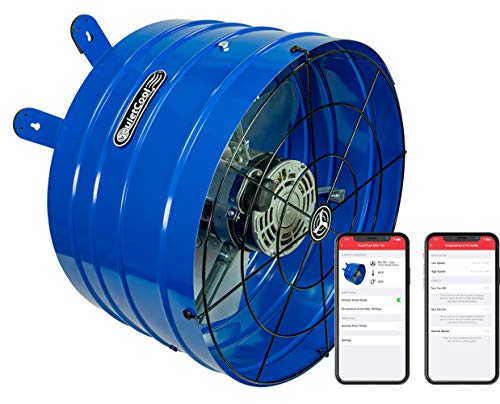
Quietcool AFG SMT PRO-2.0 Smart Attic Fan for Gable Vents – 1945 CFM – Smart App Control – Thermostat & Humidistat – 20ft Power Cord – Plug-and-play – Two Speed
Energy-Efficient two-speed PSC Motor
As an affiliate, we earn on qualifying purchases.
As an affiliate, we earn on qualifying purchases.
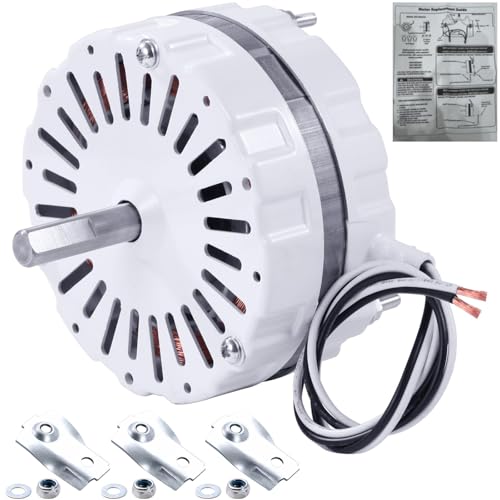
NUOVEPE F0510B2497 White Attic Fan Replacement Motor Kit – Includes F0510B2944 Power Attic Vent Fan Unit, Bridges, and Nylon Locking Nuts – Compatible with Lomanco 2000 Series
Compatible with Lomanco 2000 Series Attic Fans: Designed as a reliable attic fan motor replacement for Lomanco Power…
As an affiliate, we earn on qualifying purchases.
As an affiliate, we earn on qualifying purchases.